• Research
  • Diwan
  • About
  • Experts
Carnegie Middle East logoCarnegie lettermark logo
PalestineSyria
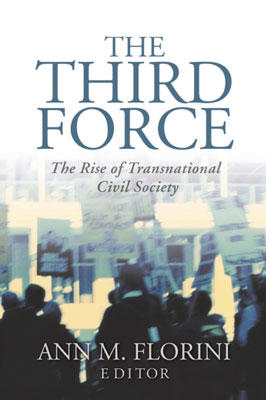
Third Force: The Rise of Transnational Civil Society
Book

Third Force: The Rise of Transnational Civil Society

The book's six case studies investigate the role of transnational civil society in the global anti-corruption movement, nuclear arms control, dam-building and sustainability, democracy movements, landmines, and human rights.

Link Copied
By Ann M. Florini
Published on Oct 2, 2000

Additional Links

Chapter OneTable of ContentsPaperback - $19.95Kindle - $9.99iTunes - $9.99Nook - $10.39

Source: Washington

Transnational networks of civil society groups are seizing an ever-greater voice in how governments run countries and how corporations do business. This volume brings together a multinational group of authors to help policy makers, scholars, corporate executives, and activists themselves understand the profound issues raised. How powerful are these networks? Is their current prominence a temporary fluke or a permanent change in the nature of international power? What roles should they play as the world struggles to cope with the new global agenda? The book's six case studies investigate the role of transnational civil society in the global anti-corruption movement, nuclear arms control, dam-building and sustainability, democracy movements, landmines, and human rights. The conclusion draws out lessons and argues for a new understanding of the legitimate role of transnational civil society.

Advance Praise

“An excellent, comprehensive, and timely analysis of a phenomenon that could redraw the contours of global governance in inspiring and challenging ways in the twenty-first century.”
    —Kumi Naidoo, Secretary General and CEO of CIVICUS: World Alliance for Citizen Participation

“Provides an excellent overview to the issues and trends in the rise of transnational civil society. Policy makers, students, and academics will appreciate the lively prose, diverse and well-documented case studies, lucid conclusions, and useful annotated bibliography.”
   —Kathryn Sikkink, University of Minnesota

Ann M. Florini
Former Senior Associate
Security

Carnegie does not take institutional positions on public policy issues; the views represented herein are those of the author(s) and do not necessarily reflect the views of Carnegie, its staff, or its trustees.

More Work from Malcolm H. Kerr Carnegie Middle East Center

  • Commentary
    Carnegie Politika
    Baku Proceeds With Caution as Ethnic Azeris Join Protests in Neighboring Iran

    Baku may allow radical nationalists to publicly discuss “reunification” with Azeri Iranians, but the president and key officials prefer not to comment publicly on the protests in Iran.

      Bashir Kitachaev

  • Commentary
    Diwan
    Beirut Can Do More on Tom Barrack’s Proposal

    In addressing Hezbollah’s disarmament, the Lebanese state must start by increasing its own leverage.

      Michael Young
  • Commentary
    Diwan
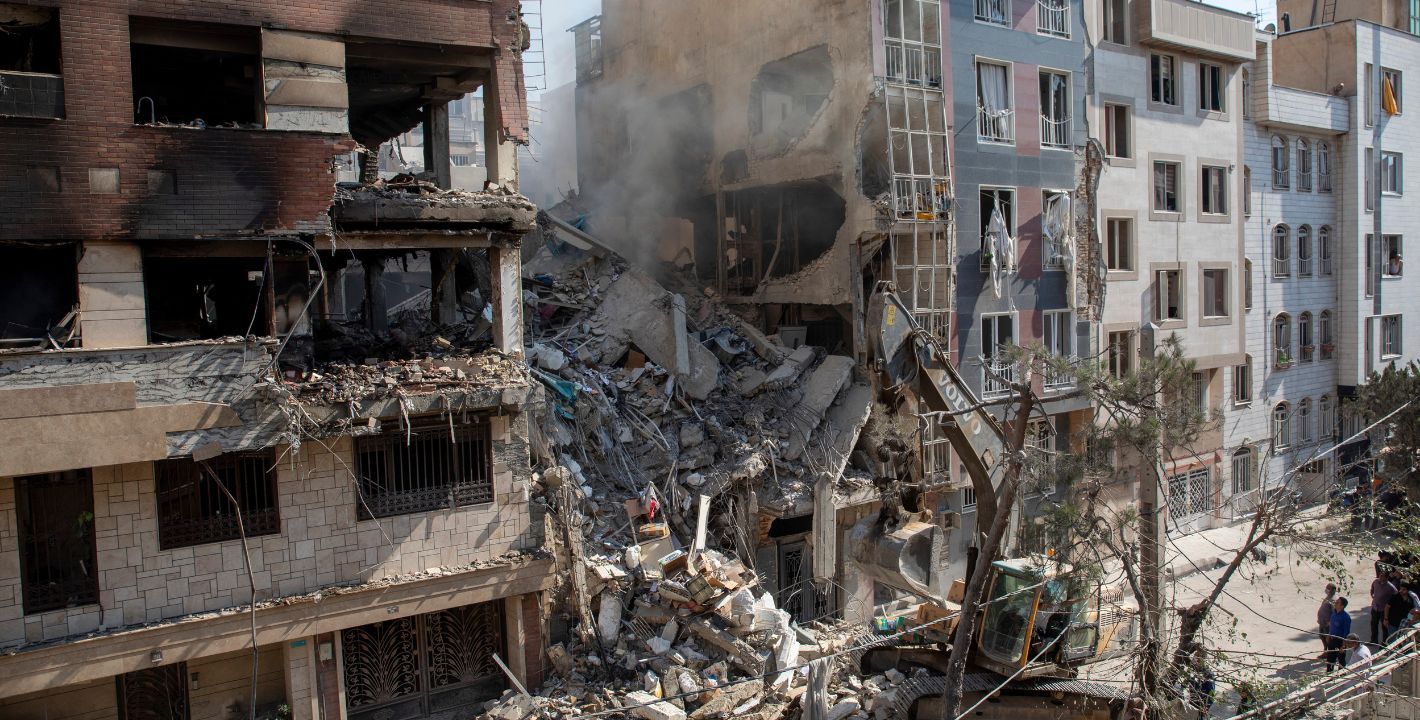
    Iran After the Battle

    The country’s political and military establishment is still debating how to interpret the recent war’s outcome.

      • Nicole Grajewski Profile Picture

      Nicole Grajewski

  • Commentary
    Diwan
    The United States Has Attacked Iran’s Nuclear Facilities

    Spot analysis from Carnegie scholars on events relating to the Middle East and North Africa.

      Mohanad Hage Ali

  • Commentary
    Diwan
    Hezbollah’s Israeli-Iranian Quandary

    Will the party remain bound to Iran or prioritize its organizational survival and the needs of Lebanon’s Shiite population?

      Mohanad Hage Ali

Get more news and analysis from
Malcolm H. Kerr Carnegie Middle East Center
Carnegie Middle East logo, white
  • Research
  • Diwan
  • About
  • Experts
  • Projects
  • Events
  • Contact
  • Careers
  • Privacy
  • For Media
Get more news and analysis from
Malcolm H. Kerr Carnegie Middle East Center
© 2026 Carnegie Endowment for International Peace. All rights reserved.