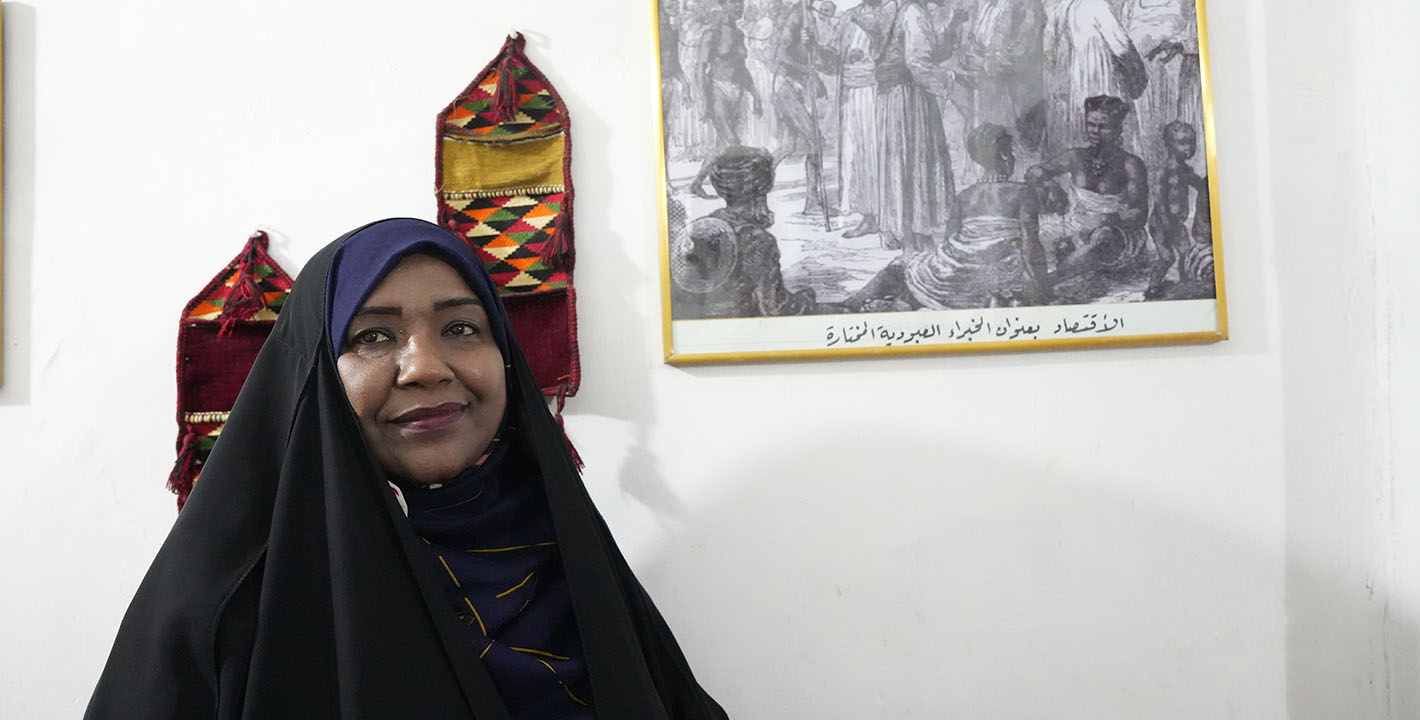
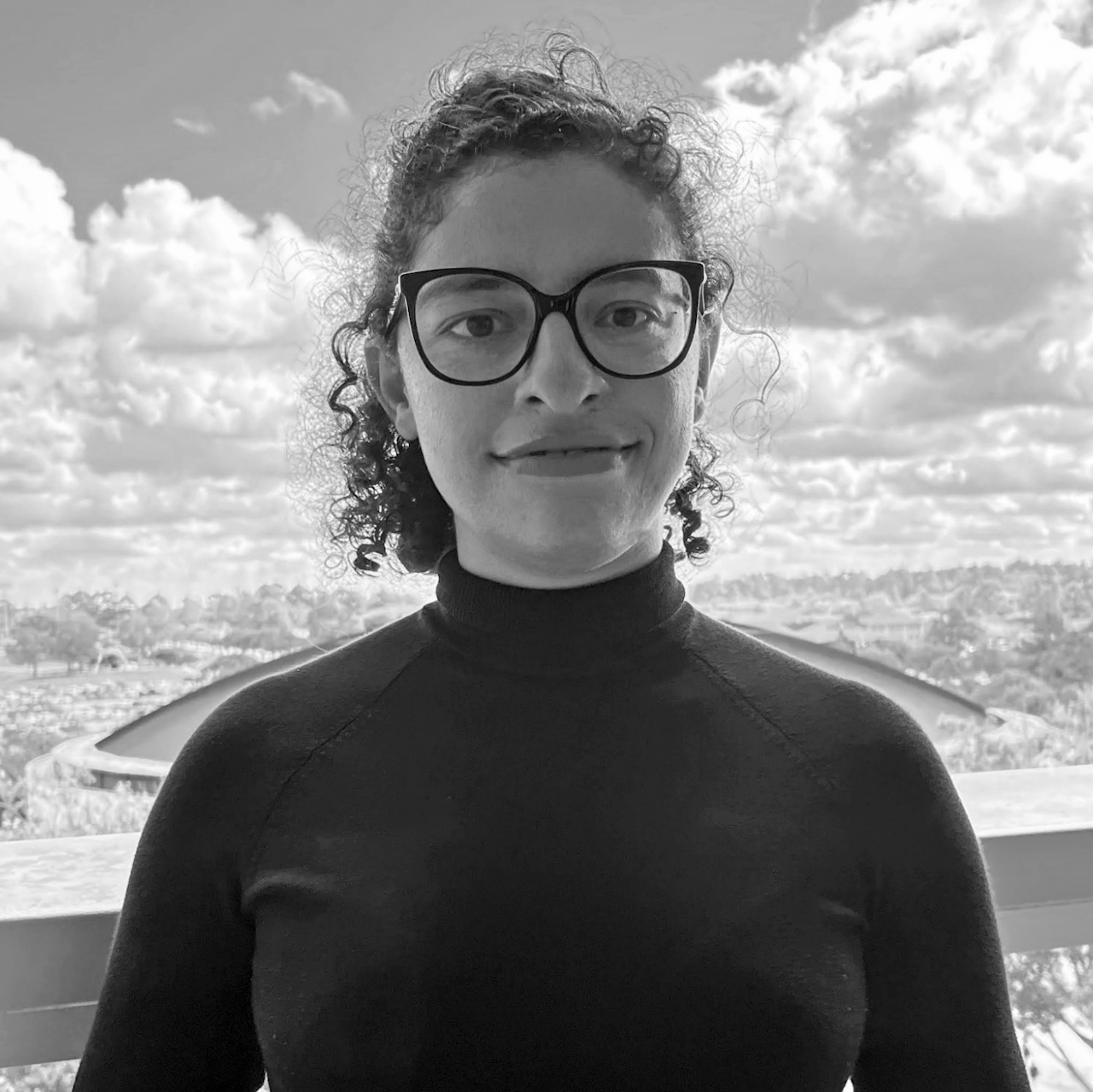
Afro-Iraqis experience political, economic, and social marginalization and discrimination, which exposes the poorest members of the community to the harsh realities of the region’s climate disaster.
Zeinab Shuker
REQUIRED IMAGE
Source: Carnegie
Summary
The Bush Administration's Nuclear Posture Review, leaked earlier this year, advocates new nuclear weapons designed to destroy underground bunkers and neutralize caches of chemical and biological weapons. A new approach to developing non-nuclear weapons for attacking underground bunkers and chemical and biological weapons is urgently needed. Research currently is too focused on weapons systems to the neglect of intelligence assets, and non-nuclear weapons are not being sufficiently explored. This new working paper compares the potential of new nuclear weapons with that of innovative non-nuclear weapons, demonstrating that proponents of tactical nuclear weapons have consistently overestimated their destructive potential while underestimating the battlefield problems they would pose. The report's comprehensive review of non-nuclear technologies will be of immense assistance to anyone addressing weapons that might be used in a war with Iraq.
Click on link above for full text of this Carnegie Paper.
About the Author
Michael A. Levi is Director of the Strategic Security Project at the Federation of American Scientists. His current research focuses on nuclear weapons development and on nuclear terrorism. He is a doctoral candidate in physics at Princeton University.
Also published by Carnegie, Deadly Arsenals: Tracking Weapons of Mass Destruction provides the most comprehensive assessment available on WMD, and charts the spread of nuclear, chemical, and biological weapons and missile delivery systems. Click here to read an excerpt.
For more information on weapons of mass destruction, visit the Carnegie Endowment's Non-Proliferation Project page.
A limited number of print copies are available of this report.
Request a copy.
Michael A. Levi
Carnegie does not take institutional positions on public policy issues; the views represented herein are those of the author(s) and do not necessarily reflect the views of Carnegie, its staff, or its trustees.
Afro-Iraqis experience political, economic, and social marginalization and discrimination, which exposes the poorest members of the community to the harsh realities of the region’s climate disaster.
Zeinab Shuker
Beirut and Baghdad are both watching how the other seeks to give the state a monopoly of weapons.
Hasan Hamra
In an interview, Shahla al-Kli discusses the country’s parliamentary elections and what they reveal.
Rayyan Al-Shawaf
Recent election results have placed Nouri al-Maliki in a strong position to name the next prime minister.
Wladimir van Wilgenburg
In the aftermath of the October 7 attacks, the Israelis have transformed their neighbors’ borderlands to serve their own security interests.
Armenak Tokmajyan