

In The Media
David Rothkopf
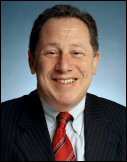
Source: Getty
The terrorist bombings in Istanbul over the past week make it all the more easy to imagine this scenario the United States. And since terrorists often want to send messages during elections, it is worth asking: how would Americans, and how should Americans, respond if terrorists strike during the presidential campaign.
Source: Carnegie

In an article in this Sunday's Outlook section, "Bombs and Ballots," David Rothkopf says that the terrorist bombings in Istanbul over the past week, which have taken 50 lives, make it all the more easy to imagine this scenario here. And since terrorists often want to send messages during elections, he says it's worth asking: how would Americans, and how should Americans, respond if terrorists strike during the presidential campaign.
David Rothkopf discussed the article in an online chat at washingtonpost.com on November 21, 2003. Read the discussion.
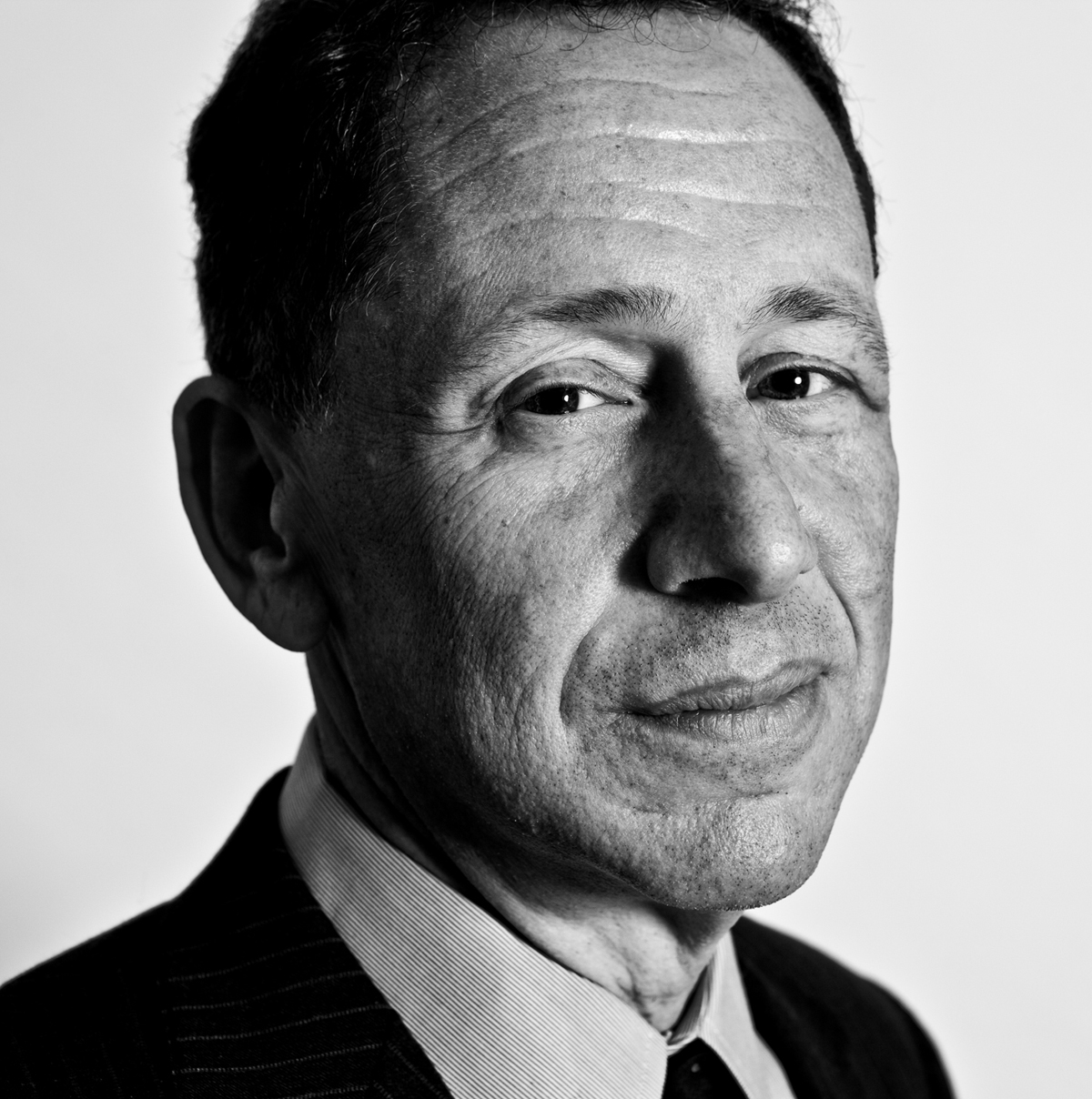
Former Visiting Scholar
David Rothkopf was a visiting scholar at the Carnegie Endowment as well as the former CEO and editor in chief of the FP Group.
Recent Work
David Rothkopf
David Rothkopf
Carnegie does not take institutional positions on public policy issues; the views represented herein are those of the author(s) and do not necessarily reflect the views of Carnegie, its staff, or its trustees.

In an interview, Rozina Ali discusses her new book on the rise and manifestations of Islamophobia in the United States.

Michael Young

In an interview, Ian Lustick and Eli Clifton discuss their new book on why a prominent ally has so much influence in America.
Michael Young

As the U.S. stumbles in its war with Iran, we are likely to see an acceleration of its disengagement from the region.
Michael Young

Middle Eastern states should welcome an accelerated U.S. disengagement from their region.
Michael Young

In an interview, former ambassador Charles Freeman assesses the Trump administration’s war against Iran.
Michael Young