

Commentary
Richard Youngs

REQUIRED IMAGE
While enjoying both quantitative and qualitative advantages relative to U.S. efforts, European democracy policies in the Middle East require significant revision if they are to attain the sophisticated holistic gradualism to which they aspire.
Summary
Deliberation of democracy promotion in the Middle East intensified after the attacks of 9/11, and has been further energized by the transatlantic debates that were progeny of the Iraqi conflict. More intense debate over support for political change in the Middle East has forced the U.S. and Europe into a closer exploration of each other’s actual and intended approaches to democracy promotion in the region.
In this sixth Carnegie Paper framing key issues relating to democracy promotion in the Middle East, this essay outlines the way in which the EU introduced a limited and selective Middle Eastern democracy policy in the 1990s; catalogs some of the new initiatives introduced by both European governments and the EU collectively since the terrorist attacks of 9/11; identifies the distinctive conceptual features of Europe’s approach to political reform; and suggests ways in which EU strategy in the Middle East should be strengthened.
The paper contends that Europe’s determination to reinforce a distinctiveness from the U.S. has been a source of strength, but also an obstacle to tempering persistent insufficiencies in EU strategy. While enjoying both quantitative and qualitative advantages relative to U.S. efforts, European democracy policies in the Middle East require significant revision if they are to attain the sophisticated holistic gradualism to which they aspire.
Click on link above for the full text of this Carnegie Paper.
Also in the Middle East series:

About the Author
Richard Youngs is an EU Marie Curie research fellow and is coordinating the Civility project on Middle East reform run by the Foreign Policy Centre in London. He has previously worked in the Foreign and Commonwealth Office and coordinated an EU project on democracy promotion.

Senior Fellow, Democracy, Conflict, and Governance Program
Richard Youngs is a senior fellow in the Democracy, Conflict, and Governance Program, based at Carnegie Europe. He works on EU foreign policy and on issues of international democracy.
Recent Work
Richard Youngs


Richard Youngs, ed., Elena Viudes Egea, Zselyke Csaky, …
Carnegie does not take institutional positions on public policy issues; the views represented herein are those of the author(s) and do not necessarily reflect the views of Carnegie, its staff, or its trustees.
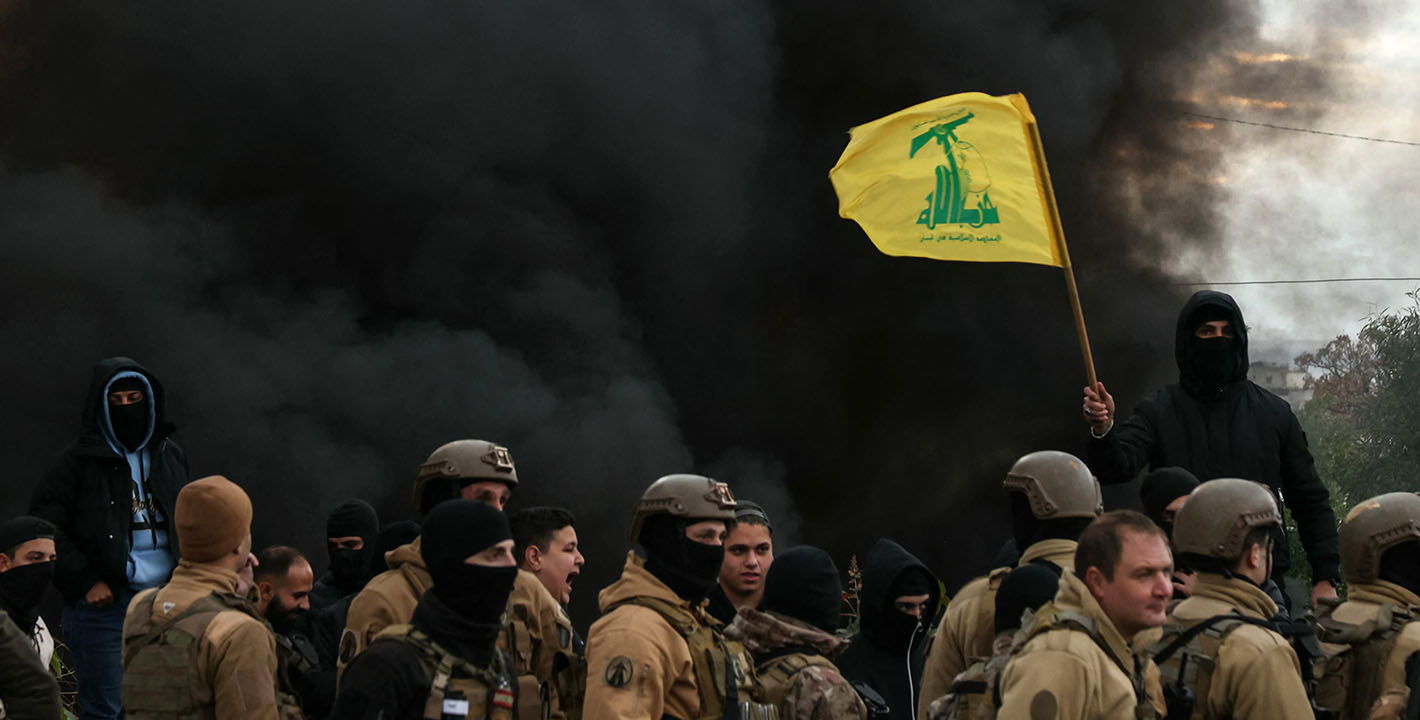
The party’s domestic and regional roles have changed, so Lebanon should devise a disarmament strategy that encompasses this.

Michael Young
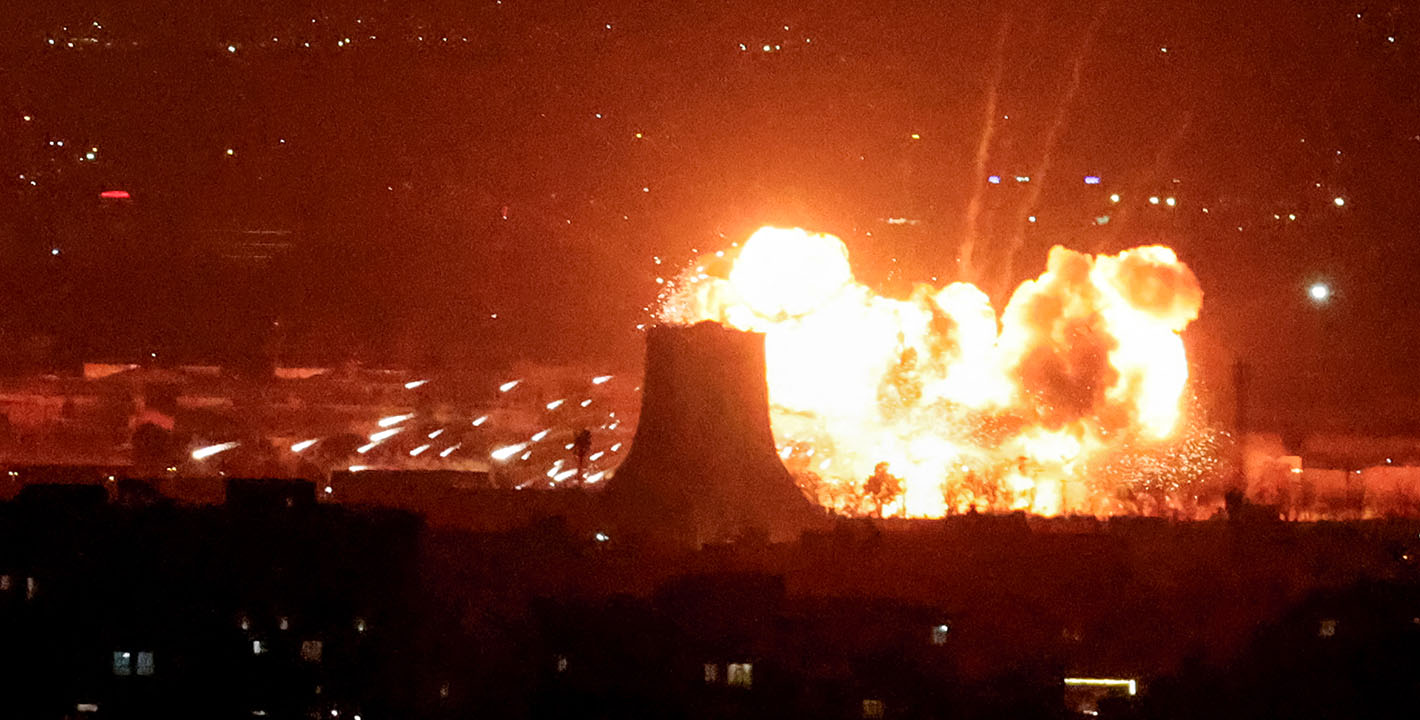
In an interview, Marc Lynch discusses his new book decrying the post-1990 U.S.-dominated order in the Middle East.
Michael Young

Because perpetual conflict enhances control, offers economic benefits, and allows leaders to ignore popular preferences.

Angie Omar
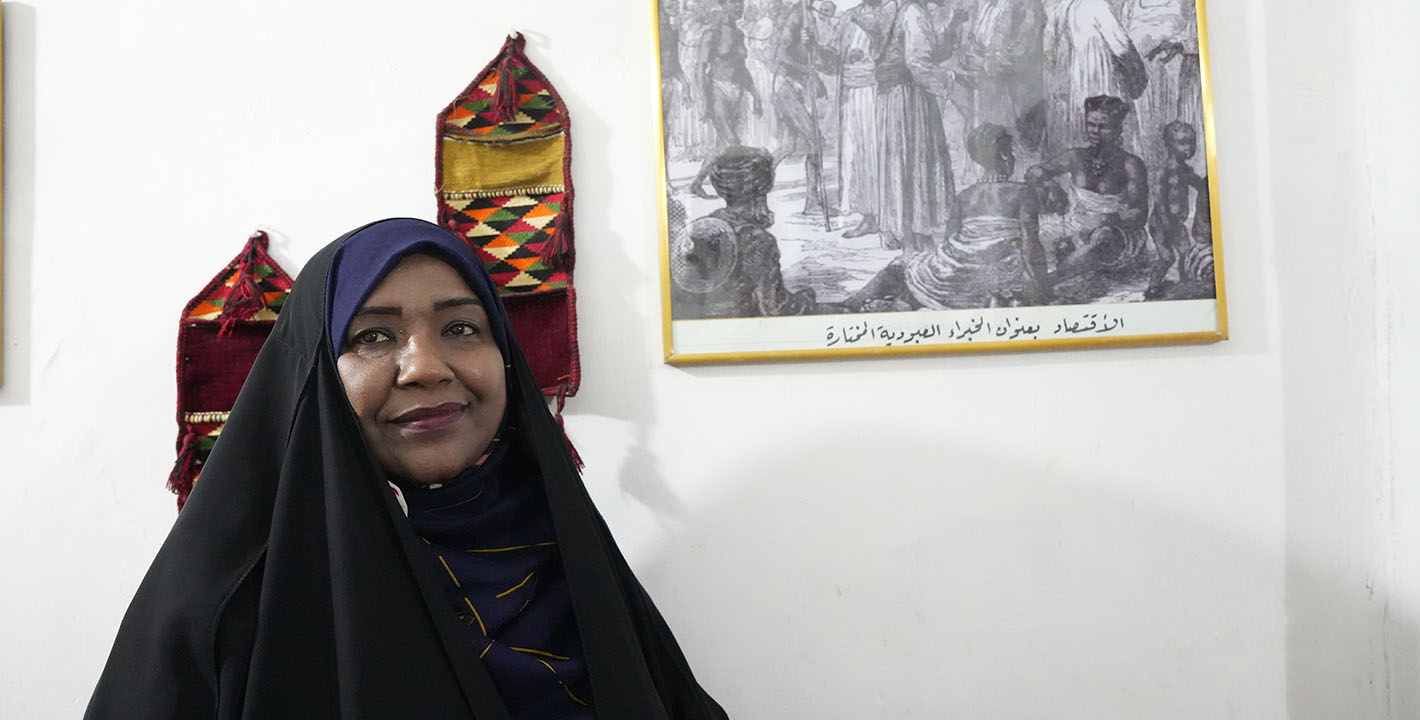
In Basra, an ethnoracial minority wages a constant struggle to assert itself in the face of marginalization.

Zeinab Shuker
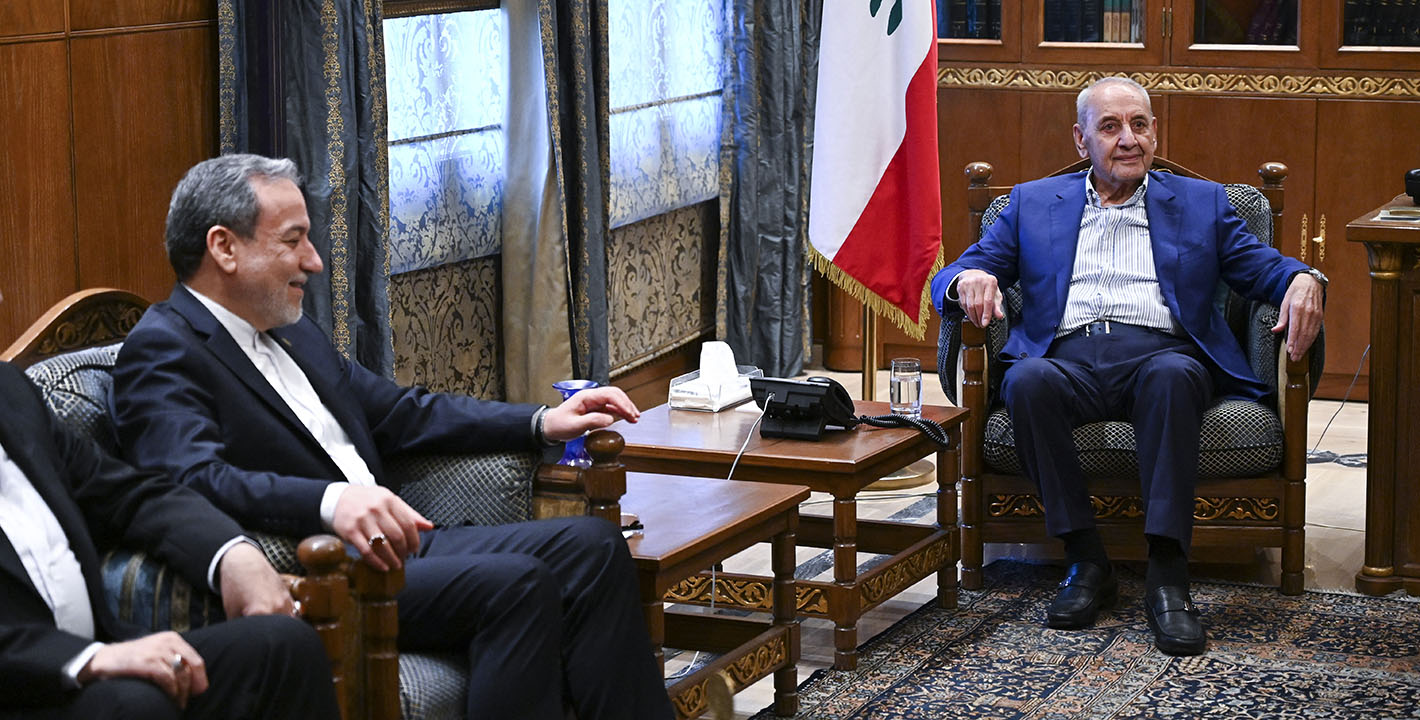
A prerequisite of serious talks is that the country’s leadership consolidates majority national support for such a process.
Michael Young