

Other
Michael D. Swaine

This report was prepared for a conference on the first Chen Shui-bian Administration, held in Annapolis Maryland in May 2005, and sponsored by Harvard University and the School of Oriental and African Studies, University of London.

Such a radical reversal came about as a result of a combination of broad shifts in U.S. foreign policy priorities, domestic political forces in Taiwan, the inexperience and immaturity of the Chen Administration, and perhaps most importantly, a series of personal blunders by President Chen in respect to his management of relations with the White House, and with President Bush in particular. Fundamentally, the mistakes of the first Chen Administration derived to a large extent from a misreading of the U.S. policy dynamic involving Taiwan. Chen placed narrower, short-term domestic political calculations above those fundamental, enduring strategic imperatives that confront every Taiwan government---especially the imperative of maintaining reasonably close and cooperative relations with the U.S.
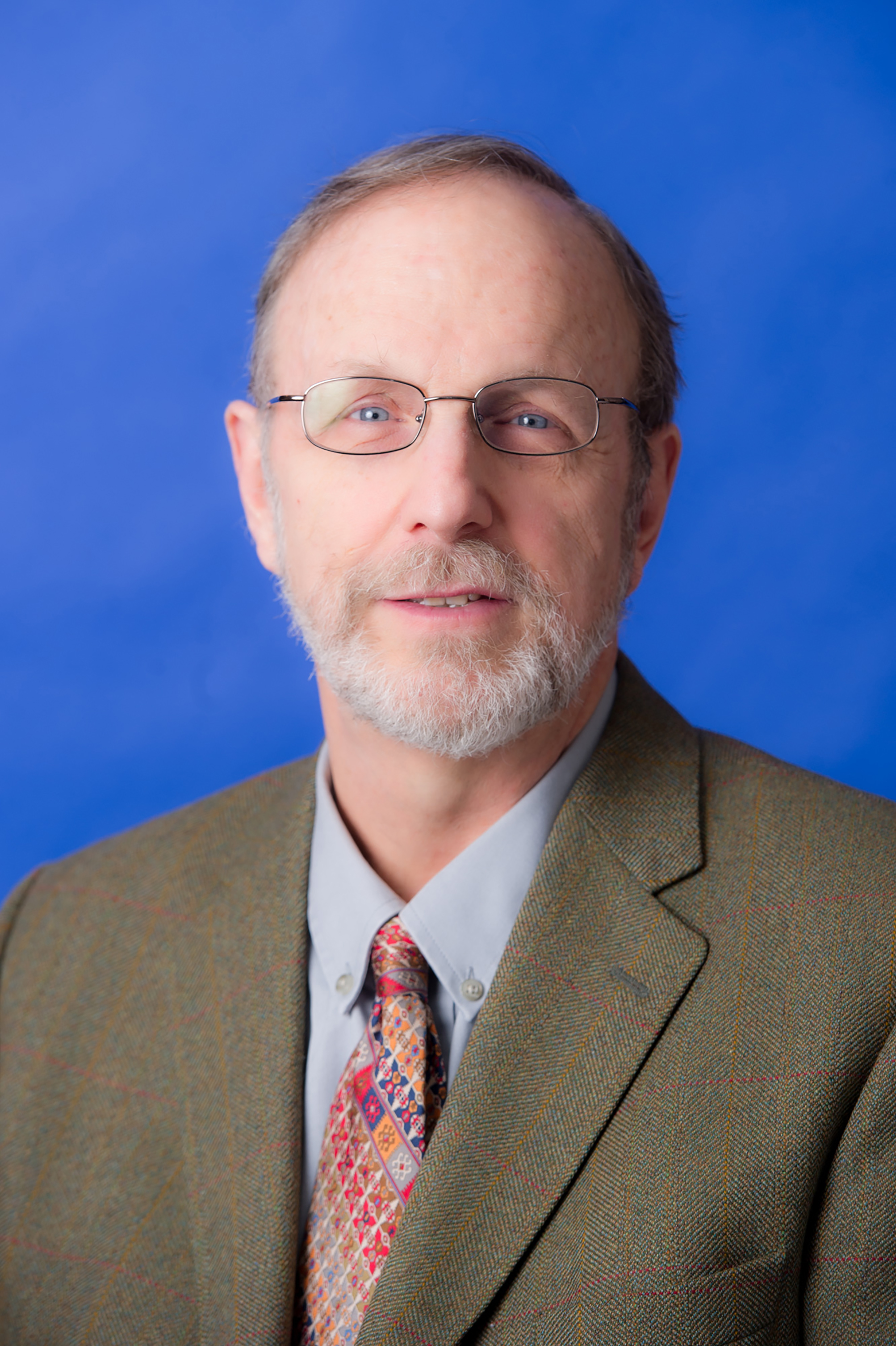
Former Senior Fellow, Asia Program
Swaine was a senior fellow at the Carnegie Endowment for International Peace and one of the most prominent American analysts in Chinese security studies.
Recent Work
Michael D. Swaine
Michael D. Swaine
Carnegie does not take institutional positions on public policy issues; the views represented herein are those of the author(s) and do not necessarily reflect the views of Carnegie, its staff, or its trustees.

In an interview, Rozina Ali discusses her new book on the rise and manifestations of Islamophobia in the United States.

Michael Young

In an interview, Ian Lustick and Eli Clifton discuss their new book on why a prominent ally has so much influence in America.
Michael Young

As the U.S. stumbles in its war with Iran, we are likely to see an acceleration of its disengagement from the region.
Michael Young

Middle Eastern states should welcome an accelerated U.S. disengagement from their region.
Michael Young

In an interview, former ambassador Charles Freeman assesses the Trump administration’s war against Iran.
Michael Young