
• Research
  • Diwan
  • About
  • Experts
Carnegie Middle East logoCarnegie lettermark logo
LebanonIran
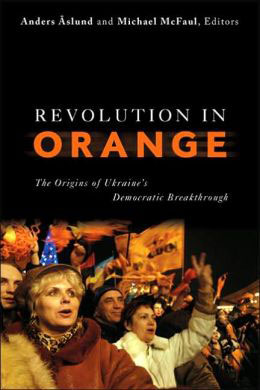
Revolution in Orange: The Origins of Ukraine's Democratic Breakthrough
Book

Revolution in Orange: The Origins of Ukraine's Democratic Breakthrough

The dramatic series of protests and political events that unfolded in Ukraine in the fall of 2004—the “Orange Revolution”—were seminal both for Ukrainian history and the history of democratization. Revolution in Orange seeks to explain why and how this nationwide protest movement occurred.

Link Copied
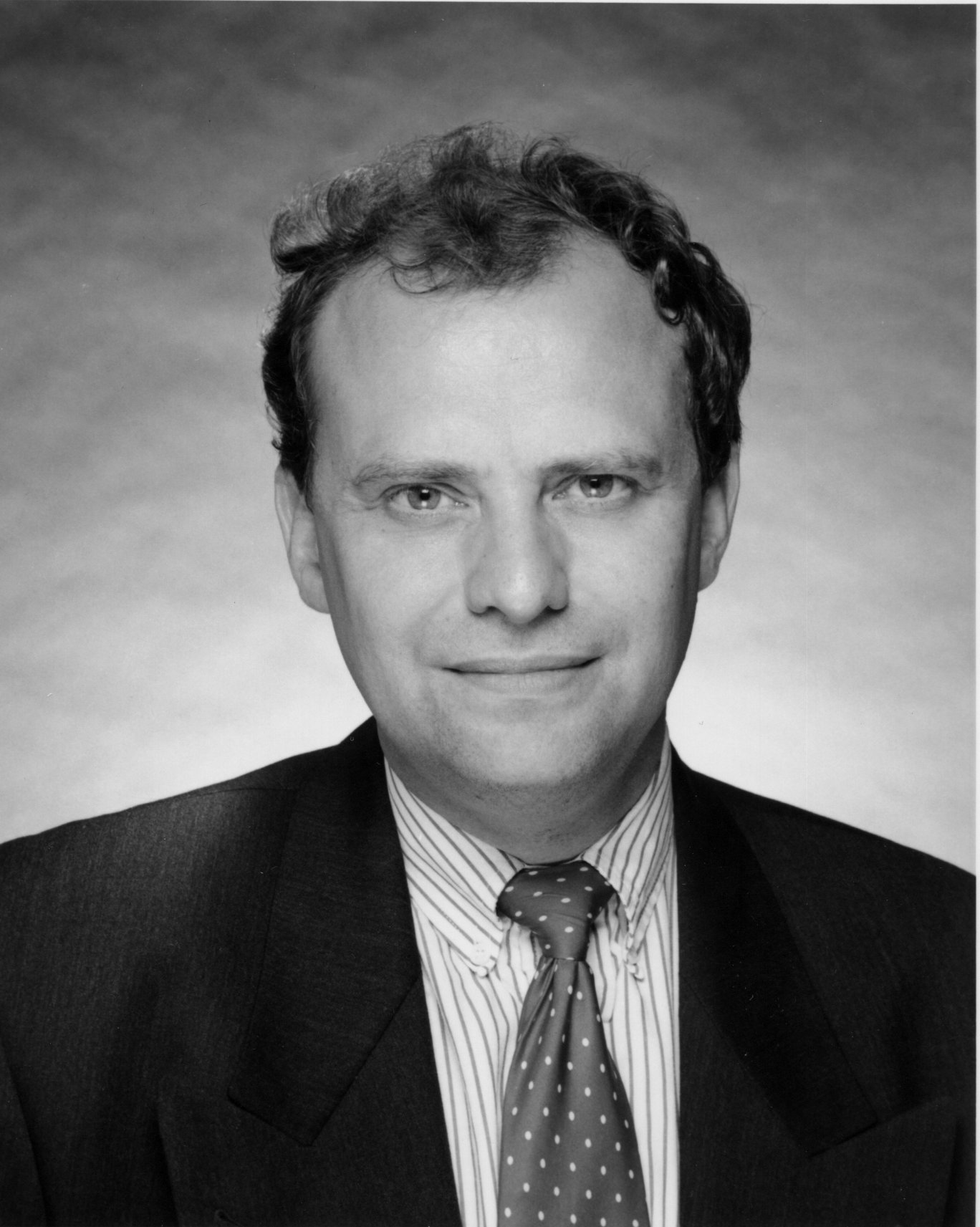
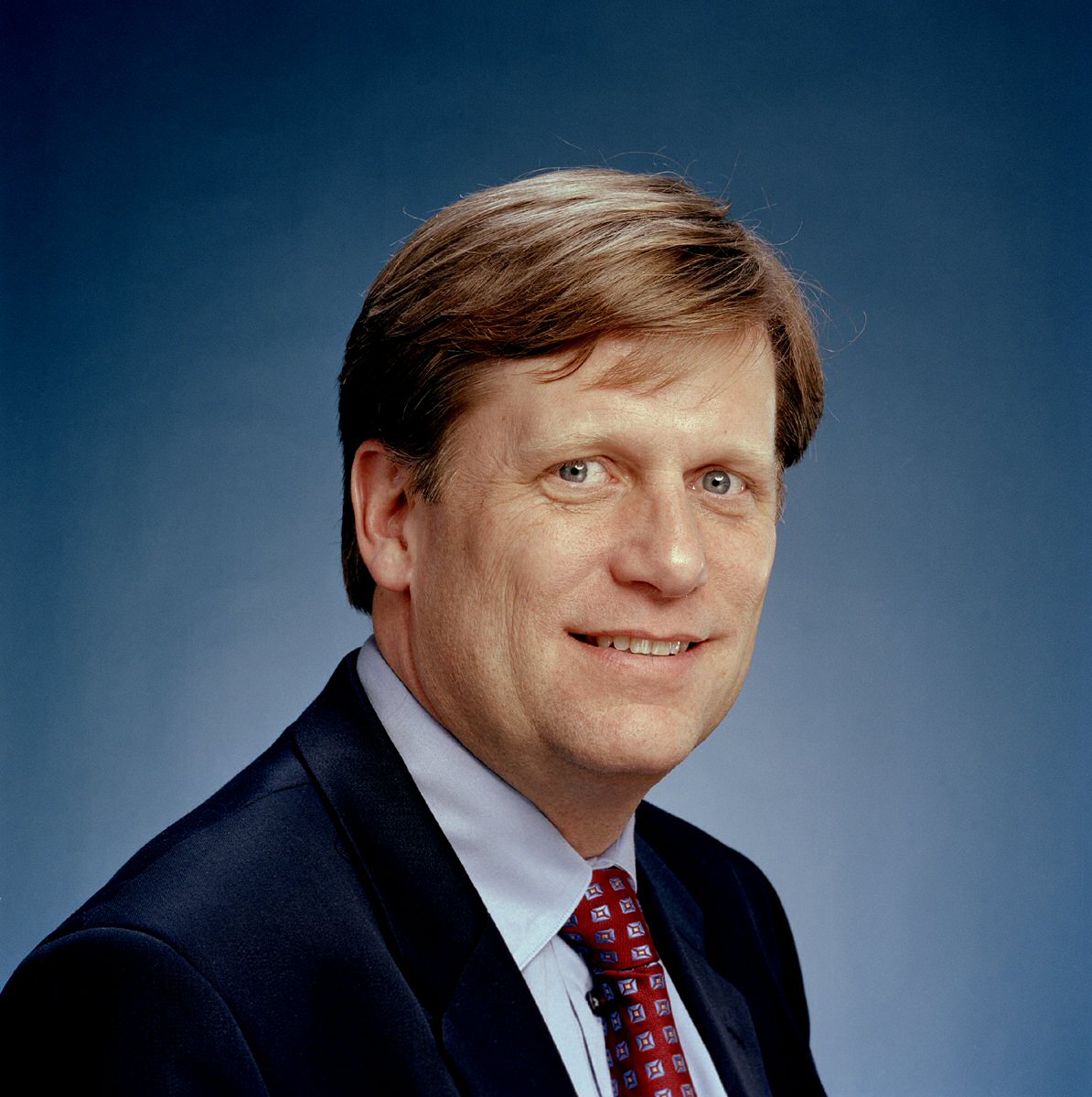
By Anders Aslund and Michael McFaul
Published on Mar 1, 2006

Additional Links

Table of ContentsIntroductionPaperback - $16.95Hardback - $112.98

Source: Washington

The dramatic series of protests and political events that unfolded in Ukraine in the fall of 2004—the “Orange Revolution”—were seminal both for Ukrainian history and the history of democratization. When poisoned with dioxin, pro-Western presidential candidate Viktor Yushchenko was left physically weakened and disfigured but politically energized. The ruling party, faced with strengthened opposition, resorted to voter intimidation and massive electoral fraud to win the runoff election. Supporters of Yushchenko gathered in Kyiv, responding with mass demonstrations, sit-ins, and marches. Thanks in large part to this peaceful revolution, the flawed election results were annulled. In a second runoff, Yushchenko was elected as the new president. Revolution in Orange seeks to explain why and how this nationwide protest movement occurred. Its effects have already been felt from Kyrgyzstan to Lebanon and are likely to travel even further. Yet few predicted or anticipated such a dramatic democratic breakthrough in Ukraine.

This volume attempts to distinguish between necessary and facilitating factors in the success of the Orange Revolution. It also discusses the elements that have been commonly assumed to be critical, but in fact were not instrumental in the movement. Chapters explore the role of former president Kuchma and the oligarchs, societal attitudes, the role of the political opposition and civil society, the importance of the media, and the roles of Russia and the West.

Advance Praise

"Keen observers of the recent transition, Aslund and his coauthors write with authority about the challenges and opportunities Ukraine faces today.... This book should be read carefully by students and policy makers alike."
—George Soros, chairman of the Open Society Institute

About the Authors

Anders Aslund

Former Senior Associate, Director, Russian and Eurasian Program

Michael McFaul

Former Senior Associate

In addition to his role at Carnegie, McFaul is Peter and Helen Bing Senior Fellow at the Hoover Institution and associate professor of political science at Stanford University.

Authors

Anders Aslund
Former Senior Associate, Director, Russian and Eurasian Program
Anders Aslund
Michael McFaul
Former Senior Associate
Michael McFaul
CaucasusRussiaEastern EuropeUkrainePolitical ReformDemocracyEconomy

Carnegie does not take institutional positions on public policy issues; the views represented herein are those of the author(s) and do not necessarily reflect the views of Carnegie, its staff, or its trustees.

More Work from Malcolm H. Kerr Carnegie Middle East Center

  • Commentary
    Diwan
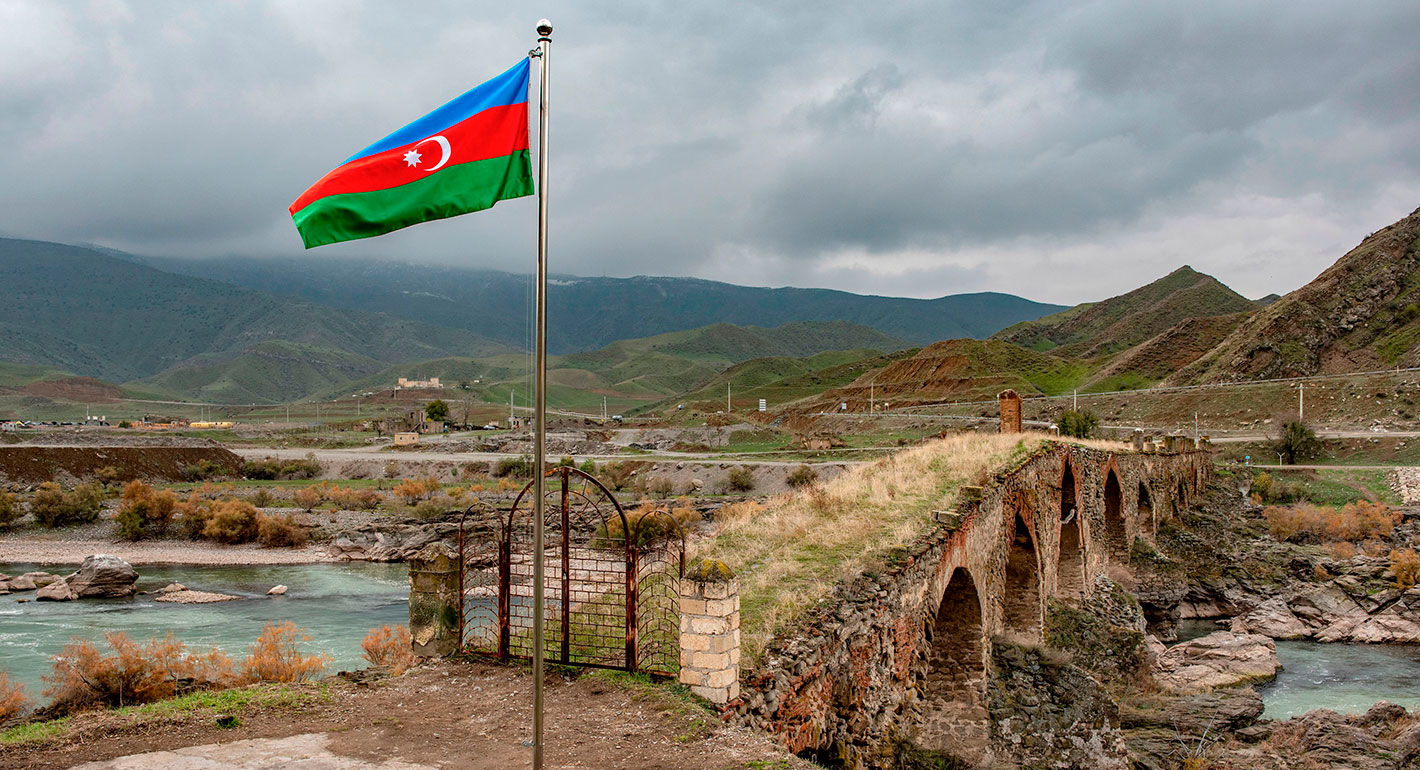
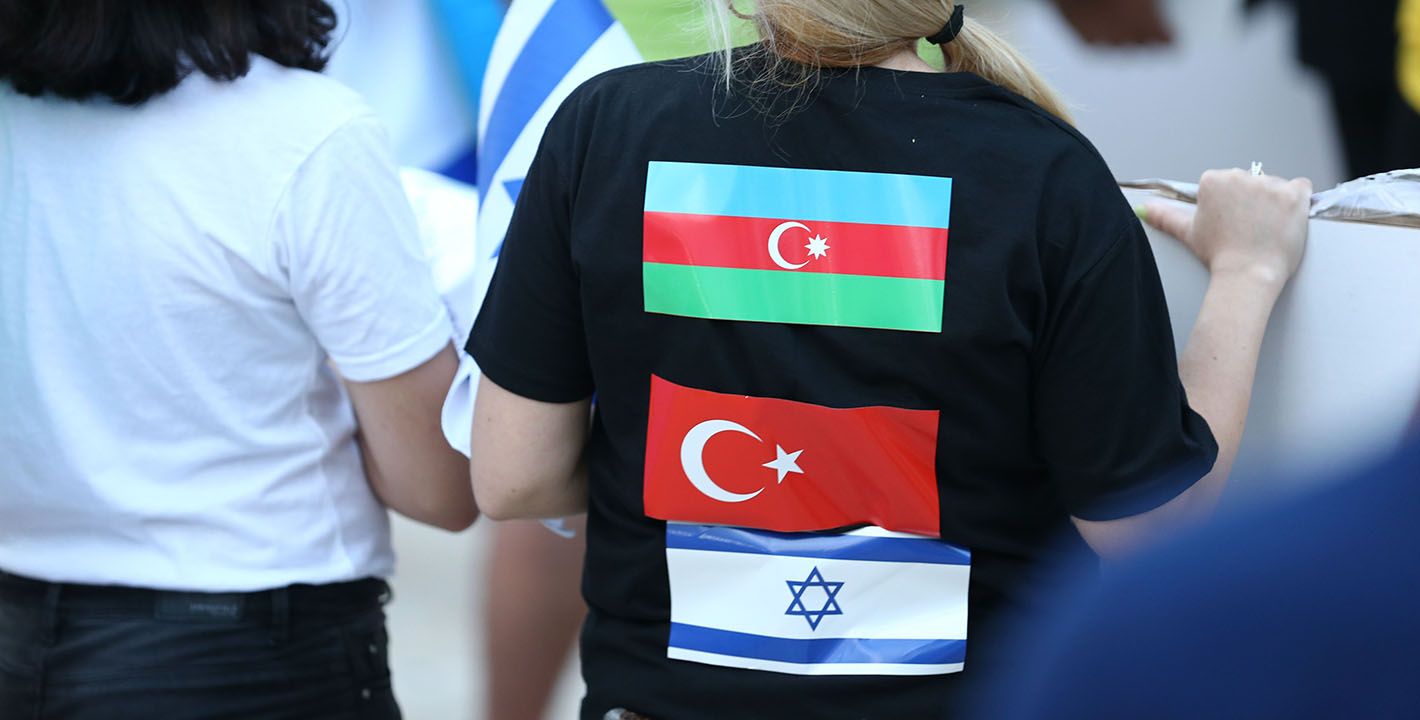
    Iran’s Woes Aren’t Only Domestic

    The country’s leadership is increasingly uneasy about multiple challenges from the Levant to the South Caucasus.

      Armenak Tokmajyan

  • Commentary
    Diwan
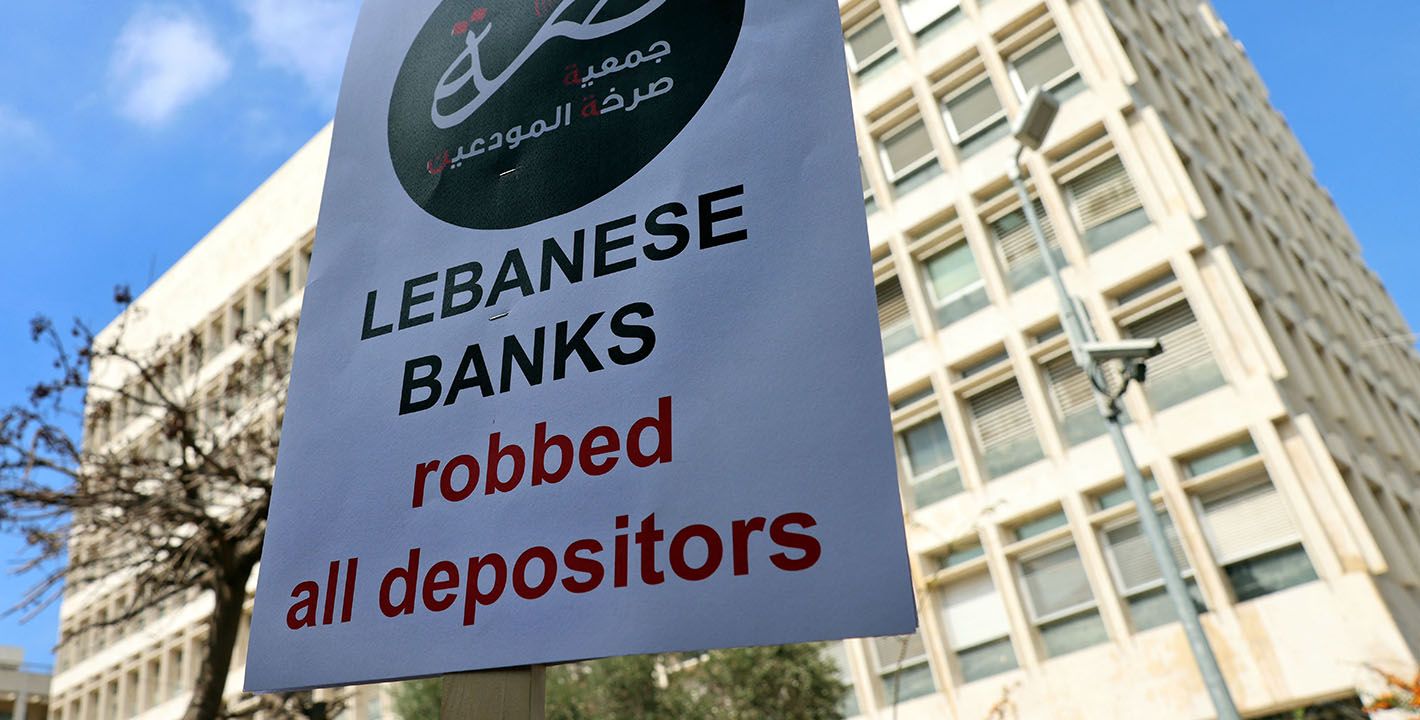
    Unpacking Lebanon’s Gap Law

    In an interview, Ishac Diwan looks at the merits and flaws in the draft legislation distributing losses from the financial collapse.

      Michael Young

  • Commentary
    Diwan
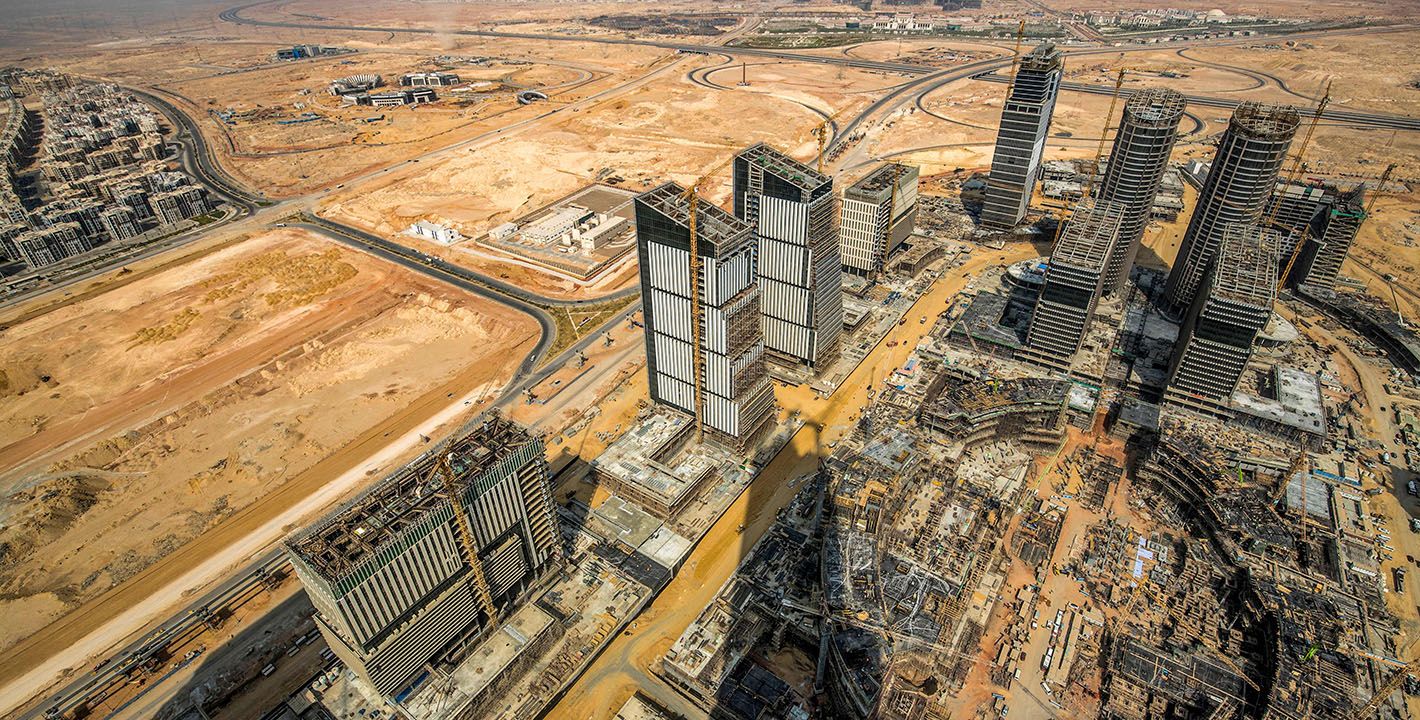
    Has Sisi Found a Competent Military Entrepreneur?

    Mustaqbal Misr has expanded its portfolio with remarkable speed, but a lack of transparency remains.

      Yezid Sayigh

  • Commentary
    Diwan
    From Prague With a Shove

    In an interview, Daniela Richterova speaks about her book on Czechoslovakia’s Cold War ties to Palestinian groups and others.

      Michael Young

  • Research
    Arab Diaspora Business Communities in Egypt

    Arab diaspora business communities in Egypt often mirror the same systemic challenges facing Egyptian businesses.

      • +4

      Nur Arafeh, Yezid Sayigh, Qaboul al-Absi, …

Get more news and analysis from
Malcolm H. Kerr Carnegie Middle East Center
Carnegie Middle East logo, white
  • Research
  • Diwan
  • About
  • Experts
  • Projects
  • Events
  • Contact
  • Careers
  • Privacy
  • For Media
Get more news and analysis from
Malcolm H. Kerr Carnegie Middle East Center
© 2026 Carnegie Endowment for International Peace. All rights reserved.