

Commentary
As the U.S. stumbles in its war with Iran, we are likely to see an acceleration of its disengagement from the region.
Michael Young

REQUIRED IMAGE
Egyptians will head to the polls on March 26 in a public referendum on amendments to thirty four articles of the Constitution, approved by the People’s Assembly on March 19. President Hosni Mubarak, who had resisted any constitutional changes until very recently, proposed the amendments in late December 2006, heralding them as an important step toward democratization. The amendments will increase the powers of the elected parliament, which has long been the weakest branch of government. Amendments also expunge much of the socialist language of an earlier era and introduce a new discourse of “citizenship,” which has been championed by President Mubarak’s son Gamal—likely to be the ruling National Democratic Party’s future presidential candidate—and his supporters. But opposition and civil society activists—many of whom have lobbied for constitutional reform for years—say the amendments also infringe dangerously on human rights protections and close off possibilities for peaceful political activity, particularly by the Muslim Brotherhood, Egypt’s largest opposition movement.
Click on PDF icon to read full text.

Nonresident Senior Fellow, Middle East Program
Nathan J. Brown, a professor of political science and international affairs at George Washington University, is a distinguished scholar and author of nine books on Arab politics and governance, as well as editor of five books.

Former Nonresident Scholar, Middle East Program
Michele Dunne was a nonresident scholar in Carnegie’s Middle East Program, where her research focuses on political and economic change in Arab countries, particularly Egypt, as well as U.S. policy in the Middle East.

Director, Middle East Program
Amr Hamzawy is a senior fellow and the director of the Carnegie Middle East Program. His research and writings focus on Egypt’s and other middle powers’ involvement in regional security in the Middle East, particularly through collective diplomacy and multilateral conflict resolution
Carnegie does not take institutional positions on public policy issues; the views represented herein are those of the author(s) and do not necessarily reflect the views of Carnegie, its staff, or its trustees.

As the U.S. stumbles in its war with Iran, we are likely to see an acceleration of its disengagement from the region.

Michael Young

The accord represents a pivotal moment in the region to avert a security vacuum in the Gulf.


Azeema Cheema, Mohanad Hage Ali
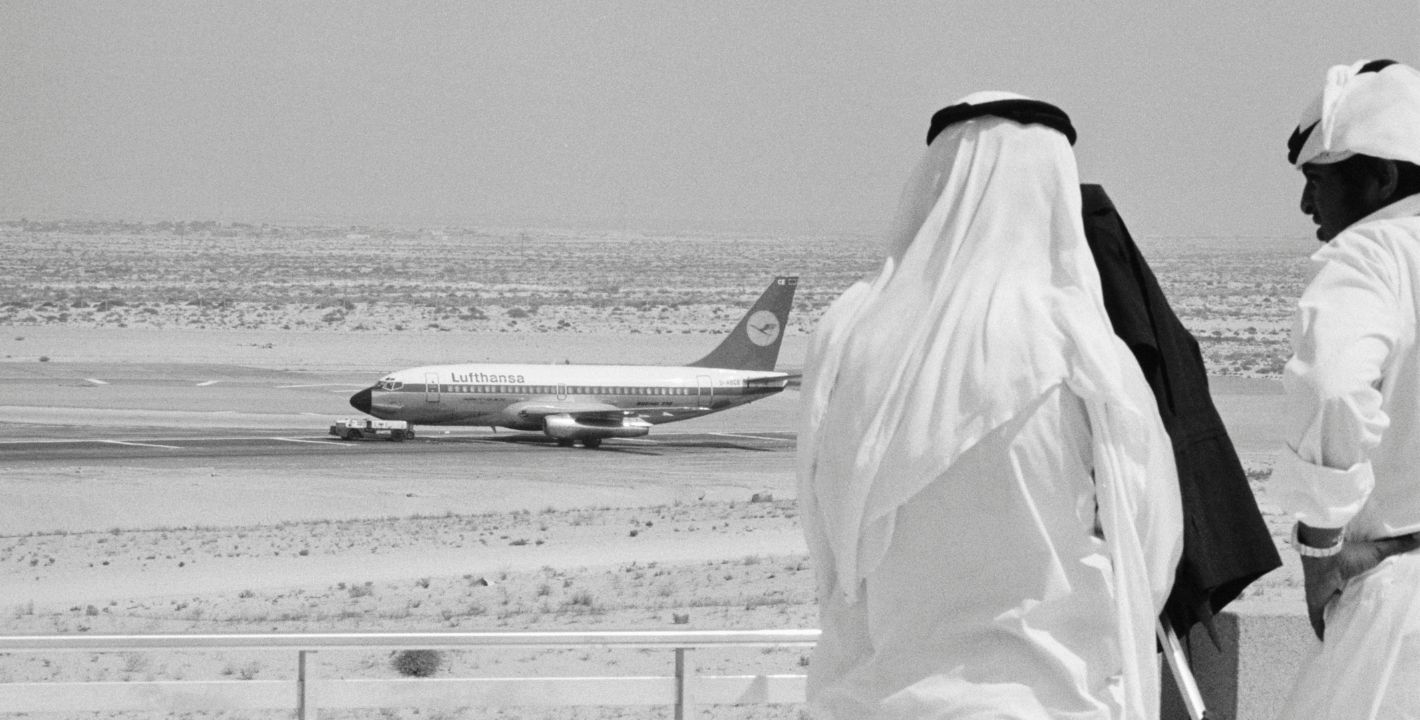
In an interview, Jason Burke discusses his sweeping account of the “revolutionists” who so shaped the 1970s and early 1980s.
Michael Young

The armed forces champion a form of capitalism that is generating revenue, but its reliance on rent faces diminishing returns, leaving the country with massive sunk costs and deferred returns, deepening dependency on external borrowing.

Yezid Sayigh
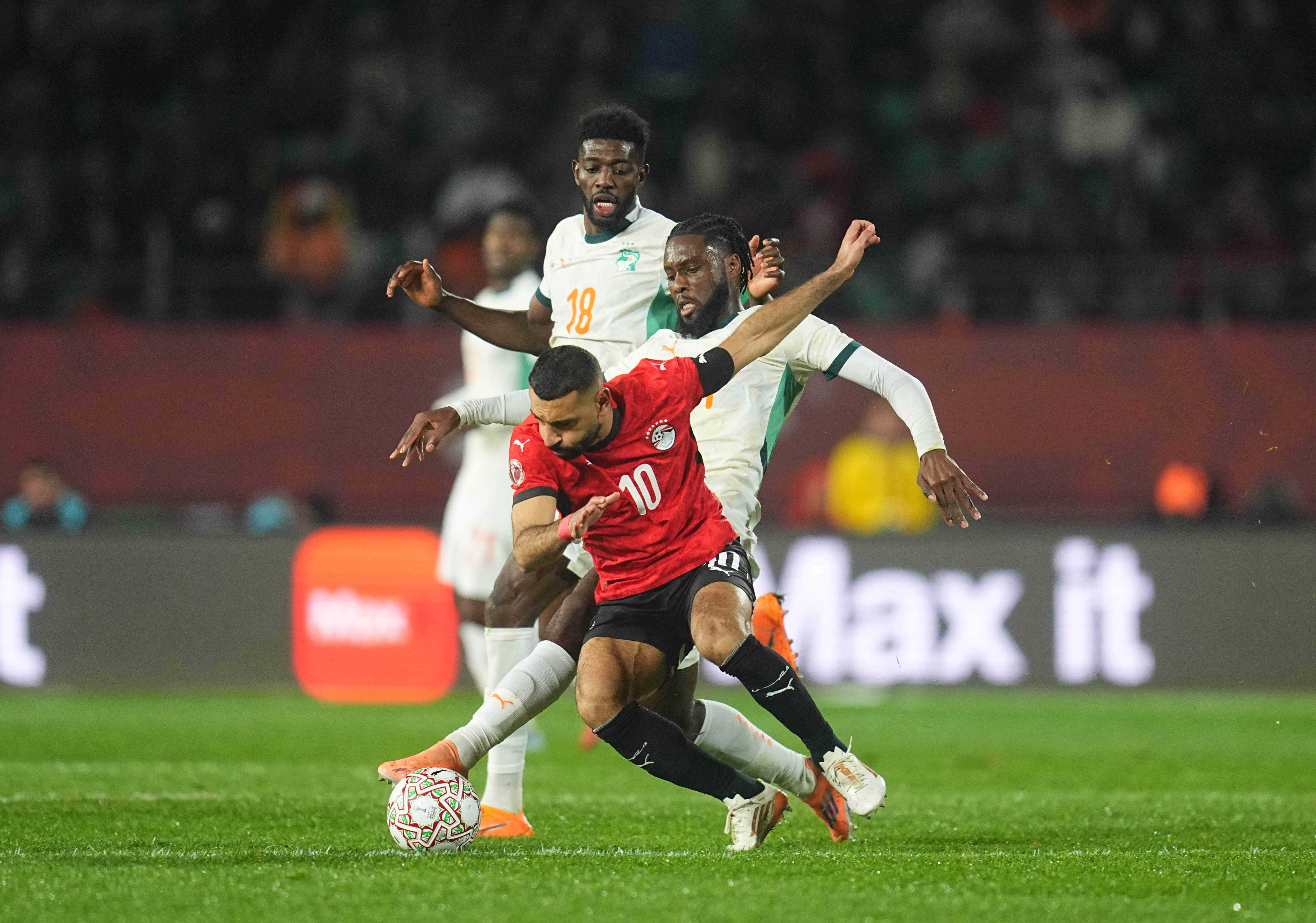
This will be the region’s most representative tournament, amid broad changes in its footballing landscape.

Issam Kayssi