

Article
Henri J. Barkey
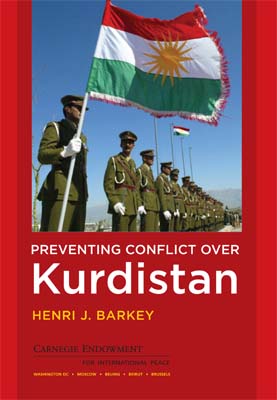
The invasion of Iraq has surfaced long-suppressed nationalist aspirations among the Kurds. If ignored or mishandled, Kurdish aspirations have the potential to ignite violence and instability in Iraq and the region.
The invasion of Iraq has surfaced long-suppressed nationalist aspirations among the Kurds, most notably the emergence of the federal Kurdistan Regional Government (KRG). If ignored or mishandled, Kurdish aspirations have the potential to ignite violence and instability in Iraq, as well as the region, at a particularly delicate time, a new report by the Carnegie Endowment concludes.
Henri Barkey calls for renewed attention to the Kurdish issue to prevent conflict and prescribes a fresh U.S. approach. The United States must move quickly—as American forces withdraw from Iraq, U.S. influence in the region will wane.
U.S. policy recommendations:
Barkey concludes:
“The United States has to take the lead, because it remains, despite its mistakes, the only power with the requisite capacities to cajole, convince, and pressure governments and groups to act. Left to their own devices, none of the parties has shown much ability to move forward, even if the right ideas and solutions are apparent, or sustain progress once achieved. The United States can approach matters with a broader outlook and vision concerning the linkages among the issues, attributes often missing in local parties.”

Former Visiting Scholar, Middle East Program
Barkey served as a member of the U.S. State Department Policy Planning Staff, working primarily on issues related to the Middle East, the Eastern Mediterranean, and intelligence from 1998 to 2000.
Recent Work
Henri J. Barkey
Henri J. Barkey
Carnegie does not take institutional positions on public policy issues; the views represented herein are those of the author(s) and do not necessarily reflect the views of Carnegie, its staff, or its trustees.
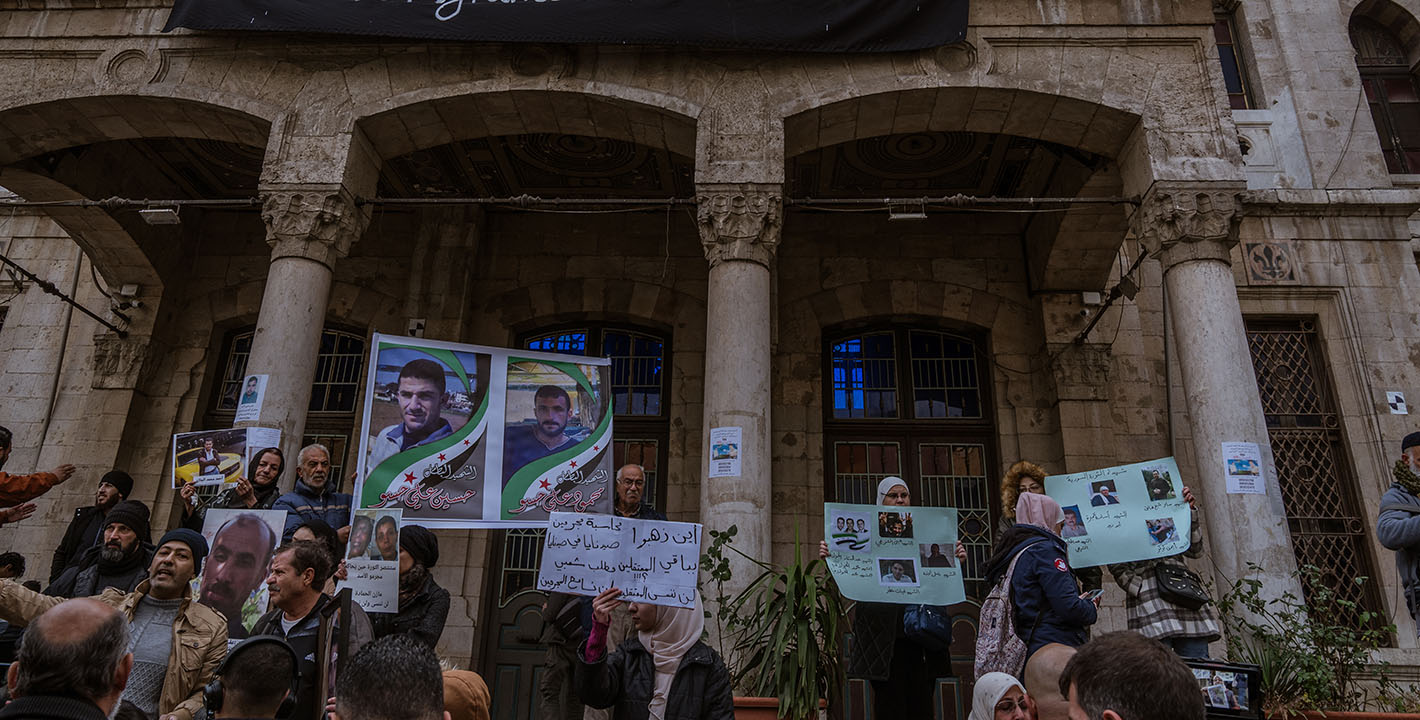
Reconciliation councils are emerging throughout the country to mediate in intracommunal disputes, many from the war years.
Natacha Danon

In an interview, Rozina Ali discusses her new book on the rise and manifestations of Islamophobia in the United States.

Michael Young
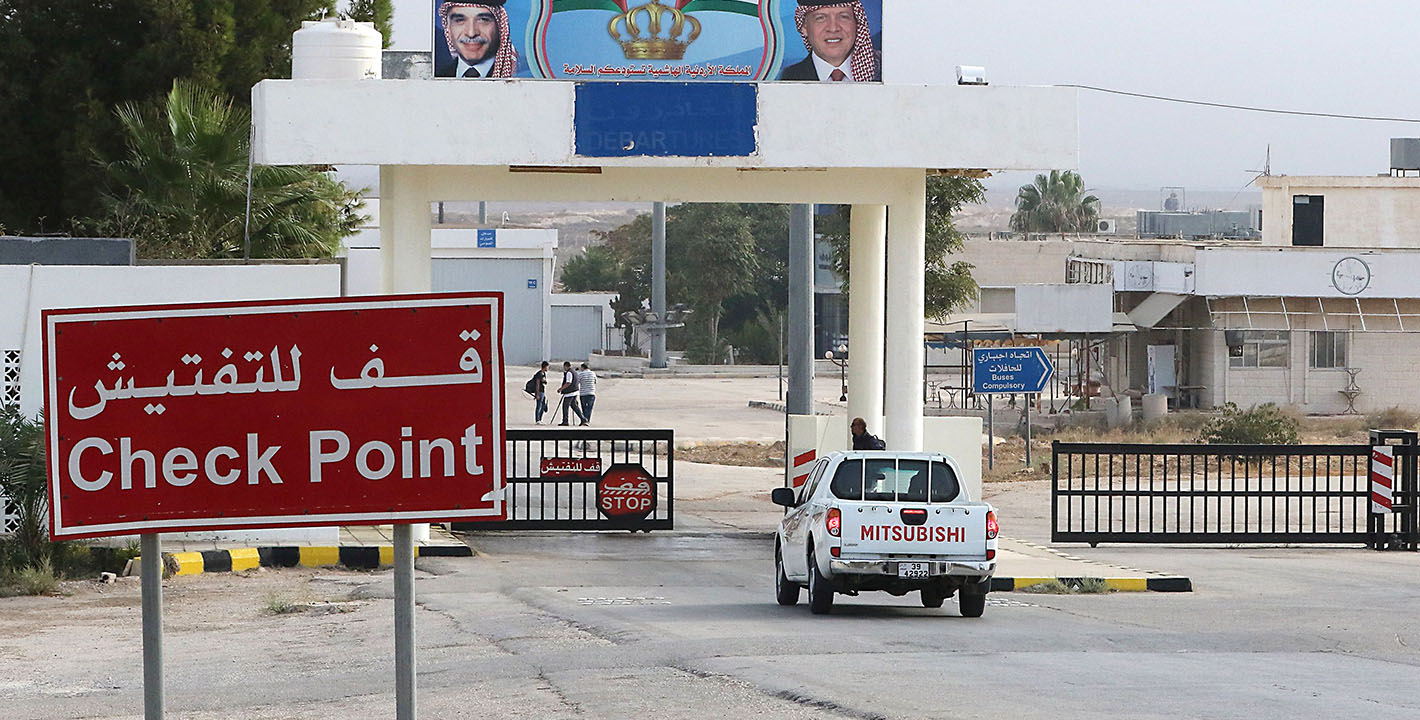
The civil war in Syria may have ended, but the country continues to serve as a source for the trafficking of illegal substances into and via Jordanian territory.


Armenak Tokmajyan, Laith Qerbaa
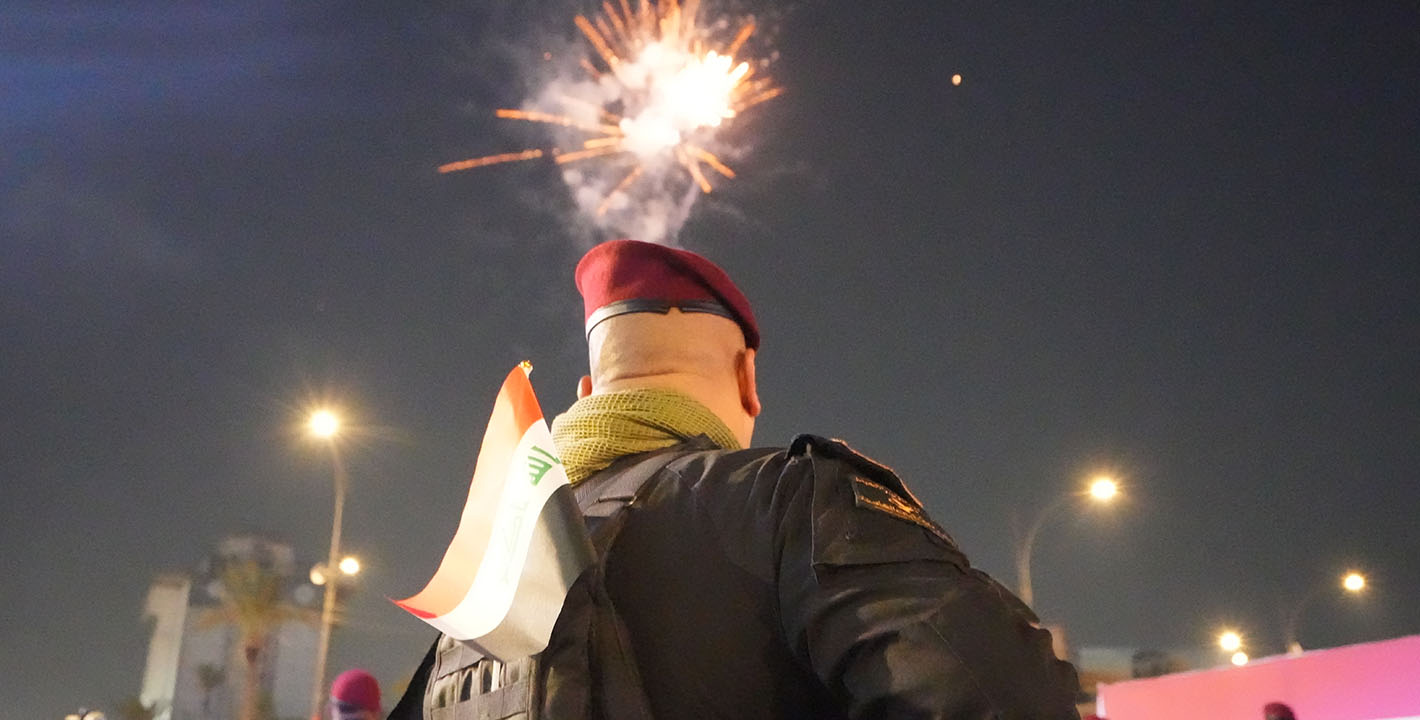
As the U.S.-led Coalition withdraws, the Kurds’ reliance on Baghdad, and on themselves, will only increase.
Wladimir van Wilgenburg

In an interview, Ian Lustick and Eli Clifton discuss their new book on why a prominent ally has so much influence in America.
Michael Young