

Commentary
Huawei pushed hard to enter the Egyptian data centers market, until the Americans made a better offer.
Angie Omar
Source: Getty
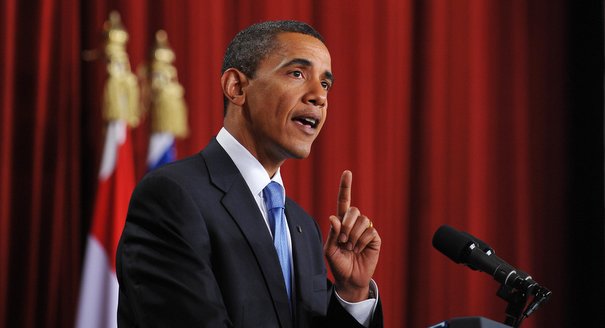
The Middle East greeted President Obama’s Cairo speech with enthusiasm, but many cautioned that words, though welcome and encouraging, must be matched by actions to mend the relationship. To explore the issues the Muslim world hopes the U.S. administration will address, the Carnegie Middle East Center in Beirut commissioned eight commentaries from prominent Arab writers and policy makers.
In December 2008, the Carnegie Middle East Center in Beirut and the Carnegie Endowment for International Peace in Washington solicited commentaries about the election of President Obama from a small number of Arab intellectuals and analysts. The commentaries revealed a complex picture. On the one hand, they showed great enthusiasm about Obama personally and about the fact that Americans had elected as president a member of a minority group that has only enjoyed full rights for a few decades. On the other hand, the commentaries revealed continued, deep skepticism that even the new, admired president would have the capacity to address successfully the burning issues of the region, above all the Palestinian–Israeli conflict. The commentaries also underlined profound differences in the ways issues are perceived in the United States and in the Arab world.
All commentaries are written by well known, respected intellectuals and researchers. And while the responsibility for each commentary ultimately is the author’s alone, we believe that they all denote views and approaches that are widespread in the region and thus deserve attention.
We have decided to publish all the commentaries that were submitted to us, regardless of the authors’ political and ideological inclinations. All commentaries are written by well known, respected intellectuals and researchers. And while the responsibility for each commentary ultimately is the author’s alone, we believe that they all denote views and approaches that are widespread in the region and thus deserve attention.

Director, Middle East Program
Amr Hamzawy is a senior fellow and the director of the Carnegie Middle East Program. His research and writings focus on Egypt’s and other middle powers’ involvement in regional security in the Middle East, particularly through collective diplomacy and multilateral conflict resolution
Former Senior Associate, Middle East Program
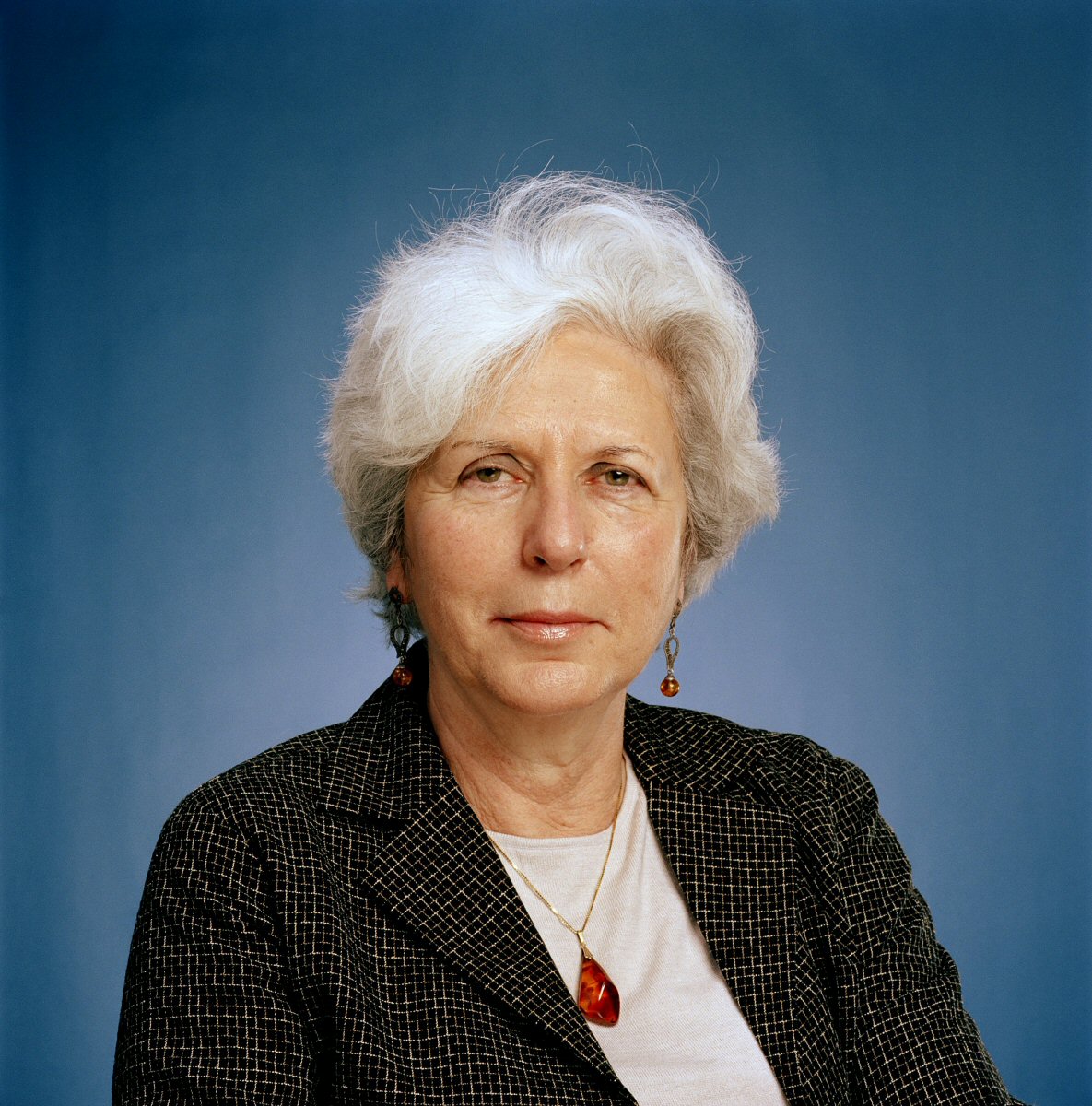
Before joining the Endowment, Ottaway carried out research in Africa and in the Middle East for many years and taught at the University of Addis Ababa, the University of Zambia, the American University in Cairo, and the University of the Witwatersrand in South Africa.
Farah Choucair
Adriana Qubaia
Former Research Assistant, Middle East Program
Carnegie does not take institutional positions on public policy issues; the views represented herein are those of the author(s) and do not necessarily reflect the views of Carnegie, its staff, or its trustees.

Huawei pushed hard to enter the Egyptian data centers market, until the Americans made a better offer.

Angie Omar

Middle Eastern states should welcome an accelerated U.S. disengagement from their region.

Michael Young

In an interview, former ambassador Charles Freeman assesses the Trump administration’s war against Iran.
Michael Young

The accord represents a pivotal moment in the region to avert a security vacuum in the Gulf.


Azeema Cheema, Mohanad Hage Ali

In an interview, Jason Burke discusses his sweeping account of the “revolutionists” who so shaped the 1970s and early 1980s.
Michael Young