

Paper
Paul Salem
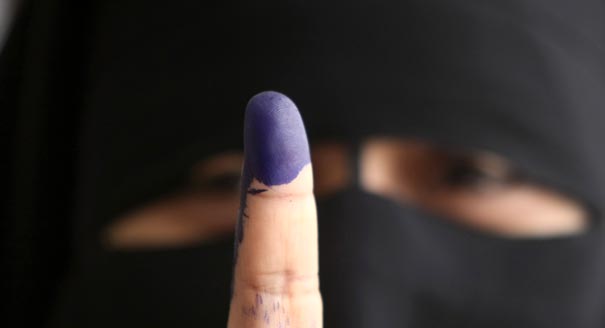
Source: Getty
Although full democracy in the Arab world remains a distant goal, broader participation in the political process, with a marked effect on human development, can be achieved.
Good governance is key to improving peoples’ lives; but the Arab world falls short on many governance indicators. Most Arab states remain highly authoritarian, although there is a growing dynamism in civil society and among opposition parties, both secular and Islamist. Problems in governance have impeded development in the Arab world and limited the achievement of the Millennium Development Goals.
There are strong historical causes for the current state of governance in the Arab world. Nevertheless, progress has been made in limited but significant ways. This should be reinforced by strengthening civil society, reinforcing electoral progress, supporting parliaments and the judiciary, enhancing local government, improving governance performance, and empowering women. The international community should play an important role in this process.
Although full democracy in the Arab world is a distant goal, broader participation in the political process, with a marked effect on human development, can be achieved.
Senior Fellow at the Middle East Institute
Paul Salem is a senior fellow at the Middle East Institute.
Recent Work
Paul Salem
Paul Salem
Carnegie does not take institutional positions on public policy issues; the views represented herein are those of the author(s) and do not necessarily reflect the views of Carnegie, its staff, or its trustees.
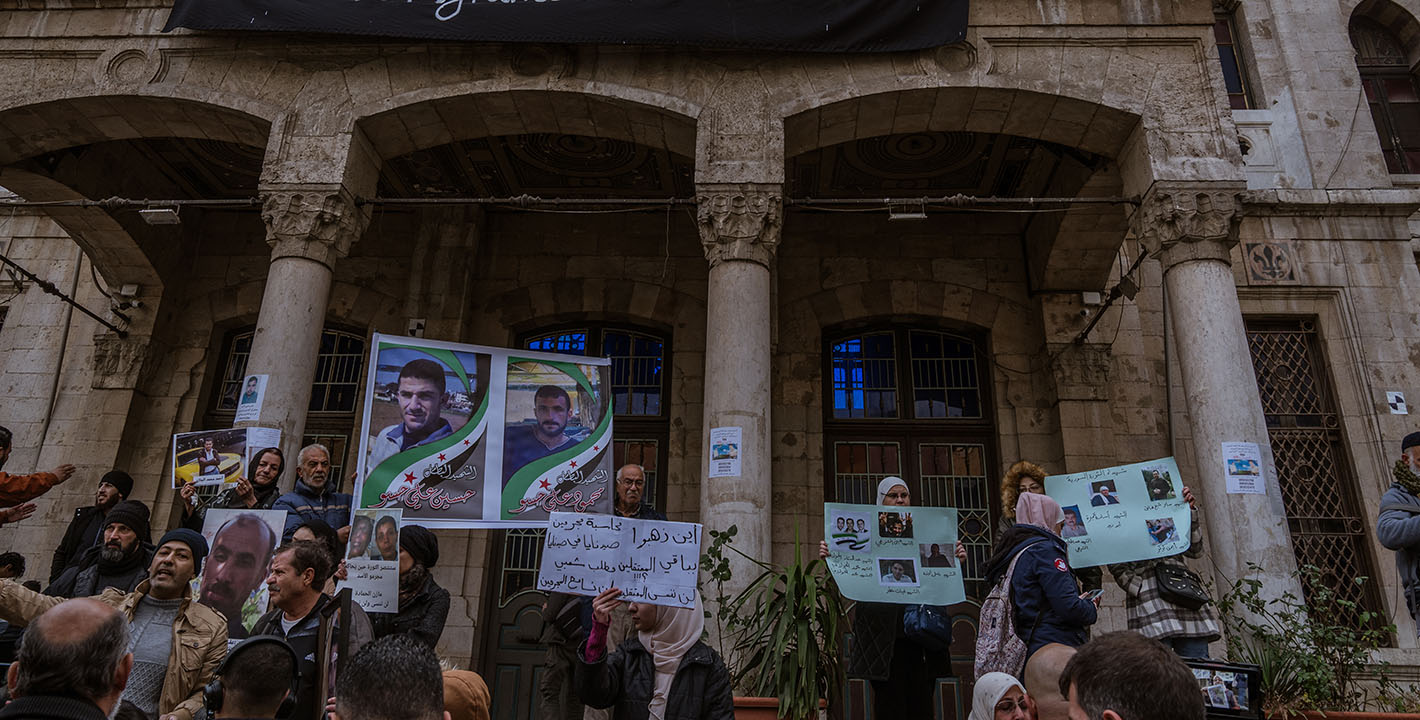
Reconciliation councils are emerging throughout the country to mediate in intracommunal disputes, many from the war years.
Natacha Danon
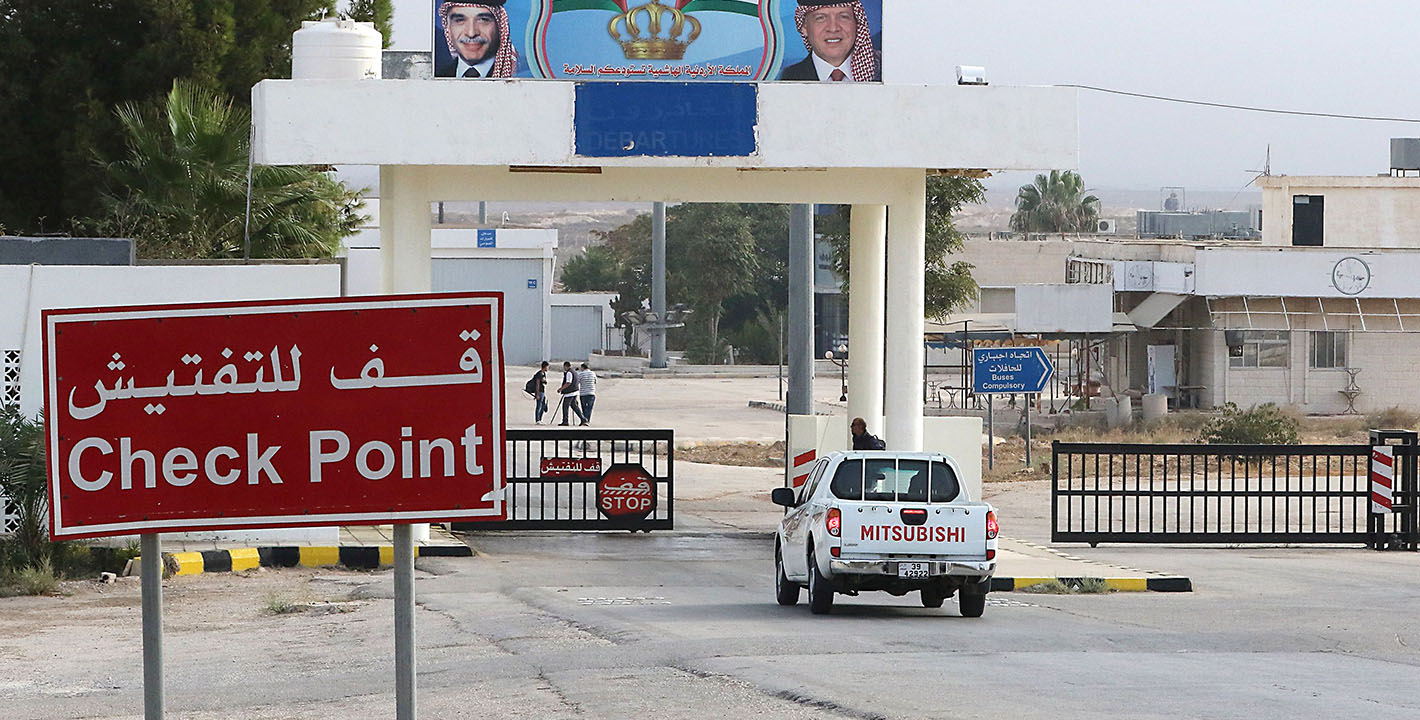
The civil war in Syria may have ended, but the country continues to serve as a source for the trafficking of illegal substances into and via Jordanian territory.


Armenak Tokmajyan, Laith Qerbaa
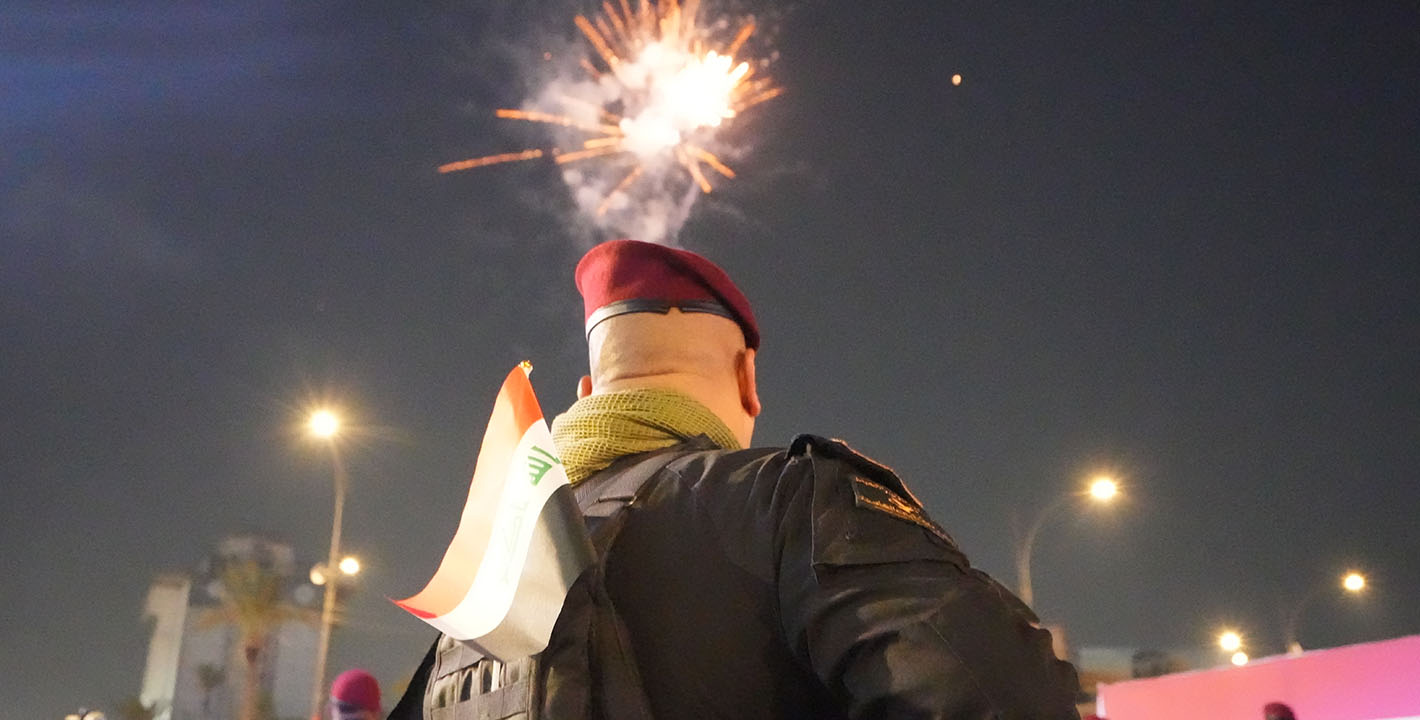
As the U.S.-led Coalition withdraws, the Kurds’ reliance on Baghdad, and on themselves, will only increase.
Wladimir van Wilgenburg

As the U.S. stumbles in its war with Iran, we are likely to see an acceleration of its disengagement from the region.

Michael Young

The Zaidi government’s objective to collect weapons is constrained by regional conflict, but it can take certain measures at home.
Ali Al-Mawlawi