

Commentary
- +2
Memduh Karakullukçu, Dmitri Trenin, Ümit Pamir, …

REQUIRED IMAGE
Russia, the world’s largest oil producer, is vigorously promoting the development of new outlets for oil exports, an initiative that will have considerable policy and economic implications for Eastern and Central Europe and even the United States.
Russia, the world’s largest oil producer, is vigorously promoting the development of new outlets for oil exports. While the recent launch of a long-awaited cross-border oil pipeline between Russia and China has received most of the publicity, it is a part of a much larger Russian initiative aimed at developing new oil export infrastructure in almost every possible direction: Asia, the Baltic Sea region, the Black Sea region, and the Arctic. This export strategy will have considerable policy and economic implications for Eastern and Central Europe and even the United States.
There are questions, however, about Russia’s need for all these projects. Bottlenecks in reaching foreign markets did justify building new export infrastructure during the past decade, but they are no longer an issue. Furthermore, the growth in Russia’s oil output has slowed down considerably in the past five years, and it is widely assumed that the prospects for substantial growth in the future are weak.
Unless Russia undertakes a monumental task in energy conservation in its transport sector and achieves a major breakthrough in oil field development, the potential to further expand crude oil exports above current volumes remains limited. Some room for additional crude exports could emerge if Russia exported fewer refined products and more crude oil, but this would require abandoning a long-standing government strategy of promoting valueadded exports. This raises several critical questions: What drives Russia’s efforts to add new export capacity? Is its policy economically rational? What are the broader strategic benefits?
In reality, the economic rationale for Russia’s drive for new export outlets is limited. Individual projects may provide some financial benefits, but when analyzing both the country’s geology and economics it’s clear that Russia will have more export pipelines than it needs. Parts of its oil export network will have to remain either underutilized or rely on oil from the Caspian countries, particularly Kazakhstan. Absent an assurance for crude deliveries from Kazakh sources, Moscow’s policy will be a costly one as it will further raise the costs of operations for Russia’s oil sector.
Yet, Moscow perceives substantial strategic gains in pursuing its policy. Each of its new oil export projects is likely to bring rewards ranging from positioning Russia as a strategic energy partner with China to gaining additional leverage when dealing with oil transit countries and Caspian producers. Additionally, some of Russia’s efforts to negotiate oil projects are part of a larger energy bargain— they often support Moscow’s objective of acquiring a leading role not only in oil markets, but also in gas markets and the export of nuclear power technology.
Russia’s oil export strategy has significant implications. Importers of Russian oil in Eastern and Central Europe and current transit countries will feel the heat of Russia’s growing ability to redirect its oil supplies to new destinations. Several prospective transit countries will also face significant choices while negotiating a more comprehensive energy deal with Russia. Kazakh oil producers are likely to emerge increasingly dependent on Moscow on issues related to moving oil through Russian pipelines.
The United States may start receiving more crude oil from Russia, but this will not address the energy security concerns associated with its dependence on oil imports from unstable regions. Instead, Russia’s oil export strategy could have significant repercussions for U.S. interests—indirectly—through Washington’s allies in Europe.
As Russia expands its oil export network and the future destination of its oil exports becomes increasingly uncertain, Washington needs to promote transparency, stability, and predictability. These goals could be advanced through active diplomacy in three specific areas:

Former Senior Associate, Energy and Climate Program
Vatansever was a senior associate in the Energy and Climate Program where he specializes in the energy sectors of the former Soviet republics and Eastern Europe.
Recent Work
Memduh Karakullukçu, Dmitri Trenin, Ümit Pamir, …
Adnan Vatansever, Анна Корппоо
Carnegie does not take institutional positions on public policy issues; the views represented herein are those of the author(s) and do not necessarily reflect the views of Carnegie, its staff, or its trustees.

By failing to address Palestinian representation, the current process is bound to lead to just another temporary arrangement.

Nathan J. Brown
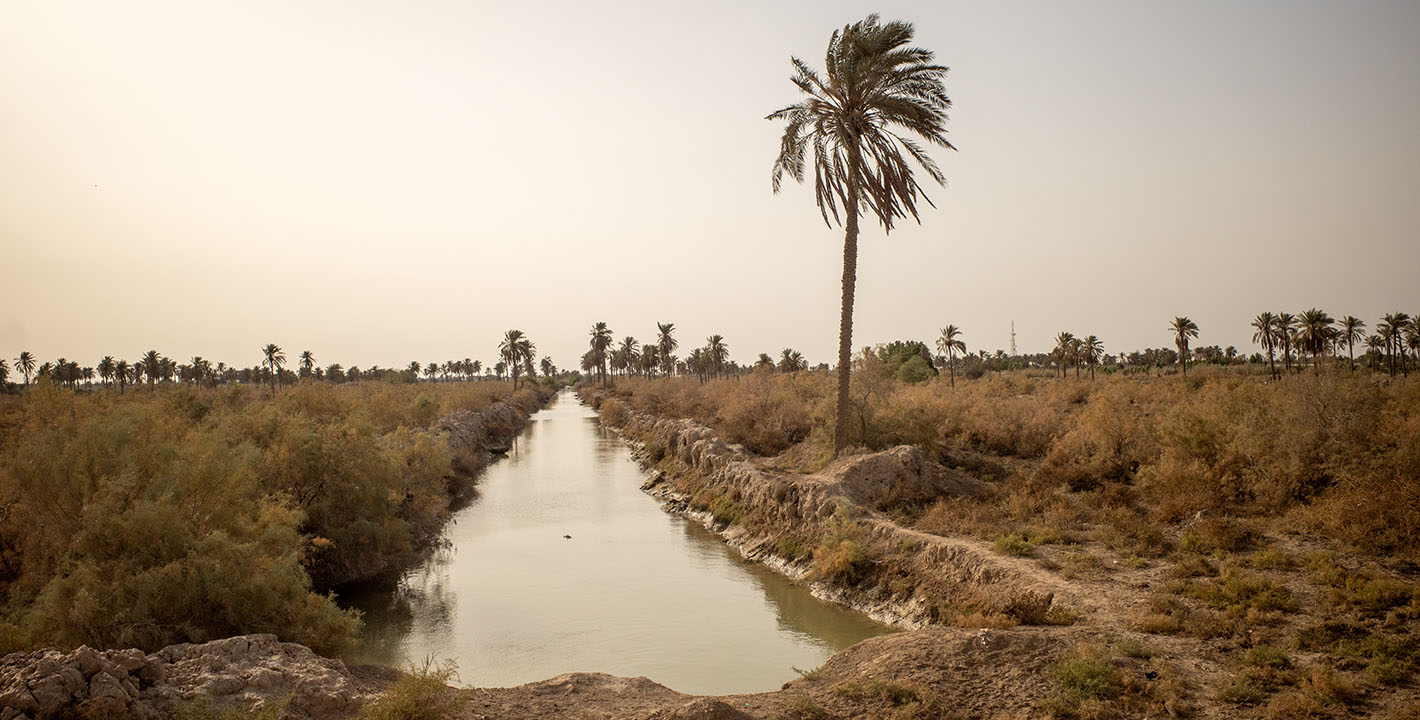
Across the Middle East and North Africa, climate stress interacts with economic fragility, governance failures, social marginalization, and conflict.

Camille Ammoun
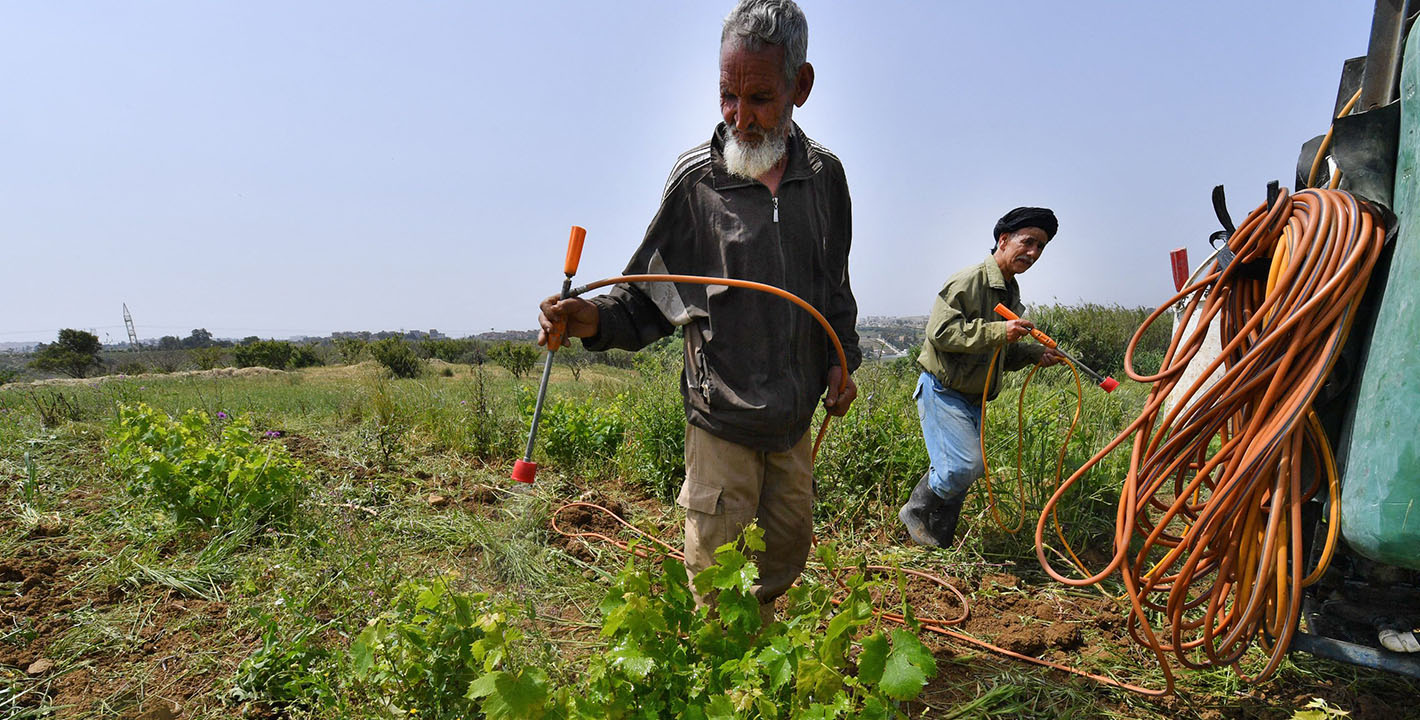
Understanding how farmers in the Oued Sahel-Soummam Valley grapple with climate change is essential for addressing the paradoxes through which adaptation, operating at both individual and institutional levels, deepens the region’s vulnerability and erodes the social fabric and agrarian identity that once defined life.

Ilyssa Yahmi
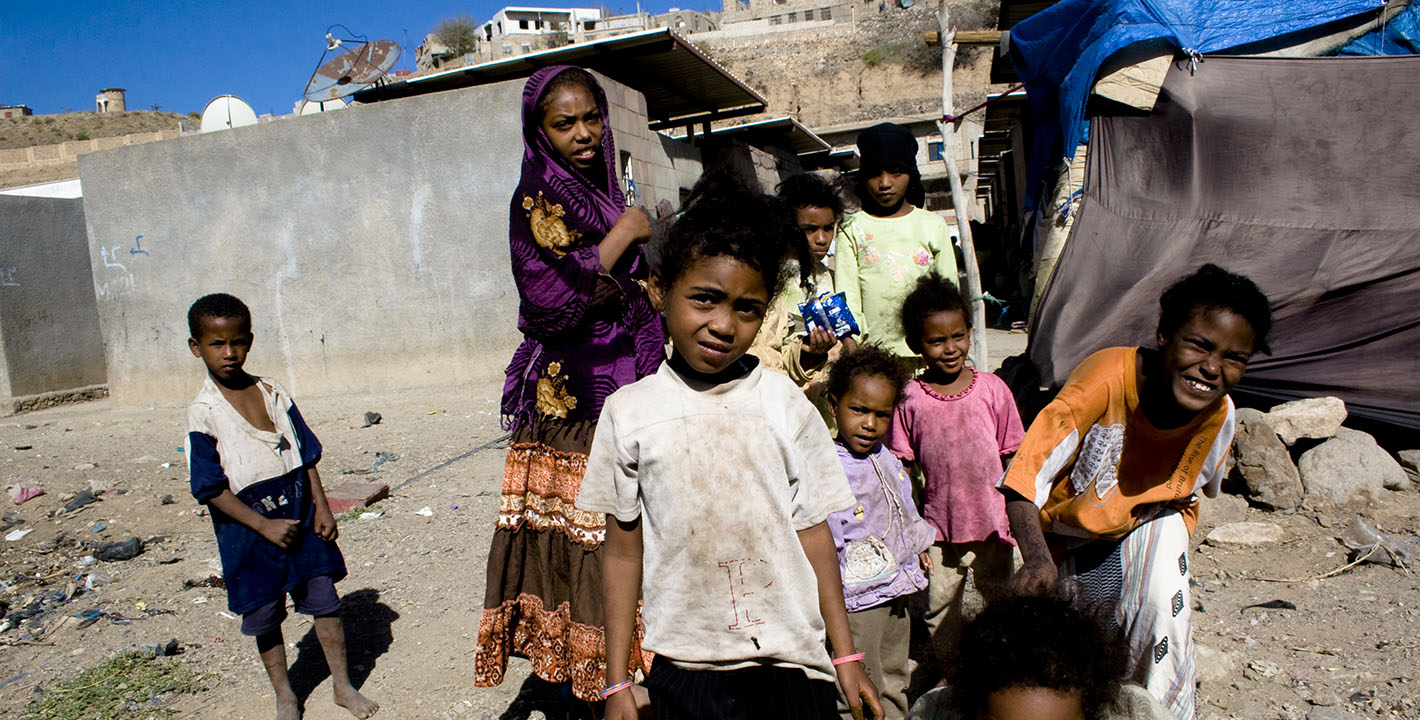
The community already suffers social discrimination, so addressing inequalities requires sustained interventions.
Musaed Aklan , Mohammad Al-Saidi
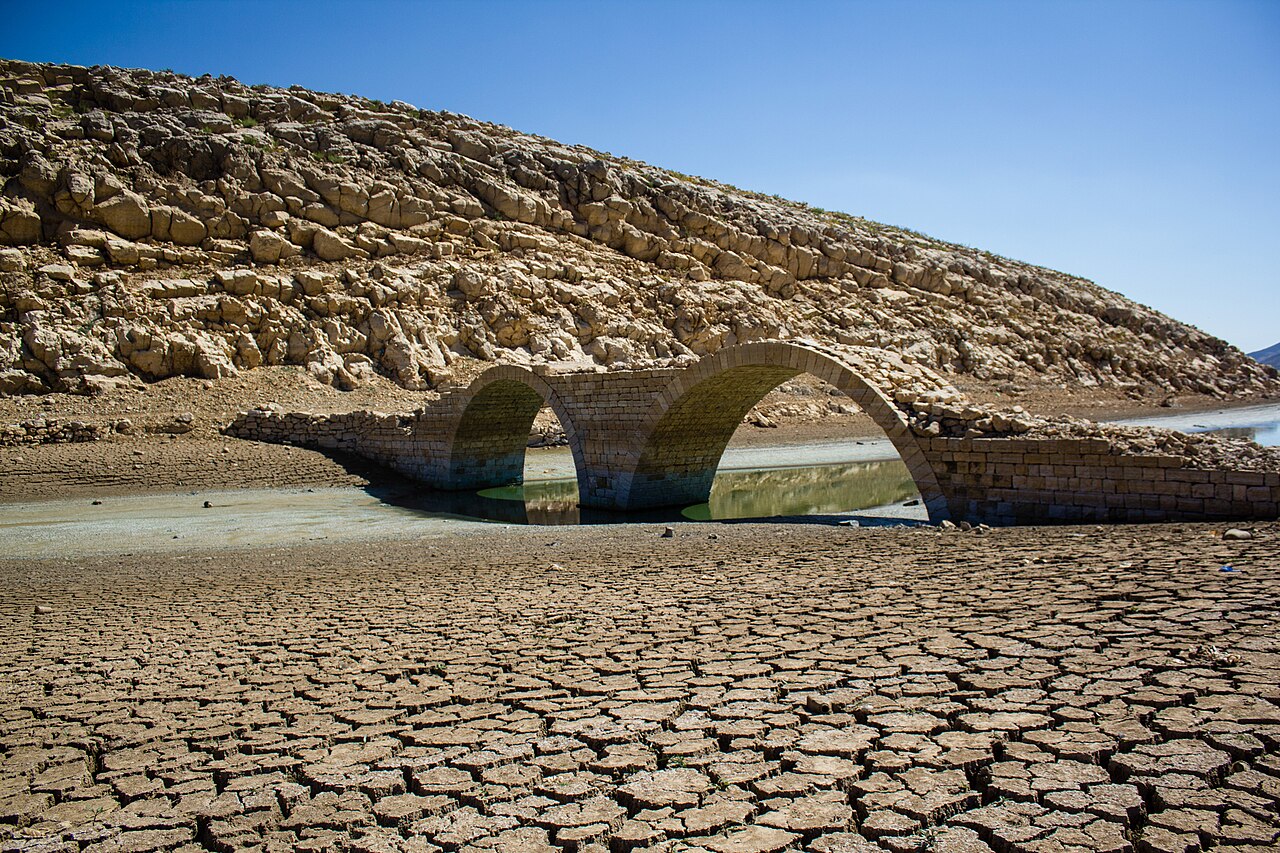
Lebanon’s largest water reservoir is a house of many mansions when it comes to converging failures.
Camille Ammoun