

Paper
Ashley J. Tellis
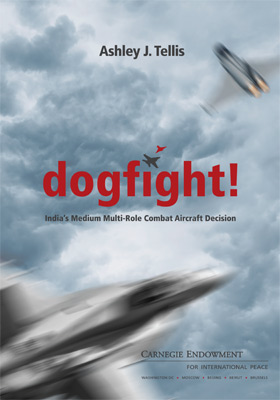
India’s new medium multi-role combat aircraft will play an essential role in India’s transformation from a regional power to a global giant and the company awarded the contract to build the fighter will gain an important toehold in a lucrative market.
The Indian air force (IAF) is entering the final stages of selecting a new medium multi-role combat aircraft (MMRCA). At a cost of about $10 billion for 126 aircraft, the MMRCA competition is the largest Indian fighter tender in years. Eight countries and six companies eagerly await the outcome of the selection process, which has garnered high-profile attention for its sheer size, its international political implications, and its impact on the viability of key aircraft manufacturers. Furthermore, the winner will obtain a long and lucrative association with a rising power and secure a toehold into other parts of India’s rapidly modernizing strategic industries. Once selected, the aircraft will play an essential role in India’s military modernization as the country transitions from a regional power to a global giant.
The MMRCA competition comes as challenges to India’s national security are increasing in intensity and complexity. Ever since the 1971 war, India’s defense strategy has relied on maintaining superior airpower relative to both China and Pakistan. In the event of a regional conflict, Indian air power would serve as the country’s critical war-fighting instrument of first resort. Due to delays in its defense procurement process as well as accidents and retirements of older fighter aircraft, however, India’s force levels have reached an all-time low of 29 squadrons, and the IAF is not expected to reach the currently authorized force levels of 39.5 squadrons before 2017. This growing and dangerous hole in the IAF’s capabilities comes as India’s neighbors are aggressively modernizing their own air forces, making India’s need to expand its combat aircraft inventories all the more urgent.
In choosing an aircraft, the government of India must employ a speedy decision process that is focused on the right metrics, taking both technical and political considerations into account. The IAF has already evaluated the six MMRCA competitors against 660 technical benchmarks and has provided its recommendations to the Ministry of Defense. While the IAF has paid special attention to the fighters’ sensors and avionics, weapons, aerodynamic effectiveness, and mission performance, India’s civilian security managers are certain to emphasize technology transfer as well as costs when making their decision. In fact, the winning aircraft for the IAF ought to be chosen on the triangular criteria of technical merit, relative cost, and optimal fit within the IAF’s evolving force architecture.
Political considerations, however, will be key in the selection process. In choosing the winning platform, Indian policy makers will seek to: minimize the country’s vulnerability to supply cutoffs in wartime, improve its larger military capacity through a substantial technology infusion, and forge new transformative geopolitical partnerships that promise to accelerate the growth of Indian power globally. While Indian leaders may be tempted to split the purchase among vendors to please more than one country, doing so would needlessly saddle the IAF with multiple airframes in return for meager political gains.
Given the technical and political considerations, New Delhi should conclude the MMRCA competition expeditiously, avoid splitting the purchase between competitors, and buy the “best” aircraft to help India to effectively prepare for possible conflict in Southern Asia. Because of the dramatic transformations in combat aviation technology currently underway, the Indian government should select the least expensive, mature, combat-proven fourth-generation fighter for the IAF as a bridge toward procuring more advanced stealth aircraft in the future.
Under this criterion, the European aircraft are technically superb, but the U.S. entrants prove to be formidable “best buys.” If Washington wants an American aircraft to win the game, however, it will need to offer generous terms on the transfer of technology, assure India access to fifth-generation U.S. combat aircraft, and provide strong support for India’s strategic ambitions—to counter the perception that the older U.S. designs in the MMRCA race are less combat effective.
In making its decision, India’s government must keep the IAF’s interests consistently front and center to ensure that its ultimate choice of aircraft is the best one for the service. This will not only help India to strengthen its combat capabilities in the coming years but position it as a rising global power worthy of respect far into the future.
Former Senior Fellow
Ashley J. Tellis was a senior fellow at the Carnegie Endowment for International Peace.
Recent Work
Ashley J. Tellis
Ashley J. Tellis
Carnegie does not take institutional positions on public policy issues; the views represented herein are those of the author(s) and do not necessarily reflect the views of Carnegie, its staff, or its trustees.

The armed forces champion a form of capitalism that is generating revenue, but its reliance on rent faces diminishing returns, leaving the country with massive sunk costs and deferred returns, deepening dependency on external borrowing.

Yezid Sayigh

Just look at Iraq in 1991.

Marwan Muasher

Baku may allow radical nationalists to publicly discuss “reunification” with Azeri Iranians, but the president and key officials prefer not to comment publicly on the protests in Iran.

Bashir Kitachaev
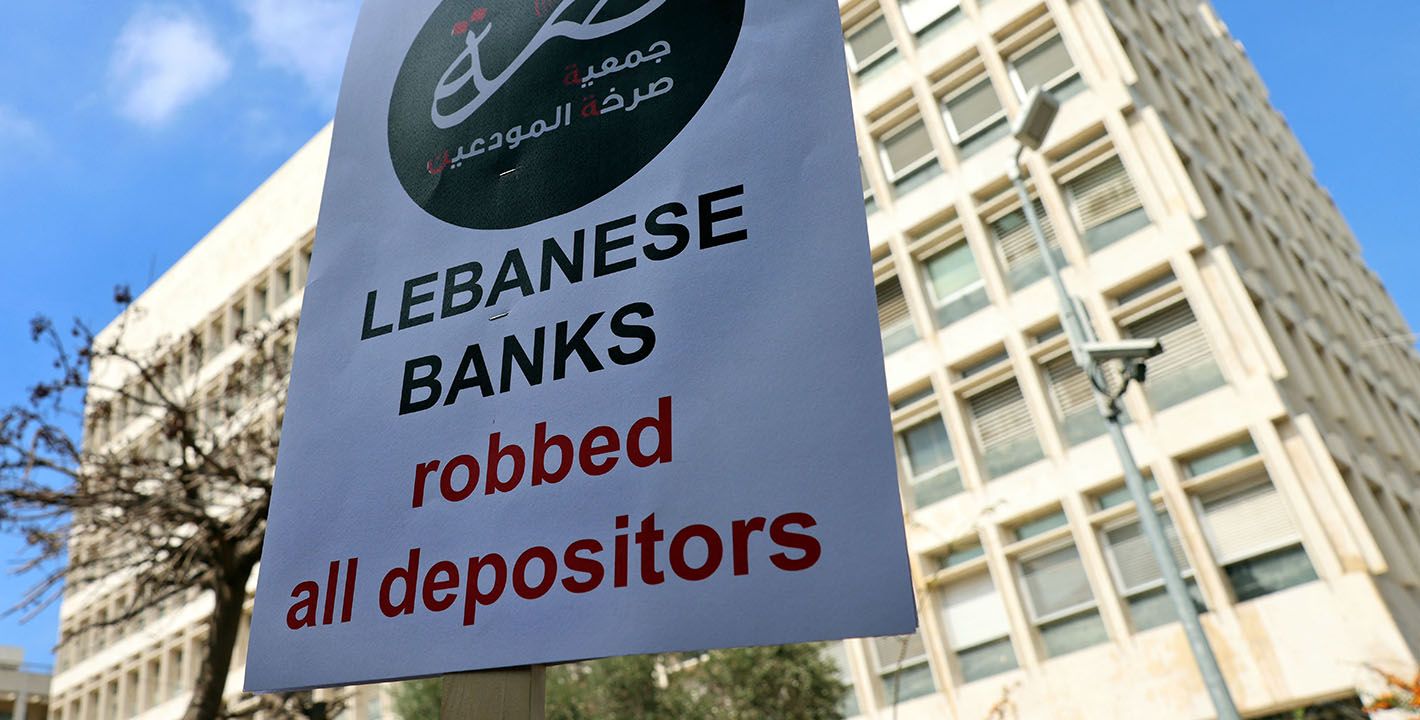
In an interview, Ishac Diwan looks at the merits and flaws in the draft legislation distributing losses from the financial collapse.

Michael Young
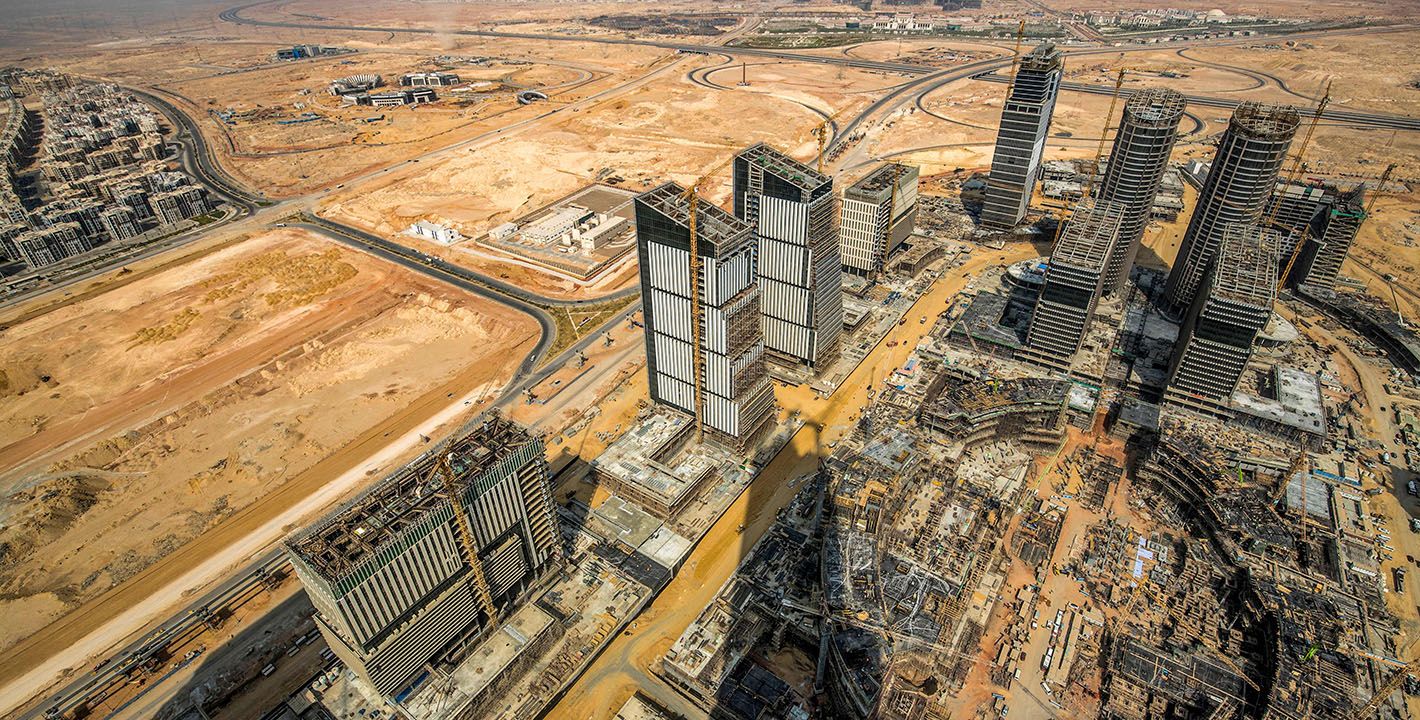
Mustaqbal Misr has expanded its portfolio with remarkable speed, but a lack of transparency remains.
Yezid Sayigh