

Commentary
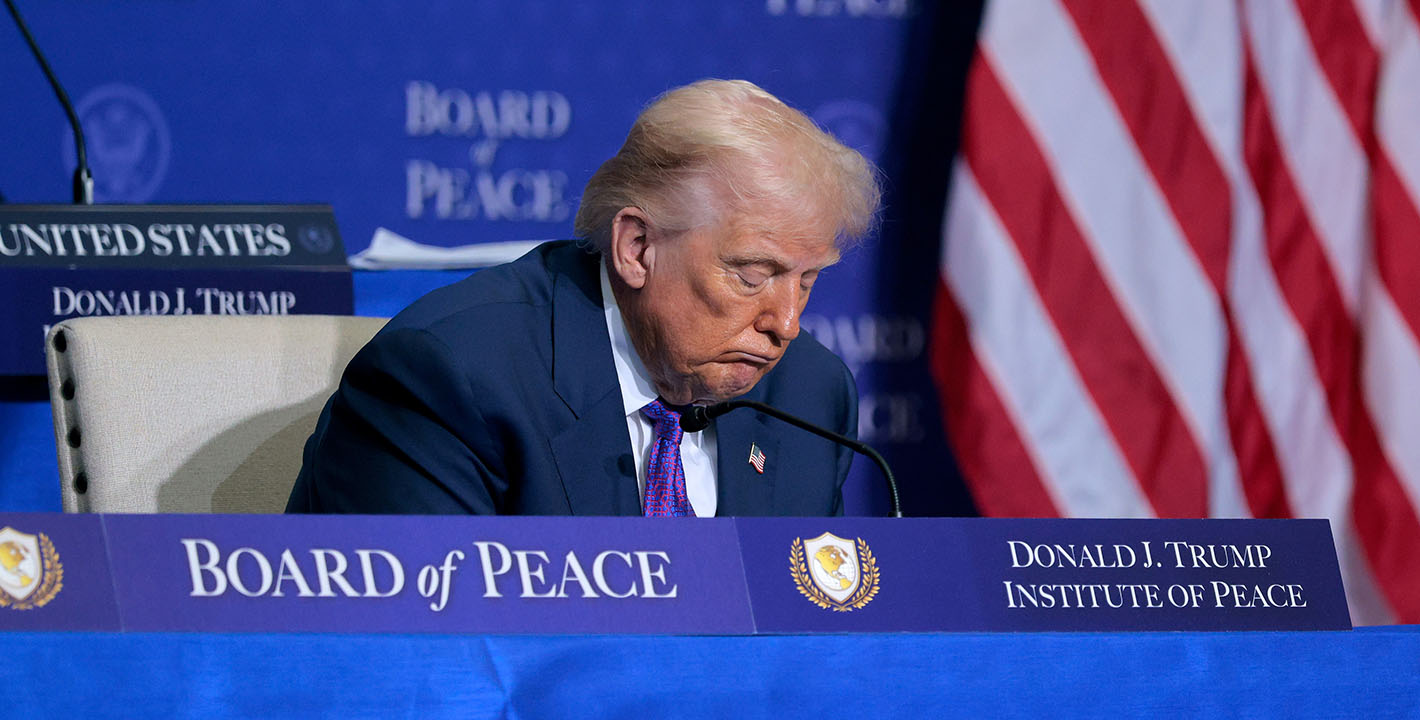
By failing to address Palestinian representation, the current process is bound to lead to just another temporary arrangement.
Nathan J. Brown
Source: Getty
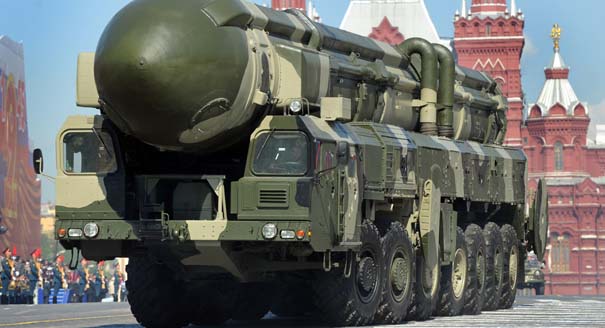
While nuclear arms control is enjoying a renaissance of late, whether that momentum dissipates or leads to further agreements will require a painstaking effort by U.S. and Russian diplomats and experts to move past Cold War prejudices and the mistakes and misunderstandings of the post-Cold War era.
The pursuit of nuclear arms control has enjoyed something of a renaissance recently, with the signing of the New Strategic Arms Reduction Treaty (New START) in spring 2010 in Prague. Whether that momentum will dissipate after New START or lead to further nuclear arms control agreements depends on several factors:
Working through these complicated factors will require painstaking effort by U.S. and Russian diplomats and experts. They will have to move past not just Cold War habits and prejudices but also the mistakes and misunderstandings of the past two decades of post–Cold War history. Commitment to this task will determine whether New START goes down in history as a mere gambit or as the first step of an endgame for U.S.-Russian security competition.

Alexey Arbatov
Alexey Arbatov is the head of the Center for International Security at the Primakov National Research Institute of World Economy and International Relations.
Carnegie does not take institutional positions on public policy issues; the views represented herein are those of the author(s) and do not necessarily reflect the views of Carnegie, its staff, or its trustees.

By failing to address Palestinian representation, the current process is bound to lead to just another temporary arrangement.

Nathan J. Brown

Morocco and Algeria, each in its own way, are having to navigate the global economic fallout of the U.S.-Israeli military campaign against Iran.

Yasmine Zarhloule
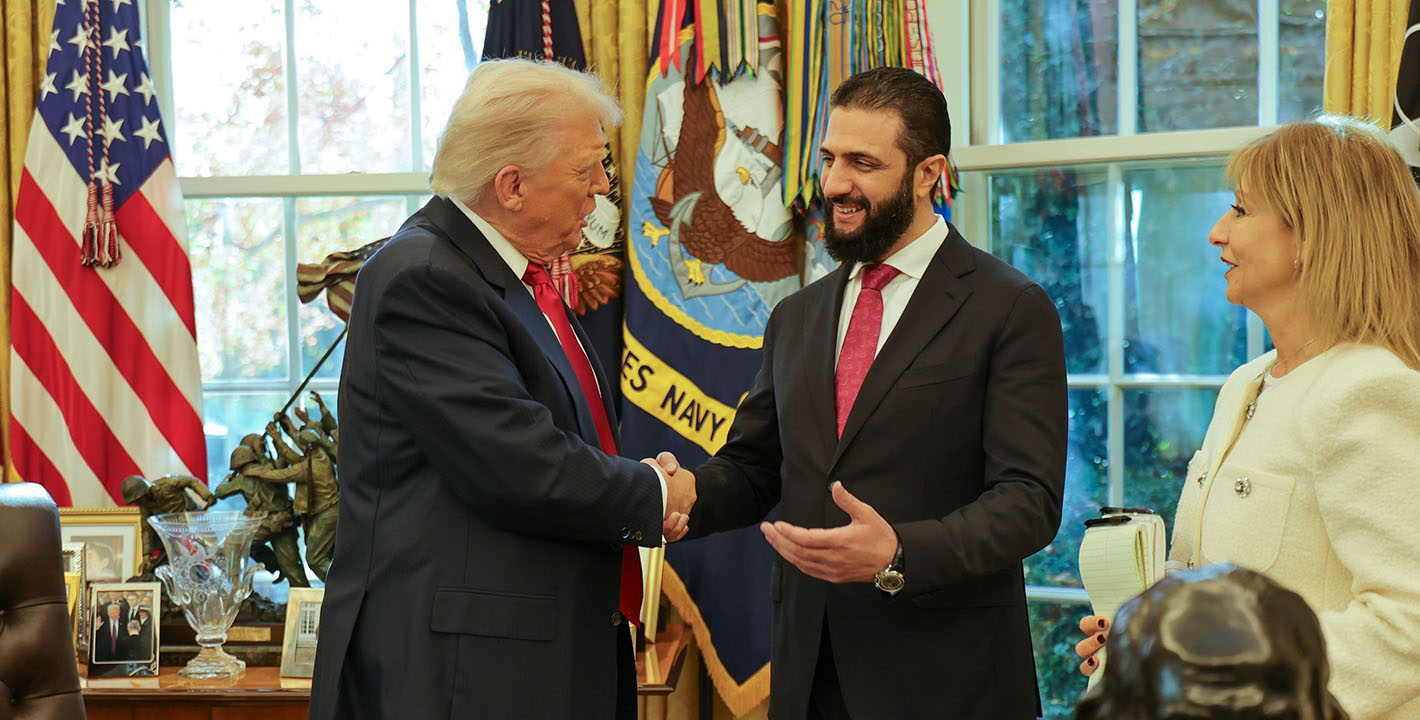
Any move by the United States to make good on Trump’s suggestion that Washington persuade Damascus to confront Hezbollah militarily would have catastrophic consequences.
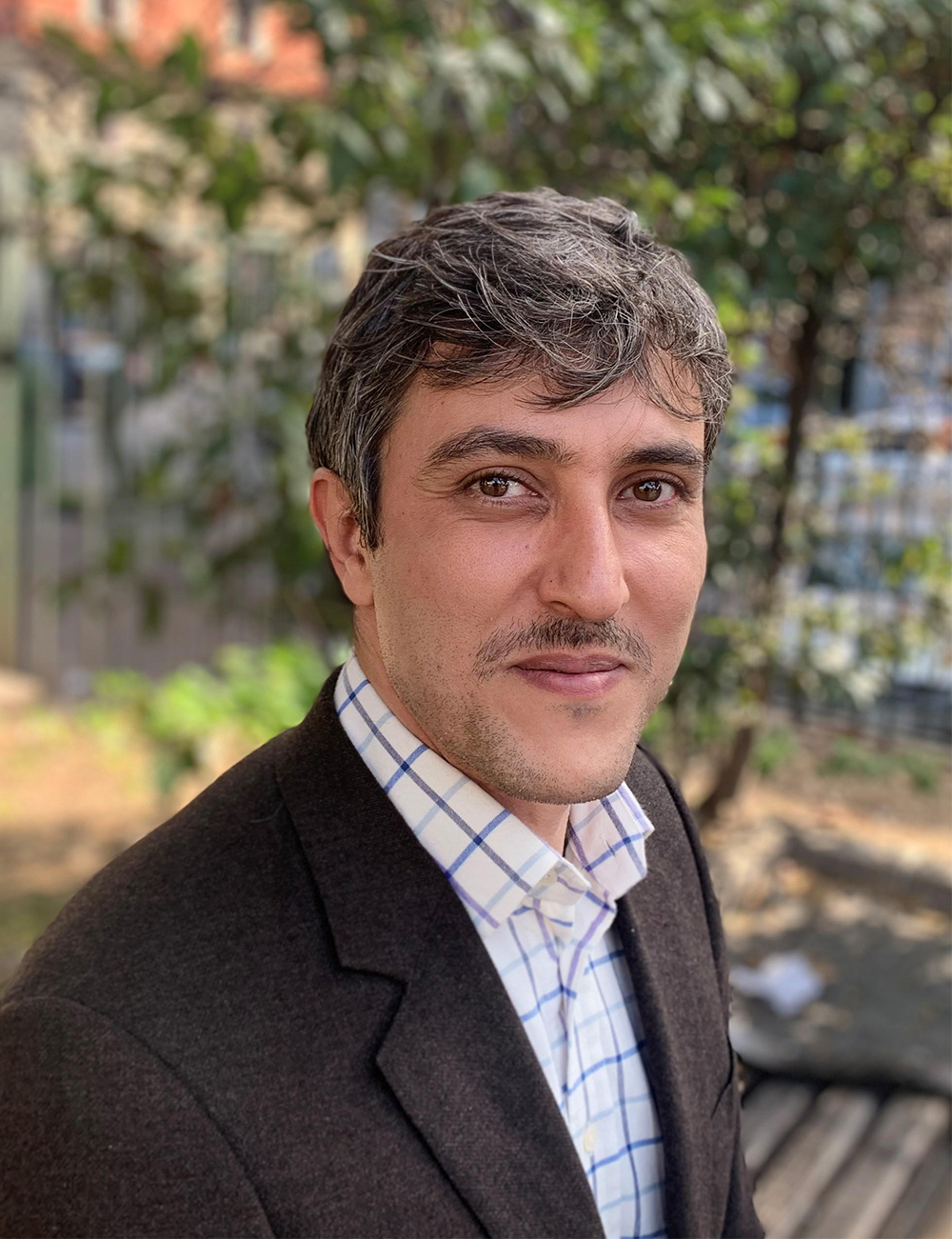
Kheder Khaddour
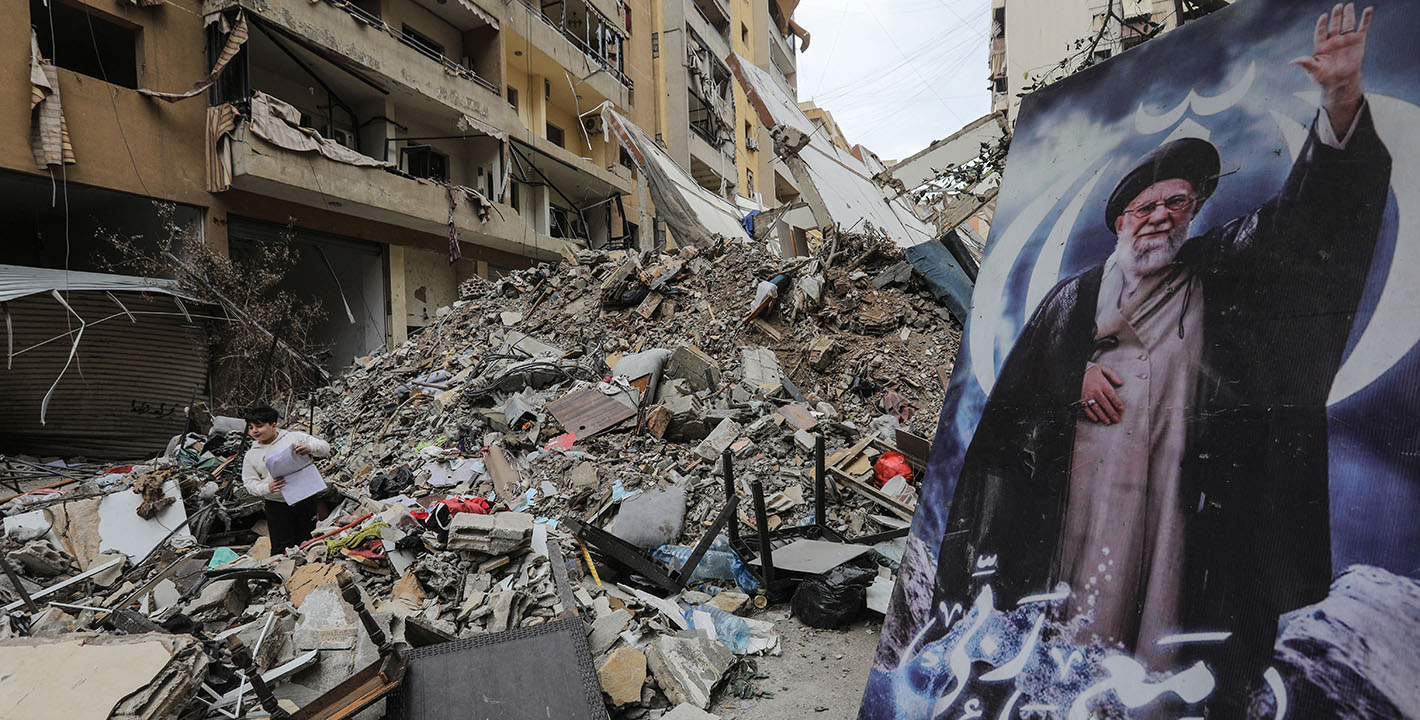
As talks begin between Washington and Tehran, Beirut has an opening to advance a regional plan for the party’s disarmament.

Michael Young
What is behind Marco Rubio’s announcement that the body is now an international nongovernmental organization?
Zaha Hassan