

Commentary
By failing to address Palestinian representation, the current process is bound to lead to just another temporary arrangement.
Nathan J. Brown

Russia is the world’s biggest hydrocarbon producer, and China is one of the world’s largest and fastest-growing energy markets. The two are neighbors, yet their energy relationship is very thin. Instead, they compete for vast and largely unexplored Central Asian resources.
Source: Centre for European Reform Report

In different ways energy is fundamental to the rise of Russia and China as great powers. For Russia, possession of vast oil and gas resources fulfils a function similar to its nuclear weapons in the Soviet era. The post-1999 boom in world oil prices has underpinned Russia’s re-emergence as a great power. The combination of the country’s abundant energy reserves and fast-growing world demand for such resources has given Russia the opportunity to play a more influential role in global politics. When Kremlin officials speak of Russia being an “energy superpower,” they are really saying that it is back as a global, multi-dimensional power. Energy is seen not simply as an instrument of influence in itself, but as underpinning other forms of power: military, political, economic, technological, cultural and soft power.
Energy is no less vital to China, but from the opposite standpoint. China’s modernization and rise as a superpower depends on securing reliable access to natural resources. Beijing has responded to this imperative by making the worldwide search for energy one of foreign policy priorities. Just as Russia will rely on energy exports for the foreseeable future, so China will remain a net importer of oil and other sources of energy, such as gas and nuclear fuel. Energy and geopolitics are as closely intertwined in China’s case as they are for Russia, except that for Beijing energy is not an instrument of geopolitical ambition, but a key driver of an ever more assertive foreign policy.
From an energy perspective, the relationship between Russia and China should be straightforward. Russia is the world’s biggest hydrocarbon producer. China is one of the world’s biggest and fastest growing energy markets. Moreover, the two are neighbors, which means that energy transport is relatively straightforward, without the need for either risky sea shipments or pipelines that transit several countries. A long-term strategic energy relationship between the two looks not only commercially viable but almost inevitable.
European policy-makers have in the past reacted with concern whenever Russian leaders alluded to the option of “turning to the east” by redirecting oil and gas flows away from Europe and towards emerging markets in Asia, principally China. For the EU, which relies on Russia for a third of its oil imports and some 40 per cent of its gas imports, such a shift could pose a threat to energy security. The United States is equally concerned about an energy link between Russia and China, but for different reasons: it fears that energy could be at the heart of a strategic rapprochement between Beijing and Moscow.
However, as this report shows, the energy relationship between Russia and China is a lot more complex than their respective positions as producer and consumer would imply. In fact, the bilateral energy relationship between the two countries is remarkably underdeveloped. Their main energy interaction is an indirect one, through competition in Central Asia.
Alexandros Petersen is an energy security advisor to the Woodrow Wilson Centre in Washington DC.
Katinka Barysch is deputy director of the Centre for European Reform.
Alexandros Petersen
Katinka Barysch
Carnegie does not take institutional positions on public policy issues; the views represented herein are those of the author(s) and do not necessarily reflect the views of Carnegie, its staff, or its trustees.

By failing to address Palestinian representation, the current process is bound to lead to just another temporary arrangement.

Nathan J. Brown

The armed forces champion a form of capitalism that is generating revenue, but its reliance on rent faces diminishing returns, leaving the country with massive sunk costs and deferred returns, deepening dependency on external borrowing.

Yezid Sayigh
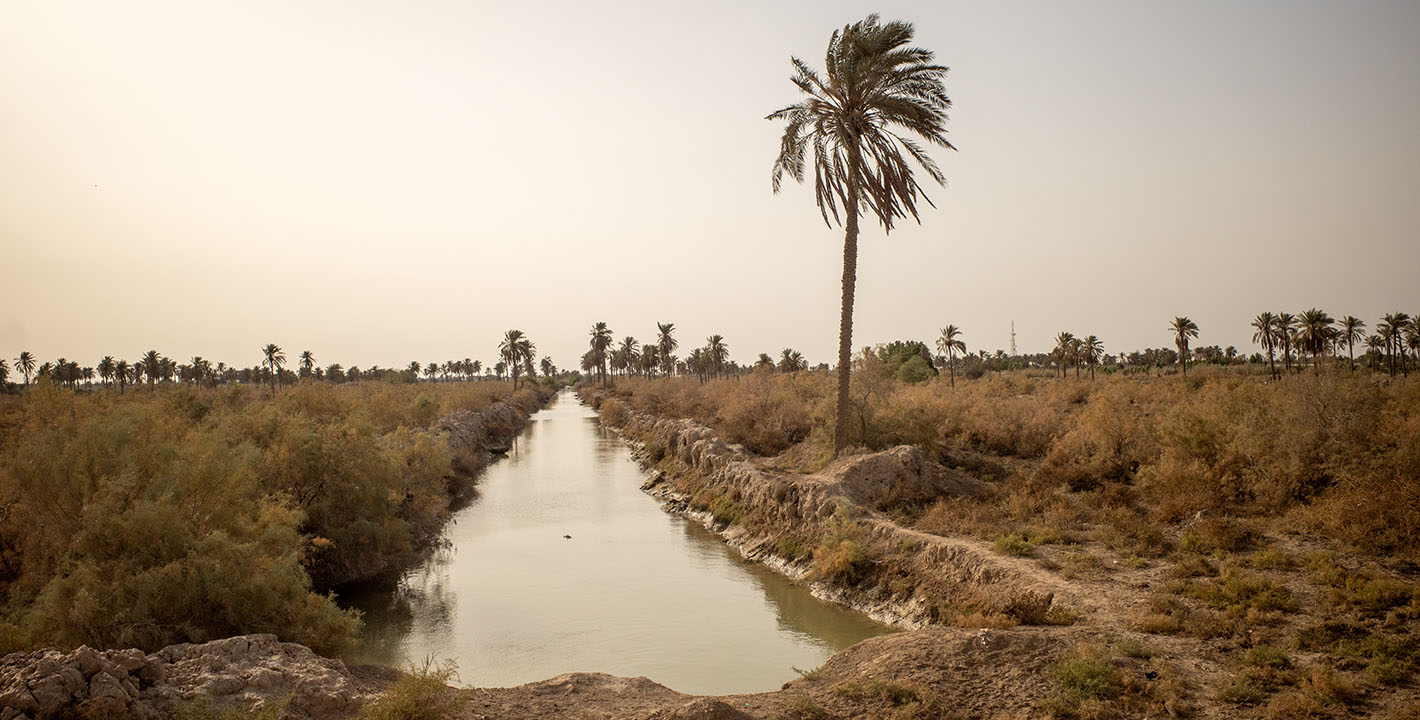
Across the Middle East and North Africa, climate stress interacts with economic fragility, governance failures, social marginalization, and conflict.

Camille Ammoun
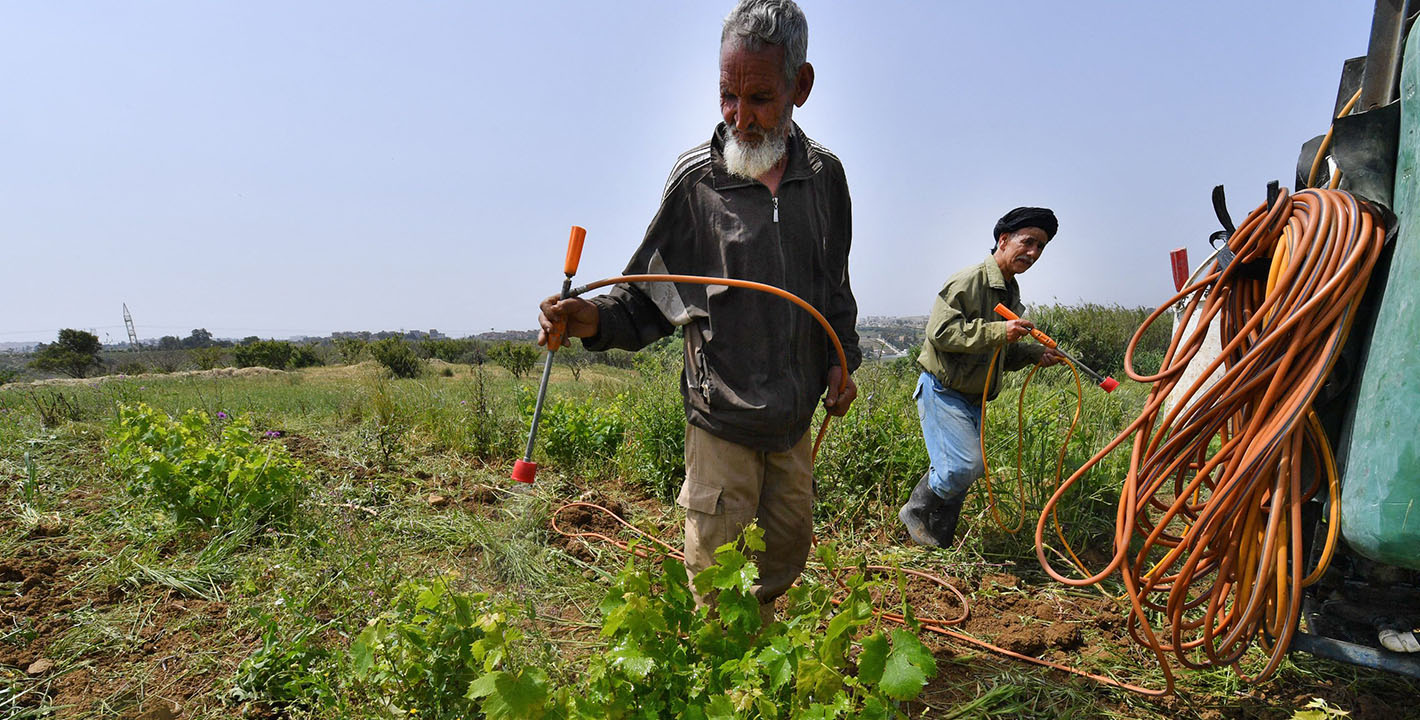
Understanding how farmers in the Oued Sahel-Soummam Valley grapple with climate change is essential for addressing the paradoxes through which adaptation, operating at both individual and institutional levels, deepens the region’s vulnerability and erodes the social fabric and agrarian identity that once defined life.

Ilyssa Yahmi
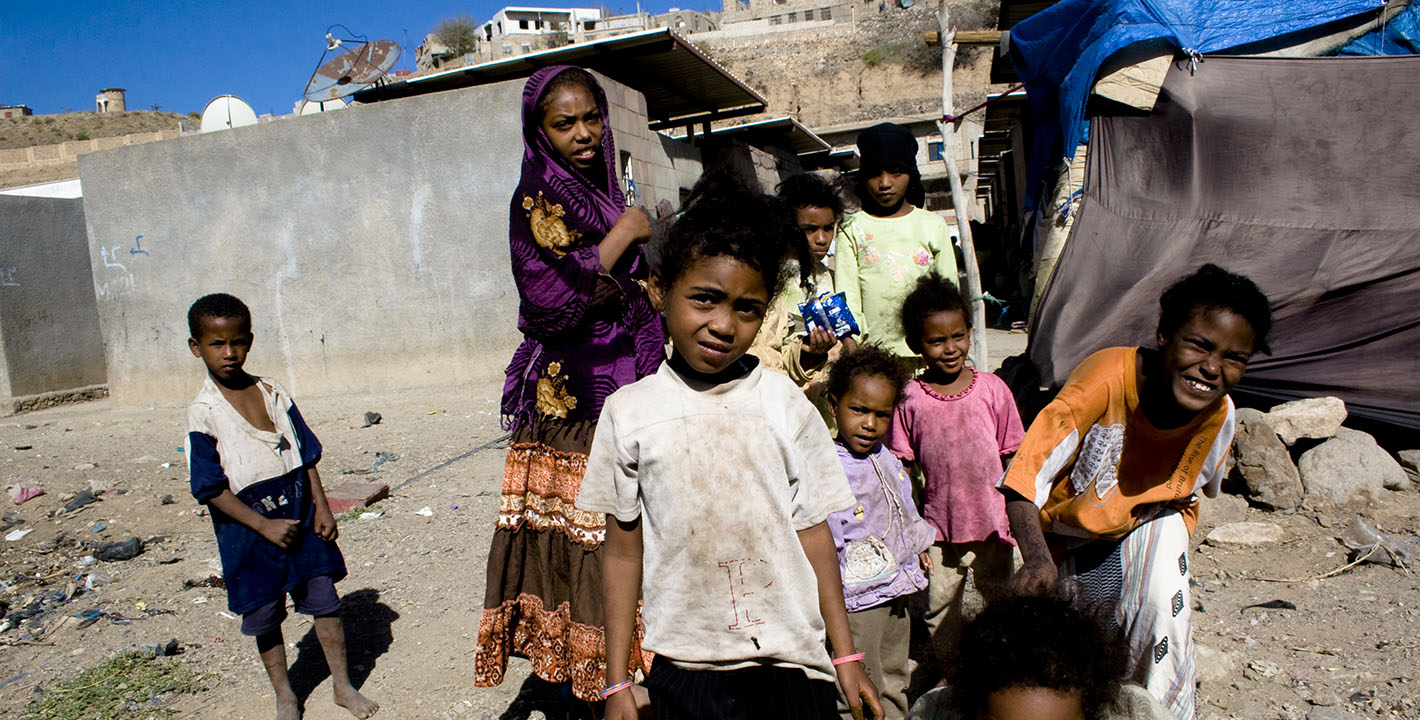
The community already suffers social discrimination, so addressing inequalities requires sustained interventions.
Musaed Aklan , Mohammad Al-Saidi