

Paper
James M. Acton, Ankit Panda
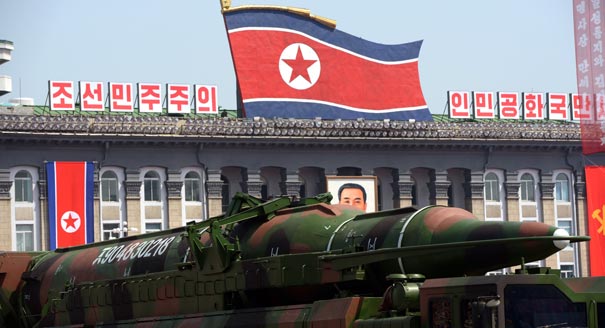
Source: Getty
U.S. diplomatic efforts are better expended on disincentivizing North Korea from selling nuclear materials and know-how than pointless denuclearization efforts.
The physical reverberations from North Korea’s third nuclear test took just minutes to die down. But the political, psychological, and strategic consequences will be felt for years to come. The North Korean government has claimed that this test—which appears to have produced a higher yield than the first two—was of a “smaller and light” weapon. The implied threat is that North Korea can now mount a nuclear warhead on a ballistic missile.
The test’s psychological aftershocks will, therefore, be felt strongly in Japan and South Korea, which are within range of North Korea’s existing missiles. But they will also be felt keenly in America, given that Pyongyang demonstrated real progress toward developing a ballistic missile capable of reaching the continental United States with its recent satellite launch.
Inevitably, Seoul and Tokyo will pressure Washington to refocus its energies on denuclearizing North Korea. This goal is obviously attractive to Americans too. Unfortunately, it is simply not attainable—at least not until the North Korean regime collapses, as it eventually must. While periodically bribing Pyongyang to suspend missile and nuclear tests may slow the program, the North Korean regime appears to have concluded that nuclear weapons are simply too vital to its own survival to trade them away.The United States should not formally renounce the policy of denuclearization or publicly “accept” North Korea as a legitimate nuclear-armed state. However, it does need to refocus its efforts on more attainable goals: deterrence and nonproliferation. Plans by the United States and its allies to deter North Korea are relatively advanced. By contrast, while the challenge of stemming proliferation from North Korea has not been entirely ignored, it has not attracted anything like the attention or energy it merits.
North Korea has an appalling proliferation track record, including numerous ballistic missile sales. On the nuclear front, Pyongyang has sold unenriched uranium to Pakistan (who resold it to Libya) and, much more seriously, provided Syria with a plutonium-production reactor that was destroyed by Israel in 2007.
For so long as North Korea’s nuclear efforts appeared to center on plutonium, there was some room for optimism. With enough material for only a handful of bombs and a dilapidated production infrastructure that seemed incapable of churning out any more, Pyongyang appeared unlikely to sell any of its precious plutonium stockpile.
In November 2010, however, North Korea showed the inside of a uranium enrichment facility to a group of visiting American experts. Siegfried Hecker, a former director of Los Alamos National Laboratory who was part of the delegation, described his first look as “stunning.” While there had been prior speculation, some of it fueled by Pyongyang’s own statements, that North Korea had some kind of an enrichment program, Hecker’s visit suggested that these efforts were much more advanced than almost anyone had feared.
The exact status of North Korea’s enrichment efforts remains murky. Indeed, we do not know yet whether the recent nuclear test even used highly enriched uranium. There should, however, be genuine concern that—now or in the future—North Korea will sell enrichment technology or, worse still, enriched uranium itself. Certainly, there’s a potential market out there, including Iran (which is currently operating less advanced centrifuges than those that appear to be at work in North Korea).
There is no single answer to this problem. Intelligence sharing and the interdiction of suspect cargoes is the most obvious response. Indeed, it is already going on, including as part of the U.S.-led Proliferation Security Initiative and under a separate United Nations Security Council mandate. While this approach is welcome, it is far from foolproof. Additional measures are needed.
First, the United States should start urgent consultations with China about how to respond to North Korean proliferation. Because preventing proliferation from North Korea is a clear mutual interest for Washington and Beijing, these consultations might well be more productive than those over the goal of denuclearization have been.
Second, the United States—with China if possible, or alone if necessary—should engage Pyongyang in a behind-the-scenes dialogue to set out proliferation redlines. If at all possible, such meetings should be ongoing and insulated from any stop-start process put in place to try to curb the pace of North Korea’s nuclear development. In these meetings, listening to Pyongyang’s views about nuclear weapons will be every bit as useful—particularly for future crisis management—as talking.
Third and finally, the United States should publicly declare that it will hold responsible not only any state that uses a nuclear weapon but also any foreign supplier of nuclear material or manufacturing technology. This policy would not need to mention North Korea by name or spell out the consequences. But it would help reinforce private messages to Pyongyang that there will be dire consequences should it proliferate.
There is no guarantee that these steps will be enough. But there’s also no better use of the United States’ diplomatic energies right now.

Jessica T. Mathews Chair, Co-director, Nuclear Policy Program
Acton holds the Jessica T. Mathews Chair and is co-director of the Nuclear Policy Program at the Carnegie Endowment for International Peace.
Recent Work

James M. Acton, Ankit Panda
James M. Acton
Carnegie does not take institutional positions on public policy issues; the views represented herein are those of the author(s) and do not necessarily reflect the views of Carnegie, its staff, or its trustees.

By failing to address Palestinian representation, the current process is bound to lead to just another temporary arrangement.

Nathan J. Brown

Morocco and Algeria, each in its own way, are having to navigate the global economic fallout of the U.S.-Israeli military campaign against Iran.

Yasmine Zarhloule
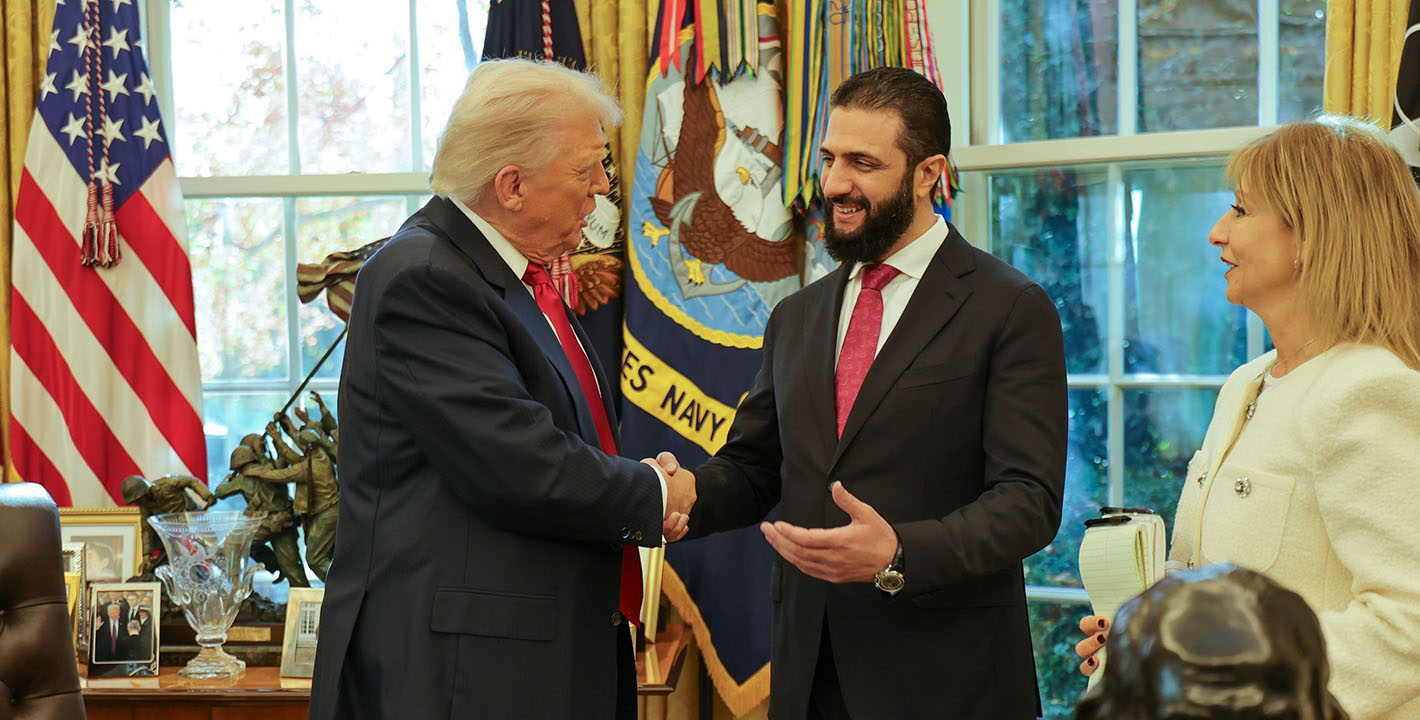
Any move by the United States to make good on Trump’s suggestion that Washington persuade Damascus to confront Hezbollah militarily would have catastrophic consequences.

Kheder Khaddour
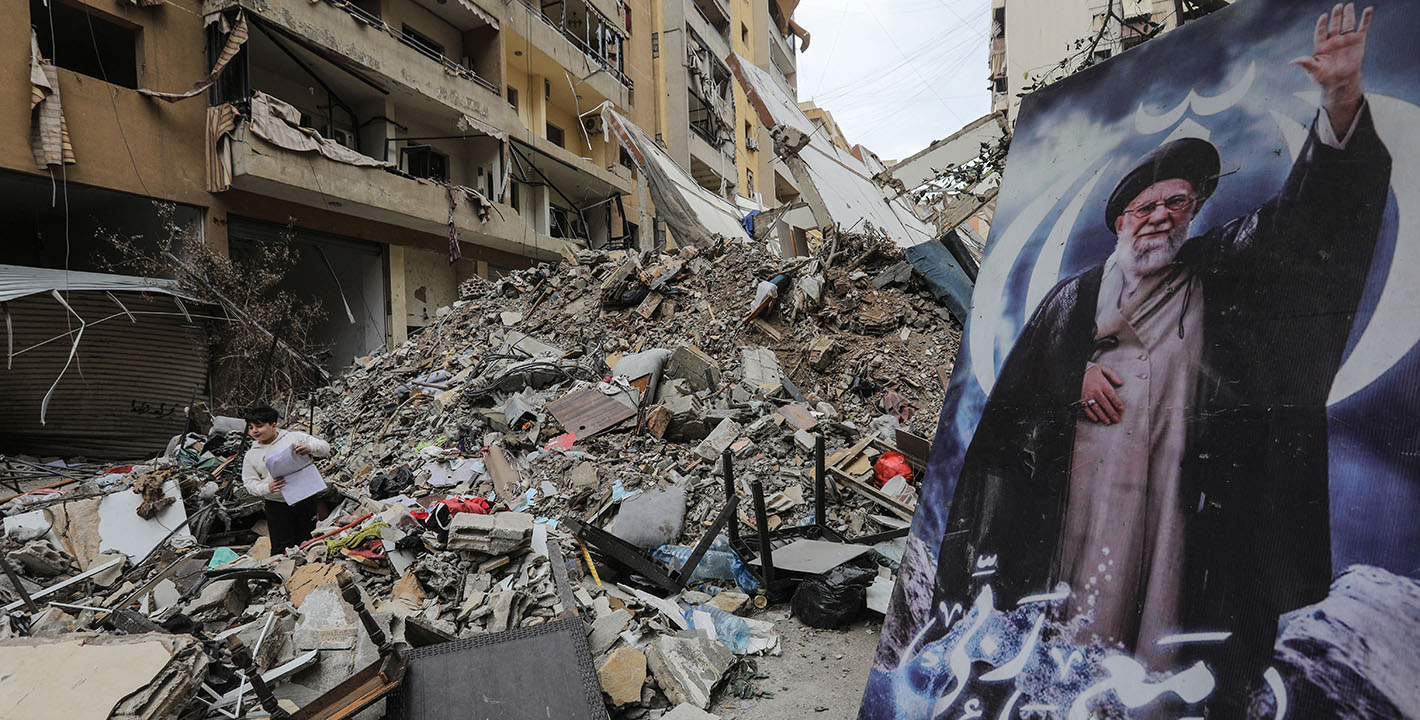
As talks begin between Washington and Tehran, Beirut has an opening to advance a regional plan for the party’s disarmament.

Michael Young
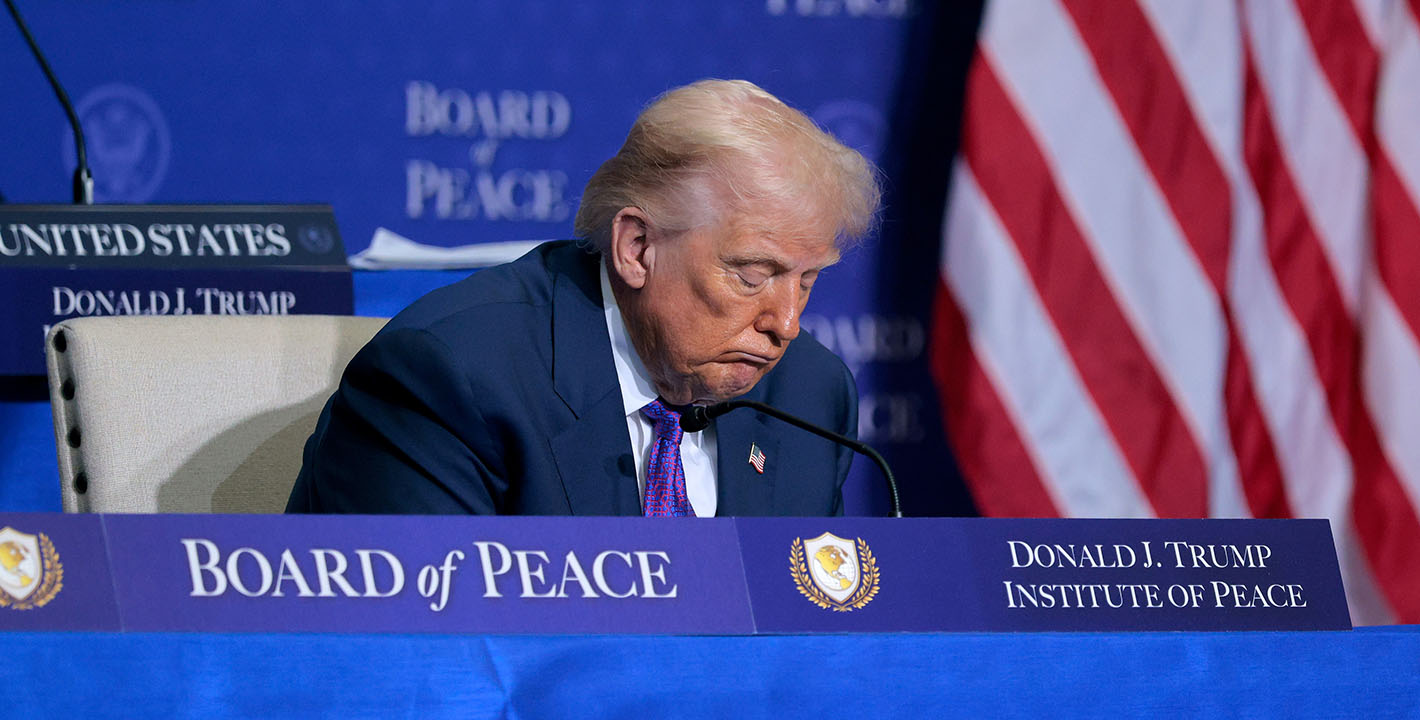
What is behind Marco Rubio’s announcement that the body is now an international nongovernmental organization?

Zaha Hassan