

Commentary
As talks begin between Washington and Tehran, Beirut has an opening to advance a regional plan for the party’s disarmament.
Michael Young
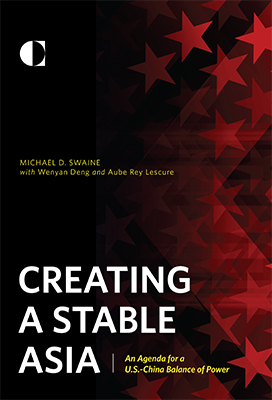
The Western Pacific is experiencing a fundamental and potentially destabilizing military and economic power transition driven primarily by China’s economic and military rise and a corresponding relative decline in American power
The Western Pacific is experiencing a fundamental and potentially destabilizing military and economic power transition driven primarily by China’s economic and military rise and a corresponding relative decline in American power. Efforts by the United States or China to secure future predominance will prove futile and dangerous, given a host of security, economic, and diplomatic factors. Instead, creating a stable de facto balance of power is necessary and feasible for both countries. This shift could take the form of a more durable balance that would necessitate major regional changes that would be difficult to achieve, or a more feasible but less stable balance involving more modest adjustments. The incremental, conditional process this would entail involves developing domestic consensus, securing allied and friendly support, deepening U.S.-China dialogue, and achieving interlinked changes in several existing regional security policies.

Former Senior Fellow, Asia Program
Swaine was a senior fellow at the Carnegie Endowment for International Peace and one of the most prominent American analysts in Chinese security studies.
Wenyan Deng
Former Junior Fellow, Asia Program
Aube Rey Lescure
Former Research Assistant, Asia Program
Carnegie does not take institutional positions on public policy issues; the views represented herein are those of the author(s) and do not necessarily reflect the views of Carnegie, its staff, or its trustees.
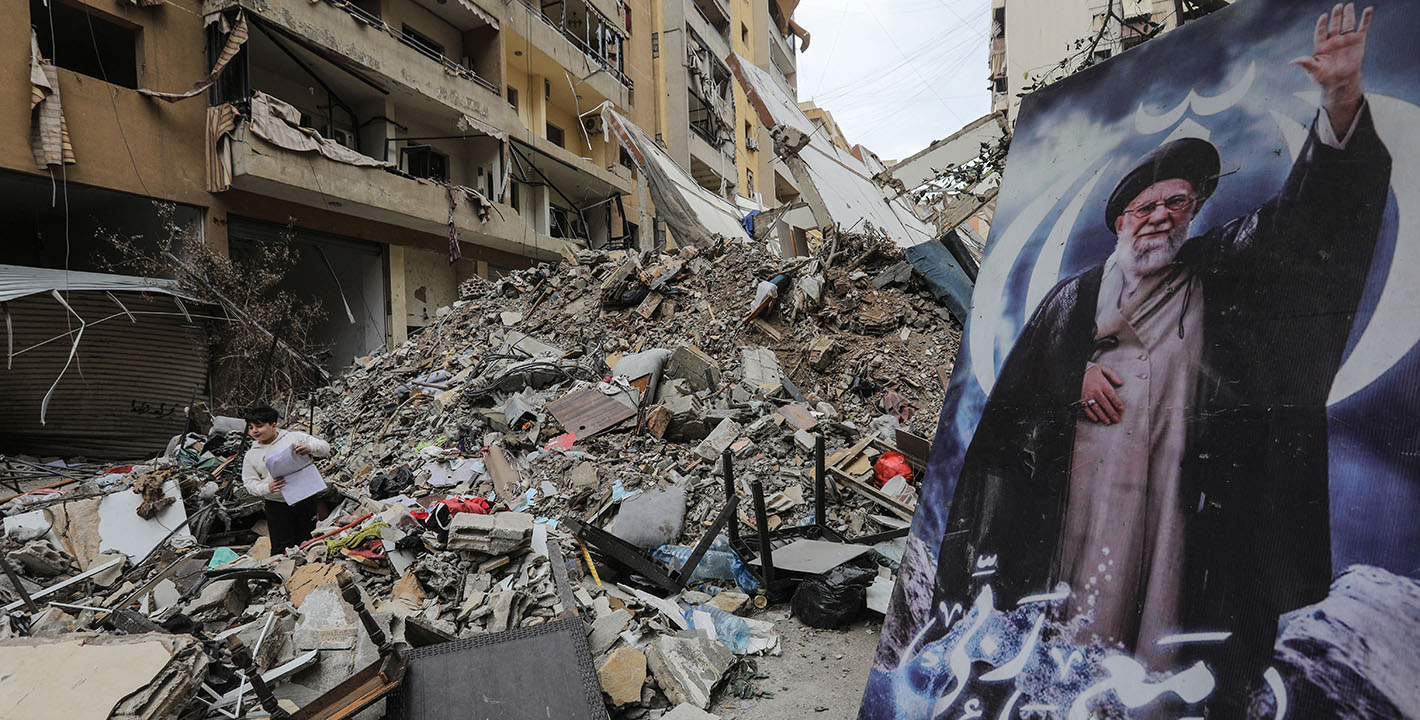
As talks begin between Washington and Tehran, Beirut has an opening to advance a regional plan for the party’s disarmament.

Michael Young
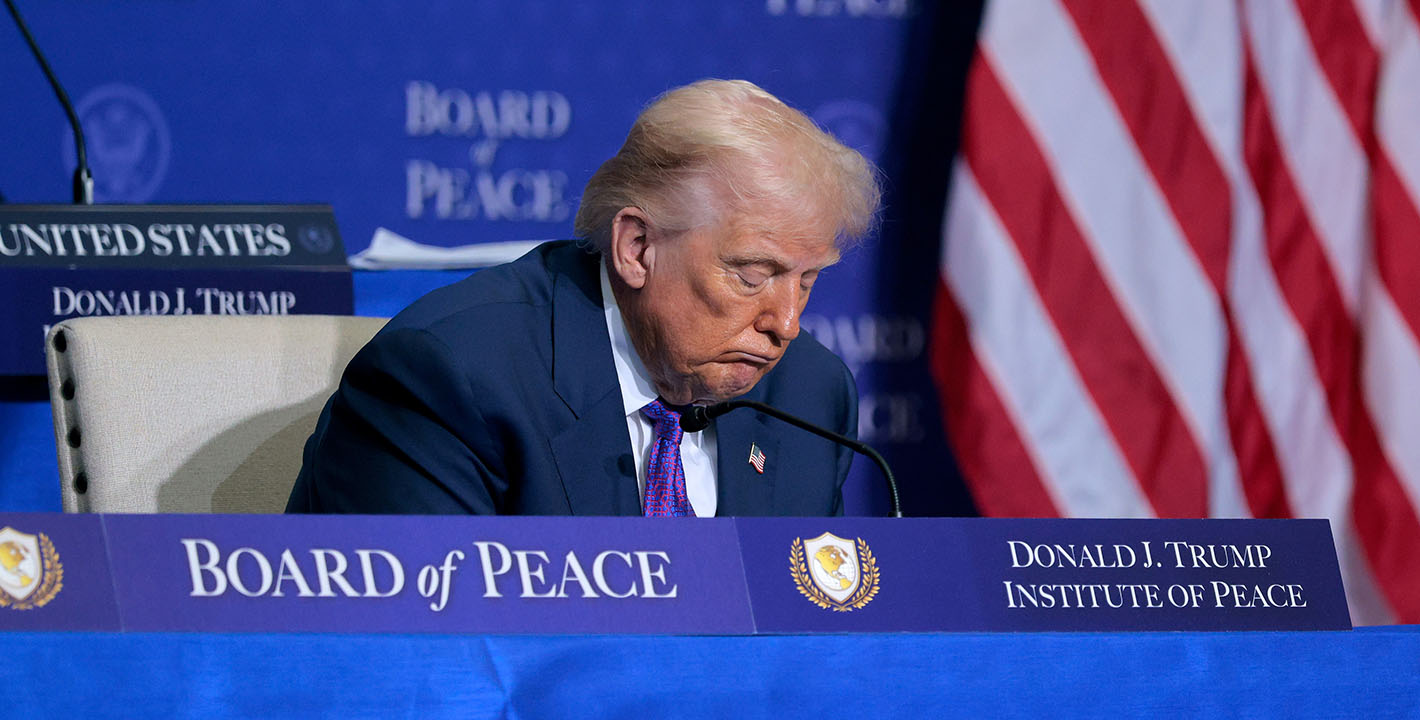
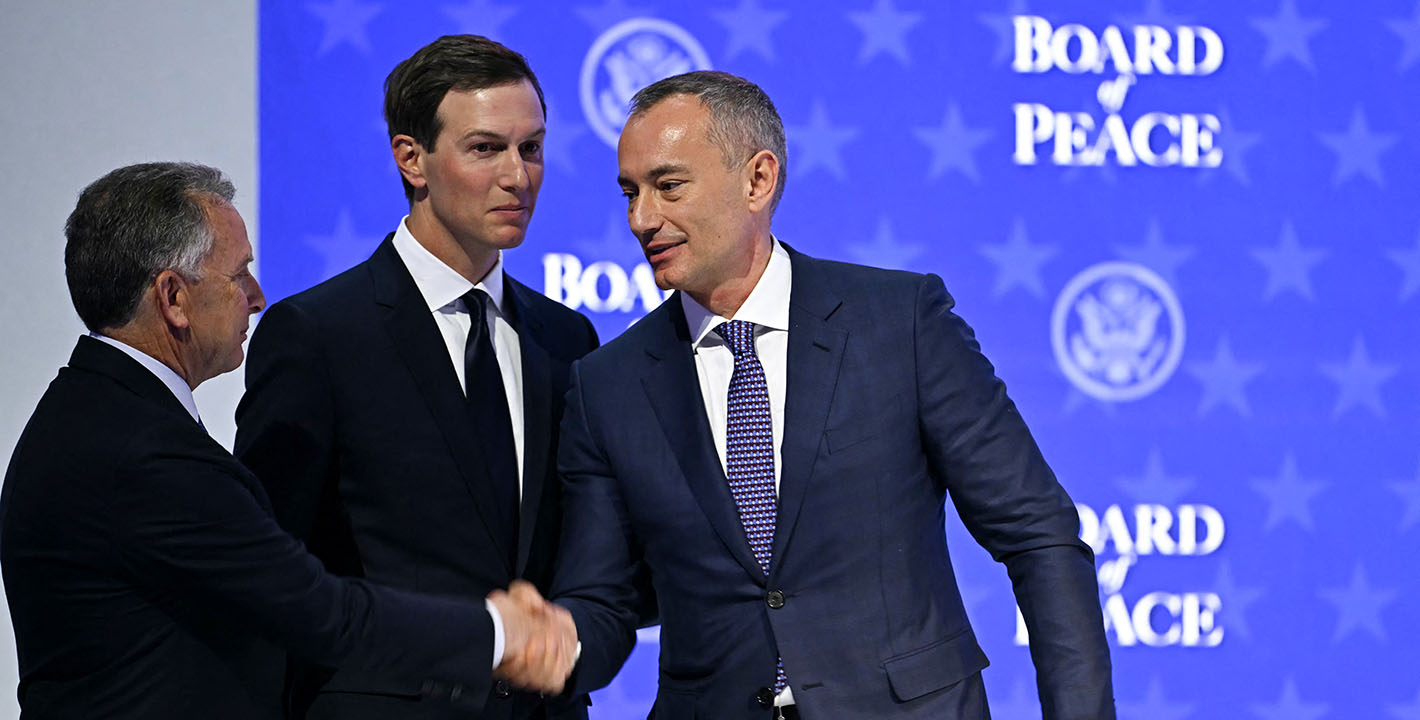
What is behind Marco Rubio’s announcement that the body is now an international nongovernmental organization?
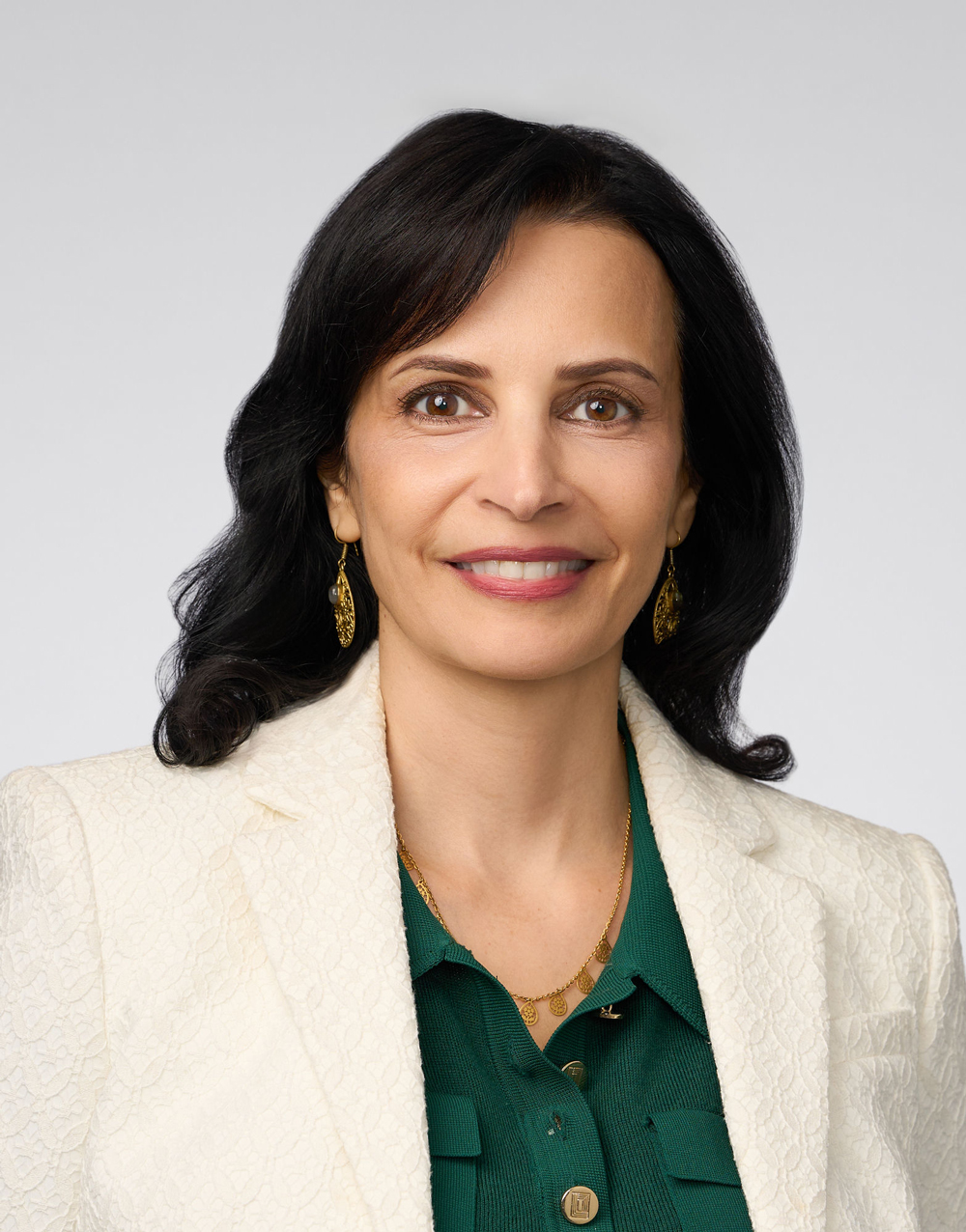
Zaha Hassan
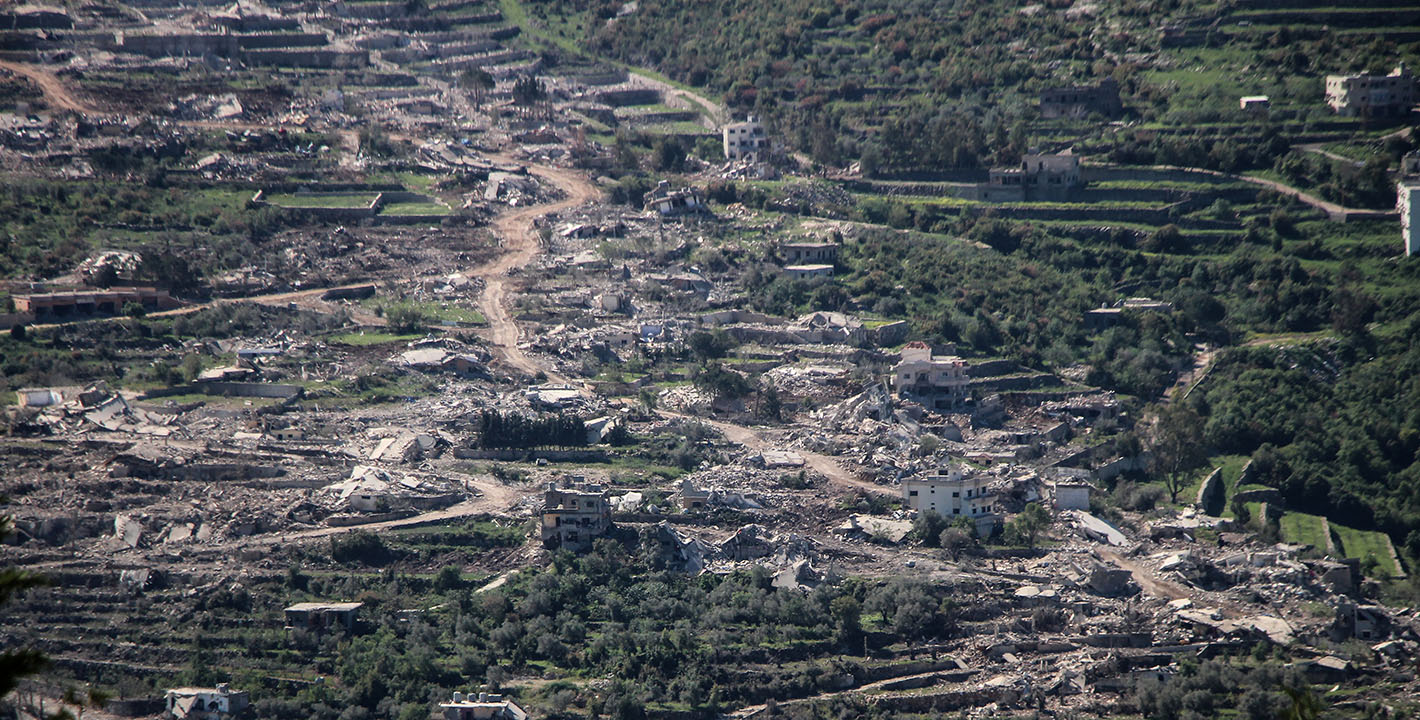
Policy discussion is ignoring that the Palestinian national project is hollowed out and apartheid is a present danger.

Nathan J. Brown
As negotiations with Iran and Lebanon continue, chaos is at the heart of the Netanyahu government’s calculations.
Michael Young
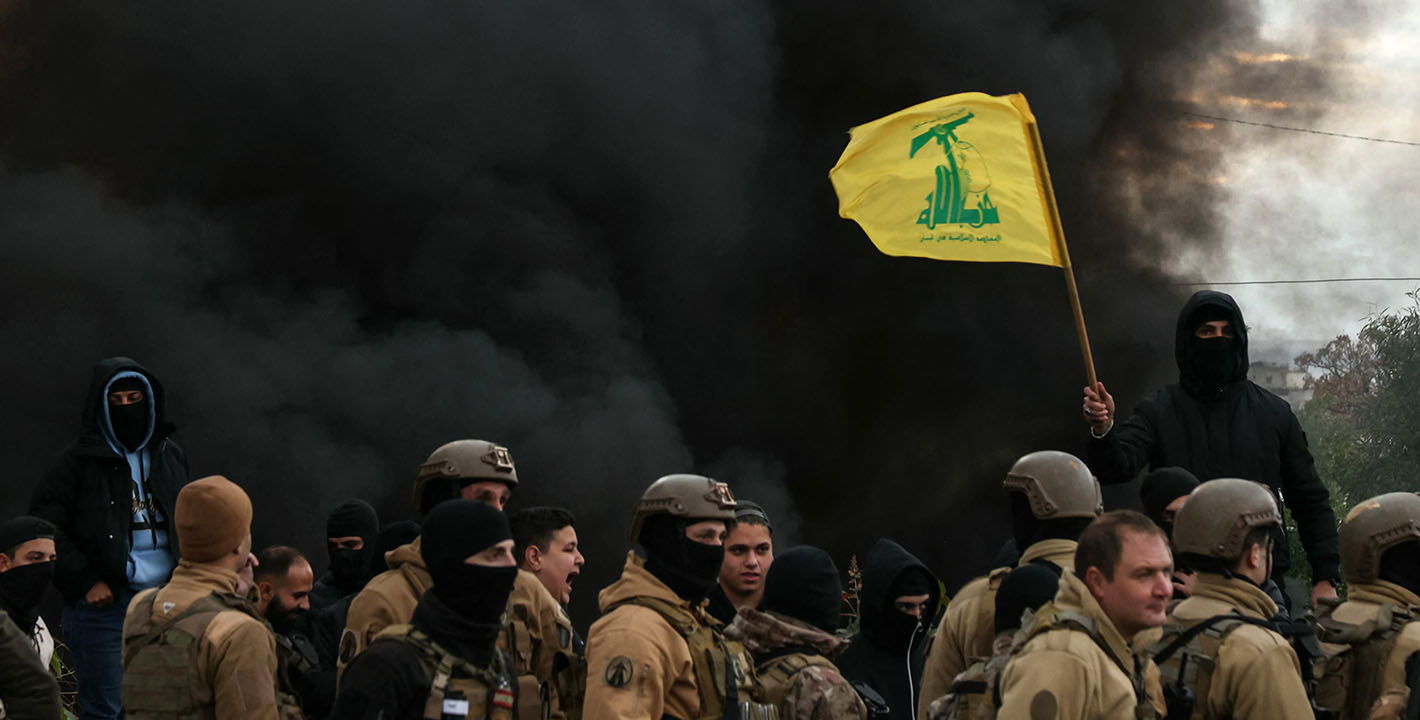
The party’s domestic and regional roles have changed, so Lebanon should devise a disarmament strategy that encompasses this.
Michael Young