

Article
Frederic Wehrey, Charles H. Johnson
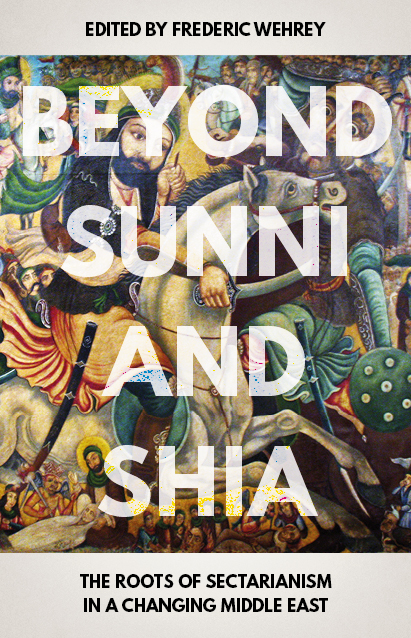
An exploration of the factors behind the spread of sectarian identity politics in the Middle East.
Source: Oxford University Press, 2017
This collection seeks to advance our understanding of intra-Islamic identity conflict in the Middle East. Instead of treating distinctions between and within Sunni and Shia Islam as primordial and immutable, it examines how political economy, geopolitics, domestic governance, social media, non- and sub-state groups, and clerical elites have affected the transformation and diffusion of sectarian identities.
Particular attention is paid to how conflicts over distribution of political and economic power have taken on a sectarian quality, and how a variety of actors have instrumentalised sectarianism. The volume, covering Syria, Iraq, Lebanon, Saudi Arabia and the Gulf, Iran, and Egypt, includes contributors from a broad array of disciplines including political science, history, sociology, and Islamic studies.
Beyond Sunni and Shia draws on extensive fieldwork and primary sources to offer insights that are empirically rich and theoretically grounded, but also accessible for policy audiences and the informed public.
Introduction
Frederic Wehrey
PART I: THE GEOPOLITICS OF SECTARIANISM
PART II: INSTITUTIONAL SOURCES OF SECTARIANISM
PART III: DOCTRINAL AND CLERICAL SOURCES OF SECTARIANISM
This research was made possible through a generous grant from the Henry Luce Foundation.
“This much-needed volume moves beyond primordialist and instrumentalist explanations of the issue of sectarianism. Its fascinating case-studies show not only why it is important to understand the geopolitical, institutional and religious sources of sectarianism in a changing Middle East, but also how it is possible to gain a deep and nuanced understanding of the subject.”
—Morten Valbjørn, Associate Professor, Department of Political Science, Aarhus University
“A contextual but comparative analysis of the geopolitical, institutional, and ideational drivers of sectarianism in the contemporary Middle East. Navigating beyond primordial and instrumental theoretical explanations, Beyond Sunni and Shia offers a multilayered analysis of why sectarianism assumes today such a powerful role in the domestic politics and foreign policies of Middle East states and transnational movements, and what are the prospects of moving beyond sectarianism in the future.”
—Bassel F. Salloukh, Associate Professor of Political Science, Lebanese American University, Beirut

Senior Fellow, Middle East Program
Frederic Wehrey is a senior fellow in the Middle East Program at the Carnegie Endowment for International Peace, where his research focuses on governance, conflict, and security in Libya, North Africa, and the Persian Gulf.
Recent Work
Frederic Wehrey, Charles H. Johnson
Frederic Wehrey, Charles H. Johnson
Carnegie does not take institutional positions on public policy issues; the views represented herein are those of the author(s) and do not necessarily reflect the views of Carnegie, its staff, or its trustees.

The armed forces champion a form of capitalism that is generating revenue, but its reliance on rent faces diminishing returns, leaving the country with massive sunk costs and deferred returns, deepening dependency on external borrowing.

Yezid Sayigh
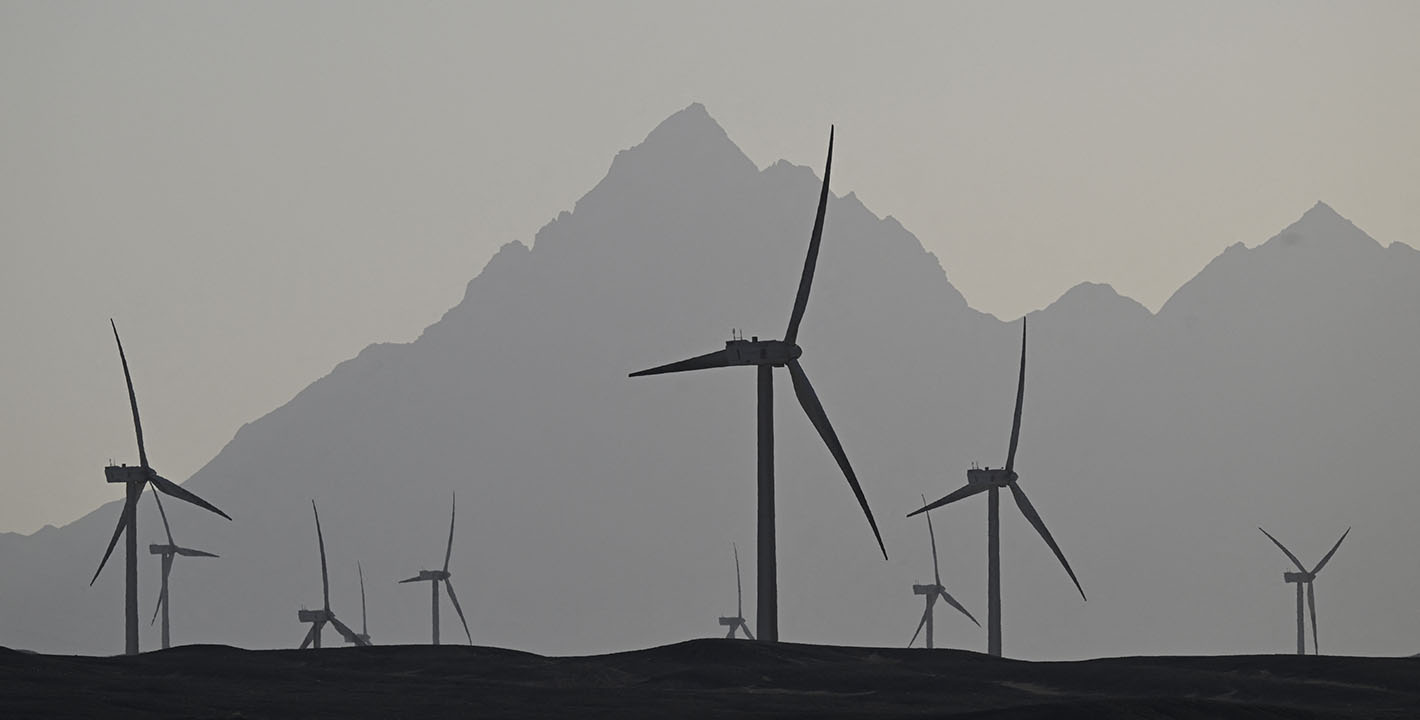
There is a disturbing structural parallel between the old global energy economy and the new green transition.

Angie Omar
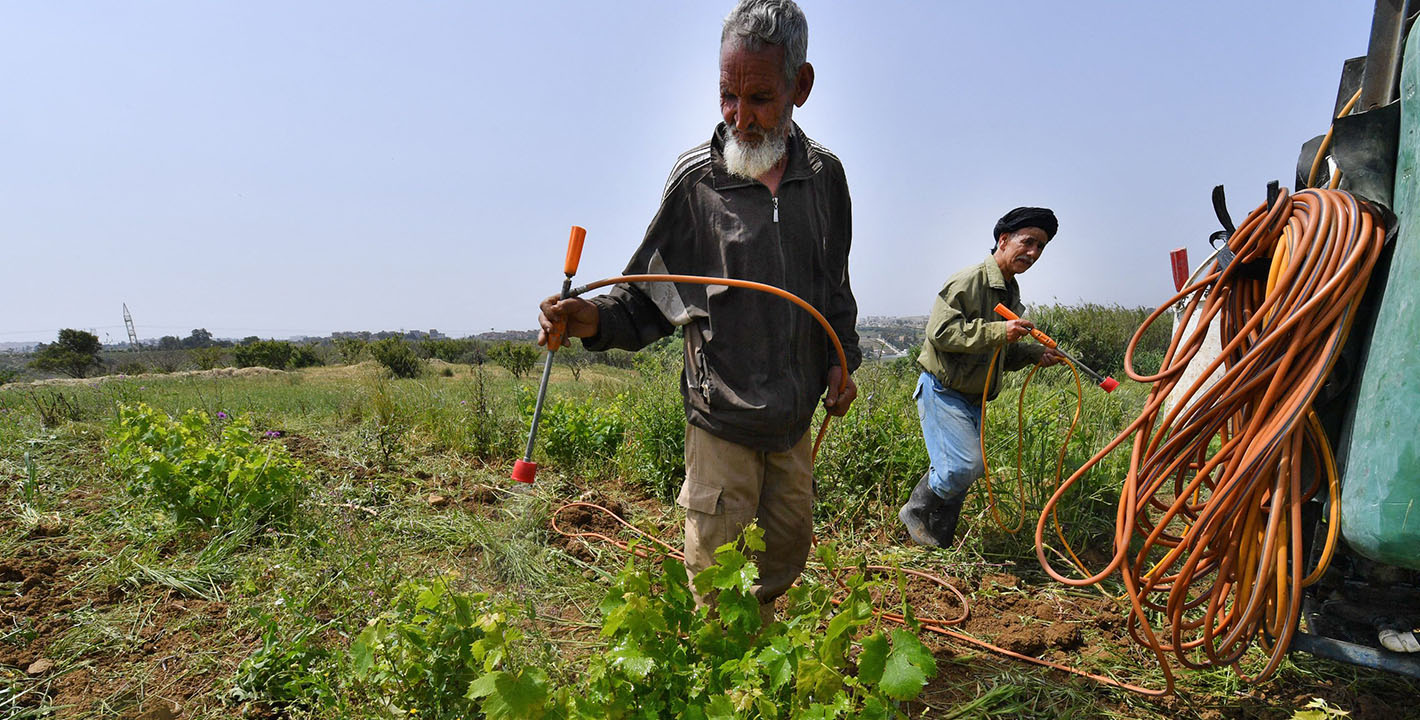
Understanding how farmers in the Oued Sahel-Soummam Valley grapple with climate change is essential for addressing the paradoxes through which adaptation, operating at both individual and institutional levels, deepens the region’s vulnerability and erodes the social fabric and agrarian identity that once defined life.
Ilyssa Yahmi

Just look at Iraq in 1991.

Marwan Muasher

As Iran defends its interests in the region and its regime’s survival, it may push Hezbollah into the abyss.

Michael Young