In a recent poll, two-thirds of American adults said they were concerned that “extremists” will commit acts of violence following the 2024 election if they are unhappy with the results. This should come as no surprise. Earlier this year the U.S. Department of Homeland Security warned that among other threats the 2024 election cycle will be a “key event for possible violence.” How real is that threat and how would it likely manifest itself? What are the factors driving political violence in America today? And what can be done to mitigate the threat?
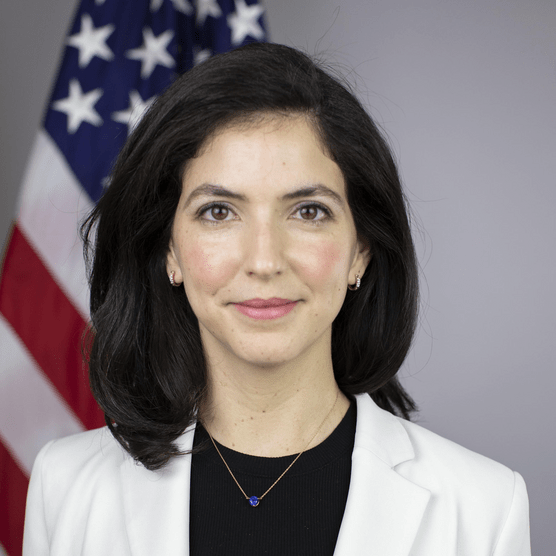
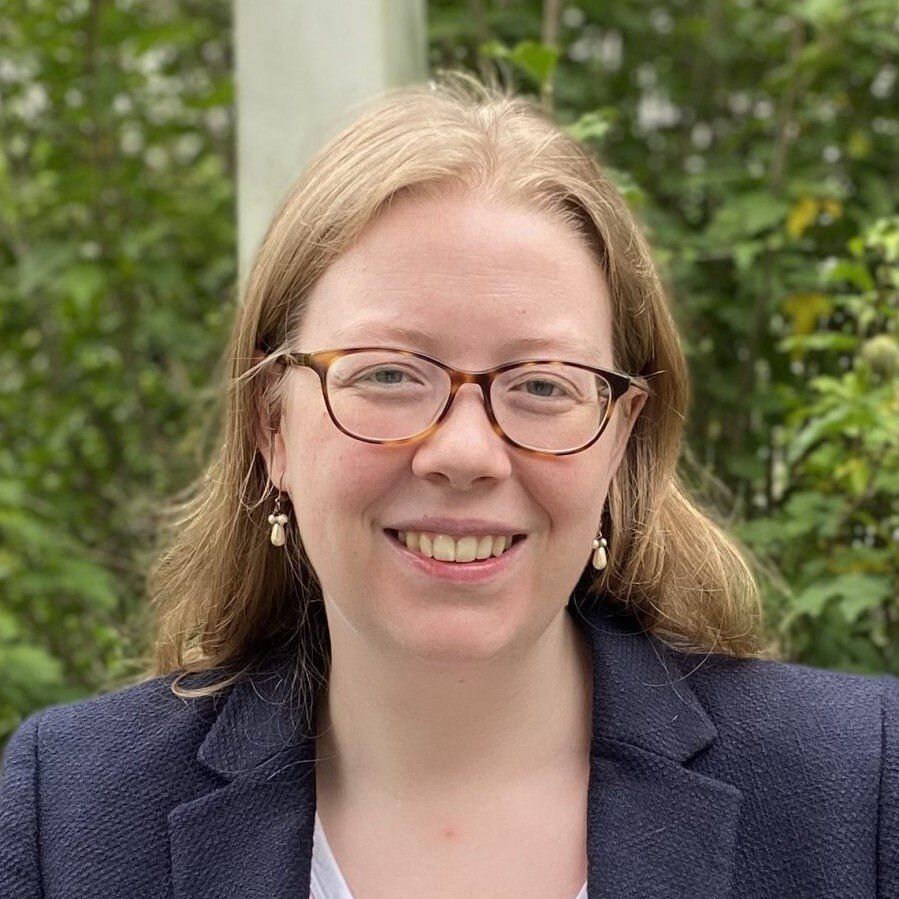
Join Aaron David Miller as he sits down with down with former acting assistant attorney general for national security Mary B. McCord and Eric K. Ward, senior fellow at the Southern Poverty Law Center, to unpack these and other issues.
Senator Chris Van Hollen joins Aaron David Miller for a special episode of Carnegie Connects to explore the changing balance of power between Congress and the executive branch, and lawmakers' influence over foreign policy.
Join Aaron David Miller as he engages Michael Ratney, former U.S. ambassador to Saudi Arabia, and Bernard Haykel, a professor of Near Eastern Studies at Princeton University, on the MBS visit to Washington and the road ahead for U.S.-Saudi relations on this episode of Carnegie Connects.
Nicholas Kristof of The New York Times joins Aaron David Miller on this episode to discuss the future of the American Republic in the midst of ongoing global conflicts and concerns about the state of American democracy.
Join Aaron David Miller as he engages Jean H. Lee, the presidential chair of the East-West Center, and Joel S. Wit, a distinguished fellow in Asian and Security Studies at the Stimson Center, to assess U.S. strategy toward North Korea and whether a recalibration is necessary.
Join Aaron David Miller as he sits down with Palestinian Center for Policy and Survey Research Center’s Khalil Shikaki and the Middle East Institute’s Natan Sachs to the future of the Israel-Hamas War as it enters its third year.