

Commentary
It should address the shortcomings of previous crisis communication efforts and adapt to the demands of frontier AI.
Lucy Luo
{
  "authors": [
    "Robert Kagan",
    "David Ignatius",
    "David Sanger",
    "David Brooks"
  ],
  "type": "legacyinthemedia",
  "centerAffiliationAll": "dc",
  "centers": [
    "Carnegie Endowment for International Peace"
  ],
  "collections": [],
  "englishNewsletterAll": "menaTransitions",
  "nonEnglishNewsletterAll": "",
  "primaryCenter": "Carnegie Endowment for International Peace",
  "programAffiliation": "MEP",
  "programs": [
    "Middle East"
  ],
  "projects": [],
  "regions": [
    "North America",
    "United States",
    "Middle East",
    "Iran"
  ],
  "topics": [
    "Political Reform",
    "Foreign Policy"
  ]
}
Source: Getty
Violence in the aftermath of Iran’s election has raised questions about the future of the regime, and about the way the Obama administration should respond to this controversial situation.
Source: Charlie Rose

Carnegie’s Robert Kagan joined David Ignatius, David Sanger, and David Brooks to discuss the U.S. role in the situation. Kagan highlighted the fact that the Obama administration is at a transition point, where it may have to rethink its commitment to negotiations and its acceptance of the legitimacy of the Iranian regime. At this point, he said, Obama should do whatever he can to try to prevent the regime from using mass violence—before it’s too late. Obama should use his international popularity as a tool and should try to rally other world leaders to join him in condemning the use of mass violence by the Iranian regime.
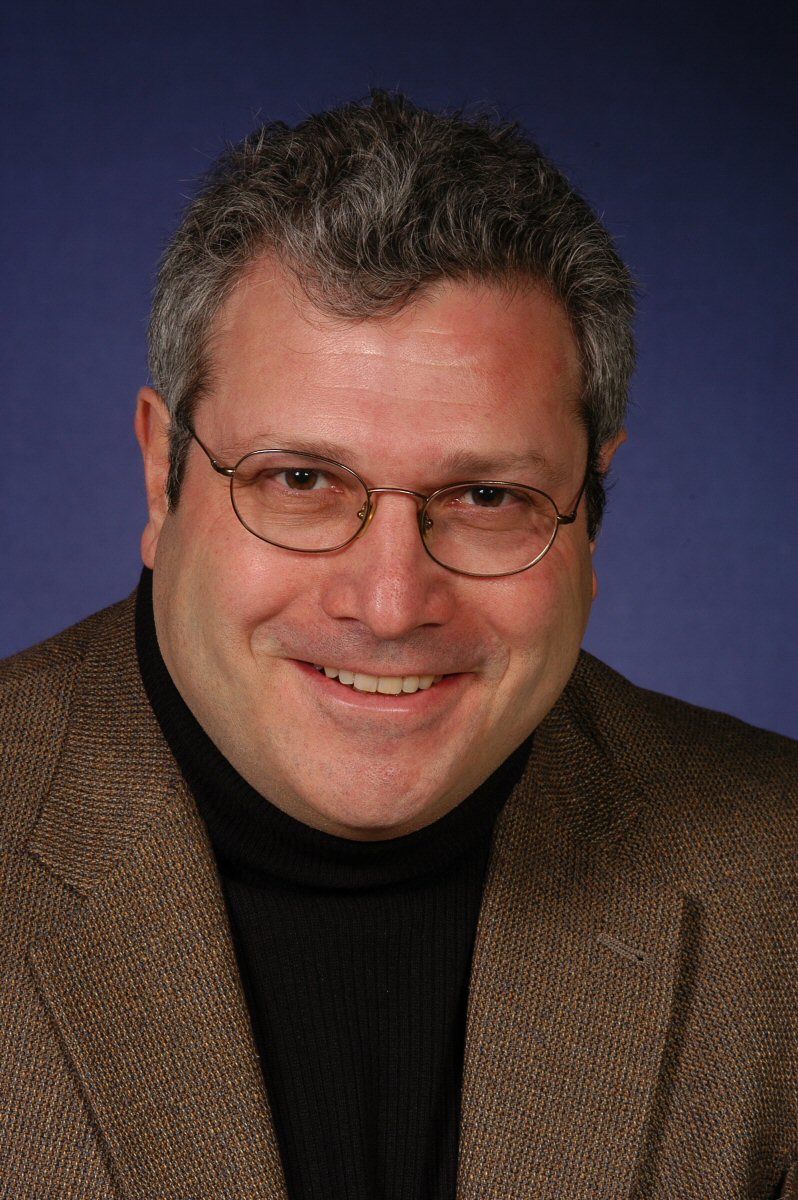
Former Senior Associate
Kagan, author of the recent book, The Return of History and the End of Dreams (Knopf 2008), writes a monthly column on world affairs for the Washington Post and is a contributing editor at both the Weekly Standard and the New Republic.
David Ignatius
David Sanger
David E. Sanger is the national security correspondent for the New York Times and a senior writer for the paper.
David Brooks
Carnegie does not take institutional positions on public policy issues; the views represented herein are those of the author(s) and do not necessarily reflect the views of Carnegie, its staff, or its trustees.

It should address the shortcomings of previous crisis communication efforts and adapt to the demands of frontier AI.

Lucy Luo

If the Russian-speaking community in Latvia cannot articulate their interests without being seen as disloyal, they could end up embracing a pro-Kremlin agenda.

Sergejs Potapkins

Washington’s decision to support some UN functions while letting others wither is pulling the organization apart at the seams.

Stewart Patrick, Theodore Zaritsky

While there are notable demographic, economic, and geographic divides over AI, there is also substantial alignment between Republicans and Democrats.


Ian Klaus, Mark Baldassare, Rachel George, …

Are Germany’s economic, industrial, and political struggles becoming a liability for the EU’s ability to rise to the geopolitical moment?

Rym Momtaz, ed.