

Commentary
The Horn of Africa countries are among those facing a new security calculus.
Andrew Leber, Lesley Anne Warner
{
  "authors": [
    "Henri J. Barkey",
    "Kemal Kirişci"
  ],
  "type": "commentary",
  "centerAffiliationAll": "dc",
  "centers": [
    "Carnegie Endowment for International Peace"
  ],
  "collections": [],
  "englishNewsletterAll": "menaTransitions",
  "nonEnglishNewsletterAll": "",
  "primaryCenter": "Carnegie Endowment for International Peace",
  "programAffiliation": "MEP",
  "programs": [
    "Middle East"
  ],
  "projects": [],
  "regions": [
    "Middle East",
    "Türkiye"
  ],
  "topics": []
}
REQUIRED IMAGE
As Turkey increases its regional and global influence, its internal political challenges may limit Ankara’s ability to achieve its global ambitions even as its new foreign policy focus could affect Turkey’s relations with the United States and the European Union.
What are the implications of Turkey’s ambitions to increase its regional and global influence? In particular, what is the impact on U.S.-Turkey relations? How have Turkey’s long-term interest vis-à-vis the European Union changed now that it appears to be ‘cozying up’ with the Arab world and Iran? How might Turkey’s internal political challenges impact its global ambitions? Henri Barkey and Kemal Kirişci discuss how Turkey's changing foreign policy might affect its relations with the West.

Former Visiting Scholar, Middle East Program
Barkey served as a member of the U.S. State Department Policy Planning Staff, working primarily on issues related to the Middle East, the Eastern Mediterranean, and intelligence from 1998 to 2000.
Kemal Kirişci
Kemal Kirişci is a nonresident senior fellow at the Brookings Institution, with an expertise in Turkish foreign policy and migration studies.
Carnegie does not take institutional positions on public policy issues; the views represented herein are those of the author(s) and do not necessarily reflect the views of Carnegie, its staff, or its trustees.

The Horn of Africa countries are among those facing a new security calculus.


Andrew Leber, Lesley Anne Warner

A summer of escalation in the Black Sea has hurt Ukraine economically and is exacerbating world food security. A truce is needed—as is a broader reframing of Europe’s Ukraine strategy.

Thomas de Waal

As the U.S. stumbles in its war with Iran, we are likely to see an acceleration of its disengagement from the region.

Michael Young
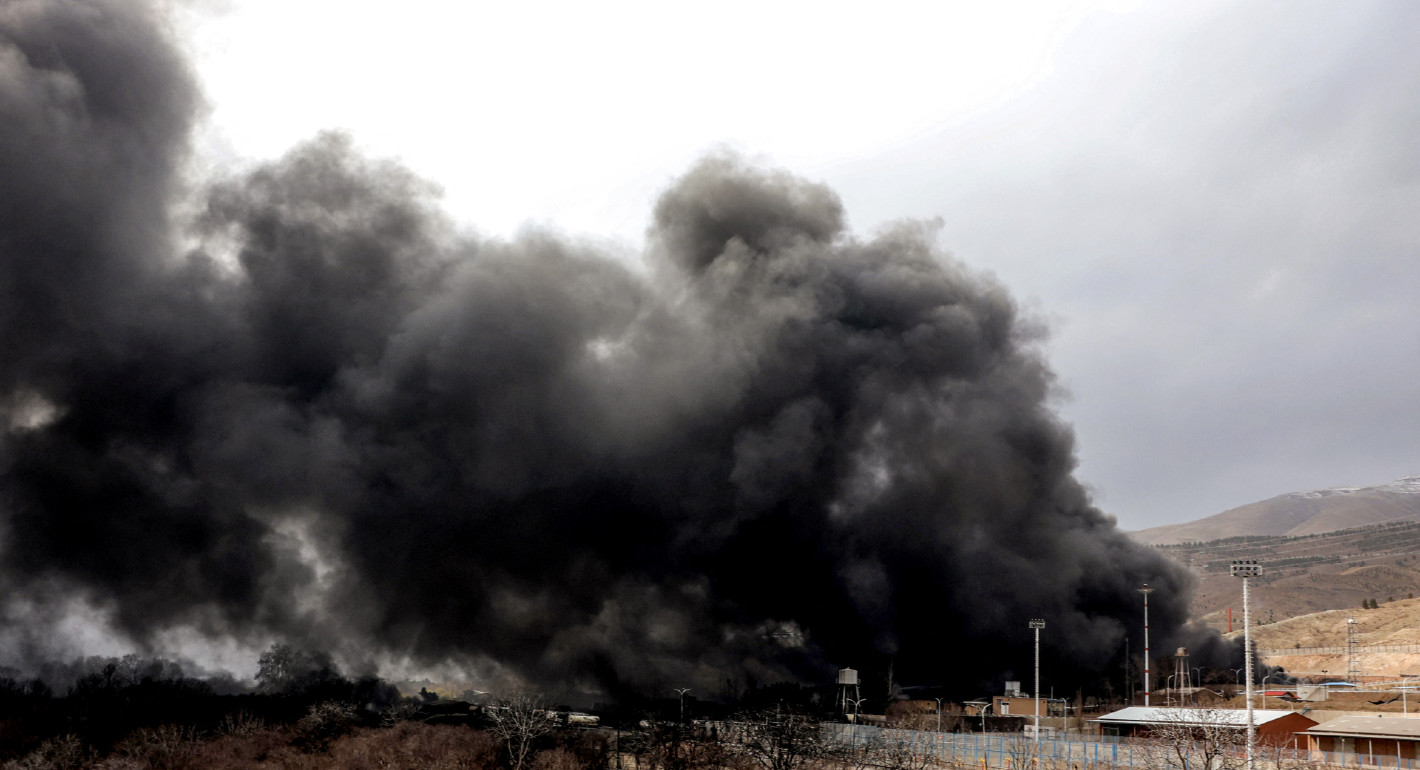
Understanding the climatic pain points is necessary for policymakers hoping to minimize the war’s negative environmental consequences.



Alejandro Martin Rodriguez, Joy Arkeh, Sarah Yerkes

Huawei pushed hard to enter the Egyptian data centers market, until the Americans made a better offer.

Angie Omar