

Paper
Renad Mansour, Faleh A. Jabar
{
  "authors": [
    "Renad Mansour"
  ],
  "type": "legacyinthemedia",
  "centerAffiliationAll": "dc",
  "centers": [
    "Carnegie Endowment for International Peace",
    "Malcolm H. Kerr Carnegie Middle East Center"
  ],
  "collections": [],
  "englishNewsletterAll": "menaTransitions",
  "nonEnglishNewsletterAll": "",
  "primaryCenter": "Malcolm H. Kerr Carnegie Middle East Center",
  "programAffiliation": "MEP",
  "programs": [
    "Middle East"
  ],
  "projects": [],
  "regions": [
    "Levant",
    "Iraq",
    "Middle East"
  ],
  "topics": [
    "Political Reform"
  ]
}
Source: Getty
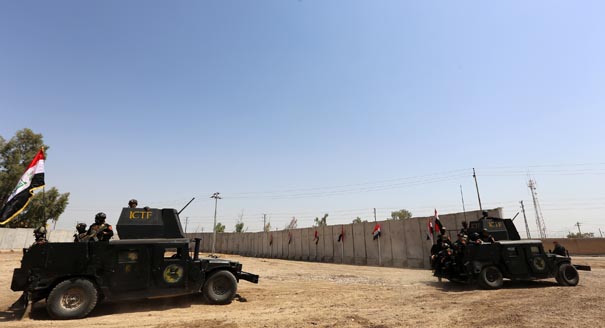
Different political, tribal, and governmental actors are seeking more power and influence through their involvement in the battle for Mosul.
Source: CBC Radio
Renad Mansour spoke on CBC’s The Current with Anna Maria, alongside Bruno Geddo, the UNHCR representative in Iraq, and Eric Mors, co-chair of Security Studies at the Royal Canadian Military Institute. He discussed the potential outcomes for the battle to retake Mosul.
Mansour pointed out that what will happen next in Mosul is unclear and there is a high probability of conflict between the different groups gearing up to expel the Islamic State from the city. Different political, tribal, and governmental actors are seeking more power and influence through their involvement in the battle.
Mansour noted that it will also be particularly hard to maintain security in Mosul. Although all involved military groups -Iraq’s military forces, Popular Mobilization Forces, and the Peshmerga- have one aim to defeat ISIS, none are in agreement with each other. There is a worry that there could be a security vacuum and fighting between the different groups fighting the Islamic State. Mansour believes though that if there is a proper peace settlement between the distinct entities in Mosul, this would enable the displaced locals to return to a safe environment.
Mansour also noted that the Islamic State had already been an underground organization within Mosul and was present in the city even before it was taken over by the group in June 2014. Mansour warned that if the government cannot provide safety and basic services in Mosul than the Islamic State will exploit the situation and attempt to retake the city as they see it vital for their plans.
This interview was originally broadcast on CBC Radio's The Current.
Former El-Erian Fellow, Middle East Center
Mansour was an El-Erian fellow at the Carnegie Middle East Center, where his research focuses on Iraq, Iran, and Kurdish affairs.
Recent Work
Renad Mansour, Faleh A. Jabar
Renad Mansour
Carnegie does not take institutional positions on public policy issues; the views represented herein are those of the author(s) and do not necessarily reflect the views of Carnegie, its staff, or its trustees.
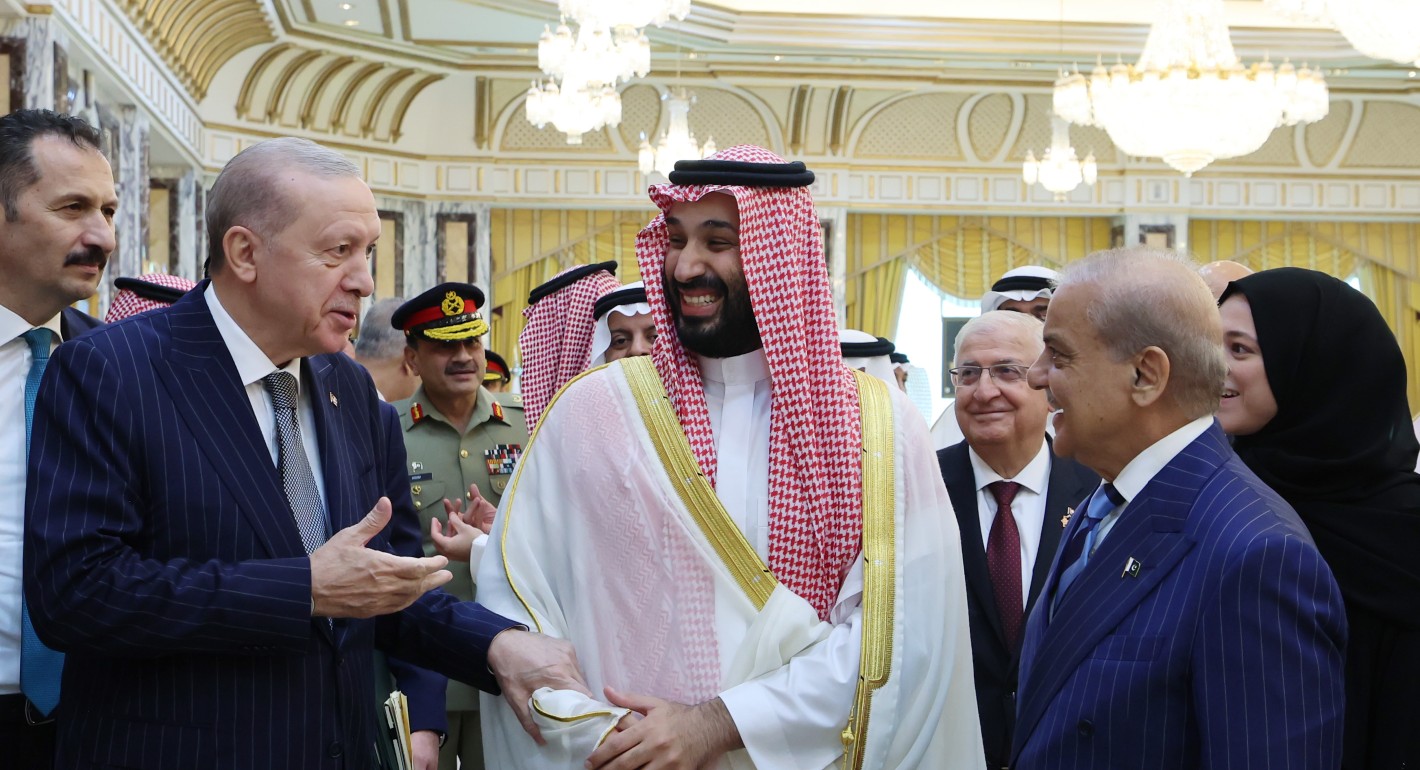
Why Pakistan, Saudi Arabia, and Turkey are joining forces on regional security.


Alper Coşkun, Amr Hamzawy
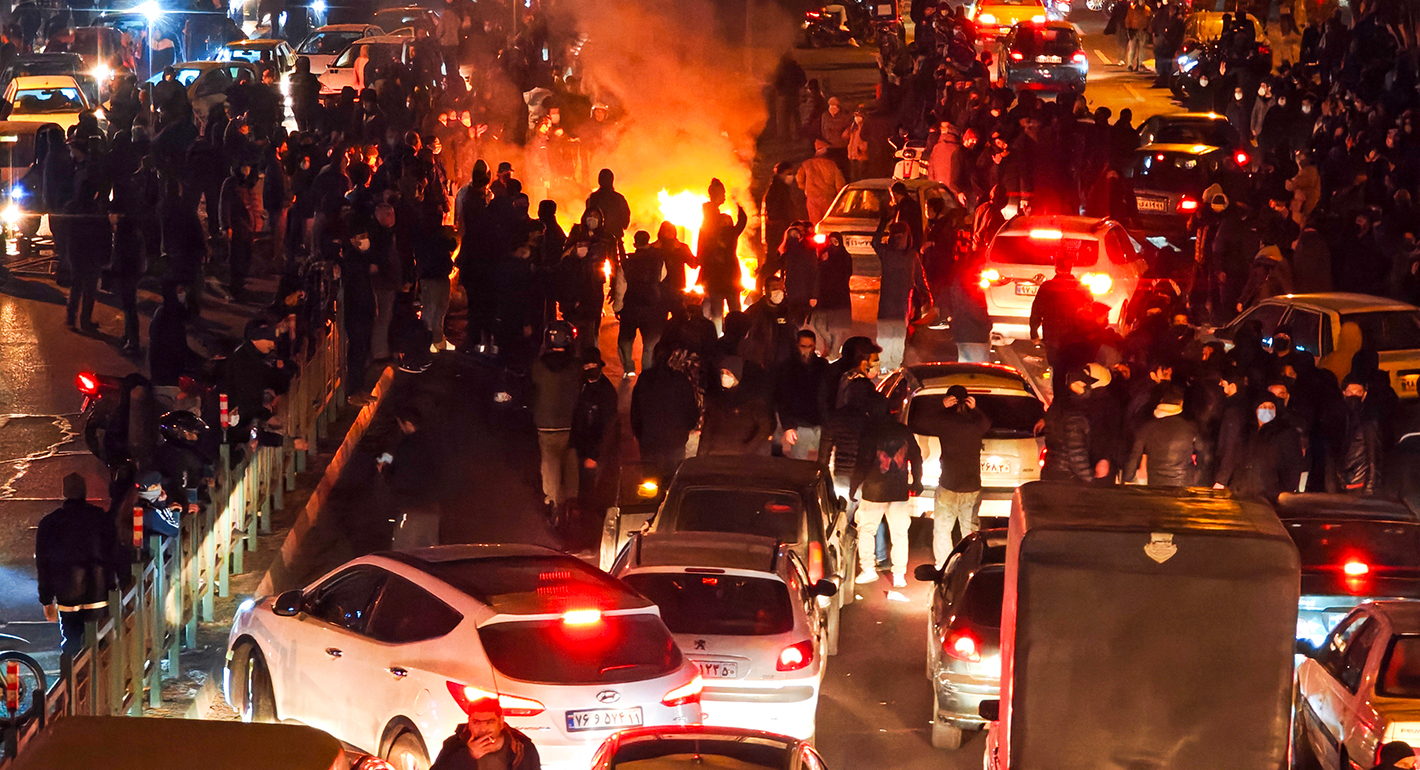
Protests in Iran follow a similar pattern: Economic grievances turn into political protests that spread nationwide. But increased state repression has begun to shift the arrangement.

Eric Lob

Putin’s conservative staffing policies and search for ever greater control have cemented parliament’s transformation into a bureaucratic appendage of the executive branch.

Andrey Pertsev
Reconciliation councils are emerging throughout the country to mediate in intracommunal disputes, many from the war years.
Natacha Danon
The civil war in Syria may have ended, but the country continues to serve as a source for the trafficking of illegal substances into and via Jordanian territory.

Armenak Tokmajyan, Laith Qerbaa