• Research
  • Emissary
  • About
  • Experts
Carnegie Global logoCarnegie lettermark logo
DemocracyIran
  • Donate
{
  "authors": [
    "Ashley Townshend"
  ],
  "type": "legacyinthemedia",
  "centerAffiliationAll": "dc",
  "centers": [
    "Carnegie Endowment for International Peace"
  ],
  "collections": [
    "Dynamic Security Risks in Asia",
    "China and the World"
  ],
  "englishNewsletterAll": "asia",
  "nonEnglishNewsletterAll": "",
  "primaryCenter": "Carnegie Endowment for International Peace",
  "programAffiliation": "AP",
  "programs": [
    "Asia"
  ],
  "projects": [],
  "regions": [
    "North America",
    "United States",
    "Oceania",
    "Australia"
  ],
  "topics": [
    "Security",
    "Foreign Policy"
  ]
}
REQUIRED IMAGE

REQUIRED IMAGE

In The Media

Collective Deterrence and the Prospect of Major Conflict

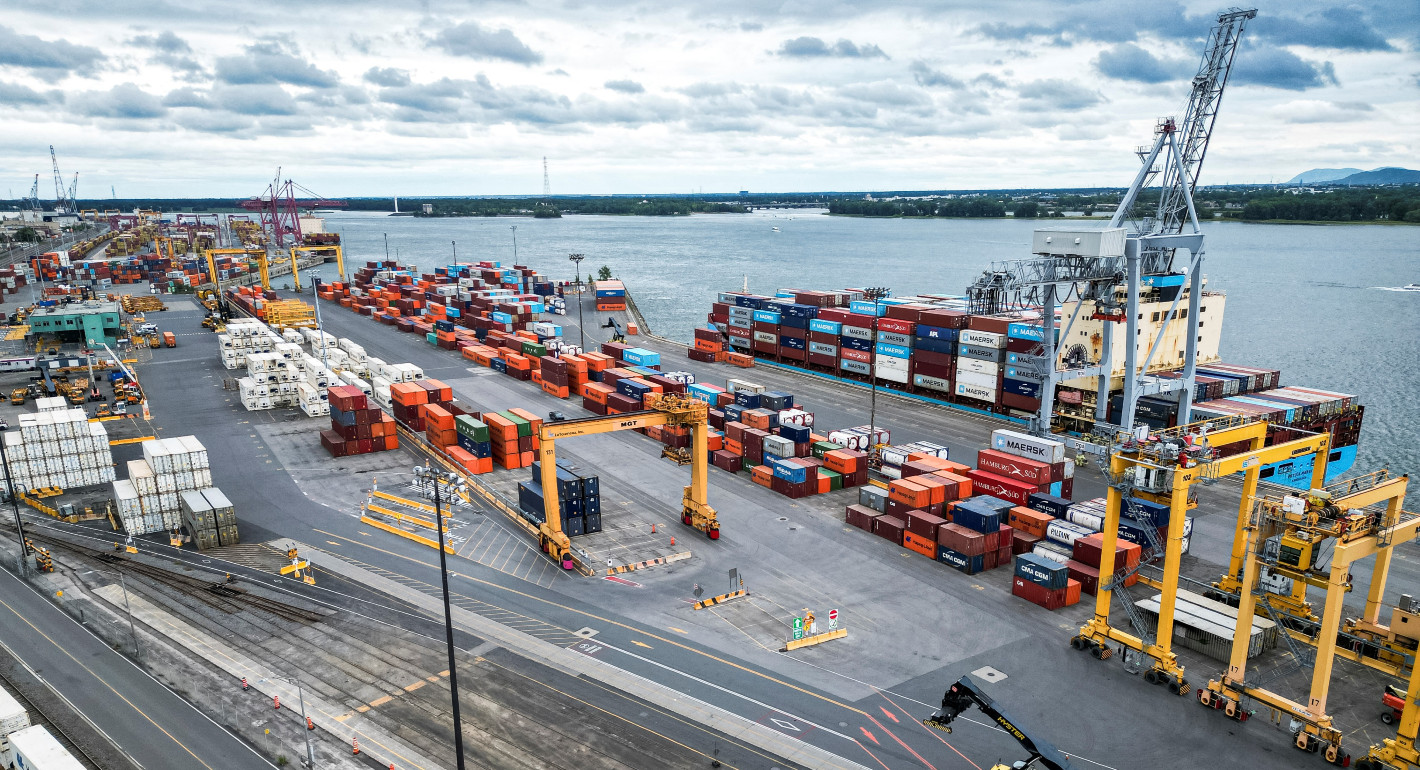
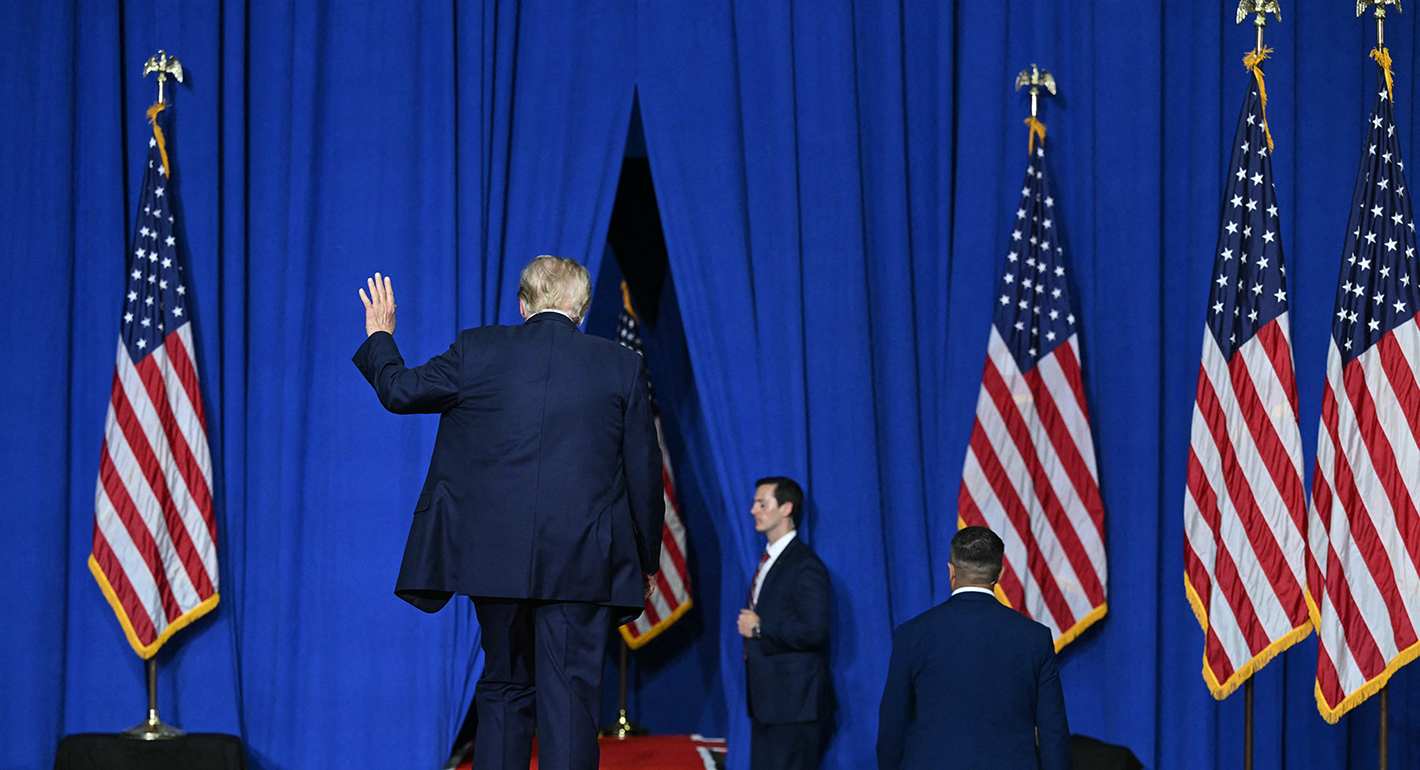
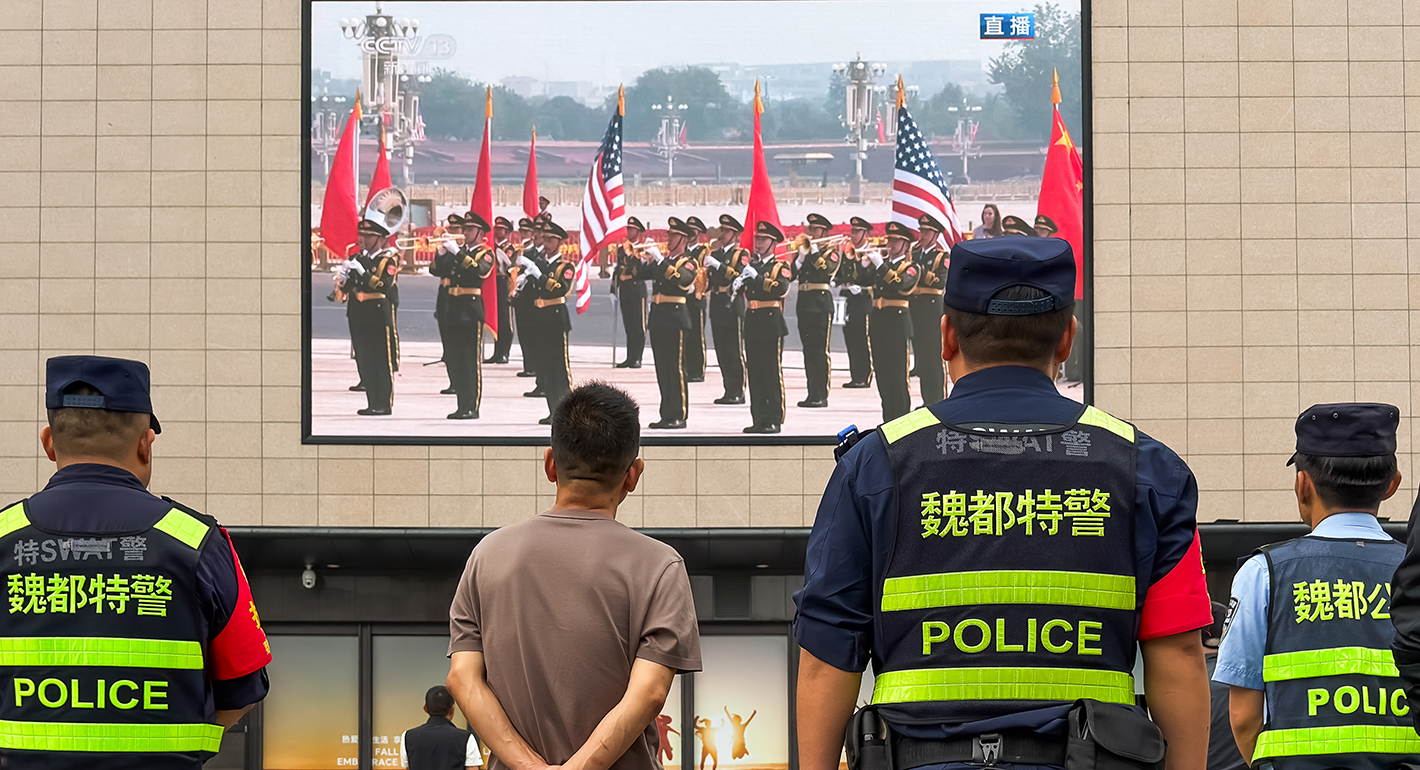
Amid rising concern about the United States’ ability to deter Chinese aggression and uphold a stable balance of power in the Indo-Pacific, Washington and Canberra are working to accelerate a strategy of collective deterrence.

Link Copied
By Ashley Townshend
Published on Sep 11, 2023
Program mobile hero image

Program

Asia

The Asia Program in Washington studies disruptive security, governance, and technological risks that threaten peace, growth, and opportunity in the Asia-Pacific region, including a focus on China, Japan, and the Korean peninsula.

Learn More

United States Studies Centre

About the Author

Ashley Townshend

Former Senior Fellow Asia Program

Ashley Townshend was a senior fellow for Indo-Pacific security, directing research on regional strategy, defense policy, and alliances and partnerships.

    Recent Work

  • Article
    How to Manage the Risks and Requirements of U.S.-Australia Force Posture Cooperation

      Ashley Townshend

  • Commentary
    The AUKUS Submarine Deal Highlights a Tectonic Shift in the U.S.-Australia Alliance

      Ashley Townshend

Ashley Townshend
Former Senior Fellow Asia Program
Ashley Townshend
SecurityForeign PolicyNorth AmericaUnited StatesOceaniaAustralia

Carnegie does not take institutional positions on public policy issues; the views represented herein are those of the author(s) and do not necessarily reflect the views of Carnegie, its staff, or its trustees.

More Work from Carnegie Endowment for International Peace

  • Commentary
    Diwan
    The Gulf Conflict and the South Caucasus

    In an interview, Sergei Melkonian discusses Armenia’s and Azerbaijan’s careful balancing act among the United States, Israel, and Iran.

      Armenak Tokmajyan

  • Soldier looking at a drone on the ground
    Collection
    Conflict, Security, and Peacemaking

    Domestic and international conflicts present myriad challenges for leaders, militaries, and civilians, including the effects of new technological capabilities on the conduct of war, the effectiveness of security strategies, and the intricacies of post-conflict peacemaking. Carnegie scholars provide timely analyses to address these and other related questions.

  • Commentary
    Strategic Europe
    Europe and the Arab Gulf Must Come Together

    The war in Iran proves the United States is now a destabilizing actor for Europe and the Arab Gulf. From protect their economies and energy supplies to safeguarding their territorial integrity, both regions have much to gain from forming a new kind of partnership together.

      • Rym Momtaz

      Rym Momtaz

  • Commentary
    Carnegie Politika
    Why Has Kazakhstan Started Deporting Political Activists?

    The current U.S. indifference to human rights means Astana no longer has any incentive to refuse extradition requests from its authoritarian neighbors—including Russia.

      Temur Umarov

  • people walking with suitcases
    Commentary
    Emissary
    Iran’s Northern Neighbors Are Facing Fallout From the War, Too

    The conflict is threatening stability in Armenia and Azerbaijan.

      Zaur Shiriyev

Get more news and analysis from
Carnegie Endowment for International Peace
Carnegie global logo, stacked
1779 Massachusetts Avenue NWWashington, DC, 20036-2103Phone: 202 483 7600Fax: 202 483 1840
  • Research
  • Emissary
  • About
  • Experts
  • Donate
  • Programs
  • Events
  • Blogs
  • Podcasts
  • Contact
  • Annual Reports
  • Careers
  • Privacy
  • For Media
  • Government Resources
Get more news and analysis from
Carnegie Endowment for International Peace
© 2026 Carnegie Endowment for International Peace. All rights reserved.