

Commentary
Sergey Vakulenko
{
  "authors": [
    "Sergey Vakulenko"
  ],
  "type": "commentary",
  "blog": "Carnegie Politika",
  "centerAffiliationAll": "dc",
  "centers": [
    "Carnegie Endowment for International Peace",
    "Carnegie Russia Eurasia Center"
  ],
  "collections": [],
  "englishNewsletterAll": "ctw",
  "nonEnglishNewsletterAll": "",
  "primaryCenter": "Carnegie Russia Eurasia Center",
  "programAffiliation": "russia",
  "programs": [
    "Russia and Eurasia"
  ],
  "projects": [],
  "regions": [
    "Russia",
    "Caucasus"
  ],
  "topics": [
    "Climate Change",
    "Foreign Policy",
    "Economy",
    "Political Reform",
    "Domestic Politics"
  ]
}
Source: Getty
Once the conflict is over, Russia will still be able to offer gas at very low prices, but Europe, in all likelihood, will not only not want to buy it by then; it will simply not be able to.
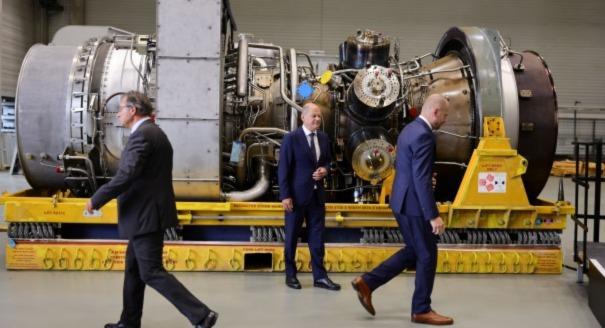
All summer, Europe had been bracing itself for an announcement in the ongoing energy crisis that finally came on September 2. Russia’s Gazprom stated that it had identified a defect in the last working turbine of the Nord Stream gas pipeline that carries Russian gas under the Baltic Sea to Germany. According to the company, the defect is impossible to repair due to Western sanctions, even though the government of Canada, where the maintenance is done, has specifically excluded the turbines from sanctions. That means that no more Russian gas will be delivered to Europe through Nord Stream for now, and the economic consequences for both Russia and Europe will be severe.
The compressor turbines are complex mechanisms, and an accident causing an explosion and fire could be very serious, so regular servicing is of course essential. But Gazprom’s recent concerns over the turbines’ functioning are so numerous and poorly grounded that no one really doubts that the technical problems are just another excuse for Moscow to ramp up the pressure on Europe amid the two sides’ confrontation over the war in Ukraine.
Russia has been reducing gas supplies to Europe all summer, and the complete shutdown of Nord Stream is hardly unexpected. If anything, it had effectively been factored into global gas prices even before it happened.
Russian officials and Gazprom representatives continue to insist that Germany could easily solve the problem by simply agreeing to certify the Nord Stream 2 pipeline and accept deliveries via it. That pipeline has stood idle since its completion in September last year: it was put under Western sanctions following Russia’s invasion of Ukraine before it was ever granted certification to start transporting gas.
The Russian side had poured so much money into the pipeline’s construction in 2014–2021 that it has acquired a symbolic importance, but it would be a Pyrrhic victory now to force the Europeans to agree to its launch at long last. Germany could still revoke the certification for Nord Stream 2 at any moment, and would not even have to justify itself.
Besides, gas is Russia’s most powerful and effective means of applying pressure on Europe. It’s hard to imagine that Russia would play its strongest card in the current standoff with Europe merely to score an ephemeral point by launching Nord Stream 2.
In any case, even if the pipeline were to be launched, it’s likely that in a few months, new reasons would emerge on the Russian side for limiting gas supplies to Europe: the government might just ban them outright. Russia will try to keep sending at least a certain amount of gas through one of its southern transport routes, however—either via Ukraine or the TurkStream pipeline—to supply its European allies in Serbia and Hungary.
It’s not just a difficult winter that lies ahead for Europe, but at least two or three difficult years. No major alternative gas sources are likely to appear on the global market before 2025, when several LNG plants are due to be completed in the United States. Any new projects in other countries will take even longer to come online.
In the meantime, Europe will have to both invest more in energy-saving technology and alternative energy sources, and enter into contracts for gas deliveries from other countries on relatively unfavorable terms: both in terms of high prices, and also in terms of obligations to commit to long-term contracts.
Many European enterprises, if not entire energy-intensive sectors, will find that at the current gas prices, they are simply not viable. Accordingly, they will need to either close down altogether, try to weather the storm until prices fall again, or move production outside of the EU.
Despite the long-running tension in relations between Moscow and Europe, right up until this year Russia was still allocated a significant role in the continent’s long-term energy strategy. Although the plan to decarbonize the European economy was considered a threat to the Russian oil and gas industry, it was still accepted that Europe would have to import large volumes of its energy sources, including from Russia.
Those energy imports could take various forms, from electricity generated by wind turbines located along the Arctic seaboard to hydrogen produced from methane. Projects have also been discussed for the capture of carbon dioxide in depleted oil and gas deposits.
Russian gas was reluctantly seen in Europe as an essential energy source for ensuring the uninterrupted operation of Europe’s future energy system, which would eventually include a large proportion of renewable energy sources. Now it’s clear those plans will never see the light of day. Europe will not be investing in any projects that would make it dependent on Russian supplies any time soon, even if a strongly pro-European government comes to power in Russia in the future.
In any case, recent events have significantly damaged the overall prospects of the gas trade. Once the conflict is over, Russian gas and its supply routes will still be there, and Russia will still be able to offer gas at very low prices, but Europe, in all likelihood, will not only not want to buy it then; it will simply not be able to.
By that time, the Europeans will already have invested in renewable energy sources (which entail major capital outlays but have low operating costs); will be financing projects in new gas-producing regions, such as the eastern Mediterranean; and will have entered into long-term contracts for the delivery of LNG from Qatar, with the likely obligation to buy certain volumes. At that point—disregarding spending up until that point and obligatory payments, and looking at variable expenses only—all those energy sources could be cheaper for Europe than what Russia has to offer. The European market will be lost to Russia not just for political reasons, but for economic considerations too.
Senior Fellow, Carnegie Russia Eurasia Center
Sergey Vakulenko is a senior fellow at the Carnegie Russia Eurasia Center.
Recent Work
Sergey Vakulenko
Sergey Vakulenko
Carnegie does not take institutional positions on public policy issues; the views represented herein are those of the author(s) and do not necessarily reflect the views of Carnegie, its staff, or its trustees.
Mikhail Zvinchuk’s detention could have dealt a serious blow to Russia’s propaganda infrastructure in the Balkans. Instead, the incident has made something else eminently clear: Moscow values and protects its propagandists, while Europe still hasn’t figured out what to do with them.

Ivan Filippov, Ksenia Luchenko
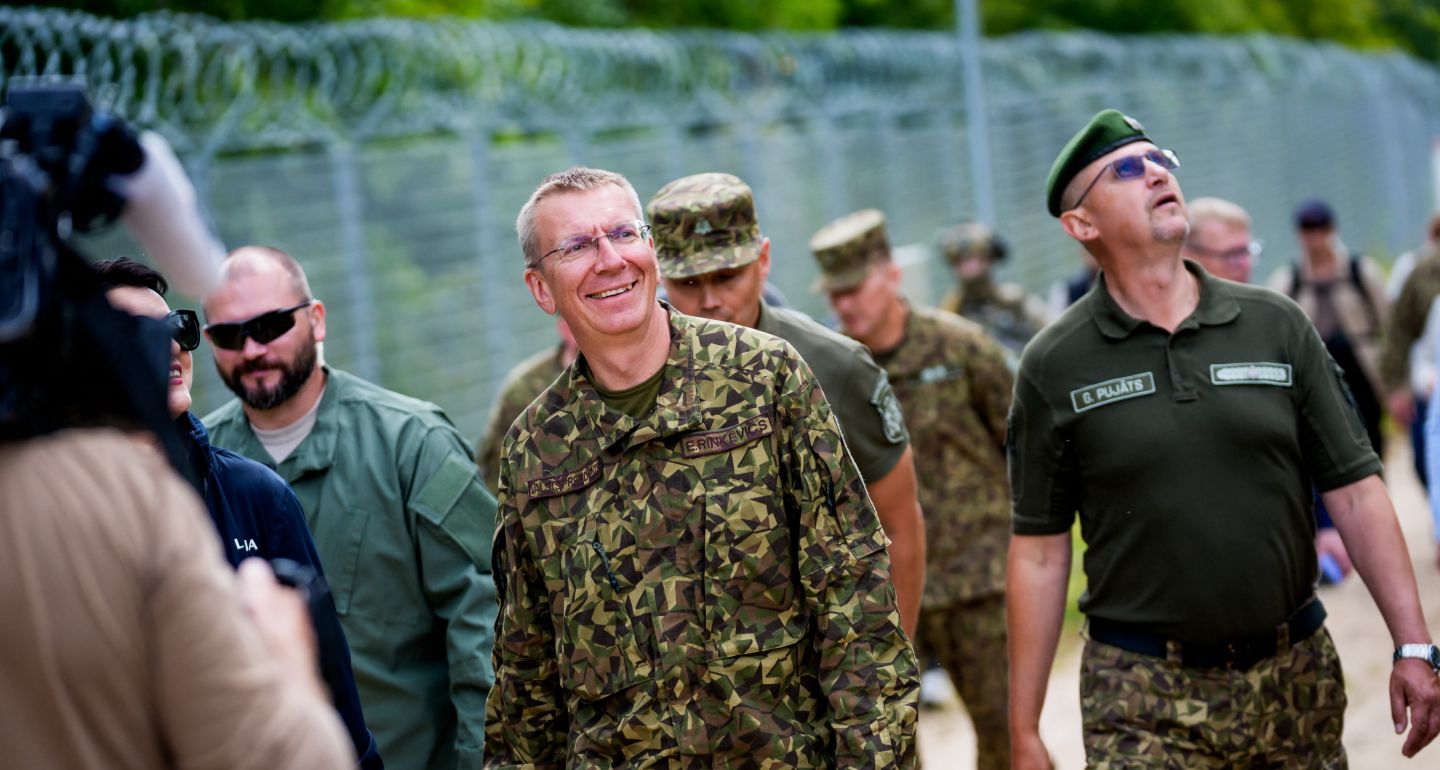
Latvia and Lithuania have been considering whether they could temporarily host NATO nuclear weapons in the event of war or a similar crisis.
Sergejs Potapkins
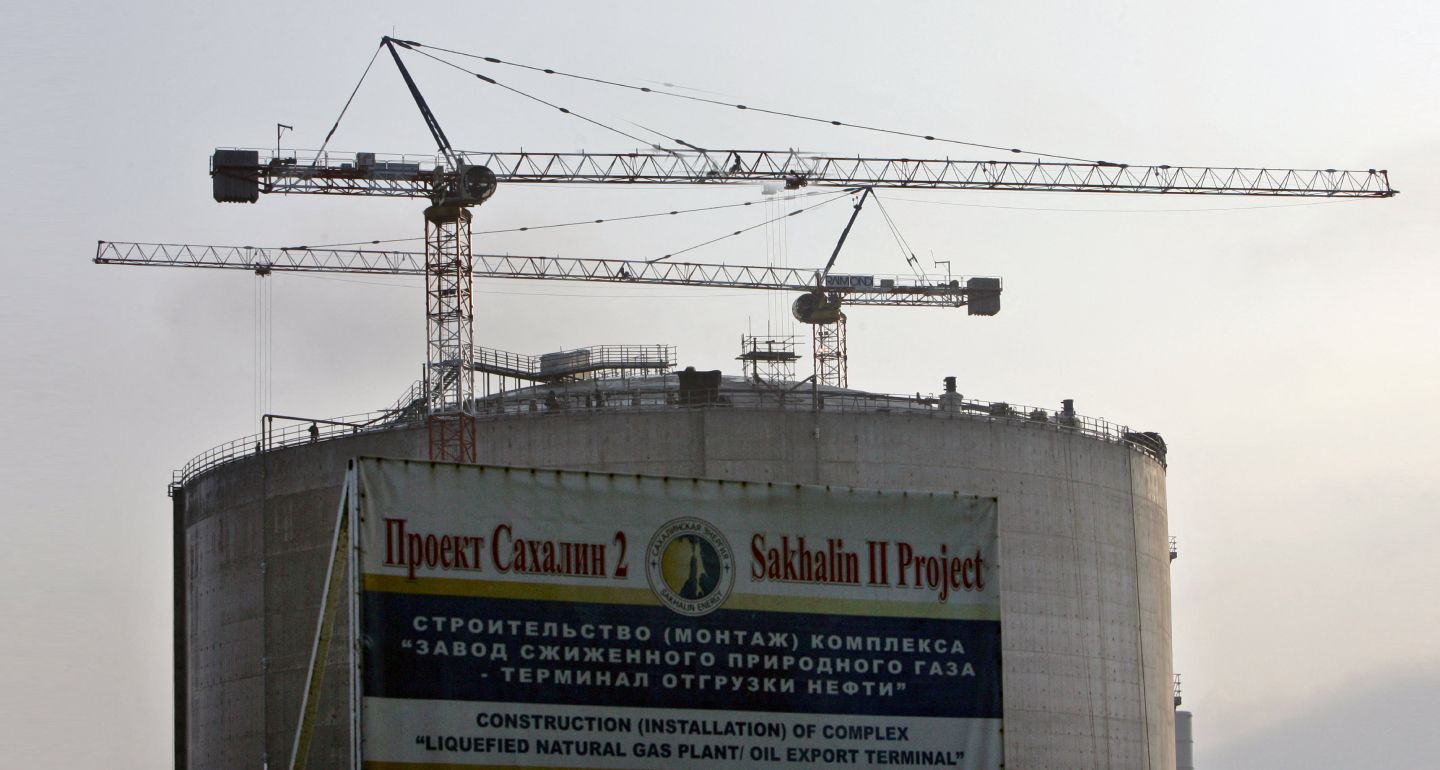
Russia does not have to treat Western companies as equal partners. A centralized regime built on a foundation of oil and gas income was never going to relinquish what it saw as sovereign control.
Edward C. Chow
The new Serbian leadership may have promised to keep on cooperating with Russia, but soon they will have to make a choice between fighting corruption and sealing lucrative deals with Moscow. The two are mutually exclusive, even if the new leaders in Belgrade haven’t yet realized it.
Maksim Samorukov
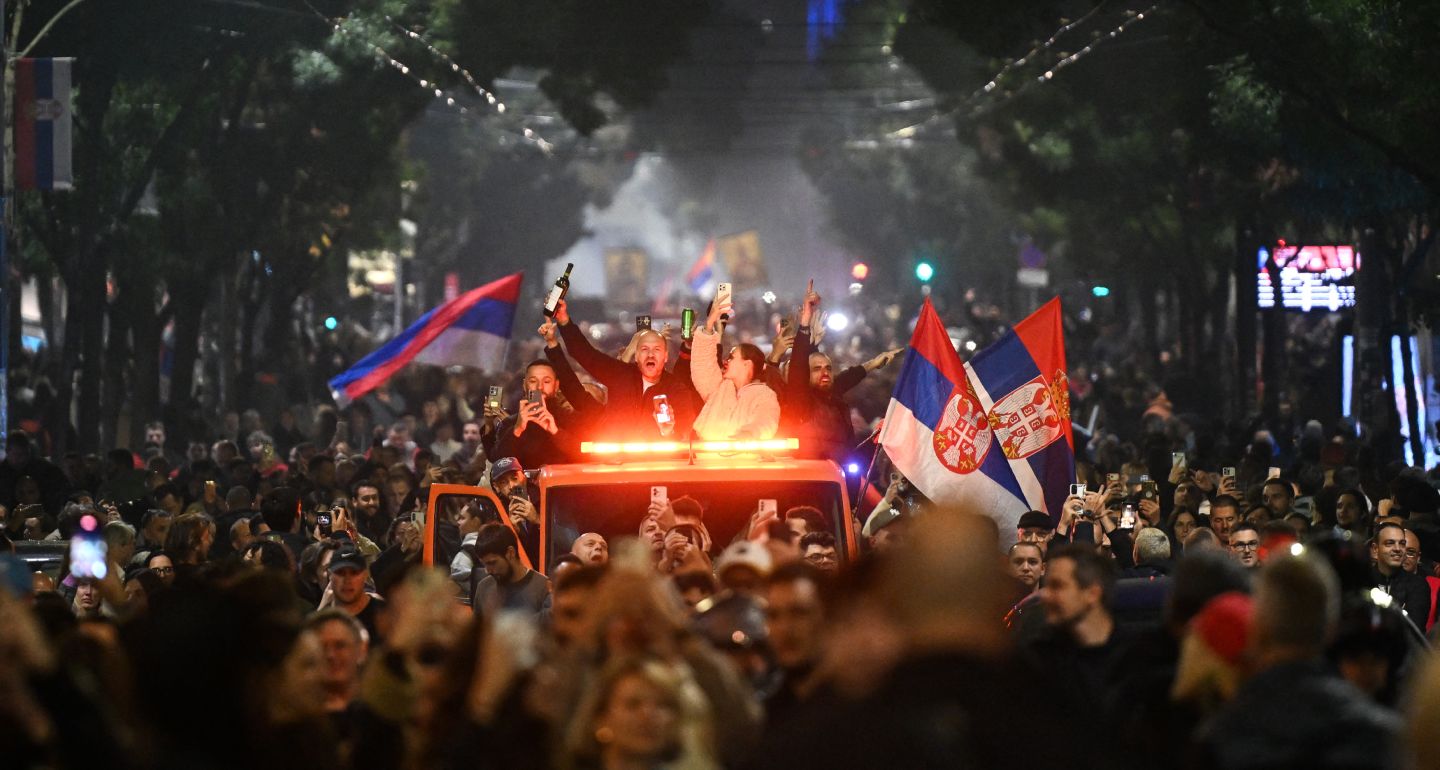
Serbia’s electoral earthquake is an extremely rare example of an entire political system being defeated by street protesters who played by the rules.
Alexander Baunov