

Комментарий
Темур Умаров
{
  "authors": [
    "Темур Умаров"
  ],
  "type": "commentary",
  "blog": "Carnegie Politika",
  "centerAffiliationAll": "dc",
  "centers": [
    "Carnegie Endowment for International Peace",
    "Берлинский центр Карнеги"
  ],
  "collections": [
    "Aso Tavitian Initiative"
  ],
  "englishNewsletterAll": "ctw",
  "nonEnglishNewsletterAll": "",
  "primaryCenter": "Берлинский центр Карнеги",
  "programAffiliation": "russia",
  "programs": [
    "Russia and Eurasia"
  ],
  "projects": [],
  "regions": [
    "Центральная Азия",
    "Казахстан",
    "Кыргызстан",
    "Таджикистан",
    "Туркменистан",
    "Узбекистан",
    "Россия",
    "Россия и Кавказ"
  ],
  "topics": [
    "Внешняя политика США",
    "Экономика"
  ]
}
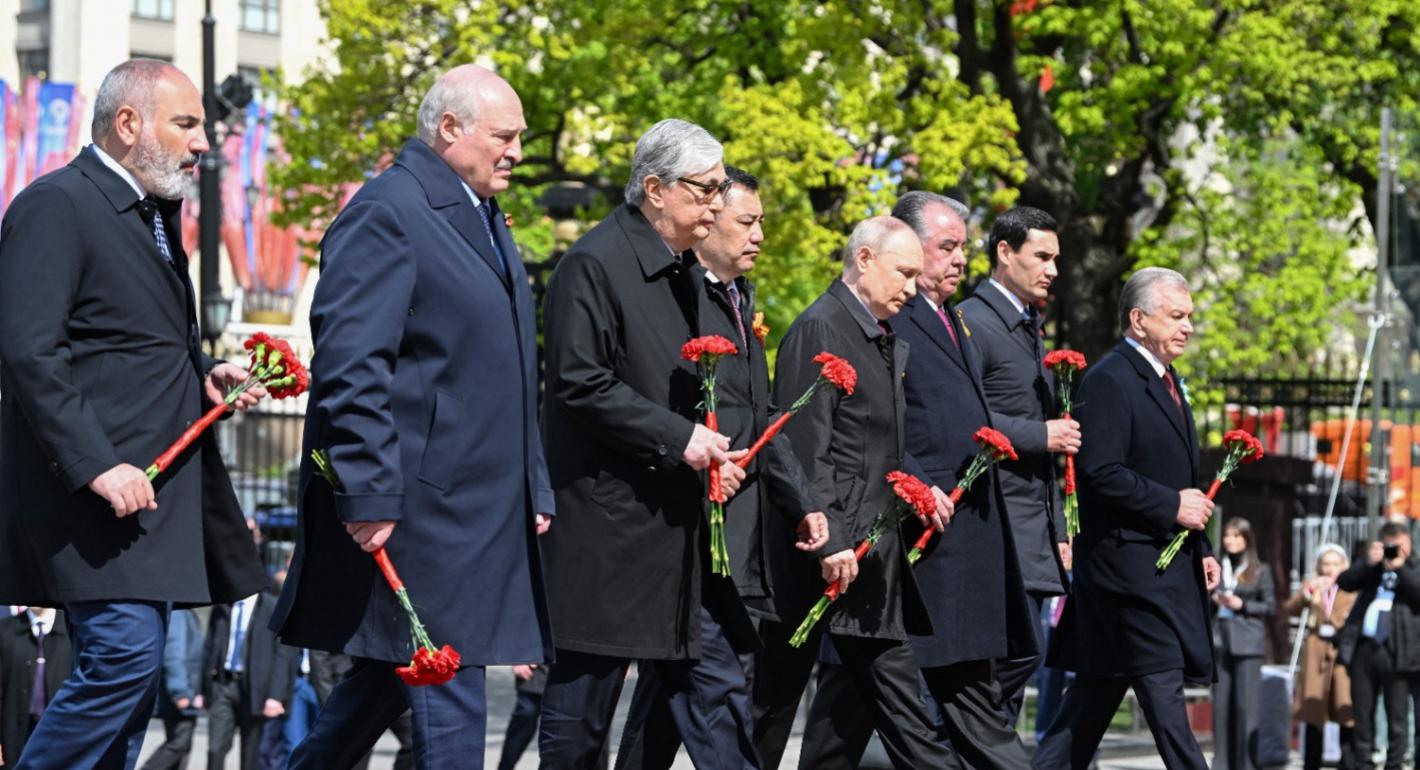
Источник: Getty
Центральноазиатские политические элиты, заинтересованные в сохранении своих режимов, смотрят на вторжение в Украину сквозь призму собственных интересов. Поэтому продолжат демонстрировать лояльность Путину
Всего за три дня до традиционного парада на Красной площади ожидалось, что в этом году любимый праздник Владимира Путина пройдет скромно. Планировался визит лишь одного высокопоставленного гостя — президента Кыргызстана Садыра Жапарова. Пресс-секретарь Путина объяснял это тем, что дата не юбилейная.
Однако за день до парада оказалось, что на него срочно собрались все президенты стран Центральной Азии, а также премьер-министр Армении Никол Пашинян и президент Беларуси Александр Лукашенко.
Несмотря на немалые репутационные риски и общую опасность — дроны летают уже над Кремлем, — лидеры Центральной Азии все равно приехали на парад. Больше года они старались держаться как можно дальше от темы войны, а тут согласились на то, что воспринимается многими как жест поддержки российского вторжения в Украину. Вопрос — зачем?
Еще до войны президенты Центральной Азии старались отмечать 9 мая дома. Важно было использовать любой объединяющий праздник как способ укрепить сравнительно молодую государственность. Некоторые даже пытались перетянуть одеяло в праздновании 9 мая на себя, чтобы не дать России закрепить лишь за собой статус победительницы в главной войне XX века.
В Узбекистане День Победы переименовали в День памяти и почестей, в каждой из столиц Центральной Азии проходили свои военные парады, страны соревновались с Россией и между собой, кто больше выделит единовременных выплат ветеранам. Но иногда на парад в Москву все равно приезжали, в этом не было проблемы.
Однако все изменилось с началом российского вторжения в Украину. Путин стал использовать праздник 9 мая как оправдание агрессии, и приезд в Москву выглядел бы как готовность поддержать его в этом. После вчерашнего парада всюду ожидаемо разлетелись кадры, где лидеры Центральной Азии вместе с участниками «спецоперации» сидят за спиной российского лидера и аплодируют его речи о «священной борьбе за родину». После такого доказать, что страны Центральной Азии не поддерживают агрессию России против Украины, будет намного сложнее.
Собственно, это хорошо понимали в центральноазиатских столицах, поэтому изначально не собирались на парад. Это видно по официальным заявлениям президентских пресс-служб. К примеру, за две недели до парада президент Казахстана Касым-Жомарт Токаев заявлял, что 9 мая планирует в Астане «почтить память погибших в Великой Отечественной войне». А президент Узбекистана Шавкат Мирзиеев поручил организовать 9 мая празднование и салюты в Ташкенте — очевидно, чтобы самому принять в них участие.
Да и сама Москва поначалу явно не собиралась никого звать. 24 апреля пресс-секретарь российского президента Дмитрий Песков заявлял, что парад не юбилейный, поэтому «специальных приглашений» никому не рассылали.
Заранее планировался лишь визит Садыра Жапарова — были известны и расписание, и состав внушительной официальной делегации. Сначала президент Кыргызстана вместе с Вячеславом Володиным посетил Ржев, потом встретился с Валентиной Матвиенко, подписал с Путиным совместное заявление, а сразу после парада — встретился с премьером Михаилом Мишустиным.
Слова Пескова о том, что приглашения не рассылались, подтверждает информация с официальных сайтов президентов Центральной Азии. Но, видимо, во времена «спецоперации» в России все спецоперативно — даже приглашения на парад.
Спецприглашения в виде телефонных звонков от президента Путина пошли одно за другим за несколько дней до парада. Информация о них появлялась не на сайте Кремля, а на сайтах пресс-служб приглашенных президентов: 5 мая — у президента Таджикистана Рахмона, 7 мая — у туркменского главы Сердара Бердымухамедова. Мирзиеев и Токаев и вовсе поставили всех перед фактом, опубликовав фотографии уже с трапа самолета.
Скорее всего, президентам Центральной Азии (кроме Жапарова) изначально удалось вежливо уклониться от поездки. Но когда позвонил Путин — отказываться стало не только сложно, но и опасно.
С началом войны Центральная Азия, где все страны гордятся своей многовекторной внешней политикой, оказалась меж двух огней. С одной стороны, центральноазиатские государства боялись, что их автоматически запишут в агрессоры вместе с Россией. С другой — опасались, что Москва потребует помогать ей словом и делом.
Отношения с Западом для Центральной Азии важны не меньше, чем с Москвой или Пекином. На примере России видно, что если Запад вводит против какой-то страны санкции, то их соблюдают все, включая Китай. Центральной Азии стало сложнее поддерживать партнерские отношения одновременно и с Россией, и с Западом, когда те оказались в шаге от войны друг с другом.
Больше года руководители стран региона выстраивали сбалансированную реакцию на происходящее. Никто официально не признал аннексированные территории Украины частью РФ, но одновременно никто публично не критиковал Путина и не осуждал войну. Все согласились соблюдать санкционный режим, но одновременно не особенно препятствовали тому, чтобы открыть на своей территории окно для России в несанкционный мир.
Поддерживать такой хрупкий баланс непросто, поэтому время от времени центральноазиатские страны неизбежно заносит то в одну, то в другую сторону. К немалому раздражению Москвы западные делегации не раз приезжали в Центральную Азию консультировать местные власти по вопросам соблюдения санкций. К примеру, в конце апреля США и Великобритания в очередной раз предупреждали, что могут ввести вторичные санкции против казахских банков и компаний. Узбекский Центробанк тоже высказывался о растущей опасности оказаться под санкциями.
Москва отвечала на это завуалированными и асимметричными угрозами, предлагая центральноазиатским лидерам самим догадываться о степени опасности и масштабах возможных последствий. Вот Путин несколько раз подряд коверкает имена своих коллег из Центральной Азии, вот после каждого «дерзкого» заявления Токаева Россия не дает Казахстану экспортировать нефть в Европу, или вот Россельхознадзор запрещает импорт продуктов из страны ЕАЭС из-за ГМО. Что из этого просто совпадение, а что намек — каждый может решать сам.
В итоге предсказуемость Запада стала главным аргументом в пользу того, что президенты в Москву все-таки приехали. Пусть такой визит и выглядит нелучшим образом, но он не повлечет за собой каких-то особенно опасных последствий. Максимум, чего можно опасаться, — это критики со стороны Киева, а так Вашингтон или Брюссель вряд ли станут вводить санкции только за присутствие на параде.
А вот потенциальную реакцию Москвы на отказ приехать предсказать было сложно. Путин зациклен на истории и, по-видимому, считает своей «исторической миссией» сохранение наследия Российской империи и СССР на территории «ближнего зарубежья». Особенно опасной для Центральной Азии была бы ситуация, если бы в Кремле решили, что какая-то из стран региона превращается в новую «анти-Россию». Отказ в ответ на личное приглашение Путина мог бы резко ухудшить отношения с Москвой. Взвесив все за и против, лидеры стран Центральной Азии решили на парад все-таки приехать.
Были у этого визита и прагматические мотивы. Как показал 2022 год, Центральная Азия, вопреки ожиданиям, не стала разрывать связи с Россией, а, наоборот, даже сблизилась с ней. Больше года жизни в новых реалиях доказали, что соседствовать с огромной изолированной экономикой и дипломатически токсичной страной может быть выгодно.
Во-первых, центральноазиатские компании рекордно заработали на исчезновении западного импорта с российского рынка. Экспорт из всех стран Центральной Азии в Россию взлетел в 2022 году на десятки процентов.
Во-вторых, Центральная Азия становится финансовым хабом для россиян, которые активно вывозят свои сбережения за пределы России: за 2022 год из России в Казахстан перевели более $770 млн — это почти в семь раз больше, чем за 2021-й, в Узбекистан — $17 млрд (увеличение в 2,1 раза).
В-третьих, на Центральную Азию теперь направлено намного больше международного внимания, чем когда-либо. Страны Запада пытаются уговорить ее не помогать России, а Москва, наоборот, хлопочет о том, чтобы избежать ее отдаления.
Понимая, что такое внимание краткосрочно и связано не столько с уникальностью самого региона, сколько с его соседством с Россией, руководство стран Центральной Азии пытается выжать из нынешней ситуации максимум. Поэтому различные действия, выглядящие как склонение региона в ту или иную сторону, не стоит воспринимать как полную поддержку России или разрыв с ней.
Центральноазиатские политические элиты, заинтересованные в сохранении своих режимов, смотрят на вторжение в Украину сквозь призму собственных интересов. Поэтому продолжат демонстрировать лояльность Путину: вместе посещать парады и периодически хвалить Москву в публичных выступлениях. Можно назвать это попыткой усидеть на двух стульях, но именно такую стратегию выживания центральноазиатские режимы считают наиболее надежной.

Научный сотрудник
Темур Умаров — научный сотрудник Берлинского центра Карнеги по изучению России и Евразии
Недавние работы
Темур Умаров
Темур Умаров
Карнеги не занимает институциональных позиций по вопросам государственной политики; изложенные здесь взгляды принадлежат автору(ам) и не обязательно отражают взгляды Карнеги, его сотрудников или попечителей.
Читателю больше не нужны подмигивания, намеки, прозрачные аллегории, примеры из прошлого или инструменты проработки травмы. В книгах он ищет не объяснения происходящего с ним лично, со страной и миром, но укрытия от всего вышеперечисленного.
Галина Юзефович
Задержание Звинчука могло бы стать серьезным ударом по российской пропагандистской инфраструктуре на Балканах. Но пока из него можно сделать другой вывод: Москва ценит и защищает своих пропагандистов, а Европа до сих пор не решила, что с ними делать, ограничив риски для них несколькими часами в полиции.

Ксения Лученко, Иван Филиппов
При всей своей кажущейся незначительности нынешние перестановки закрепляют важную тенденцию: административное ядро российского госаппарата постепенно проседает, уступая все четче проступающим профильным сферам влияния.

Татьяна Становая
В широком диапазоне цен и рыночных условий, наблюдавшихся за четверть века, формула поставок газа в Китай дает на 20–30% более низкую цену, чем формула, действовавшая для Западной Европы.

Сергей Вакуленко

Российские удары по украинской промышленности и инфраструктуре лишают страну доходов и вынуждают тратить и без того ограниченные бюджетные средства на восстановление. То есть еще больше увеличивают разрыв между способностью страны продолжать боевые действия на фронте и способностью украинской экономики обеспечивать их в тылу.

Балаш Ярабик