

Commentary
Andrey Pertsev
{
  "authors": [
    "Andrey Pertsev"
  ],
  "type": "commentary",
  "blog": "Carnegie Politika",
  "centerAffiliationAll": "dc",
  "centers": [
    "Carnegie Endowment for International Peace",
    "Carnegie Russia Eurasia Center"
  ],
  "collections": [],
  "englishNewsletterAll": "ctw",
  "nonEnglishNewsletterAll": "",
  "primaryCenter": "Carnegie Russia Eurasia Center",
  "programAffiliation": "russia",
  "programs": [
    "Russia and Eurasia"
  ],
  "projects": [],
  "regions": [
    "Russia",
    "Caucasus"
  ],
  "topics": [
    "Political Reform",
    "Economy",
    "Domestic Politics"
  ]
}
Source: Getty
For years, the Kremlin diminished the role of regional governors. But the war and the president’s self-isolation from real problems have changed everything. Now the enforced publicity of regional leaders may serve to restore their genuine popularity and authority.
For many Russians, their country’s war against neighboring Ukraine is no longer a distant conflict that has no impact on their lives. Drones loaded with explosives have darkened the skies of not only border regions, but Moscow, too, while cross-border incursions by armed groups are now a regular occurrence in the Belgorod region. All the while, Vladimir Putin continues to pretend that nothing major is happening. The president intends to fight this war to the bitter end, but in order to avoid ever appearing to have lost, he cannot clearly articulate its ultimate goals.
Amid this deafening silence, anyone who recognizes the new reality looks preferable. As the figures responsible for dealing with the aftermath of attacks and for trying to reassure the residents of their regions, Russia’s regional governors have found themselves in the spotlight, and may well be able to boost their popularity through effective crisis management.
The increased shelling of the Belgorod region—the first Russian region to find itself dragged into Putin’s war—and incursions by armed groups are likely the greatest test Governor Vyacheslav Gladkov has faced in his career, but they have also provided him with plenty of opportunities to excel. Parts of the region, including the town of Shebekino with a population of 40,000, regularly come under fire, and residents of at-risk areas are being evacuated en masse away from the front. Gladkov was even publicly negotiating a prisoner exchange at one point, though he then quickly fell silent, likely upon the Kremlin’s orders.
The governor has also said openly that the region has insufficient funds to restore infrastructure after the shelling. Back in the 1990s, it was not unheard of for powerful governors to talk publicly about budgetary problems, but in Putin’s Russia, it’s highly unusual.
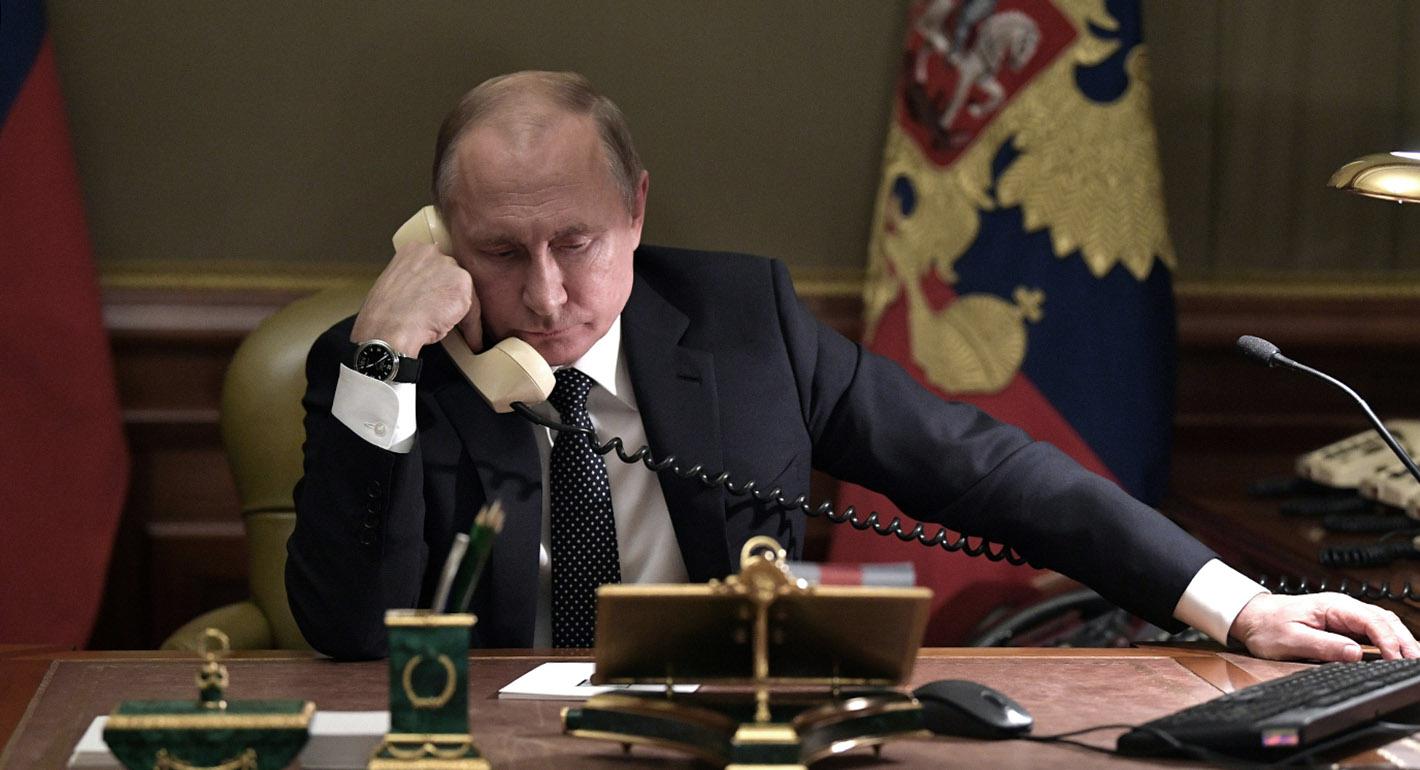
It might seem that the federal leadership and Putin himself should be taking control of the tense situation in the region. But for now, any federal intervention has been limited to phone calls between the president and local authorities. Residents of the region have gotten no reassurances from Putin.
Nor did the president have any words of support for Muscovites in the aftermath of the Moscow drone attack last month. Putin did eventually address the incident, but most of his tirade was devoted to the history of Ukraine and Russia. Instead, the reassurance came from Mayor Sergei Sobyanin, who said mobile teams of doctors were being set up in the city, promised to provide all necessary assistance, and tried to convince people that the city authorities would not abandon those impacted by the attacks.
This is not the first time that the central government has adopted this hands-off approach. During the pandemic, Putin also stepped back from talking about problems and trying to solve them, instead transferring all powers—and responsibility—to the governors.
The logic back then was obvious. Russian officials were having to make difficult choices between unpopular lockdown measures and additional deaths. Either option was doomed to alienate at least part of the public.
While the ratings of governors dropped accordingly, Putin simply stood on the sidelines. He only began to talk about the pandemic once clear response protocols and vaccines had been developed. Then Putin reported on successes that had nothing to do with him, since he had not been involved in the decisionmaking process.
The current situation is potentially even more dangerous than the pandemic, and that is why Putin remains silent. As soon as the original plan—to take Kyiv in three days—failed, the president distanced himself from the military agenda.
Putin is neither willing nor able to stop the war and admit his mistakes. At the same time, he knows that attempting to put the country on a full-scale military footing would be extremely unpopular. Putin clearly expects to achieve his goal by attrition. In the meantime, he prefers to keep well away from issues that could jeopardize his ratings.
All of this will strengthen the position of the governors and some government officials, since the more the war encroaches onto Russia’s home territory, the more they will be needed. Opinion polls confirm that Russian society’s desire for stability is as strong as ever. According to research conducted by the independent sociological group Russian Field, in presidential elections, Russians would rather vote for an “effective manager” than for a moralizer.
While Putin tells his people that “everyone has to die, and it’s better to do so in war than from alcoholism,” and then descends into another polemic about the history of Ukraine, “Anglo-Saxons,” and anti-colonialism, the governors simply say: “all necessary assistance will be provided.” It’s not hard to see which is the winning rhetoric.
For many years, the Kremlin diminished the role of governors, turning them into mere executors of Putin’s decisions, his operational managers on the ground. The war—and the president’s self-isolation from real problems—has changed everything. The enforced publicity of regional leaders may serve to restore their genuine popularity and authority. Governors are finally starting to behave like real public politicians.
There is no clearer illustration of this than the evolution of Gladkov. From managing a broadly positive agenda of promises of investment and posting upbeat videos on his Instagram page, he has now switched to full military mode, visiting bombed out areas and talking to those affected. And it’s paying off: his approval rating is close to 90 percent, an unprecedented figure among Russian governors.
Both Gladkov and Sobyanin understand that the average Russian does not really differentiate between the spheres of responsibility of governors versus the federal government, and that in any case, they will seek answers from whomever is closer. The regional heads anticipate grassroots demand and respond to it. In other words, they are doing what Putin stopped doing long ago.
Having permitted themselves to show initiative, these regional politicians are still only working to achieve specific tactical goals rather than far-reaching plans. Gladkov monitors his rating zealously, while Sobyanin is mindful of September’s mayoral elections. But everything that is happening shows that amid the state of semi-paralysis within the power vertical, those nearer to the bottom of it are gaining unprecedented autonomy, and that if needed, Russian officials are prepared to disregard the seemingly unbreakable rules of that vertical. In the event of the system’s destruction, these people will not simply disappear. They will integrate into the new order—or even start to create new orders themselves.

Andrey Pertsev
Andrey Pertsev is a journalist with Meduza website.
Recent Work
Andrey Pertsev
Andrey Pertsev
Carnegie does not take institutional positions on public policy issues; the views represented herein are those of the author(s) and do not necessarily reflect the views of Carnegie, its staff, or its trustees.
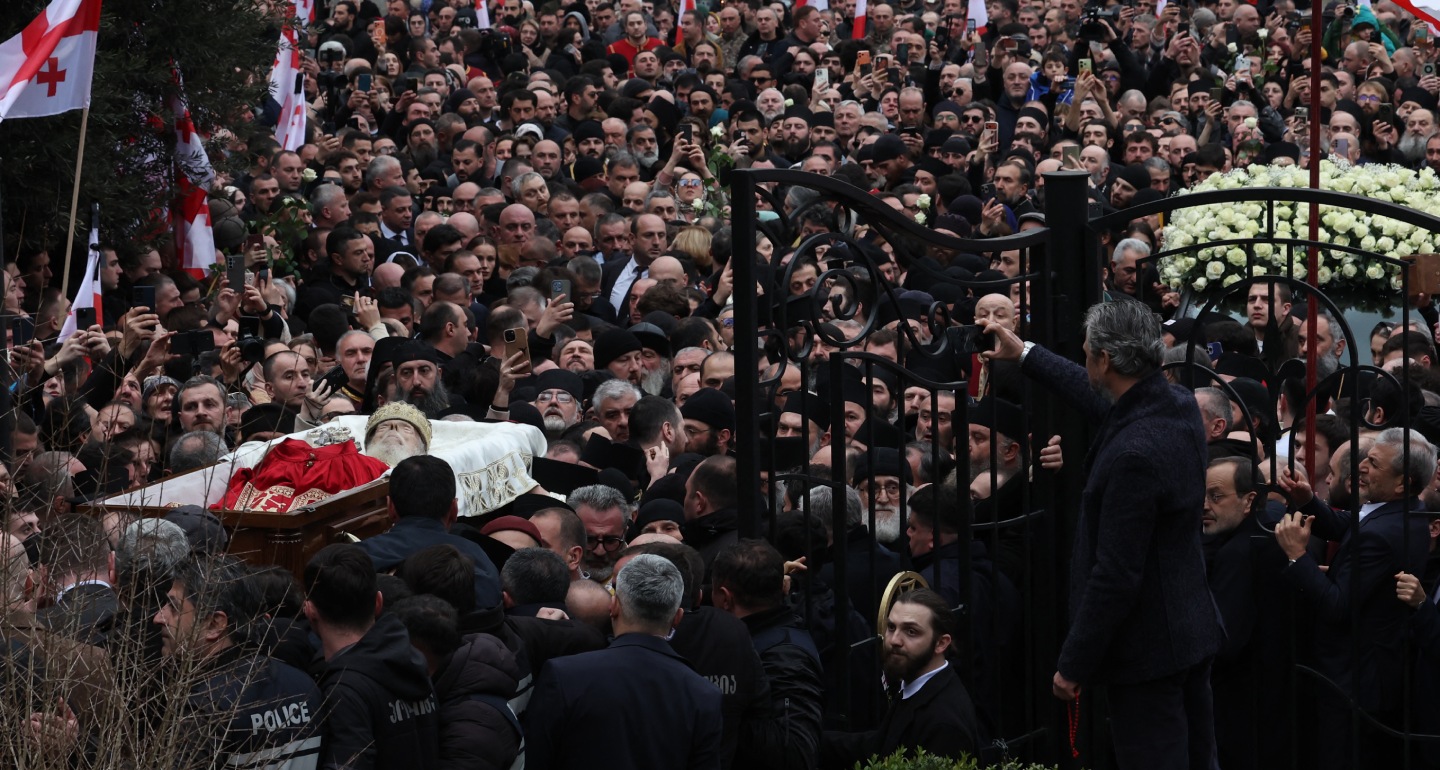
The front-runner to succeed Ilia II, Metropolitan Shio, is prone to harsh anti-Western rhetoric and frequent criticism of “liberal ideologies” that he claims threaten the Georgian state. This raises fears that under his leadership the Georgian Orthodox Church will lose its unifying role and become an instrument of ultraconservative ideology.

Bashir Kitachaev
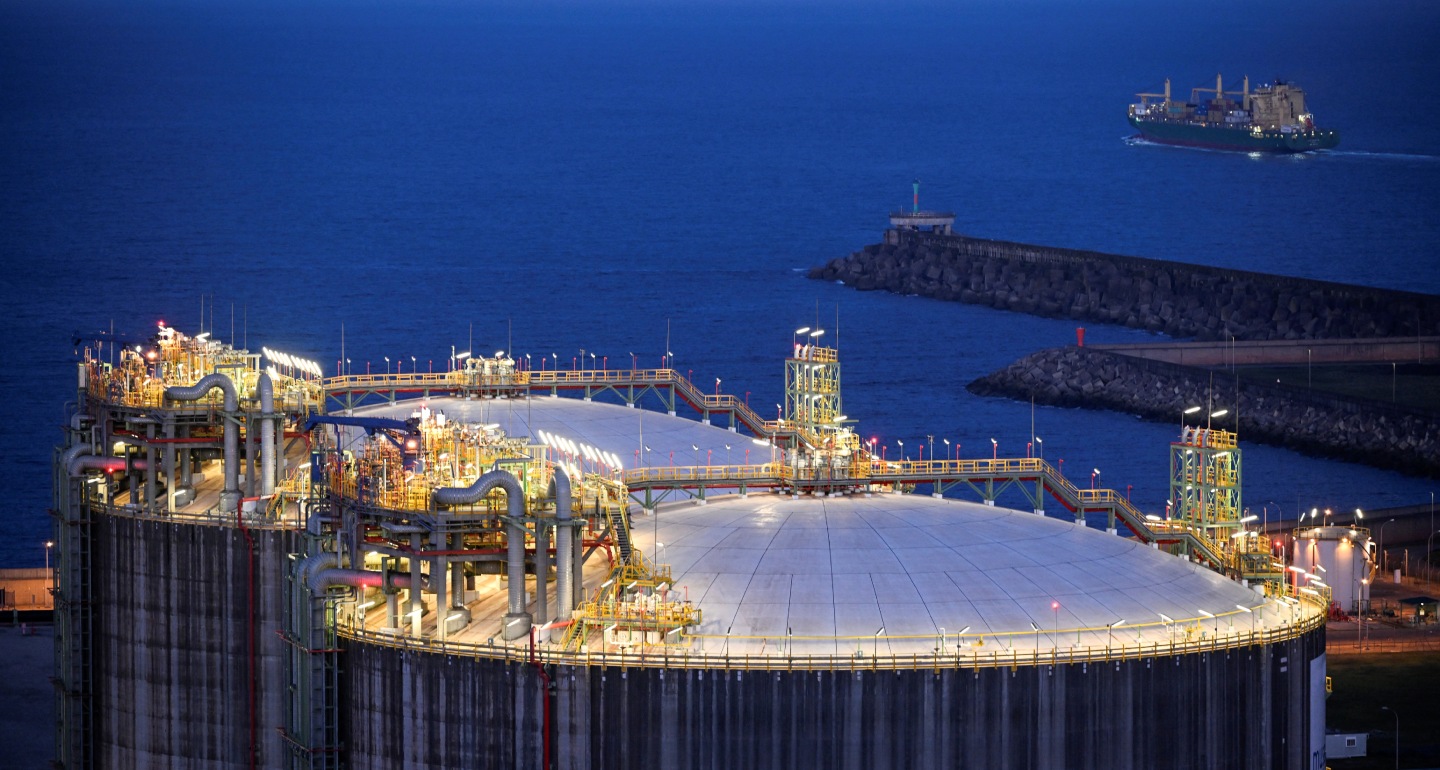
The future trajectory of the U.S.-Iran war remains uncertain, but its impact on global energy trade flows and ties will be far-reaching. Moscow is likely to become a key beneficiary of these changes; the crisis in the Gulf also strengthens Russia’s hand in its relationships with China and India, where advantages might prove more durable.

Sergey Vakulenko
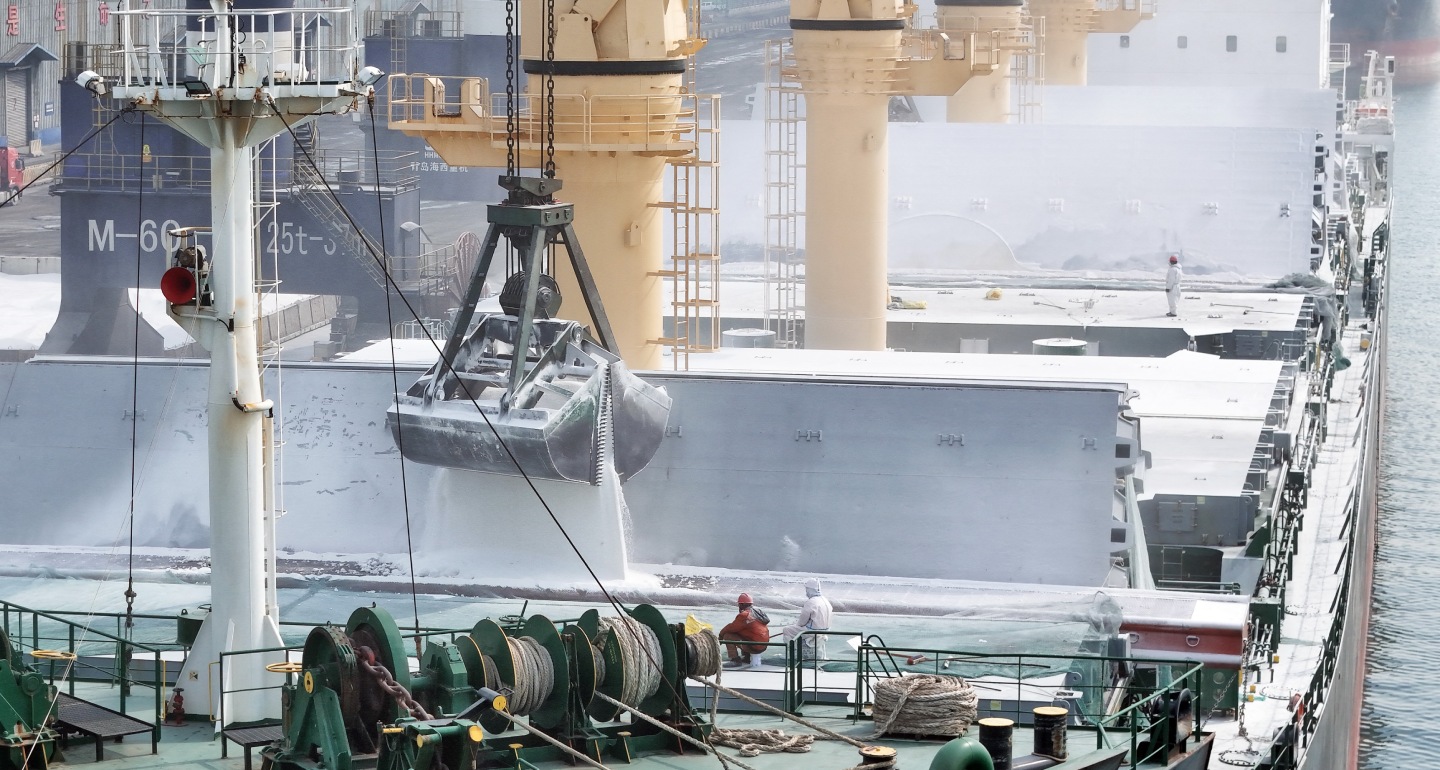
The Kremlin expects to not only profit from rising fertilizer prices but also exact revenge for the collapse of the 2023 grain deal.
Alexandra Prokopenko
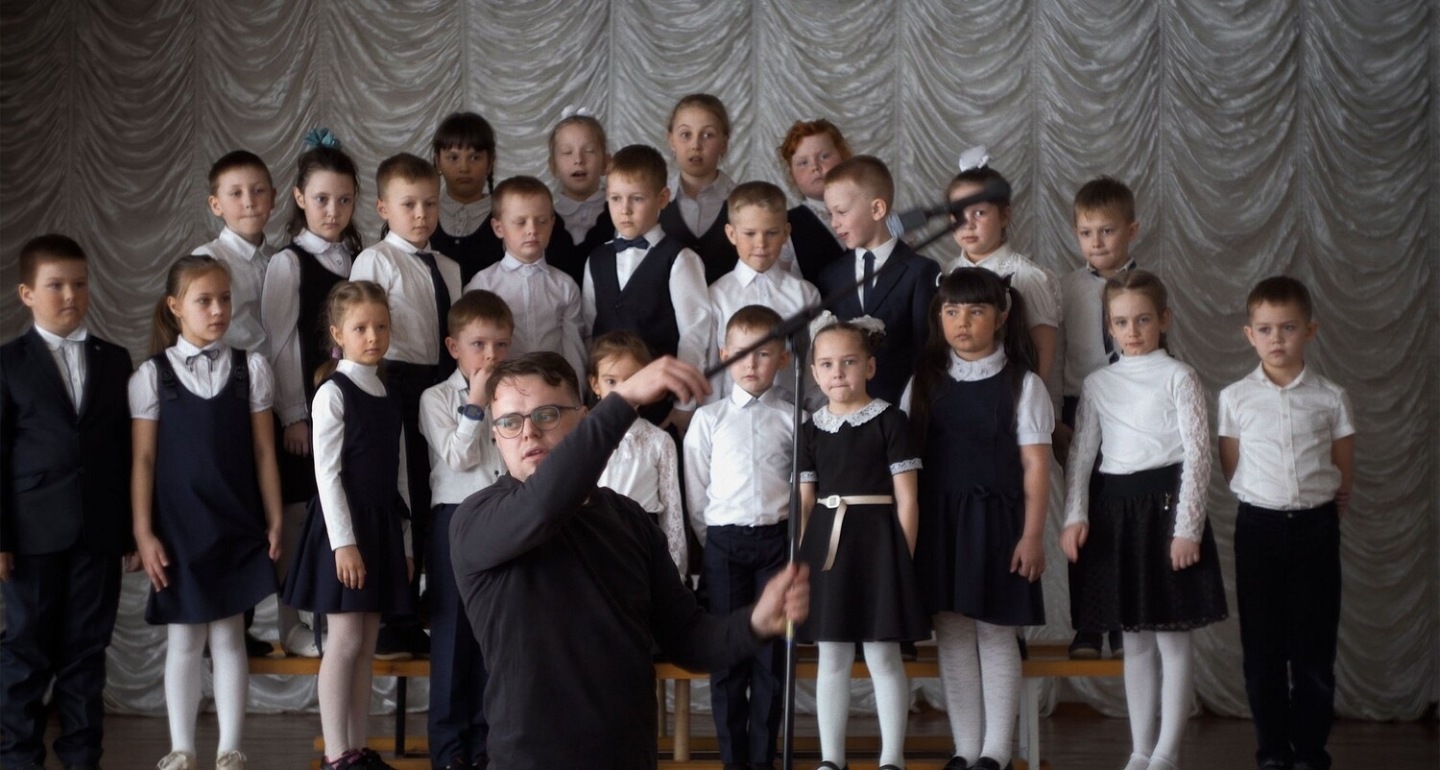
Talankin and Borenstein’s documentary is a unique inside look at a regime that threatens the world and has killed thousands of people in its neighboring country. And many critics and general viewers alike draw parallels between the Putin regime and their own governments.

Ekaterina Barabash

The history of Telegram’s relations with the Russian state offers a salutary lesson for international platforms that believe they can reach a compromise with the Kremlin.

Maria Kolomychenko