

Комментарий
Андрей Перцев
{
  "authors": [
    "Андрей Перцев"
  ],
  "type": "commentary",
  "blog": "Carnegie Politika",
  "centerAffiliationAll": "dc",
  "centers": [
    "Carnegie Endowment for International Peace",
    "Берлинский центр Карнеги"
  ],
  "collections": [],
  "englishNewsletterAll": "ctw",
  "nonEnglishNewsletterAll": "",
  "primaryCenter": "Берлинский центр Карнеги",
  "programAffiliation": "russia",
  "programs": [
    "Russia and Eurasia"
  ],
  "projects": [],
  "regions": [
    "Россия",
    "Россия и Кавказ"
  ],
  "topics": [
    "Политические реформы",
    "Экономика",
    "Внутренняя политика России"
  ]
}
Источник: Getty
Увлекающийся самодеятельностью Путин все чаще рушит планы своей администрации, считая, что его компетенции и знаний достаточно для такого вмешательства. Но с реальностью и прагматикой эти действия президента мало соотносятся
Для выдвижения Владимира Путина на новый срок внутриполитический и информационный блоки Кремля приготовили несколько площадок, которые никак не ассоциировались с войной. План был понятен: внушить обществу «социальный оптимизм». Россияне устали от военной темы, а «историческое заявление» на мирном мероприятии — например, на выставке «Россия» на ВДНХ или в ходе прямой линии «с народом» — создало бы иллюзию стабильности и общего спокойного настроя. Однако Путин сломал все эти планы и неожиданно предпочел выдвинуться от военных и «нашего Донбасса».
Президент все чаще занимается самодеятельностью, усложняя задачу своим подчиненным. Конечно, выдвижение от «спикера парламента ДНР» Артема Жоги вряд ли скажется на итогах выборов: нужный результат обеспечат многодневное и электронное голосование, а также корпоративная мобилизация. Однако этот случай показателен. В перспективе вмешательство Путина в другие чувствительные сферы — например, военную и экономическую — может привести к куда более плачевным последствиям для системы.
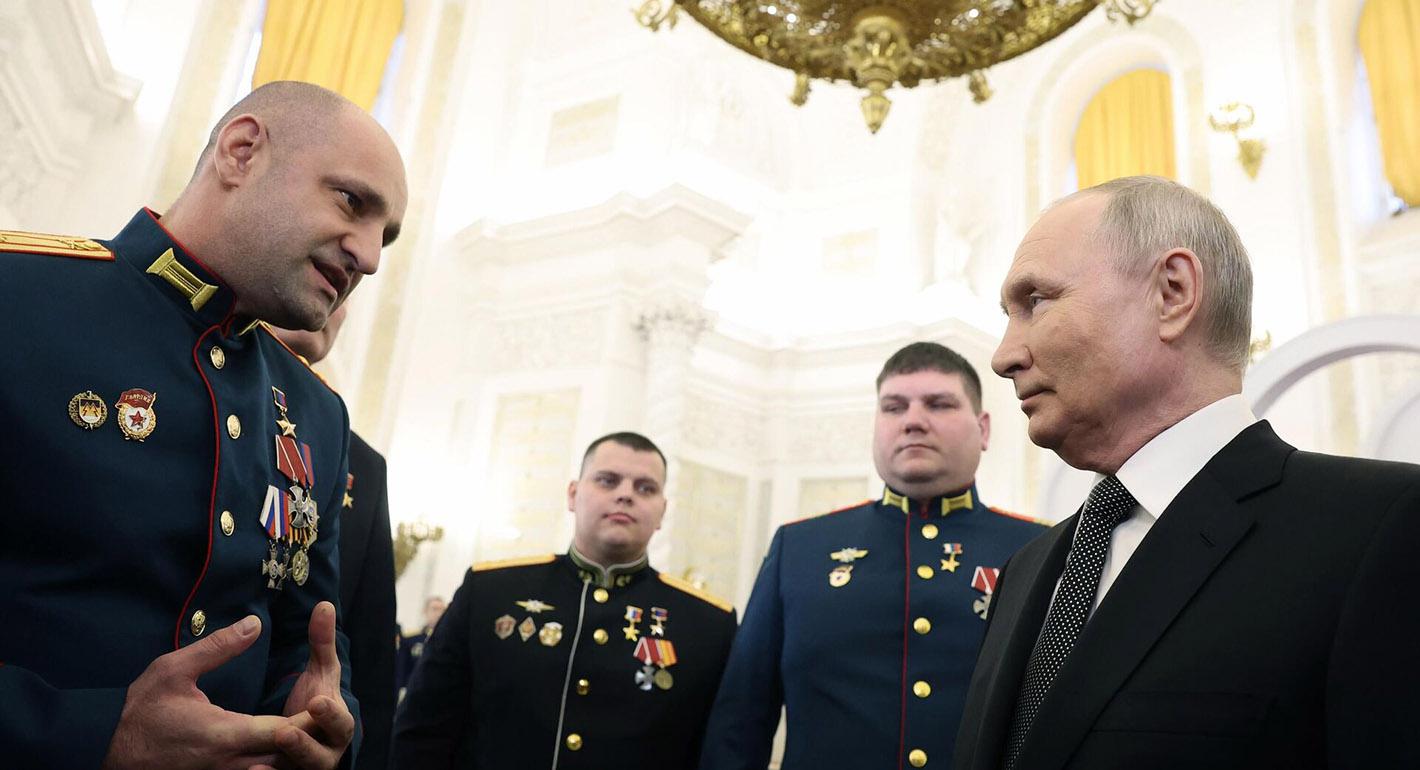
Об участии в выборах-2024 Путин объявил после состоявшейся в Кремле 8 декабря церемонии награждения званием Героя России. Слова о намерении баллотироваться прозвучали в ответ на эмоциональную просьбу «спикера парламента ДНР», бывшего командира батальона «Спарта» Артема Жоги.
Сценарий готовился впопыхах. Вплоть до того, что главный путинский летописец, спецкор «Коммерсанта» Андрей Колесников сначала написал в своем телеграм-канале, что к президенту обратился безымянный «награжденный подполковник». И только потом уточнил, что это был Жога.
Видео с президентским заявлением долго не появлялось в СМИ, а когда наконец появилось, то кадры стали еще одним свидетельством того, как поспешно все готовилось, что плохо вяжется с заявлениями Кремля об исторической значимости грядущего голосования. Задающего вопрос Жогу постоянно теснили другие участники церемонии награждения, которые хотели пожать руку президенту. Они явно были не в курсе того, что на их глазах происходит что-то важное.
При этом в такой поспешности и разлаженности не было никакой необходимости, потому что политический и информационный блоки президентской администрации готовили для путинского выдвижения сразу несколько возможных площадок, которые более соответствовали статусу «исторического события». Политблок ставил на подготовленную им на ВДНХ форум-выставку «Россия» — еще летом СМИ публиковали информацию, что Путин объявит о своем выдвижении на ее открытии 4 ноября. Это выглядело логичным шагом: президент говорит о переизбрании на фоне своих виртуальных достижений и нейросетевого хайтека. Однако в итоге Путин даже не приехал на открытие «России».
Еще одним вариантом была совмещенная с пресс-конференцией прямая линия, которая пройдет 14 декабря. Слияние двух форматов увеличило вес события. На его особый статус намекало и ранее не использовавшееся для подобных мероприятий название — «Итоги года с Владимиром Путиным». Выдвижение на прямой линии тоже было бы объяснимо с точки зрения политтехнологий. Вопрос об участии в выборах задал бы некий «представитель народа» — бюджетник, рабочий или даже бизнесмен, а президент бы откликнулся на его зов.
Под такой сценарий были заточены и другие события. Планировалось, что Совет Федерации назначит выборы президента на заседании 13 декабря, то есть накануне прямой линии. На это же мероприятие были ориентированы и парламентские партии, которые проведут свои съезды уже после общения Путина с народом.
В целом участие Путина в начавшейся президентской кампании — это новость без новости. Любое подобие интриги в этом вопросе исчезло еще после обнуления сроков его правления в 2020 году. Более того, около года назад источники сообщали, что Путин будет самовыдвиженцем и получит рекордные результаты при рекордной явке.
Выдвижение в специально созданных декорациях — на выставке или в ходе прямой линии — это то, что должно было скрасить эту ритуальность и предсказуемость, превратив происходящее в какое-никакое событие. Естественно, главе политблока Сергею Кириенко и руководителю информационного блока Алексею Громову хотелось подчеркнуть свою роль распорядителей путинских ритуалов, поэтому они сознательно преувеличивали значимость момента выдвижения.
Однако в итоге затратные сценарии Кириенко и Громова оказались выброшены в корзину. Их заменил плохо срежиссированный спектакль. Судя по всему, инициатор слома подготовленных схем — сам Путин. В силу чекистского прошлого президент не любит, когда о его планах — будь то кадровое решение или мероприятия в рамках избирательной кампании — известно заранее. Якобы тогда недоброжелатели извне или внутри смогут использовать эти планы в своих целях, подготовившись противодействовать им. Понятно, что «враги» не испытывали никаких иллюзий по поводу выдвижения Путина, но президент подул на воду и нагнал тумана там, где это совершенно не нужно.
Он поступает таким образом не в первый раз. В 2017 году политблок Кремля запланировал, что президент объявит о желании идти на новый срок на форуме волонтеров. Специально подготовленный участник даже задал соответствующий вопрос, но ответа от президента не получил. В итоге об участии в выборах Путин сказал на юбилее завода ГАЗ.
Сейчас полуспонтанное выдвижение президента тоже создало его подчиненным предсказуемые проблемы: им будет сложно поддерживать интерес к созданным декорациям кампании в виде выставки «Россия» и прямой линии. Ведь спектакль уже состоялся в другом месте.
Ранее Путин прислушивался к своим политическим советникам. Но сейчас он — представитель проблемного типажа кандидата под названием «сам себе технолог». Такой политик зачем-то нанимает профессионалов, но ключевые элементы кампании придумывает сам, считая, что хорошо знает предпочтения избирателя. Он генерирует неудачные слоганы, идеи и форматы агитации, мешая вести кампанию.
А в окружении президента всегда найдутся люди, готовые поддержать его представления о прекрасном и организовать ритуалы в соответствии с его вкусами. В нашем случае таким человеком, судя по всему, стал генсек «Единой России» Андрей Турчак, который глубоко вовлечен в военную тематику и давно знаком с Жогой.
На итогах выборов неудачный и смазанный формат выдвижения не скажется. Политблок за несколько лет хорошо отладил машину корпоративной мобилизации, которой теперь к тому же помогают электронное голосование и трехдневное проведение выборов. Но создать правильный, оптимистичный настрой избирателей стало сложнее.
Путин выбрал церемонию награждения милых его сердцу военных, которые выступили с просьбой от «нашего Донбасса». Между тем россияне явно устали от войны. По последним опросам, сторонников переговоров в российском обществе больше, чем желающих продолжения боевых действий.
Заявление о намерении идти на выборы, сделанное на «мирном» мероприятии, стало бы частью сеанса психотерапии: в стране все стабильно, ей не страшны война и санкции. Но президент решил иначе.
К тому же, откликнувшись на «просьбу Донбасса», Путин наступил на еще одну больную мозоль: в ходе опросов россияне не стесняются говорить, что средств на восстановление инфраструктуры Донбасса выделяется более чем достаточно (53% респондентов) или даже «чрезмерно» много (внушительные 28%). Внимание Путина к Донбассу этим настроениям противоречит.
Политблоку придется как-то сглаживать последствия президентской самодеятельности. Сделать это будет непросто, ведь Кремль намеренно разогревал тему с «исторической значимостью» момента выдвижения. Сейчас температуру надо понизить, и политблок Кириенко уже приступил к работе.
Так, Артем Жога попал в оргкомитет по выдвижению Путина, но стал в нем единственным военным и представителем аннексированных территорий. В остальном же инициативная группа состоит из привычной публики — Андрея Турчака, главы РСПП Александра Шохина, лидера фракции единороссов в Госдуме Владимира Васильева, статусных бюджетников, лояльных власти спортсменов и артистов.
Официально выдвижение состоится на собрании в московском «Зарядье» 16 декабря. То есть декорации путинской кампании все множатся, при этом одни мало связаны с другими. На фоне выставки «Россия», постоянно генерирующей мелкие события, и подготовки прямой линии чиновникам теперь пришлось думать еще и о сценарии заседания в «Зарядье». Однако энергии на спонтанные действия и многозадачность у системы немного. Показательна первая, подготовительная встреча комитета по выдвижению Путина в узком составе: на нее явно просто собрали тех, кто был в Москве, а место проведения мероприятия напоминало школьный спортзал.
Увлекающийся самодеятельностью Путин все чаще рушит планы своей администрации, считая, что его компетенции и знаний достаточно для такого вмешательства. Но с реальностью и прагматикой эти действия президента мало соотносятся. Они вредят и ему самому, и созданной им вертикали.
Выдвижение от Жоги не приведет к критическим последствиям, но оно доказывает, что президент готов вторгаться в чувствительные схемы в самый неподходящий момент. В случае действий, связанных с войной или экономикой, такое вмешательство может иметь куда более тяжелые последствия.

Журналист
Недавние работы
Андрей Перцев
Андрей Перцев
Карнеги не занимает институциональных позиций по вопросам государственной политики; изложенные здесь взгляды принадлежат автору(ам) и не обязательно отражают взгляды Карнеги, его сотрудников или попечителей.

Европейские крайне правые, возможно, не смогут развернуть политику ЕС в нужное России русло. Но они способны создать внутри Европы достаточно конфликтов, чтобы эффективно нейтрализовать любые ее геополитические амбиции. С точки зрения Кремля, это совсем неплохой результат.

Димитар Бечев

Севморпуть оживает ровно в той мере, в какой воюет остальной мир. Сейчас его подогревают сразу три конфликта, но с уменьшением их интенсивности ситуация, скорее всего, вернется туда, где была 10 лет назад.

Михаил Коростиков

Принудительная мобилизация с адресным контролем стала основной электоральной моделью. Вместо настоятельных просьб об одобрении своей политики Кремль теперь буквально требует голоса электората.
Андрей Перцев
Когда рутинно натягиваются эти самые 58%, а конституционное большинство добирается за счет не зависящих от этого процента мажоритариев, любой, кто попытается возвысить голос, будет выглядеть смешно.
Леонид Бершидский
Победить собственного избирателя оказалось проще, чем иностранную армию. Однако в результате такой победы отечественный избиратель начинает чувствовать себя оккупированным.

Александр Баунов