

Commentary
Russia spent years building a “sovereign internet,” concentrating web infrastructure exclusively within Russian territory. Ukrainian drone attacks have shown how vulnerable that approach has left the Russian internet.
Maria Kolomychenko
{
  "authors": [
    "Gleb Morev"
  ],
  "type": "commentary",
  "blog": "Carnegie Politika",
  "centerAffiliationAll": "dc",
  "centers": [
    "Carnegie Endowment for International Peace",
    "Carnegie Russia Eurasia Center"
  ],
  "collections": [],
  "englishNewsletterAll": "ctw",
  "nonEnglishNewsletterAll": "",
  "primaryCenter": "Carnegie Russia Eurasia Center",
  "programAffiliation": "russia",
  "programs": [
    "Russia and Eurasia"
  ],
  "projects": [],
  "regions": [
    "Russia",
    "Caucasus"
  ],
  "topics": [
    "Political Reform",
    "Domestic Politics"
  ]
}

Source: Getty
Culture may be less important for the current regime than it was for the Soviet Union—but that doesn’t mean Russia will avoid the mistakes of the past.
Russia’s full-scale invasion of Ukraine in 2022 sparked protests from some high-profile Russian cultural figures, from legendary pop diva Alla Pugacheva and rock star Zemfira to novelist Lyudmila Ulitskaya and theater director Dmitry Krymov. President Vladimir Putin’s regime responded with repression, which will inevitably continue to grow.
Many wonder if this new crackdown will resemble the not-so-distant reprisals of the Soviet era, which were a formative experience for both Russia’s intelligentsia and the country’s current rulers. Yet despite obvious parallels, cultural persecution in Russia today differs significantly from that in the Soviet Union. The recent issuing of an arrest warrant for émigré author Boris Akunin, one of Russia’s most popular writers, is a case in point.
Ruthless as they were with any culture independent of the state, it’s hard to imagine the Soviet authorities in the 1920s and 1930s (let alone after World War II) putting anti-Soviet émigré writers such as Ivan Bunin, Zinaida Gippius, or Vladimir Nabokov on a wanted list. The hypothetical headline “Arrest Warrant Issued for Vladimir Nabokov” just looks ridiculous.
Of course, if Nabokov had shown up at the Soviet border, he would have been arrested on the spot. But the Soviet authorities were reluctant to try to preemptively use their bureaucratic machinery against distant ideological enemies.
When the war on independent culture waged by the Soviet Union came to an end in the mid-1980s, those who were still alive returned to their country as victors. Their citizenship was restored, their novels published, their films broadcast, and their paintings exhibited. In other words, the state openly admitted defeat.
Putin and his cronies can surely not have forgotten this chapter of Russian history. So why are they following their Soviet predecessors down the same rabbit hole? The answer lies in their unique worldview, their values, and their understanding of history. However divorced from reality, this is key to explaining the current situation and how it might evolve.
Take one recent example from the North Caucasus spa town of Kislovodsk, where a motivational quote from the world-famous ballet dancer and actor Mikhail Baryshnikov, who was born in the Soviet Union and defected to the West back in the 1970s, was removed from the wall of a dance school. The mayor of Kislovodsk said he didn’t know how it had gotten there, and that while Baryshnikov was undoubtedly a genius, his anti-war stance, not to mention his Latvian citizenship, made any public display of his statements (ballet-related or otherwise) unacceptable.
This reasoning is unprecedented. The Soviet regime banned art by shunning the artist, whether it was the cellist Mstislav Rostropovich, film director Andrei Tarkovsky, or Baryshnikov. In many cases—such as those of the writers Boris Pasternak, Alexander Solzhenitsyn, and Joseph Brodsky, and the composer Arvo Pärt—being frozen out was accompanied by state-sponsored slander. But no one would ever have said: “Solzhenitsyn is a genius, but he’s anti-Soviet, so we won’t print his books.” Any “un-Soviet” culture was simply labeled defective and deemed unworthy of public consumption.
The reason for that is that the Soviet Union saw culture as part of communist ideology, which was destined to change the world. This explains the importance given to cultural policy from Stalin through to the 1980s. Culture has never been as important for Putin’s regime, which only sees ideology as a tool for solving specific political or economic problems.
Russia’s current rulers cherish only one institution: the state. They regard it as infallible, and the cornerstone of patriotism. Culture, meanwhile, for them, is a niche pastime. Dissident writers like Akunin may be talented, but when compared to the great affairs of state, the intrinsic value of their work is negligible.
A selective approach to culture is nothing new in Russia. The troublemakers are pushed out, the loyalists pushed to the fore. What is new, however, is the nonchalance with which the Putin regime ranks loyalty above all else—even when considering a work of art.
This approach becomes problematic when it runs up against Russian history. Many of the artists today hailed by the Kremlin as the foundation of Russian statehood were anything but loyalists in their own time. Indeed, most of the culture of nineteenth- and twentieth-century Russia was anti-regime.
If Putin’s cultural sorting continues, then it could end up relegating much of Russia’s heritage to the blacklist. But it’s impossible to imagine mainstream Russian culture without writers like Lev Tolstoy, Alexander Pushkin, and Maxim Gorky.
Moscow may pretend inconvenient figures don’t exist, but the inconsistencies are telling. Putin’s ideological machine now operates on an ad hoc basis, and its overriding priority is to harass artists who oppose the war in Ukraine. In keeping with the materialism of the current regime, this is mainly done by cutting them off from sources of income: canceling concerts, taking books off the shelves, or getting them fired.
At the same time, however, Moscow is seeking to build ideological Potemkin villages that create the illusion of national unity. Putin’s oft-repeated claim that the war in Ukraine has the support of all Russians is difficult to sustain when influential, anti-war artists remain in the public eye.
Putin’s regime is functioning without the slightest strategic understanding of how to shape cultural policy and, above all, with total disregard for the lessons of history. It is plowing ahead without the slightest thought about where it will end up.
Gleb Morev
Carnegie does not take institutional positions on public policy issues; the views represented herein are those of the author(s) and do not necessarily reflect the views of Carnegie, its staff, or its trustees.
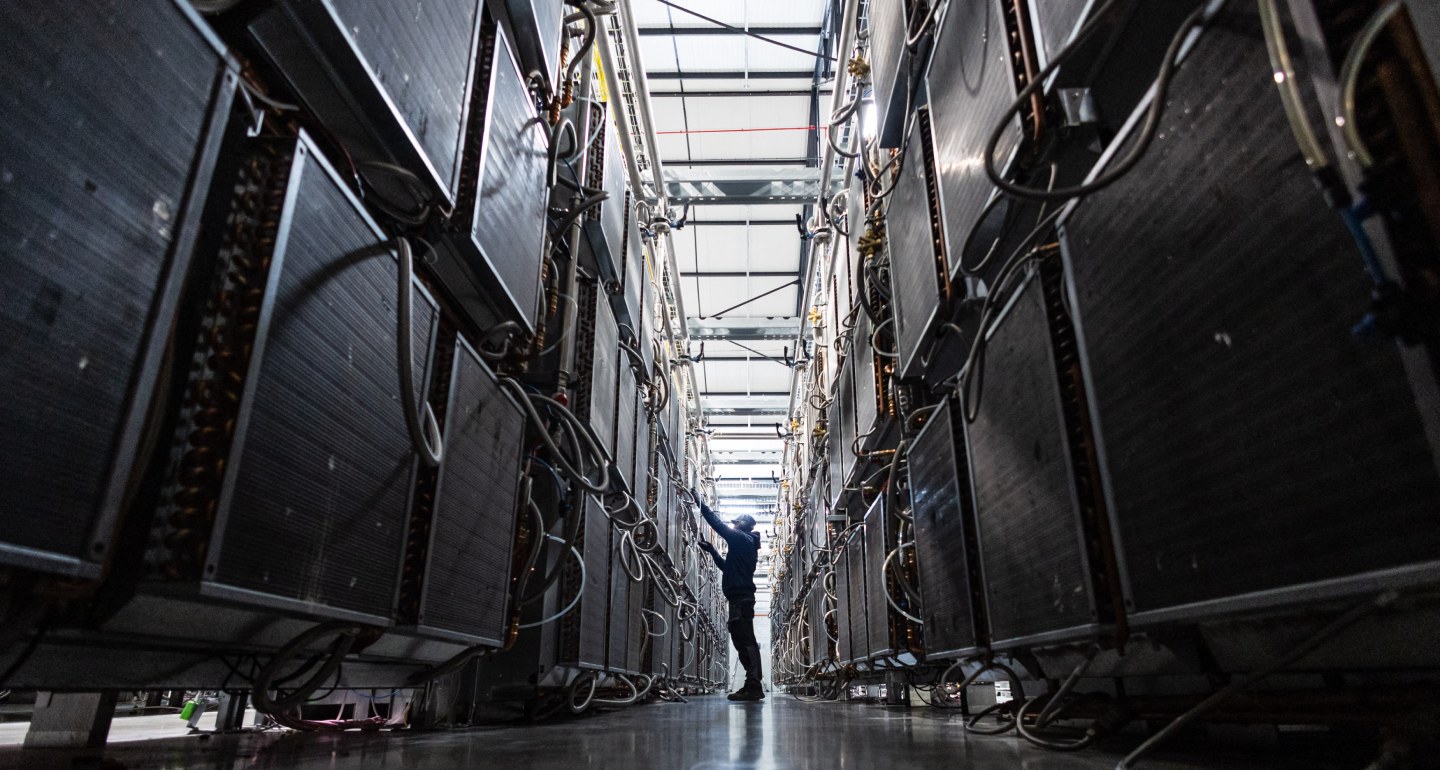
Russia spent years building a “sovereign internet,” concentrating web infrastructure exclusively within Russian territory. Ukrainian drone attacks have shown how vulnerable that approach has left the Russian internet.

Maria Kolomychenko

Putin’s conservative staffing policies and search for ever greater control have cemented parliament’s transformation into a bureaucratic appendage of the executive branch.

Andrey Pertsev

Russia’s AI-driven propaganda campaigns operate in a fragmented, chaotic, and often illogical manner. That’s not necessarily a problem for the Kremlin, though: It’s much easier to mimic genuine public debate that way.

Ilya Klishin

Russian strikes are weakening the economy sustaining Ukraine’s war effort. Closing the growing funding gap will require more European support and politically contentious reforms in Kyiv.

Balázs Jarábik

Ex-president Gurbanguly Berdimuhamedov remains interested in politics, but his son Serdar, Turkmenistan’s current president, is becoming increasingly independent and willing to break with his father’s legacy. If their covert rivalry goes too far, both risk losing power.

Galiya Ibragimova