

Commentary
Alexander Baunov
{
  "authors": [
    "Alexander Baunov"
  ],
  "type": "commentary",
  "blog": "Carnegie Politika",
  "centerAffiliationAll": "",
  "centers": [
    "Carnegie Endowment for International Peace",
    "Carnegie Russia Eurasia Center"
  ],
  "englishNewsletterAll": "",
  "nonEnglishNewsletterAll": "",
  "primaryCenter": "Carnegie Russia Eurasia Center",
  "programAffiliation": "",
  "programs": [],
  "projects": [],
  "regions": [
    "East Asia",
    "Russia and Eurasia"
  ],
  "topics": [
    "Foreign Policy"
  ]
}
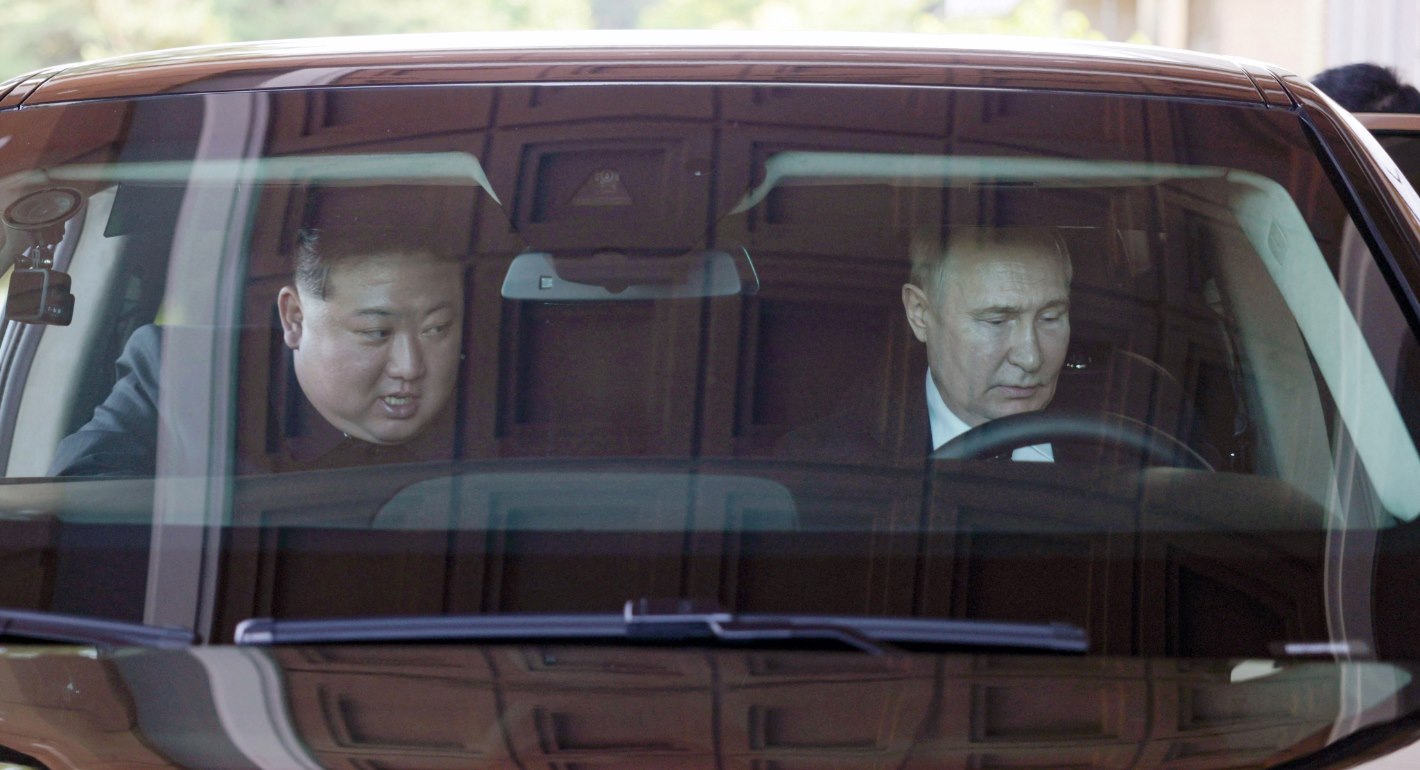
Source: Getty
Unlike Kim Jong Un, Vladimir Putin chose to bring about his country’s international isolation himself. Modern Russia is not an inheritance, but a regime built by his own hands.
Russian President Vladimir Putin’s ostentatious visit to North Korea last week may seem like a return to the Soviet past, but it is in fact a reconstruction of a myth.
Ahead of his arrival in Pyongyang, Putin wrote an article for North Korea’s main newspaper glorifying the traditions of friendship and cooperation of both peoples. The truth, however, is that Soviet leaders did not like the Kims. In fact, they despised their North Korean protégés. Even the worst scholars of Marx among the Soviet leadership were well aware that there was nothing Marxist-Leninist about this hereditary Juche.
In other words, just like odious Latin American dictators over in the U.S. camp, the Kims always played the role of “our son of a bitch” for the communist camp—unlike the romantic figure of Fidel Castro or Eastern European party bureaucrats. In all the decades of supposed friendship and cooperation, not a single Soviet leader visited North Korea.
Even before perestroika, ordinary Soviet people would laugh at the Kim dynasty and condescendingly pity the North Koreans. They would flip through the pages of Korea magazine and count their blessings. By visiting Kim and praising him as a good friend, therefore, Putin is not recreating Soviet reality and Soviet relations, but creating new ones.
Given North Korea’s image as a country of red flags, portraits of leaders, and collective farms, people assume by default that in the current pairing of Putin and Kim, the Russian leader is a pragmatist and the Korean leader is motivated by ideology.
The reality could hardly be more different. Kim did not study Juche at the Swiss schools he attended. Quite simply, he inherited ideology along with power, and uses it as a tool for holding onto that power—for his personal salvation. Another thing he inherited was his country’s international isolation.
Putin, in contrast, brought about Russia’s international isolation himself: it was his choice. His anti-Westernism is newer and accordingly has all the passion fitting of a neophyte. For Putin, modern Russia is not an inheritance, but the work of his own hands: he is building the regime himself, along with its slogans and institutions.
The same goes for war. Since the end of hostilities and freezing of the Korean War, the threat of using military force has been a key commodity for North Korea, with a value that has fluctuated depending on the circumstances. But for decades, Pyongyang has not moved from words to deeds, while Putin turned off down that path and followed it to the end in the space of just a few months.
The vocabulary of North Korean newspaper editorials and TV news is similar to early Bolshevik posters, but it is also a legacy. Everyone is used to it, which has diminished its power to offend. Russia’s new anti-Western language, meanwhile—one of conflict and contempt—is being created and adopted before our eyes, with Russian propagandists competing to see who can be more inventive in their insults and curses against the West. It goes far beyond what could be heard and read during the long decades of the Cold War.
Unlike the Kims, whose twenty-first century policies have fluctuated within the usual North Korean corridor of thawing and tensions in relations with the West and South Korea, Putin has undergone an evolution, as illustrated by the difference between his two visits to North Korea.
Putin first went there in 2000, shortly after being elected president. Back then, the trip was perceived as exotic. Although some viewed it as a nostalgic tribute to past greatness, Putin’s primary reason for visiting Pyongyang was as the head of a new Russia that could provide a valuable service to the global community by persuading North Korea to comply with limitation agreements on its missile program in exchange for security guarantees from Moscow. There was also a selfish motive: then U.S. president George W. Bush had begun to develop missile defense, citing threats from North Korea and Iran. No missiles would mean no threat to justify those plans.
Putin was sending a signal to the West—and to the outside world in general—that Russia was a useful and effective mediator in dealing with the enfants terribles of the world stage, which included many former Soviet allies. To the outcasts themselves, he made it clear that Russia was better placed than anyone else to help them improve relations with the West and end their isolation.
During that trip, Kim Jong Il said something to Putin that the Russian delegation rushed to interpret as meaning that North Korea would indeed limit its missile ambitions in exchange for Russian promises. “The Russian president told journalists after the negotiations that Mr. Kim had reassured him that North Korea was willing to use exclusively other countries’ missile technologies if it were offered booster rockets for peaceful space exploration,” the Kremlin website reported at the time.
It soon became clear, however, that Kim had no intention of curtailing his missile program. Putin never saw Kim Jong Il again. In 2006, Russia officially condemned the test of a North Korean ballistic missile, and in 2009, after another North Korean nuclear test, Russia (and China) joined sanctions against Pyongyang.
A quarter of a century after his first visit, Putin traveled to Pyongyang this week in an entirely different capacity: not as a young and pragmatic representative of the global order who would help improve relations with those who have not yet entered it, but as the self-proclaimed leader of the anti-globalist coalition, as one outcast meeting another, ready to join forces to stand up to the world as it is now.
Of course, both Putin and Kim consider themselves staunch pragmatists who bear no resemblance to the crazy ideological Marxists and anti-imperialists of the twentieth century. One needs ammunition for the war in Ukraine; the other needs money, military technologies, and hydrocarbons; and both need ways around sanctions and geopolitical counterbalances, for which they look to each other. Today, however, the greater cynic appears to be Kim, while Putin looks like the more emotional, affronted, bitter, and therefore ideologically motivated one of the pair.
Comparing the two visits provides a clear picture of both countries’ trajectories in the twenty-first century. Putin failed to bring North Korea into the global community, and instead managed to take Russia into North Korea’s small and lonely club.

Senior Fellow, Editor-in-Chief, Carnegie Russia Eurasia Center
Baunov is a senior fellow and editor-in-chief at the Carnegie Russia Eurasia Center.
Recent Work
Alexander Baunov
Alexander Baunov
Carnegie does not take institutional positions on public policy issues; the views represented herein are those of the author(s) and do not necessarily reflect the views of Carnegie, its staff, or its trustees.

Despite unhappiness on the ground, Moscow is determined to use both carrot and stick to ensure there is record support for United Russia in occupied Ukraine.

Konstantin Skorkin
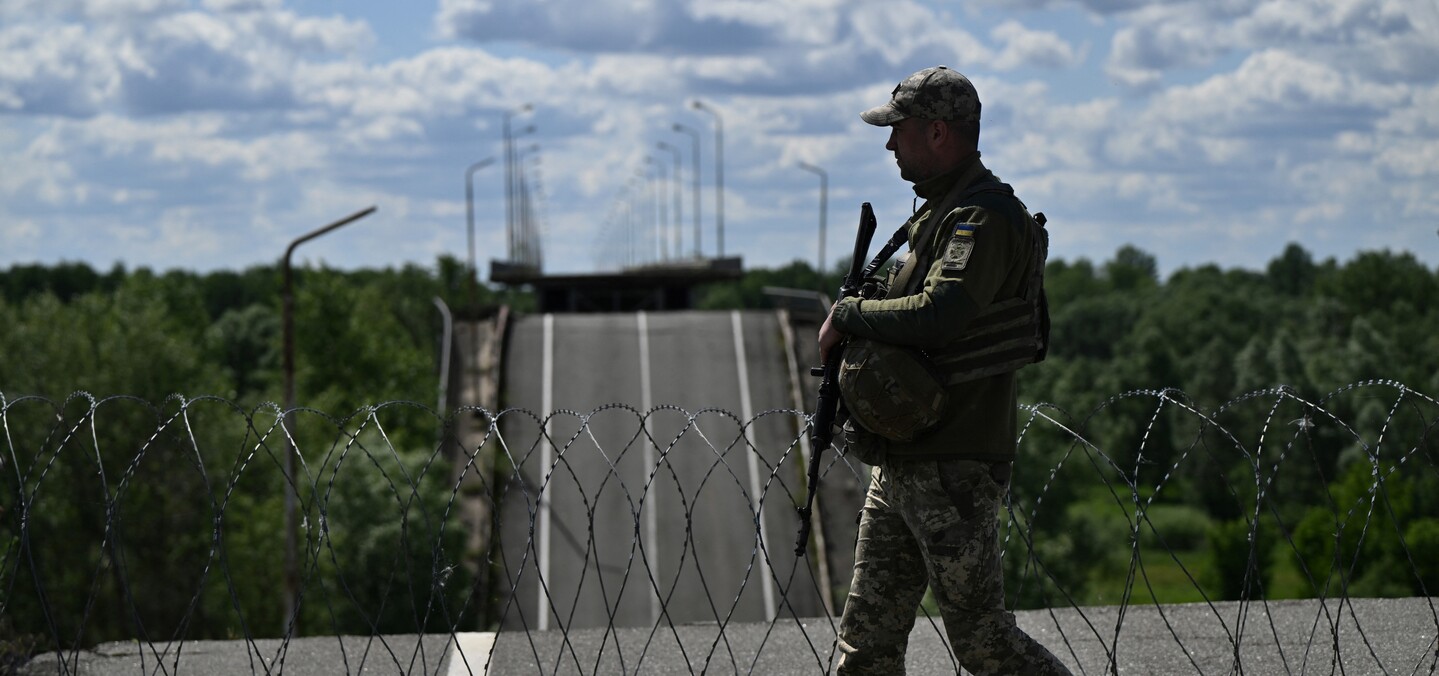
The recent damage inflicted by Ukrainian drones and missiles on Russia has made Belarus aware of its own vulnerabilities—and surprisingly amenable to Kyiv’s demands.

Artyom Shraibman
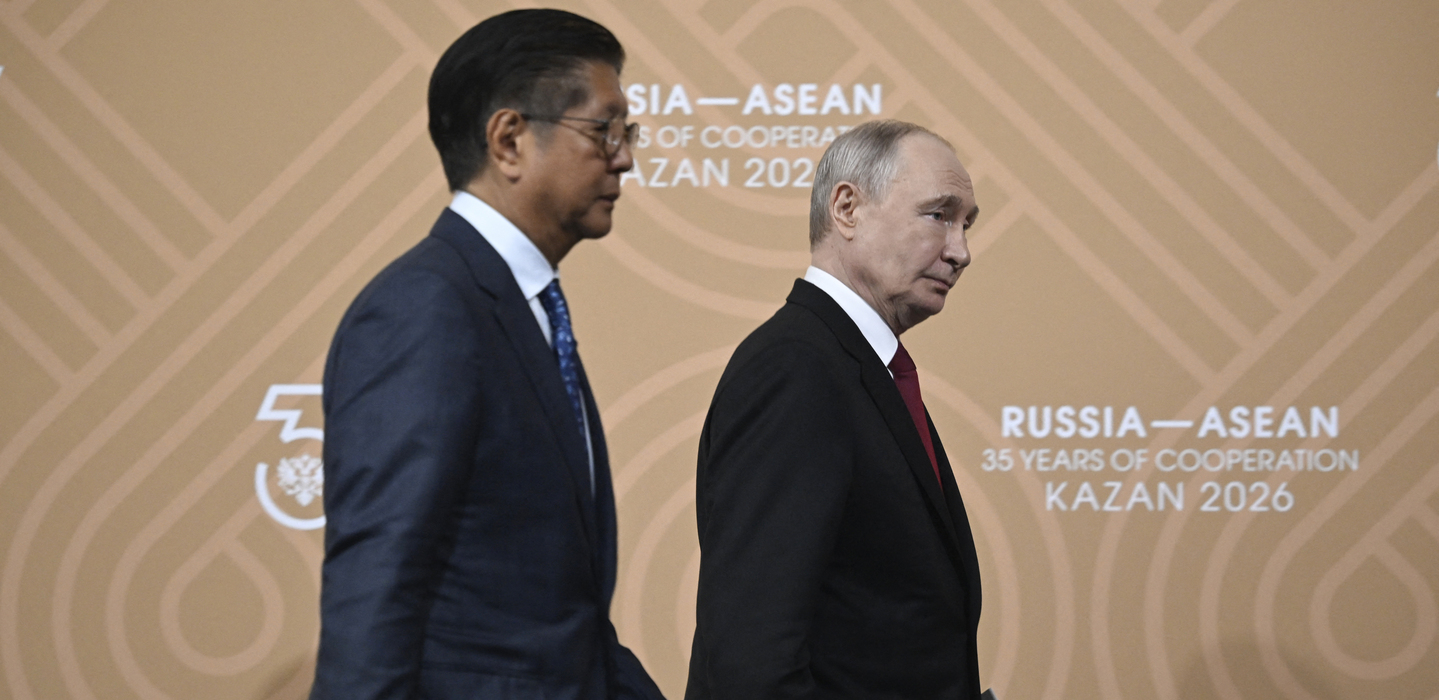
Russia looks set to reap economic benefits from closer ties with Southeast Asian countries that are keen to find reliable energy suppliers and diversify trade ties.

Alexander Gabuev

Ongoing uncertainty in the Middle East allows Moscow to both increase its influence in Tehran and continue to enjoy the financial windfall of higher oil prices.

Nikita Smagin
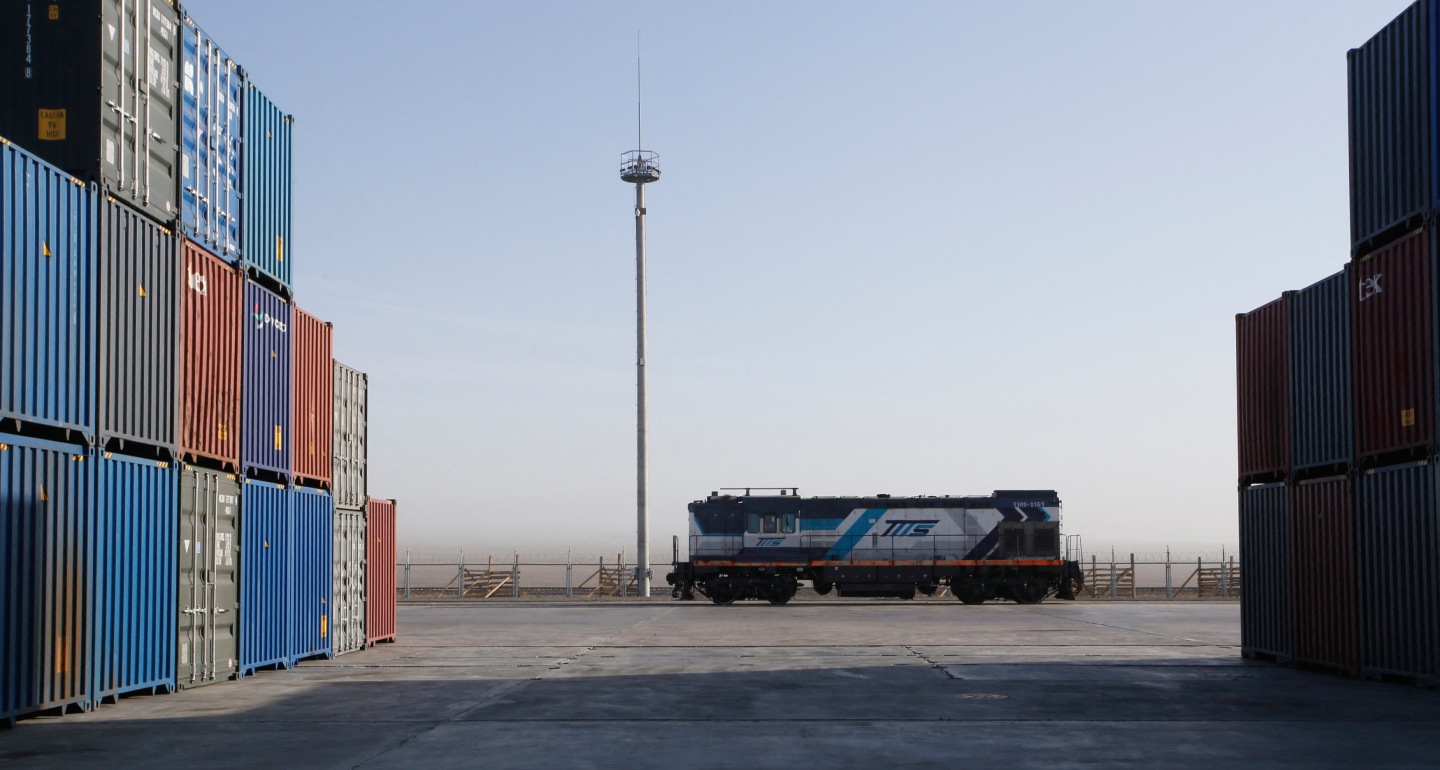
This year’s wars have made alternative routes to transit through Russia no less risky for Central Asian countries.

Galiya Ibragimova