

Комментарий
Александра Прокопенко
{
  "authors": [
    "Александра Прокопенко"
  ],
  "type": "commentary",
  "blog": "Carnegie Politika",
  "centerAffiliationAll": "",
  "centers": [
    "Carnegie Endowment for International Peace",
    "Берлинский центр Карнеги"
  ],
  "englishNewsletterAll": "",
  "nonEnglishNewsletterAll": "",
  "primaryCenter": "Берлинский центр Карнеги",
  "programAffiliation": "",
  "programs": [],
  "projects": [],
  "regions": [
    "Россия"
  ],
  "topics": [
    "Экономика",
    "Внутренняя политика России",
    "Торговля"
  ]
}
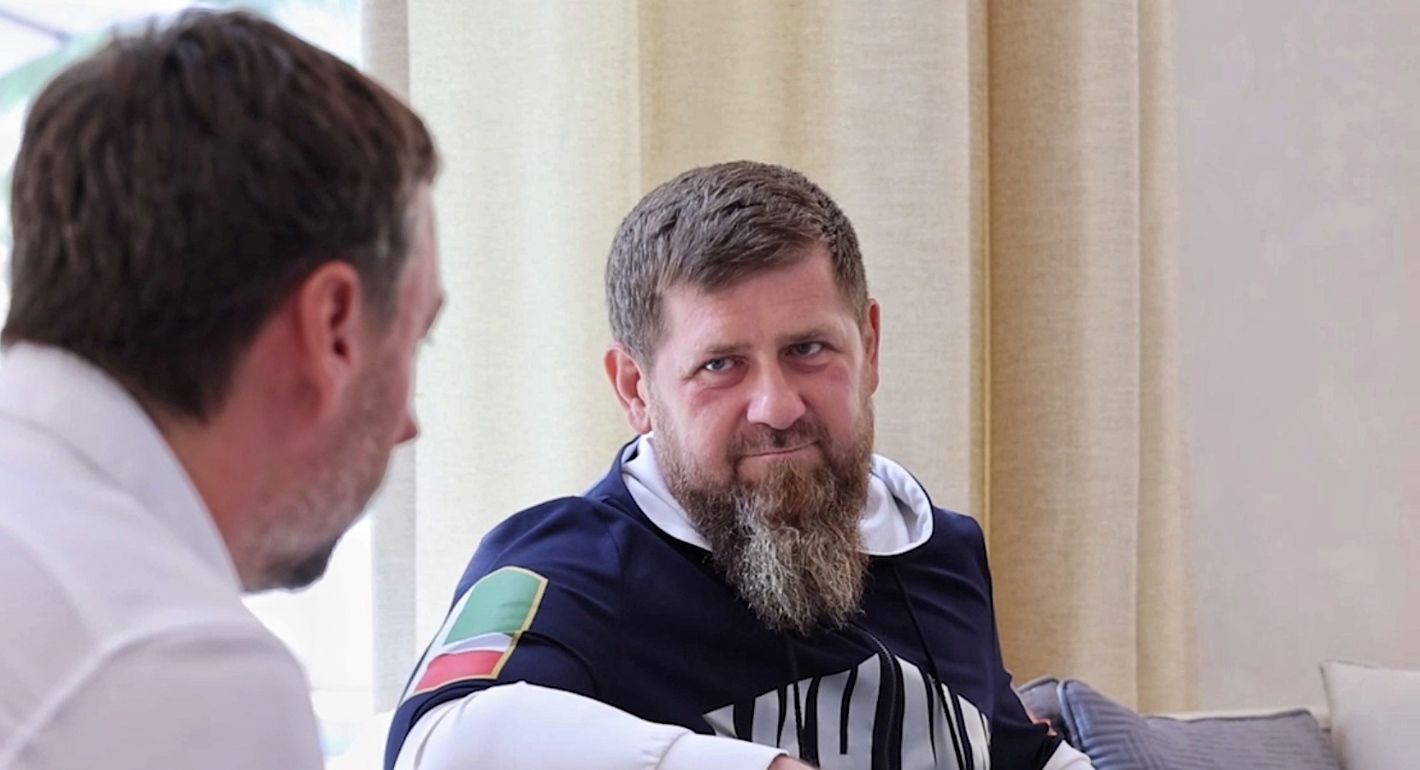
Фото: телеграм-канал @Kadyrov_95
Идея приватизации 1990-х годов заключалась в создании нового класса капиталистов, который помог бы предотвратить возврат к коммунизму. Теперь передача активов направлена на повышение лояльности президенту. Новая формула от Путина: «Нет меня — нет активов»
Владимир Путин неоднократно заявлял, что в России не будет деприватизации, и формально он прав — действительно, далеко не все активы сейчас переходят именно к государству. Но, по сути, институт права собственности в России пал еще одной жертвой продолжающейся войны. Предприятия иностранных собственников изымаются президентскими указами, Генпрокуратура и суды пересматривают итоги приватизации 90-х и передают активы новым собственникам из ближнего круга президента, власти аннексированных территорий отнимают недвижимость у тех, кто не поддерживает слияние с Россией, и дарят ее героям СВО. Наконец, предприятие, землю или недвижимость могут забрать, попросту признав владельца экстремистом.
Вокруг некоторых активов кипят шекспировские страсти, которые прикрывают две основные черты нынешней фазы путинизма: институциональную пустыню и засилье неформальных практик. Пока это вроде бы не проблема для Путина, но уже кошмар для любого его преемника.
Месяц назад деловые СМИ гадали, кто стоит за слиянием крупнейшего российского маркетплейса Wildberries с оборотом 2,5 трлн рублей ($29 млрд) и оператора наружной рекламы Russ Outdoor. У компаний было мало общего: маркетплейс был крупнее в 11 раз по выручке, в 6,8 раза — по активам и в 4 раза — по чистой прибыли. Концов не нашли, синергии тоже, поэтому предстоящее слияние окрестили «загадкой года». Таинственности добавляло то, что сделку поддержал лично президент Путин.
Однако гладкого слияния не получилось. На прошлой неделе совладелец Wildberries Владислав Бакальчук неожиданно и публично обратился за помощью к главе Чечни Рамзану Кадырову, заявив, что его жена и гендиректор Wildberries Татьяна Бакальчук «ушла из дома и связалась с непонятной компанией», которая теперь отжимает у них семейный маркетплейс. Кадыров пообещал помочь, пригрозив наказать участвующих в захвате «известных кавказцев» — речь, по-видимому, идет о стоящем за Russ дагестанце Сулеймане Керимове.
Правда, сама Татьяна Бакальчук заявляет, что никакого захвата нет, а все дело — в ее разводе с мужем. Обмен сообщениями состоялся в нехарактерной манере — через публикацию видеороликов и выступлений в СМИ.
Главный адресат публичной части этого семейного спора хозяйствующих субъектов — Владимир Путин. Ему придется разводить по углам Кадырова и Керимова, и не исключено, что в итоге Wildberries, на долю которого приходится 5% розничной торговли в России, достанется кому-то еще. Примечательно, что Бакальчуки с их кавказскими партнерами не пошли в суд, не перешли на общение через адвокатов, а обратились сразу к верховному арбитру. И вот почему.
Российская государственная система пронизана неформальными практиками. Законодательство не требует обязательного согласования президентом сделок вроде слияния Wildberries и Russ Outdoor, но неформально считается хорошим тоном его иметь. Поэтому Татьяна Бакальчук с партнерами написали в Кремль письмо, в котором пообещали создать свой собственный способ международных расчетов в рублях в обход SWIFT, превратиться в «сильнейшего конкурента» глобальных игроков вроде Amazon и увеличить ВВП России на 1,5% за счет экспорта, а также широко продвигать традиционные ценности.
Документ, скорее всего, попал к Путину неформальным образом, минуя официальный документооборот, иначе о сделке знали бы регуляторы. То есть кто-то с доступом к президенту просто занес ему письмо и получил положительную резолюцию поддержать проект, а также формальное поручение замглавы президентской администрации Максиму Орешкину курировать сделку. Таким образом президент неформально предопределил дальнейшее развитие ситуации. И даже если бы у правительства или антимонопольной службы возникли бы вопросы к сделке, против воли президента никто бы не пошел.
На таких заходах к Путину во многом держится управление в России и львиная доля титулов собственности. Они, например, предшествовали решению передать сначала государству, а потом — новому менеджменту активы французской Danone (досталась племяннику Рамзана Кадырова) и датской Carlsberg (теперь в управлении у друга Путина Теймураза Боллоева). Датчане готовились объявить о выходе, прошли все согласования на правительственной подкомиссии, но кто-то накануне побывал у Путина и получил нужную резолюцию на письме.
Резолюция президента на документе просителя — неформализованная практика. Правил, которые бы запрещали ставить резолюции на каких угодно документах, не существует. Как, впрочем, нет и правил, обязывающих это делать.
Возможное содержание резолюций тоже не регламентировано. Там может быть что угодно — от прямых указаний, как именно следует оформить решение, до неясных риторических фигур, открытых для интерпретации.
Так или иначе, резолюция трансформируется в формальное поручение или даже закон, который может быть принят в обход общественного обсуждения, межведомственного согласования и прочих формальных процедур. С помощью резолюций Путин распределяет огромные активы, сочетая в одном лице формальное распределение титулов собственности и неформальные гарантии незыблемости сделок. А неформальная возможность занести президенту письмо оказывается важнейшей формой политического капитала, профанируя формальные институты и процедуры вроде судов, законов и адвокатов.
Разговоры о пересмотре итогов приватизации ведутся в России уже много лет, с самого прихода Путина к власти, но никакого формального решения о деприватизации от президента так и не последовало. Зато с началом войны собственность стала активно перераспределяться с помощью неформальных практик. За последние два года без каких-либо официальных указаний президента владельцы сменились у огромного количества активов — от небольших бизнесов и частных квартир до крупных металлургических заводов и электрогенерации (предприятия стоимостью 100 млрд руб. были переданы в управление «Газпрому»).
Перераспределение собственности идет несколькими способами. Первый — активы отнимают у бывших чиновников, которые давно не живут в России. Так собственности лишились, например, экс-сенатор Леонид Лебедев (теплоэнергетическая компания ТГК-2), бывший губернатор Михаил Юревич (производитель макарон «Макфа»), экс-чиновник Алексей Коровайко (агроконцерн «Покровский») и другие.
Второй способ — это обвинения в поддержке Украины и ВСУ. Таким образом новых владельцев нашли активы Рината Ахметова и российские компании холдинга Global Spirits Евгения Черняка.
Третий способ — оспаривание законности приватизационных сделок из 1990-х, которые якобы проводились «с нарушением экономического суверенитета РФ и ее обороноспособности», как это сформулировала Генпрокуратура. Такая формулировка открывает легальную возможность оспорить множество сделок.
Наконец, четвертый способ — это признать бизнесмена и его компании экстремистским объединением, чье имущество должно быть обращено в доход государства. Именно это произошло с водочным магнатом Юрием Шефлером и семьей журналиста Александра Невзорова.
Передел собственности в России достиг таких масштабов, что пугает уже не только бизнес, но даже соратников Путина. Герман Греф пожаловался, что действия Генпрокуратуры «подрывают стабильность хозяйственного оборота и незыблемость права собственности». Помимо общих вопросов инвестклимата, главу Сбербанка явно беспокоит, что часть перераспределяемой собственности находится в залоге у его банка. Манипуляции Генпрокуратуры и действия нового менеджмента могут ухудшить качество залогов, что в конечном счете отразится на балансах кредитных организаций.
Однако пока передел только набирает обороты, превращаясь в крупнейшее перераспределение богатства в России за последние три десятилетия. Идея приватизации 1990-х годов заключалась в создании нового класса капиталистов, который помог бы предотвратить возврат к коммунизму. Теперь передача активов, похоже, направлена на повышение лояльности президенту. Новая формула от Путина: «Нет меня — нет активов».
Распределяя титулы собственности и гарантируя сделки, Путин выступает одновременно и биржей, и депозитарием. Роль верховного арбитра в фундаментальном для государства вопросе прав частной собственности, с одной стороны, обеспечивает безопасность Путину — его позиции сильны, пока процесс у него под контролем. В определенном смысле это консервирует систему и делает бизнес заложником путинизма.
Но рано или поздно фигура Путина пропадет, и на ее месте окажется институциональная пустыня. Итогом будет неопределенность с правами собственности на большое количество активов, многочисленные иски от прежних собственников о признании сделок «военного времени» ничтожными и связанные с этим экономические проблемы.
Ссылка на статью, которая откроется без VPN — здесь

Научный сотрудник
Александра Прокопенко — старший научный сотрудник Берлинского центра Карнеги по изучению России и Евразии.
Недавние работы
Александра Прокопенко
Александра Прокопенко
Карнеги не занимает институциональных позиций по вопросам государственной политики; изложенные здесь взгляды принадлежат автору(ам) и не обязательно отражают взгляды Карнеги, его сотрудников или попечителей.
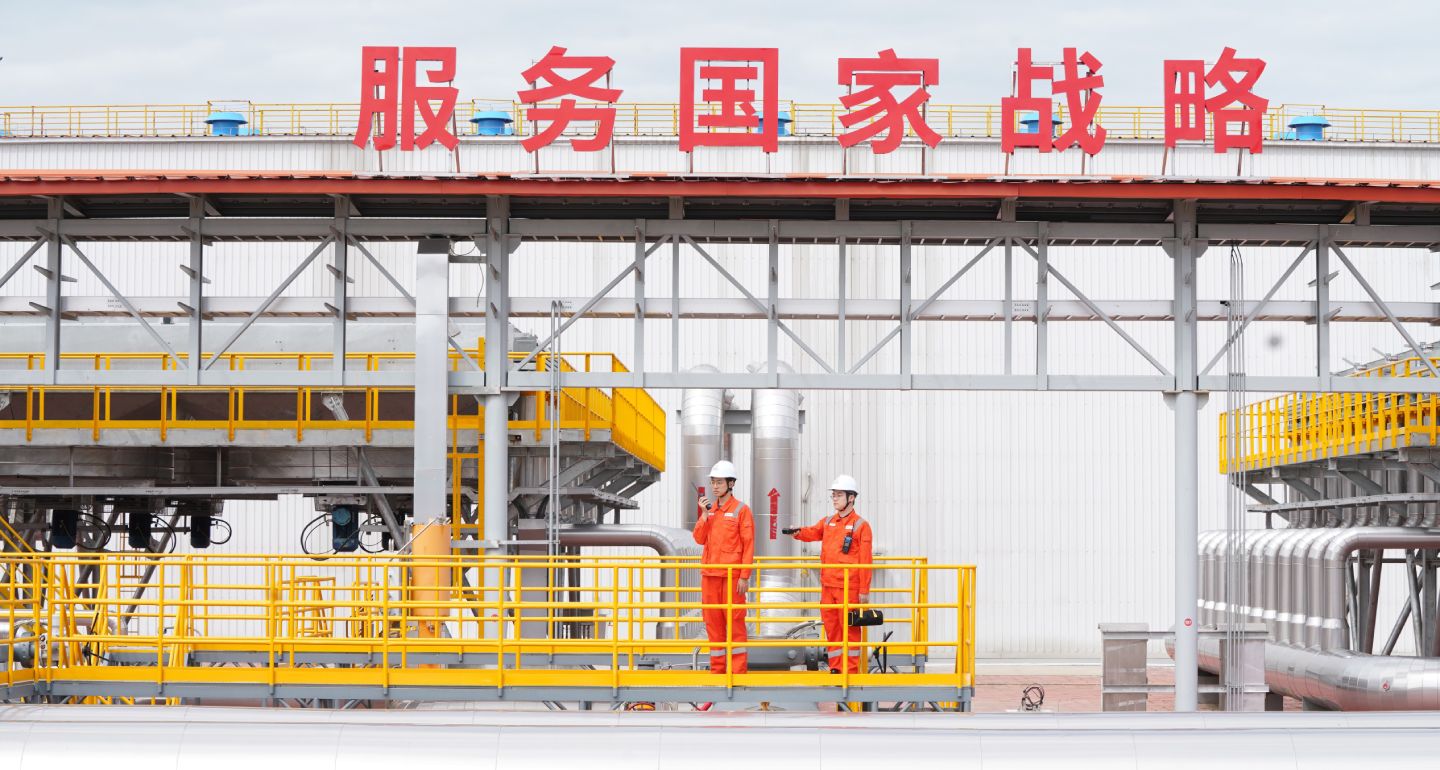
В широком диапазоне цен и рыночных условий, наблюдавшихся за четверть века, формула поставок газа в Китай дает на 20–30% более низкую цену, чем формула, действовавшая для Западной Европы.

Сергей Вакуленко

Российские удары по украинской промышленности и инфраструктуре лишают страну доходов и вынуждают тратить и без того ограниченные бюджетные средства на восстановление. То есть еще больше увеличивают разрыв между способностью страны продолжать боевые действия на фронте и способностью украинской экономики обеспечивать их в тылу.

Балаш Ярабик
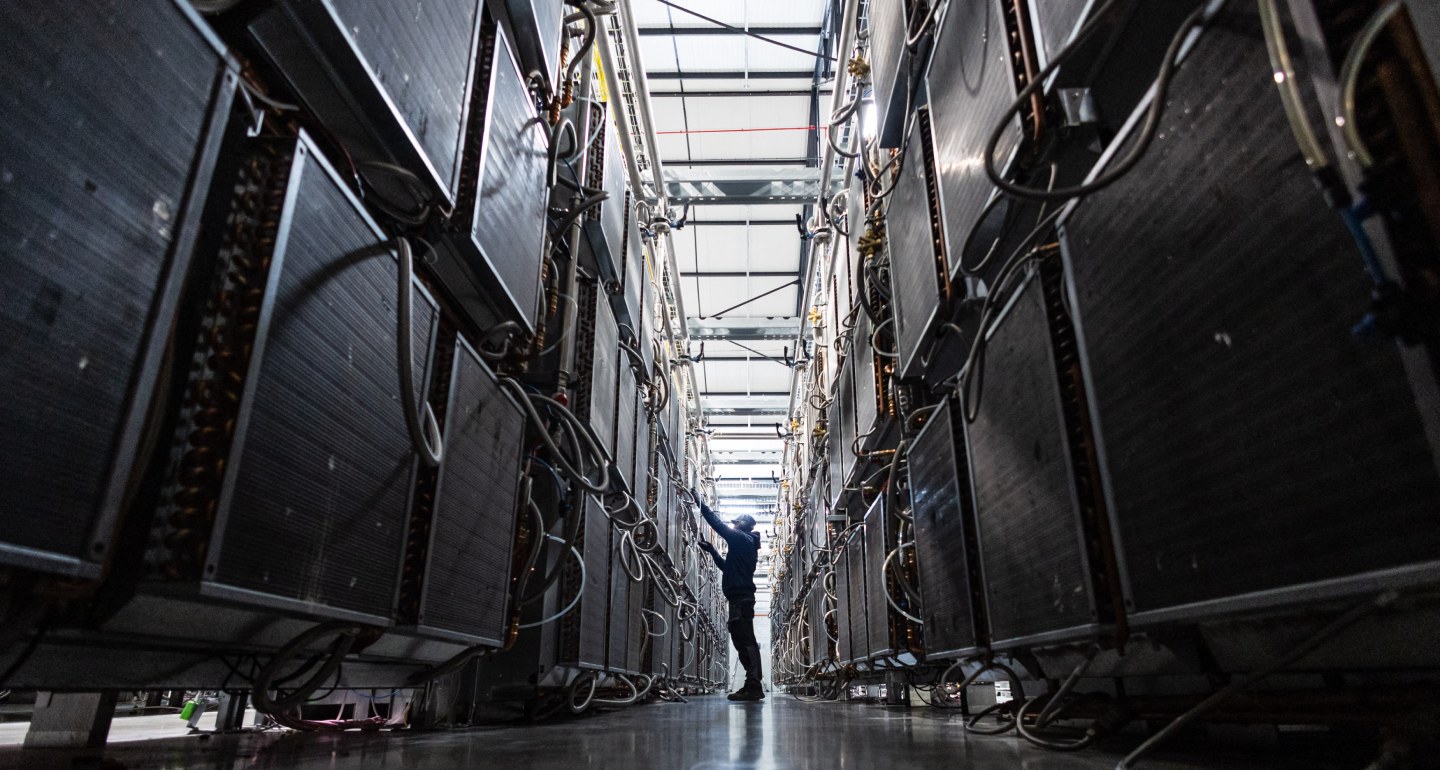
Россия годами строила «суверенный Рунет», стремясь сосредоточить интернет-инфраструктуру исключительно внутри страны. Но атаки украинских дронов показали, что такой подход, наоборот, повышает уязвимость.

Мария Коломыченко
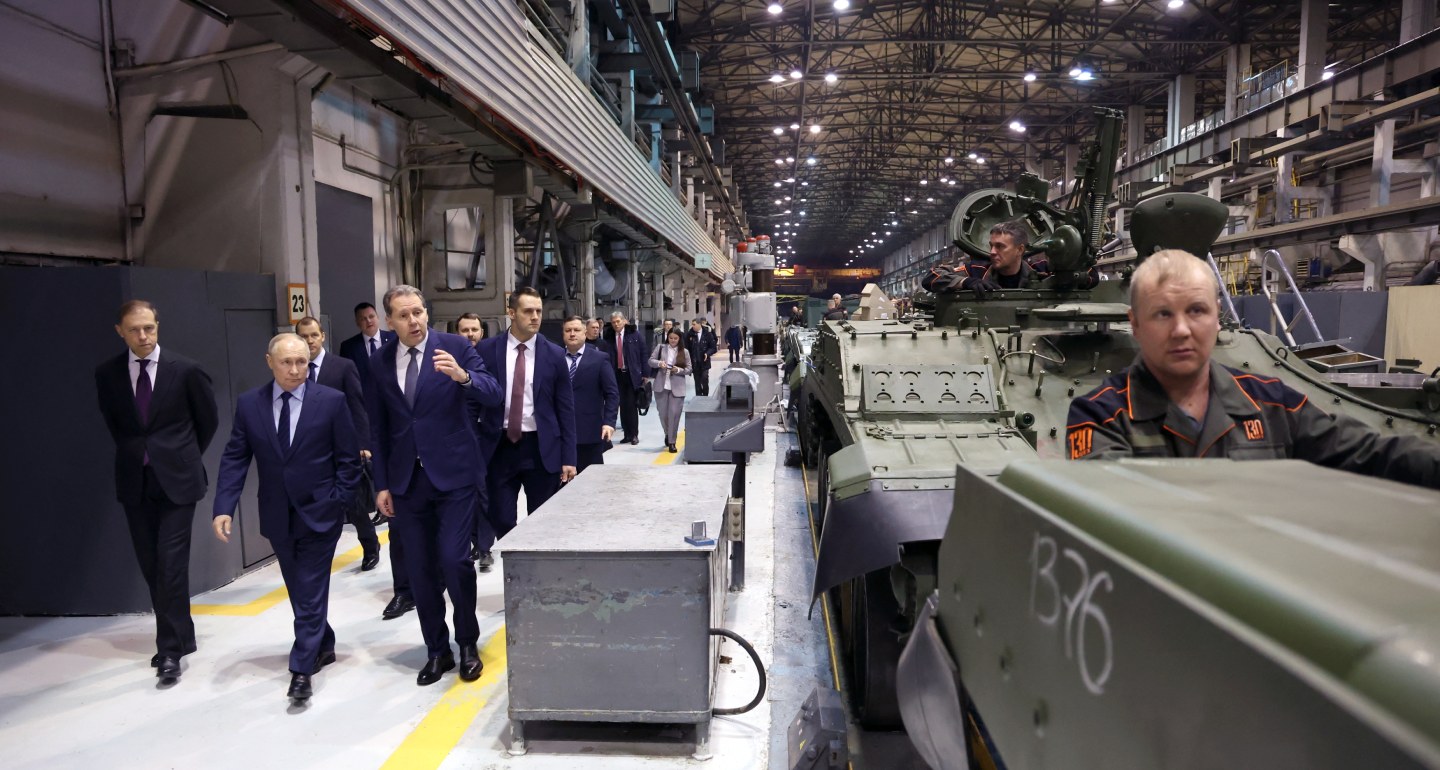
Предложенный российским правительством бюджет несет жителям некоторые неудобства. Но для экономического коллапса, который вынудил бы Владимира Путина сразу прекратить войну, этим планам не достает эпического, гитлеровского безумия.

Леонид Бершидский

Без энергетического перемирия с Украиной, на которое вряд ли пойдет Кремль, исполнение дизельных договоренностей Путина и Трампа возможно, но останется в основном видимостью, а не настоящим увеличением объемов российского дизеля на мировом рынке.
Сергей Вакуленко