

Комментарий
Андрей Перцев
{
  "authors": [
    "Андрей Перцев"
  ],
  "type": "commentary",
  "blog": "Carnegie Politika",
  "centerAffiliationAll": "",
  "centers": [
    "Carnegie Endowment for International Peace",
    "Берлинский центр Карнеги"
  ],
  "englishNewsletterAll": "",
  "nonEnglishNewsletterAll": "",
  "primaryCenter": "Берлинский центр Карнеги",
  "programAffiliation": "",
  "programs": [],
  "projects": [],
  "regions": [
    "Россия"
  ],
  "topics": [
    "Внутренняя политика России"
  ]
}
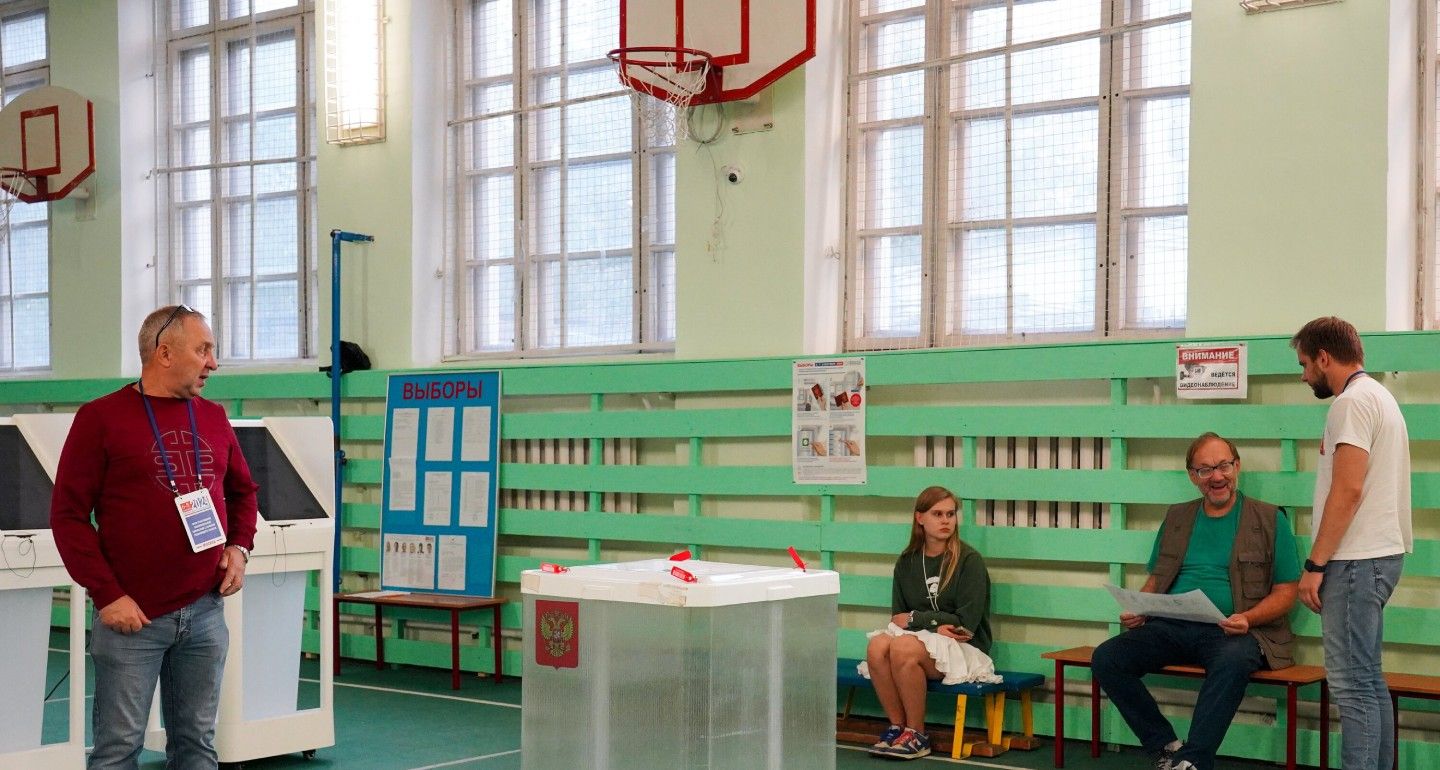
Фото: Moscow Agency
Выборы на прошедших выходных показали, что у управляемости есть границы, и они тут же дают о себе знать даже при небольших отклонениях от стандартного сценария.
Очередные выборы российских губернаторов и региональных парламентов, которые традиционно проходят в сентябре, не принесли сюрпризов. Все выдвинутые властью главы регионов победили с внушительным результатом, а единороссы получили абсолютное большинство мест в законодательных собраниях. Электронное голосование в когда-то неспокойной Москве помогло полностью исключить случайности, а политический блок Кремля хвастается новыми рекордами явки и готов бить их на выборах в Госдуму 2026 года. Однако несколько региональных кампаний говорят о том, что отлаженная система все-таки дает сбои в сложных ситуациях. Российские выборы по-прежнему способны пусть немного, но удивлять, а их управляемость имеет границы.
Несмотря на установки губернаторам и единороссам воздержаться от рисования слишком высоких и неправдоподобных цифр, которые Кремль якобы раздал чиновникам весной, главы регионов не смогли отказать себе в удовольствии объявить красивые результаты. Из 21 региона, где проходили губернаторские выборы, семь выдвиженцев власти получили более 80% голосов, еще восемь кандидатов Кремля набрали 78–79%.
Благодаря корпоративной мобилизации, муниципальному фильтру, многодневному и местами электронному голосованию, принуждению бюджетников и прямым фальсификациям региональные администрации давно научились выдавать на-гора практически любые цифры. Губернаторские 80% явно выглядят как единый стандарт — этой планки не могут достичь лишь немногие регионы. При этом все губернаторы выполняют и более сложную задачу — не обижают Владимира Путина и не перемахивают через его 87%, официально полученные на президентских выборах этого года.
Набор ритуалов и практик, куда фактически не входит публичная политика, превратил российские выборы во что-то вроде корпоративного мероприятия. Происходящее не имеет отношения к конкурентной демократии, но формально выглядит как настоящие выборы. Люди приходят на участки, а предельно слабые спарринг-партнеры выдвиженцев власти имитируют конкуренцию.
Власти давно не заботятся об убедительности кампаний — в кандидаты попадают муниципальные депутаты из глубинки, люди без политического опыта и даже представители других регионов. Например, в этот раз малая и лояльная Кремлю партия «Зеленая альтернатива» выдвинула кандидатом в главы Самарской и Челябинской области одного и того же человека — Степана Соловьева, который не имеет никакого отношения ни к Самаре, ни к Челябинску.
Корпоративное и административное принуждение позволяет показывать достойную явку (как правило, в районе 40%) даже при отсутствии конкуренции. Но в сложных случаях система все равно дает сбои.
Например, действующий губернатор Санкт-Петербурга Александр Беглов в этот раз набрал очень скромные по российским меркам 59% голосов. Хотя остальные допущенные кандидаты не просто были ноунеймами, но и сознательно старались оттолкнуть избирателей непопулярными инициативами.
Представитель ЛДПР Максим Яковлев предлагал запретить зарубежную музыку, выдвиженец «Зеленой альтернативы» Павел Брагин хотел не пускать в центр города автомобили с двигателями внутреннего сгорания, а Сергей Малинкович из «Коммунистов России» намеревался переименовать город в Ленинград.
Однако все это не помогло Беглову избежать антирекорда во время этой кампании. Власти не смогли дать красивые цифры непопулярному ни среди населения, ни среди элит губернатору, который за пять лет работы во главе второго по величине города России так и не стал публичным политиком.
Похожим образом врио главы Вологодской области Григорий Филимонов не сильно превзошел Беглова и набрал 62%. Тут свою роль сыграла его конфликтная манера общения с местными элитами и фриковатый имидж сверхжесткого руководителя и националиста. То есть система проведения выборов, несмотря на все уровни защиты, все равно плохо справляется, если приходится избирать по-настоящему слабых кандидатов.
Границы для манипуляций дали о себе знать и на выборах законодательных собраний регионов. Кремль давно старается лишить КПРФ статуса второй по популярности партии в стране и всячески мотивирует региональные власти занижать результаты коммунистов.
В части регионов это действительно получается. Например, в Крыму и Брянской области местная администрация вывела на второе место ЛДПР, а в Севастополе — «Новых людей». Но сбить КПРФ со второго места по всей стране у властей пока не выходит.
Во всех шести национальных республиках, где сейчас проходили выборы, коммунисты все равно вышли на второе место. Вытянуть на второе место ЛДПР не получается, потому что слишком много избирателей помнит, как эта партия высказывалась за упразднение национальных автономий, а также националистические высказывания ее покойного лидера Владимира Жириновского. То есть там, где пожелания Кремля вступают в противоречия с глубокими убеждениями местных, управляемость заканчивается.
Поэтому в президентской администрации готовы и дальше повышать управляемость выборов и страховаться от неожиданностей. Такую возможность дает электронное голосование — на этих выборах оно уже превратило когда-то протестную Москву в полностью электорально управляемый регион.
По официальным итогам, выборы в столичный парламент этого года закончились победой единороссов в 38 из 45 одномандатных округов. Еще в двух округах победили провластные самовыдвиженцы, а в трех — согласованные представители системной оппозиции. Хотя всего пять лет назад результаты были совсем другими — тогда сразу в 20 из 45 округов выиграли кандидаты, поддержанные «умным голосованием» Алексея Навального.
Одна из главных причин такого переворота — тотальное внедрение электронного голосования. На этот раз из более чем трех миллионов проголосовавших москвичей лишь 142 тысячи воспользовались бумажными бюллетенями. В результате власти получили возможность не только обеспечить победу единороссам, но и провести в парламент лишь одобренных представителей системной оппозиции.
После такого успеха в Москве не приходится сомневаться, что на выборах в Госдуму 2026 года электронное голосование будет внедряться и в других регионах, особенно с протестным потенциалом — например, в том же Санкт-Петербурге.
Наконец, выборы этого года показали, что управляемость российских выборов легко рушится, если раскалывается элитный консенсус. Пока это проявилось в кампании сравнительно невысокого уровня. На выборах главы 200-тысячного города Братск в Иркутской области развернулась конкурентная борьба двух видных местных политиков.
Действующий мэр Сергей Серебренников решил продлить полномочия и выдвинулся от «Единой России» при поддержке областной власти и части местных элит. Но счастья на выборах решил попытать и глава Братского района Александр Дубровин. Связи и ресурс позволили ему зарегистрироваться в качестве самовыдвиженца, а часть местных влиятельных групп оказала ему поддержку.
Обрадовавшись конкурентной борьбе, жители Братска отдали уверенную победу не то чтобы оппозиционному, но не одобренному властями Дубровину. Да, после победы он тут же напомнил, что состоит в «Единой России», но это все равно не отменяет того, что успех не был санкционирован сверху, а люди оказались готовы поддержать кандидата, выступившего против выдвиженца власти. И неясно, насколько эффективной будет реакция центра, если похожий раскол произойдет на более высоких уровнях.
Разумеется, до выборов в Госдуму Кремль постарается поработать над ошибками, увеличить контроль над выборами. За два года можно ввести электронное голосование в крупных городах, усилить давление на местные элиты и даже показательно разобраться с какой-то их частью. Однако то же упрямство национальных регионов или нежелание граждан голосовать за беспомощных кандидатов от власти типа Беглова вряд ли пропадет. Выборы на прошедших выходных показали, что у управляемости есть границы, и они тут же дают о себе знать даже при небольших отклонениях от стандартного сценария.
Ссылка, которая откроется без VPN - здесь.

Журналист
Недавние работы
Андрей Перцев
Андрей Перцев
Карнеги не занимает институциональных позиций по вопросам государственной политики; изложенные здесь взгляды принадлежат автору(ам) и не обязательно отражают взгляды Карнеги, его сотрудников или попечителей.

Эмигрантские раздоры и нападки на Горького встречались в высших московских кабинетах улыбками одобрения: все было на правильном пути, Буревестник в меру запачкан, окольцован и отлучен от враждебной кормушки.

Иван Толстой
В ретроспективе 1989 год оказывается не совсем тем поворотным пунктом, каким мы его считали.

Сергей Радченко

Начав с обещаний перемен, за десять лет мирзиёевский режим совершил полный круг, вернувшись к привычной для узбекской власти логике правления: полагаться только на своих и приписывать все заслуги первому лицу.

Галия Ибрагимова
Рассказ, задуманный как подтверждение исторической силы и суверенитета России, превращается в историю ее хронической пассивности, слабости и уязвимости.

Алексей Уваров

По отдельности плохие новости этого года читаются как не более чем проблемы конкретных отраслей. Но вместе они показывают, что государство отказывается от собственных правил, потому что больше не может им следовать — правила мешают управлять в ручном режиме.

Александра Прокопенко