

Paper
Andrey Pertsev
{
  "authors": [
    "Andrey Pertsev"
  ],
  "type": "commentary",
  "blog": "Carnegie Politika",
  "centerAffiliationAll": "",
  "centers": [
    "Carnegie Endowment for International Peace",
    "Carnegie Russia Eurasia Center"
  ],
  "englishNewsletterAll": "",
  "nonEnglishNewsletterAll": "",
  "primaryCenter": "Carnegie Russia Eurasia Center",
  "programAffiliation": "",
  "programs": [],
  "projects": [],
  "regions": [
    "Russia"
  ],
  "topics": [
    "Domestic Politics"
  ]
}
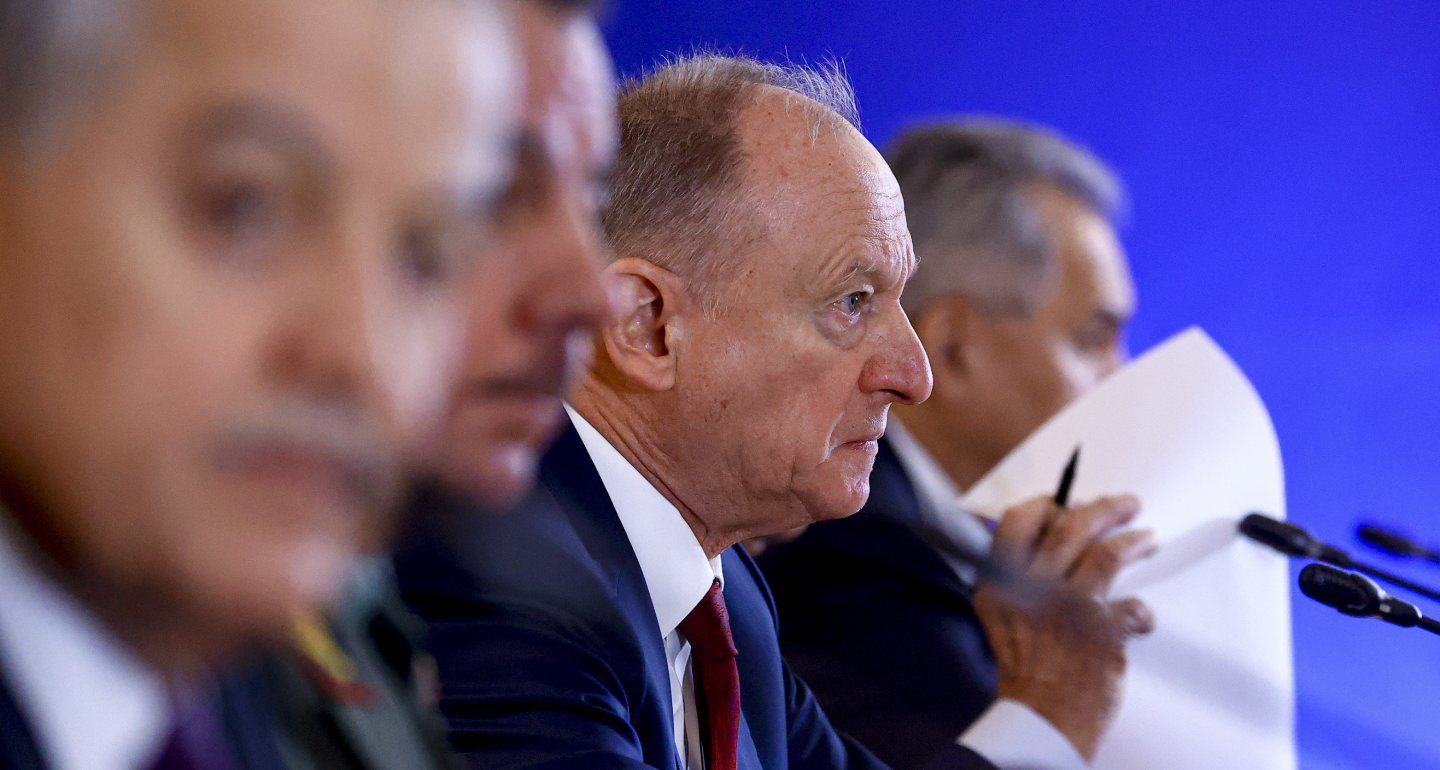
Source: Getty
The decisions of the aging President Vladimir Putin, who is distracted by the war in Ukraine, are no longer considered as permanent as they once were.
Influential members of the Russian elite like Nikolai Patrushev, Sergei Shoigu, and Andrei Turchak fell out of favor and were demoted in 2024. Since then, however, they have not slipped quietly off into obscurity, but instead have been vigorously trying to claw back their former power and status—and not without success.
Despite Putin’s reluctance to make major staffing changes, his lengthy rule has inevitably seen plenty of senior officials fall from grace. Putin’s old KGB acquaintance Viktor Cherkesov, for example, tried to compete for influence with the Federal Security Service (FSB) when he was head of the Federal Drug Control Service in the 2000s—but he lost, and disappeared from public life.
Patrushev’s career could have followed a similar arc. After being removed from his position as secretary of the influential Security Council in May 2024, Patrushev was made presidential aide in charge of shipbuilding—deprived of regular contact with Putin and other senior figures. He was also shut out from meetings at which major decisions are taken. Perhaps most importantly, though, he lost his retinue of bureaucrats: at the Security Council he was in charge of a whole team, whereas presidential aides are expected to operate alone.
Still, Patrushev did not reconcile himself to his fate. As soon as he took up his new role, he set about trying to regain some of his former influence. First, he set up a department for maritime policy within the Kremlin that he could oversee. In this way he not only found jobs for officials loyal to him (Sergei Vakhrukov, who worked with Patrushev at the Security Council, was appointed to head the department), but also gained access to money flows. Secondly, he successfully lobbied for the establishment of a Maritime Board that includes top officials and the heads of major state companies.
The Maritime Board was a particularly clever step. To this day, the Russian elite does not have an informal club where participants can meet, make decisions, and resolve conflicts. The Maritime Board will be a serious contender to become such a platform.
Indeed, something of a mini-club has already formed within the Maritime Board: a scientific council headed by Mikhail Kovalchuk, the director of the Kurchatov Institute devoted to nuclear energy research, and a member of Putin’s inner circle. Kovalchuk’s appointment was not only good PR for the Maritime Board, but also an attempt to curry good relations with the broader Kovalchuk clan.
Another council within the Maritime Board—this time looking at Arctic security—has allowed Patrushev to find a policymaking niche on an issue that is personally important to Putin. The council has even ended up superseding an Arctic commission that previously operated within the Security Council.
Of course, Patrushev is not Russia’s only “Arctic czar.” Deputy Prime Minister Yury Trutnev (who heads the Maritime Board’s council for Arctic security) controls most Arctic-related money flows, and the Northern Sea Route is managed by state nuclear corporation Rosatom. However, both Rosatom and Trutnev have other concerns, which has made it easier for Patrushev to establish himself, clawing back power and influence.
Sergei Shoigu, who was removed as defense minister in 2024, has followed a similar strategy to Patrushev by seeking out new niches in his role as secretary of the Security Council. One of them has been informal diplomacy (which Shoigu also practiced as defense minister). Traveling regularly to countries like China, India, Syria, and North Korea, he discusses “containing the United States” and delivers messages from Putin. This sort of activity has allowed him to remain close to the president and demonstrate his usefulness.
Just like Patrushev, Shoigu has set up bodies that allow him to find jobs for officials loyal to him. For example, a new expert committee was formed within the Security Council at the end of 2024 that will prepare reports to attract Putin’s attention.
Andrei Turchak, the former general secretary of the United Russia ruling party, has also striven to remain visible since being appointed governor of the Altai Republic, an economically depressed area in southern Siberia, in 2024.
Firstly, Turchak understands that the Kremlin wants to forge a “new elite” out of veterans of the war in Ukraine, and has promoted a series of such people. He made Dmitry Khubezov, a former State Duma lawmaker who fought in Ukraine, his deputy governor, for example. Secondly, Turchak has exploited the fact that Altai is a popular tourist destination, which allows him to maintain links with the leaders of federal agencies and major Russian regions. He also invites senior officials, governors, and executives to visit Altai, and makes a point of stressing his ties with Prime Minister Mikhail Mishustin.
Turchak’s behavior is remarkably out of sync with how fallen officials have traditionally conducted themselves—not least because they were generally avoided by their erstwhile colleagues. But Turchak is trying to leverage every possible contact, and some are apparently happy to give him the time of day.
Those like Patrushev, Shoigu, and Turchak are showing they are not ready to make peace with becoming irrelevant, or to simply wait for Putin to parachute them into another high post. This is a new sort of behavior in the Russian elite. Initiatives from below are becoming more and more significant, and any decisions made at the top—including those about demotions—are no longer seen as permanent.
Patrushev has displayed the most ingenuity, working not so much to regain the president’s favor as to expand his formal and informal powers. He’s building horizontal ties with influential elite groups that have a say on issues of national importance.
However, alternative channels for interclan communication—like the Maritime Board—undermine Russia’s power vertical. Putin’s role as arbiter has already been weakened by old age and his obsession with the war in Ukraine. The continuing relevance of Patrushev, Shoigu, and Turchak is yet more evidence that this process continues.
Andrey Pertsev is a journalist with Meduza website.
Recent Work
Andrey Pertsev
Andrey Pertsev
Carnegie does not take institutional positions on public policy issues; the views represented herein are those of the author(s) and do not necessarily reflect the views of Carnegie, its staff, or its trustees.
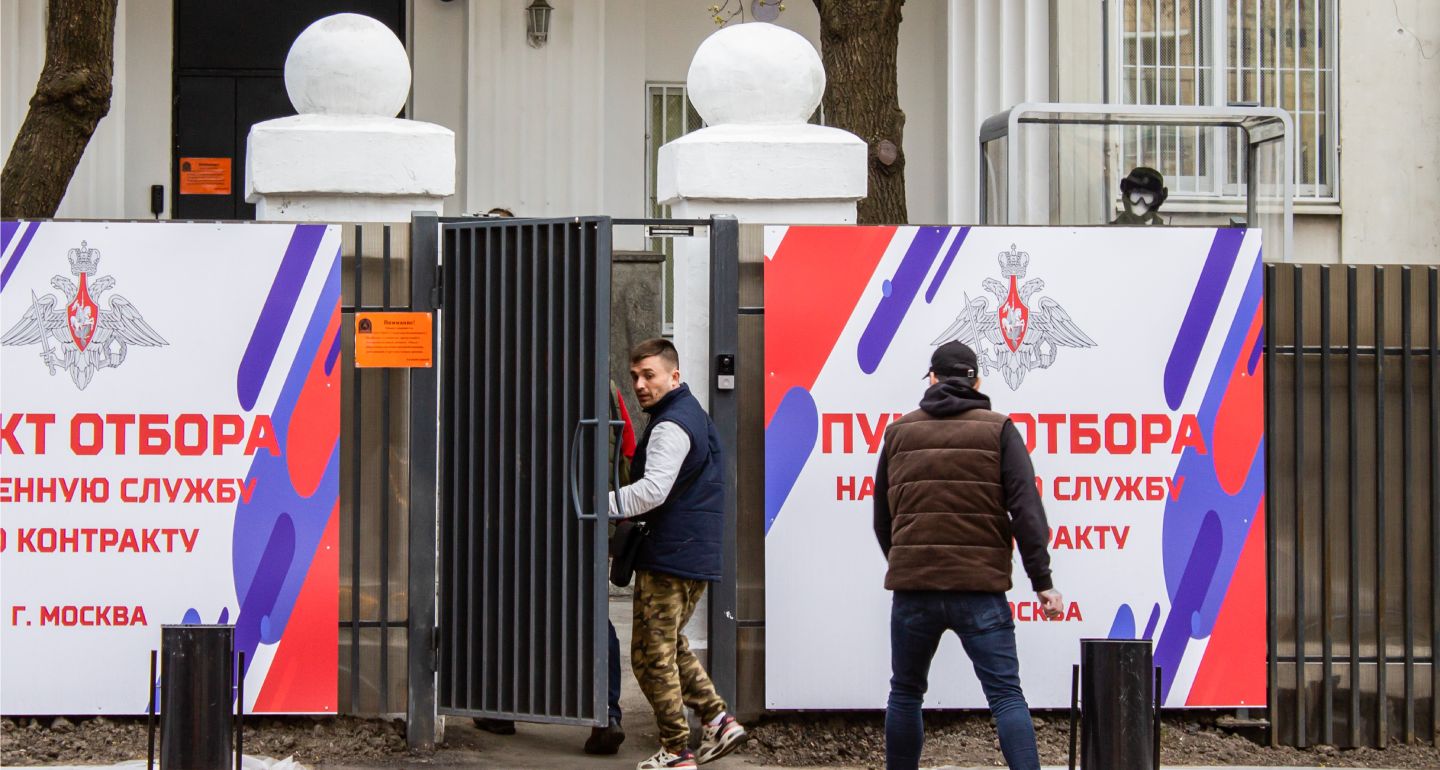
Faith in the Russian state and the war it has launched is crumbling—not due to a political epiphany or sympathy for Ukraine, but because the state is failing to keep even its most basic promises.
Alexandra Arkhipova
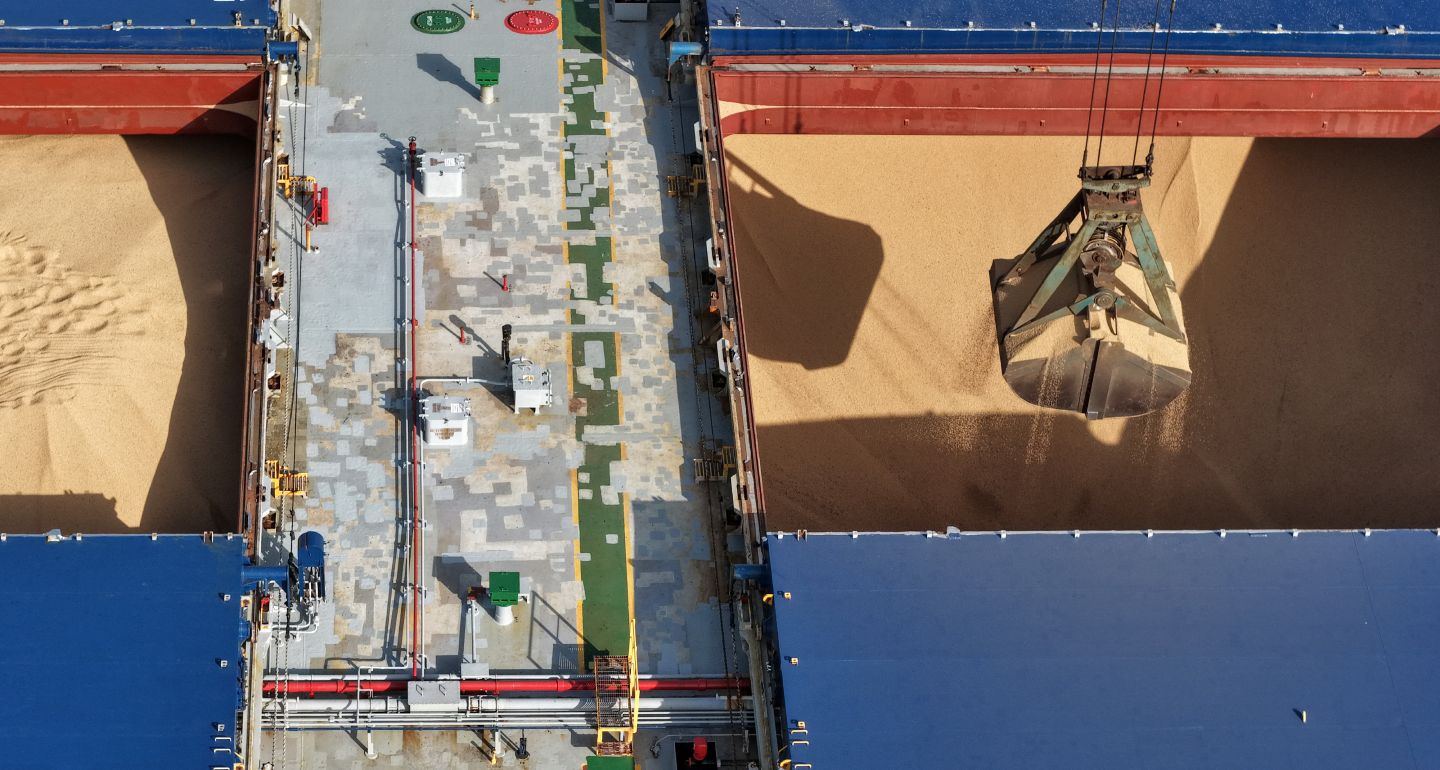
While the current surge in grain trading activity in the Caspian Sea is undeniably impressive, it is constrained by financial, infrastructure, geographic, military, and environmental factors.
Nikita Smagin
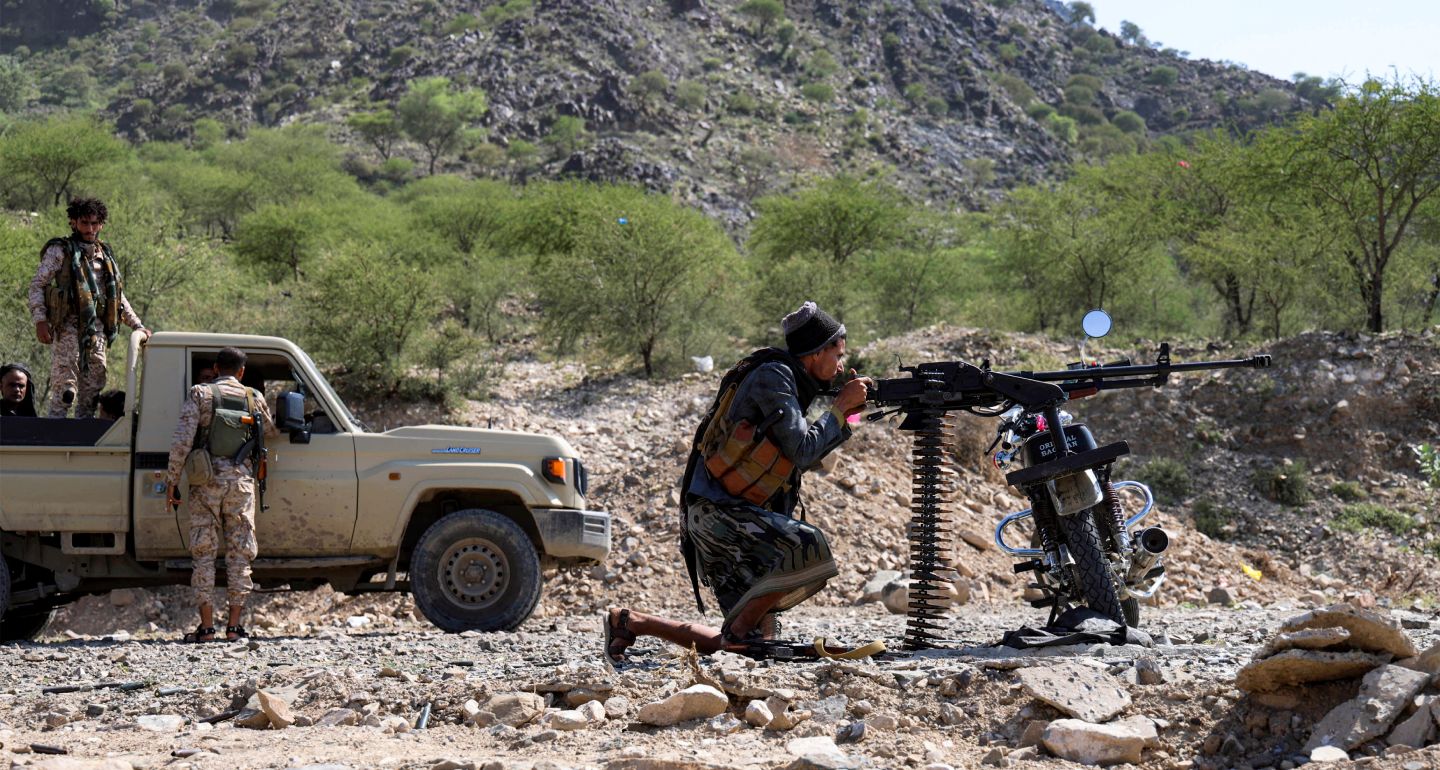
Russia officially endorses Yemen’s formal government while quietly providing military support to the Houthi rebels. However, recent escalation in Yemen has thrust Russia’s game into the spotlight—and risks endangering its relations with the Gulf states.
Ruslan Suleymanov
The concrete goal of an end to the hostilities in Ukraine has been replaced by a host of vague Russian demands concerning a range of issues and regions.

Alexander Baunov
The Kremlin’s unwillingness to discuss anything other than capitulation is doing more to undermine the potential emergence of a party of peace in Ukraine than any domestic patriotic propaganda.
Konstantin Skorkin