

Комментарий
Сергей Вакуленко
{
  "authors": [
    "Сергей Вакуленко"
  ],
  "type": "commentary",
  "blog": "Carnegie Politika",
  "centerAffiliationAll": "",
  "centers": [
    "Carnegie Endowment for International Peace",
    "Берлинский центр Карнеги"
  ],
  "englishNewsletterAll": "",
  "nonEnglishNewsletterAll": "",
  "primaryCenter": "Берлинский центр Карнеги",
  "programAffiliation": "",
  "programs": [],
  "projects": [],
  "regions": [
    "Россия",
    "Соединенные Штаты Америки",
    "Европа"
  ],
  "topics": [
    "Внешняя политика США",
    "Торговля",
    "Экономика",
    "Внешняя политика ЕС"
  ]
}
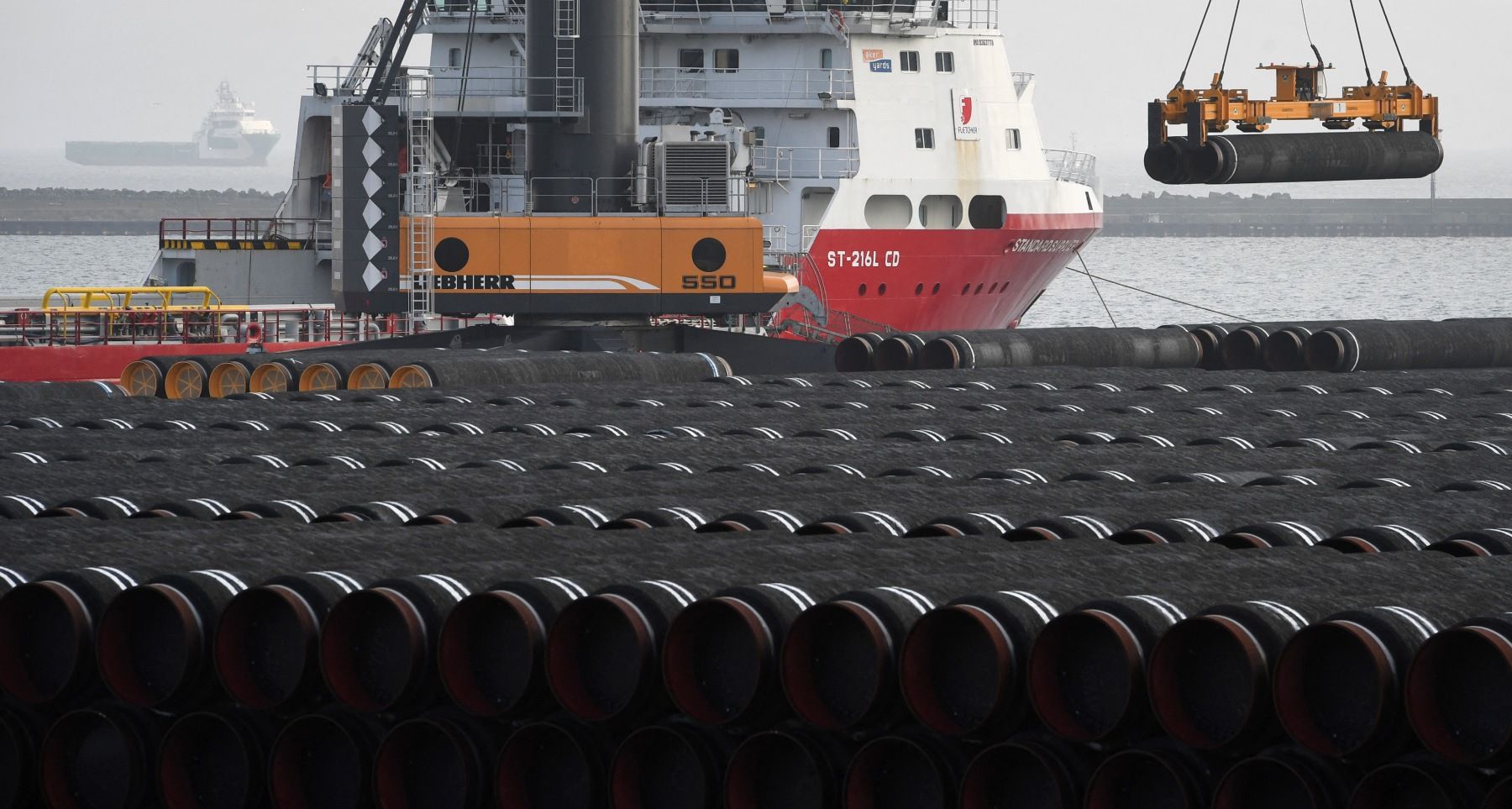
Фото: Getty Images
Если перемирие все-таки будет подписано, неизбежно встанет вопрос: насколько Европа будет готова продолжать нести убытки от отказа торговать с Россией, когда остальной мир будет получать такую прибыль без всяких рисков и проблем.
Возобновление контактов между Москвой и Вашингтоном сразу же приобрело не только политическое, но и явное экономическое измерение. На роль ключевого переговорщика с российской стороны выдвинулся Кирилл Дмитриев, спецпредставитель президента по вопросам инвестиционного и экономического сотрудничества с другими странами. На этой неделе он стал первым российским чиновником столь высокого ранга, посетившим Вашингтон с начала полномасштабного вторжения РФ в Украину.
Между тем звучащие из Москвы и Вашингтона заявления о готовности к бизнес-сотрудничеству заставляют задуматься: в чем именно оно может проявиться? И анализ ситуации показывает, что выбор совсем невелик. Единственный более-менее реальный бизнес-проект, потенциально способный стать примером делового сотрудничества США и России, — это введение в строй газопровода «Северный поток — 2». Но и тут возникает множество вопросов.
От своих предшественников команда Дональда Трампа отличается профессиональным опытом. Нередко в американскую политику приходят из юриспруденции, чаще всего — с государственной службы. Среди ближайших соратников Трампа тоже есть люди с юридическим образованием, но бэкграунд и самого главы Белого дома, и вице-президента Джей Ди Вэнса, и их советников — это бизнес. Причем не операционный, а инвестиционный и транзакционный: войти в сделку, быстро ее совершить, увеличить стоимость актива, извлечь прибыль, выйти, пойти дальше.
Похоже, что ко многим внешнеполитическим проблемам эта команда относится примерно так же. В частности, рассматривая российско-украинский конфликт и свою роль в нем, команда Трампа в первую очередь задумывается о том, какие дивиденды — причем в прямом, коммерческом, а не переносном политическом смысле — она сможет извлечь.
Возможно, эти дивиденды и не так велики, но работа без гонорара, похоже, противоречит принципам этой команды. Соответственно, администрация Трампа ищет, где и как может получить с конфликтующих сторон свою долю за улаживание конфликта. И россиянам, и украинцам такая концепция понятна: на просторах бывшего СССР это амплуа называется «решала», и на такой деятельности в обеих странах были сколочены миллиардные состояния.
Что взять с Украины, в Белом доме придумали почти сразу. Черновик сделки по редкоземельным металлам даже попал к представителям прессы и появился в сети. Этот документ, написанный по образцу договоров венчурных фондов со своими компаниями, заставляет вспомнить соглашения 200-летней давности между США и американскими компаниями с одной стороны и латиноамериканскими государствами — с другой. Он явно написан на базе предположения, что контрагенту деваться особо некуда: «Мы свои услуги не навязываем, можете обойтись без них — пожалуйста, а если наше участие вам все-таки нужно, то вот условия». Положение у Киева сейчас действительно непростое, поэтому договор предполагает паевое участие США практически во всех государственных доходах Украины от производства сырьевых товаров, как и право первого отказа при экспорте этих товаров.
России такие условия выставить довольно сложно. В Москве явно устали от войны, но при этом сигнализируют: их еще надо поуговаривать, а вообще-то они готовы воевать и дальше. У РФ действительно хватит ресурсов для продолжения войны — возможно, ценой сокращения гражданского потребления, но не в катастрофических объемах. И все это понимают. В таких обстоятельствах довольно трудно получить в уплату за посреднические услуги что-то крайне ценное здесь и сейчас. Однако можно попробовать найти активы, которые в настоящий момент никакой ценности не имеют, но могут иметь ее в случае установления мира.
Президент Путин, видя интерес Трампа к редкоземельным металлам, тут же устроил совещание на эту тему и дополнительно дал интервью, в котором заверил, что российские редкоземельные металлы значительно реже и земелистее украинских, так что России тоже есть что предложить США в этом плане. Но предложить, разумеется, на условиях равноправного партнерства, как и полагается в отношениях между сверхдержавами. В интервью даже прозвучало предложение совместно перекрыть Енисей, чтобы построить рядом с плотиной еще один алюминиевый завод.
Впрочем, с момента первого упоминания Путиным редкоземельных металлов было понятно, что эта тема — пузырь-однодневка. Объем глобального рынка таких материалов слишком невелик, на порядки меньше рынков нефти, газа или стали. Идея с алюминиевым заводом на ГЭС-новостройке предполагает горизонт планирования в несколько десятилетий, что тоже маловероятно в нынешних обстоятельствах.
Таким образом, при всем кажущемся богатстве выбора поле поисков потенциального интереса для США сузилось до извечных российских нефти и газа. И в первую очередь внимание оказалось привлечено к тем проектам, которыми ранее уже интересовались американские инвесторы. Выбор небольшой: связанные с ExxonMobil «Сахалин-1» и проект в Карском море, а также газопровод «Северный поток — 2» (СП-2).
Проект «Сахалин-1» реализовывался с 1990-х годов в режиме соглашения о разделе продукции. ExxonMobil был лидером этого проекта, также в нем участвовали японская и индийская компании. В 2022 году ExxonMobil спешно покинул проект, что привело к временному резкому снижению добычи. Иного выхода не было — «Сахалин-1» подпал под американские санкции.
Российское правительство переформировало систему компаний, владеющих и управляющих проектом, предложив старым акционерам «Сахалина-1» доли в новой компании и назначив подразделение «Роснефти» оператором проекта. ExxonMobil отказался от предложения, и теперь российское государство собирается продать причитавшуюся американцам долю в новой компании, перечислив выручку за вычетом налогов, штрафов и пеней (которых ExxonMobil уже насчитали на 150 млрд рублей) на счет ExxonMobil.
По всей видимости, это будет счет типа С, с которого просто так средства не выведешь, но это уже мелочи: формально никакой конфискации как бы не было. Интересно, что сроки продажи все время откладываются. В принципе, в случае снятия американских санкций ExxonMobil может попробовать просто согласиться с предложением российского правительства и получить обратно свою долю проекта, хоть уже и в новом юридическом оформлении.
Проект в Карском море — это эхо большого альянса между ExxonMobil и «Роснефтью» из начала 2010-х годов. У этих компаний тогда было около десятка совместных проектов, но заметное развитие получила только инициатива по геологоразведке на арктическом шельфе.
Дело было в 2014 году, уже после аннексии Крыма и во время первых боев в Донбассе. Бурение скважины совпало с атакой на малайзийский «Боинг» и введением первых американских санкций в отношении российской нефтяной отрасли. Скважину тогда успели пробурить, но не испытали: ExxonMobil был вынужден срочно выйти из проекта.
«Роснефть» тогда объявила об открытии крупнейшего месторождения, но тем дело и кончилось. Поисковую скважину пробурили на пике нефтяных цен, а через несколько месяцев началась новая эпоха: с лета до зимы 2014 года цены упали почти вдвое, и с тех пор так и не возвращались в трехзначную зону, если не брать в расчет несколько месяцев в 2022-м.
Скорее всего, даже без Крыма и санкций этот проект вряд ли дошел бы до стадии промышленной разработки. В начале 2010-х Shell долго работала над поисковым проектом на северном шельфе Аляски и тоже его закрыла — сланцевая революция в США в корне изменила ландшафт нефтедобывающей отрасли, понизила цены на нефть и сделала проекты морской добычи в Арктике не слишком привлекательными. У ExxonMobil есть достаточно возможностей для инвестиций в американский сланец, а то место в портфеле, которое могло бы занять Карское море, досталось успешному проекту на шельфе Гайаны с более низкой себестоимостью.
В итоге все поле вариантов сузилось до сделки вокруг «Северного потока — 2». Напомним его предысторию. Этот проект состоит из двух проложенных параллельно ниток трубопроводов, каждая мощностью 27,5 млрд м3 в год. Трубопровод начинается в Ленинградской области, неподалеку от границы с Эстонией, идет по дну Балтики и выходит на берег в Германии, близ границы с Польшей.
Он был задуман во время президентства Дмитрия Медведева, основные работы начались после 2014 года. Украина была категорически против инициативы и вместе с США давила на Германию, чтобы та от нее отказалась. В результате европейские энергетические компании, которым должна была достаться доля в 49% в проекте, сочли невозможным свое акционерное участие. Единственным акционером зарегистрированной в Германии проектной компании остался «Газпром». Впрочем, европейцы все равно участвовали в финансировании: они выдали кредиты на ту же сумму, на которую изначально собирались купить акции, — это выглядело более прилично.
Для прокладки трубопровода наняли швейцарско-нидерландскую компанию Allseas. Но когда оставалось проложить всего несколько десятков километров из более чем 1200, лоббистские усилия Украины увенчались успехом: в самом конце 2019 года тогдашний президент США, которого звали Дональд Трамп, подписал принятый Конгрессом закон о введении санкций в отношении компаний, участвующих в строительстве СП-2.
Тогдашние руководители «Нафтогаза Украины» называли ключевым аргументом, склонившим чашу весов в пользу противников «Северного потока — 2», тезис о том, что этот трубопровод составит конкуренцию СПГ с американских заводов, строительство которых начиналось как раз в то время.
«Газпром» смог найти и оборудовать суда, способные закончить прокладку газопровода, и к лету 2021 года он был построен и заполнен газом. Дело оставалось лишь за получением формальных разрешений на запуск, чему всячески пыталась помешать Польша, подавая иски в европейские суды. Смысл исков был в возможном нарушении антимонопольного законодательства, ведь по трубопроводу планировалось транспортировать газ только одной компании. Впрочем, сразу было ясно, что причины исков скорее политические: примерно в то же время был запущен проложенный из Турции в Италию трубопровод TAP, по которому пустили только азербайджанский газ, и это никого не смутило.
Наконец, в начале 2022 года, когда Россия начала концентрировать войска на границах Украины, Германия тоже наложила санкции на проект в отчаянной попытке предотвратить войну. А за день до начала военных действий США внесли компанию Nord Stream 2 AG в санкционный список. В итоге газопровод, полностью готовый к эксплуатации, не проработал ни дня.
1 марта 2022 года Nord Stream 2 AG подала заявление о банкротстве. Компания лишилась надежд на получение в обозримом будущем выручки от транзита и, как следствие, оказалась неспособна обслуживать кредиты европейских энергетических компаний, на которые она была построена.
Весной-летом того же года резко сократилась подача газа в Европу по «Северному потоку — 1». Российская сторона объясняла это проблемами с турбинами, приводящими в действие насосы газопровода. Но, вероятно, это была попытка заставить Германию согласиться с запуском в эксплуатацию СП-2. Шантаж не удался.
А в сентябре 2022-го произошла диверсия на «Северных потоках». Пострадали обе нитки СП-1 и одна — СП-2. Видимо, сыграла роль ошибка подрывников, разместивших сразу два заряда на одной нитке.
Между тем токсичность СП-2 отпугнула не всех. Проект заинтересовал Стивена Линча, инвестиционного банкира с давним опытом работы в России и специалиста по проблемным активам (distressed assets). Бизнесмены, открытые к высоким рискам, покупают такие активы с большим дисконтом в надежде, что проблемы разрешатся и тогда речь пойдет о прибыли в сотни процентов. Предыдущие знаковые сделки Линча — покупка зарубежных активов ЮКОСа и участие в покупке Sberbank Schweiz.
Логика Линча в случае с «Северным потоком — 2» понятна: любые войны заканчиваются, в России много дешевого газа, Германии в обозримом будущем нужно это топливо, СП-2 — идеальный вариант для транспортировки. У компании-банкрота можно купить ее активы в разы, если не в десятки раз дешевле стоимости строительства и спокойно заниматься урегулированием проблем с разрешением на эксплуатацию. Этому должна была помочь принадлежность трубопровода уже не российскому газовому монополисту, а американскому инвестору.
Учитывая, что СП-2 находится под американскими санкциями, даже для начала переговоров на тему покупки Линчу понадобилось бы специальное разрешение американского правительства. Просьба о таком разрешении была подана еще в начале 2024 года. Но, насколько можно судить, до окончания президентства Джо Байдена добро так и не дали.
Стивен Линч — давний сторонник и донор Республиканской партии США. Так что при новой администрации он, вероятно, может рассчитывать на более благосклонное отношение. И похоже, что эта сделка заинтересовала команду Трампа. Причем как политиков, так и бизнесменов в окружении 47-го президента США.
Насколько реалистична идея с запуском СП-2 в эксплуатацию? С технической, инженерной, энергетической стороны в этом немало смысла. Но есть много политических и экономических «но».
Готова ли будет Германия вновь покупать российский газ? До сих пор она занимала достаточно принципиальную позицию. Например, немецкое правительство запретило разгружать танкеры с российским СПГ на принадлежащих государству терминалах. Хотя европейские санкции на российский газ пока не распространяются и формальных причин для такого отказа в разгрузке нет.
Реального толку от этого запрета тоже мало: российский СПГ принимают чуть западнее, на терминалах в Бельгии и Франции, и в результате этот газ все равно попадает в Германию. Но как индикатор отношения ФРГ к проблеме этот пример достаточно красноречив.
С другой стороны, немецкая промышленность действительно нуждается в газе, экономическая ситуация в Германии непростая, а перспективы зависимости от американского СПГ начинают пугать местных политиков и промышленников. Если Россия и Украина заключат мир, на который немецкое общество сможет смотреть без отвращения и стыда, то идея покупки российского газа в каком-то объеме — сильно меньшем, чем до войны, но все равно в значительном — будет приветствоваться. Ведь это приведет и к диверсификации поставок, и к снижению средней стоимости газа. Вопрос в том, насколько пристойно будет выглядеть российско-украинский мир в глазах Германии.
Канцлер Шольц, который готовится покинуть свой пост по результатам недавних выборов, высказался однозначно против возобновления поставок российского газа. Но представители блока ХДС/ХСС, занявшего на выборах первое место, отзывались о таких перспективах достаточно благосклонно.
Если перемирие все-таки будет подписано, а США снимут с России санкции, то Германия и вся Европа окажутся перед тяжелым выбором: сохранять ли свои ограничительные меры без поддержки в виде американской концепции экстратерриториальности. То есть без возможности наказывать компании из других стран за сотрудничество с Москвой. Неизбежно встанет вопрос: насколько Европа будет готова продолжать нести убытки от отказа торговать с Россией, когда остальной мир будет получать такую прибыль без всяких рисков и проблем.
Второй вопрос: как США отнесутся к увеличению объемов поставок российского газа? Украинский аргумент 2019 года имел под собой основания: Соединенные Штаты действительно будут заинтересованы в максимальном использовании собственных уже построенных и строящихся мощностей по экспорту СПГ. Прогноз Goldman Sachs предполагает, что в 2026–2030 годах, а возможно, и дальше, предложение на этом рынке будет обгонять спрос. Транзитные доходы от эксплуатации СП-2 будут существенно ниже, чем упущенная выручка от тех объемов американского газа, который будет замещен российским на европейском рынке.
Есть сценарии, при которых американский экспорт окажется ограничен по причинам, не связанным с наличием или отсутствием спроса на него в Европе. Например, в США в связи с бумом в области ИИ может резко вырасти энергопотребление дата-центров, и тогда газ понадобится для генерации электроэнергии. Или администрация Трампа может отреагировать на призывы американских потребителей сдержать рост цен на газ (ранее из этих же соображений на протяжении многих лет был запрещен экспорт сырой нефти из США).
При таком сценарии транзитная выручка и контроль над потоком российского газа в Европу оказались бы для США нелишними. Но вероятность подобного развития событий не слишком велика.
В петиции с просьбой разрешить переговоры по «Северному потоку — 2» юристы Линча объясняют, что для США смысл проекта может быть геополитическим: все маршруты экспорта газа из России в Европу должны оказаться под контролем западной коалиции, а наиболее прямой и короткий — под контролем США. То есть логика такая: «Если не можешь предотвратить, возглавь».
Третий вопрос: насколько транспортировка газа по «Северному потоку — 2» будет приемлема для Украины. Если российский экспорт в Европу возобновится в объеме, составляющем даже половину от довоенного, и если будет отремонтирована взорванная вторая нитка (по оценкам Линча, это может стоить меньше $700 млн), то совокупная мощность СП-2 и той части «Турецкого потока», которая предназначена для Европы, будет в целом достаточна для обслуживания этой торговли. Не понадобится даже ремонтировать СП-1. То есть такой вариант оставит Украину без российского транзита.
Упорство, с которым Украина противостояла появлению СП-2, чтобы не допустить именно такого сценария, имело и экономические, и политические причины. Транзит выгоден для Украины: Киев получал не только выручку от транзита, но и обеспечивал себе более низкую цену газа, чем в европейских хабах. Также такая схема облегчала и удешевляла транспортировку газа внутри Украины для собственных нужд.
Кроме того, транзит в обход Украины имел бы сильное символическое значение: можно было бы сказать, что Киев исключили из российско-европейских отношений. А наличие транзита давало бы Украине определенные рычаги влияния и на Россию, и на европейских покупателей российского газа.
Линч и его сотрудники в петиции принимают этот аспект во внимание и предлагают дать Украине миноритарную долю в будущей компании-владельце СП-2. Но понятно, что такое участие и экономически, и политически будет, выражаясь терминами Трампа, куда более «слабой картой», чем прямой контроль над транзитом через украинскую территорию.
Наконец, есть еще один вопрос: согласится ли Россия торговать газом через трубопровод, контролируемый и управляемый частными американскими инвесторами, или же, например, она попробует восстановить «Северный поток — 1». Если США действительно получат СП-2 — даже и не в рамках формальной сделки, а как итог личной инициативы бизнесмена Линча, — то от них можно будет ожидать ультиматума: российский газ должен поставляться в Европу этим маршрутом, и никак иначе.
С одной стороны, Россия и «Газпром» сейчас не в том положении, чтобы выбирать и капризничать. Возобновление поставок газа в Европу на худших условиях, чем до 2022 года, и по контролируемому США транспортному коридору — это лучше, чем ничего. С другой стороны, Москва не раз демонстрировала, что соображения престижа и статуса для нее могут быть важнее финансовых интересов.
К тому же возникнет вопрос, на каких основаниях, по каким законам, в какой юрисдикции будет работать береговая инфраструктура трубопровода в России. Запросит ли американская сторона для этого проекта какие-то специальные гарантии, права и освобождения от правил или же будет готова к тому, чтобы проект просто работал по российским законам? Ответов на эти вопросы пока нет и на горизонте не видно.
В итоге получается, что единственный более-менее реальный бизнес-проект, способный стать примером делового сотрудничества США, Европы и России по результатам мирных переговоров, вызывает больше вопросов, чем ответов. Для каждой из сторон, кроме Украины, в подобной сделке есть и плюсы, и минусы, и почва для сомнений, а для Киева она имеет однозначно отрицательную ценность. Впрочем, то же самое сейчас можно сказать о практически любой инициативе новой американской администрации.
Ссылка, которая откроется без VPN, — здесь.

Старший научный сотрудник
Сергей Вакуленко — старший научный сотрудник Берлинского центра Карнеги по изучению России и Евразии.
Недавние работы
Сергей Вакуленко
Сергей Вакуленко
Карнеги не занимает институциональных позиций по вопросам государственной политики; изложенные здесь взгляды принадлежат автору(ам) и не обязательно отражают взгляды Карнеги, его сотрудников или попечителей.
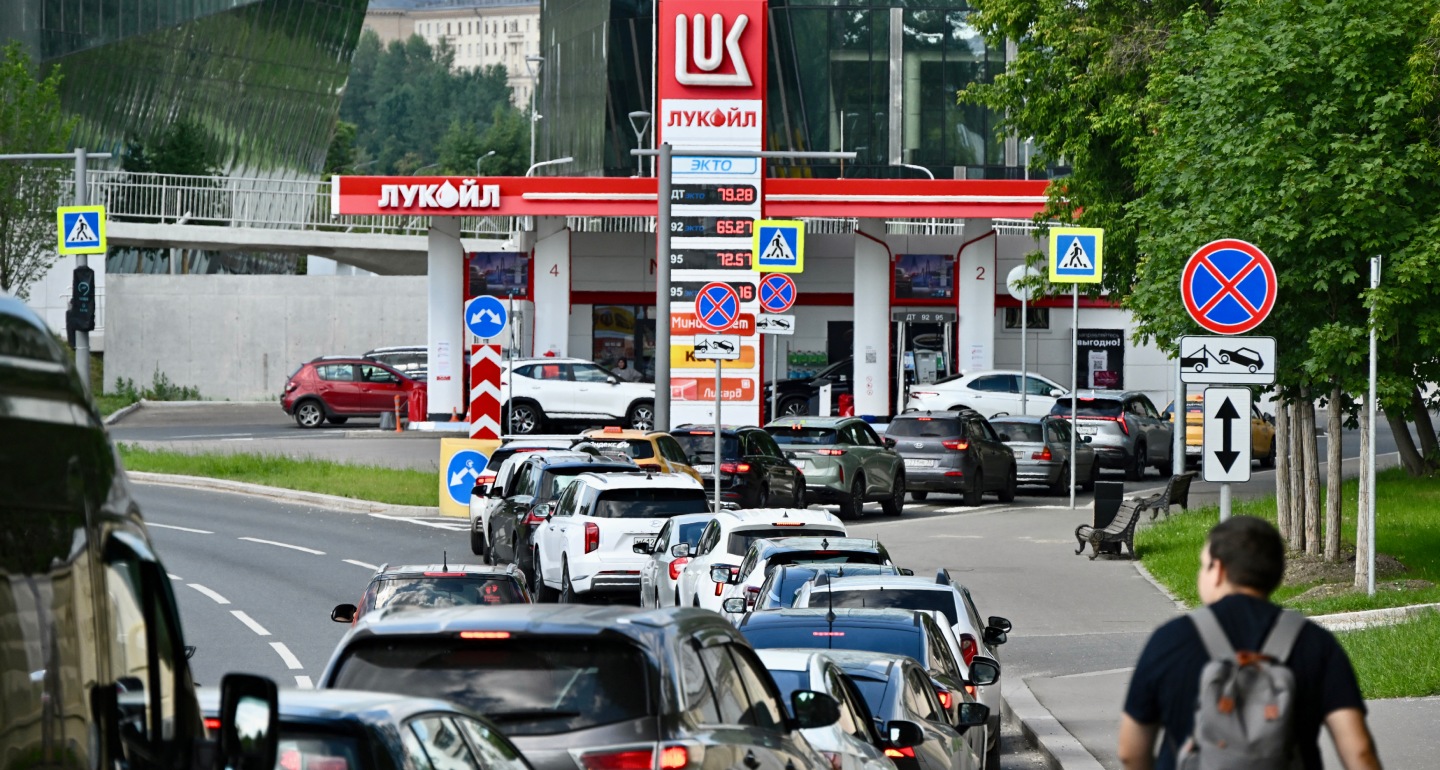
Теоретически бензин или дизтопливо можно произвести даже в школьном кабинете химии. Проблема в экономике и логистике такого производства.
Сергей Вакуленко
Задумываться над посланием Мельниченко имеет смысл, только если найден ответ на главный вопрос — о том, как при любом «договорном» варианте Европа могла бы обезопасить себя от российского ресентимента, неизбежного во всех сценариях, кроме однозначно, триумфально победного для Путина.

Леонид Бершидский
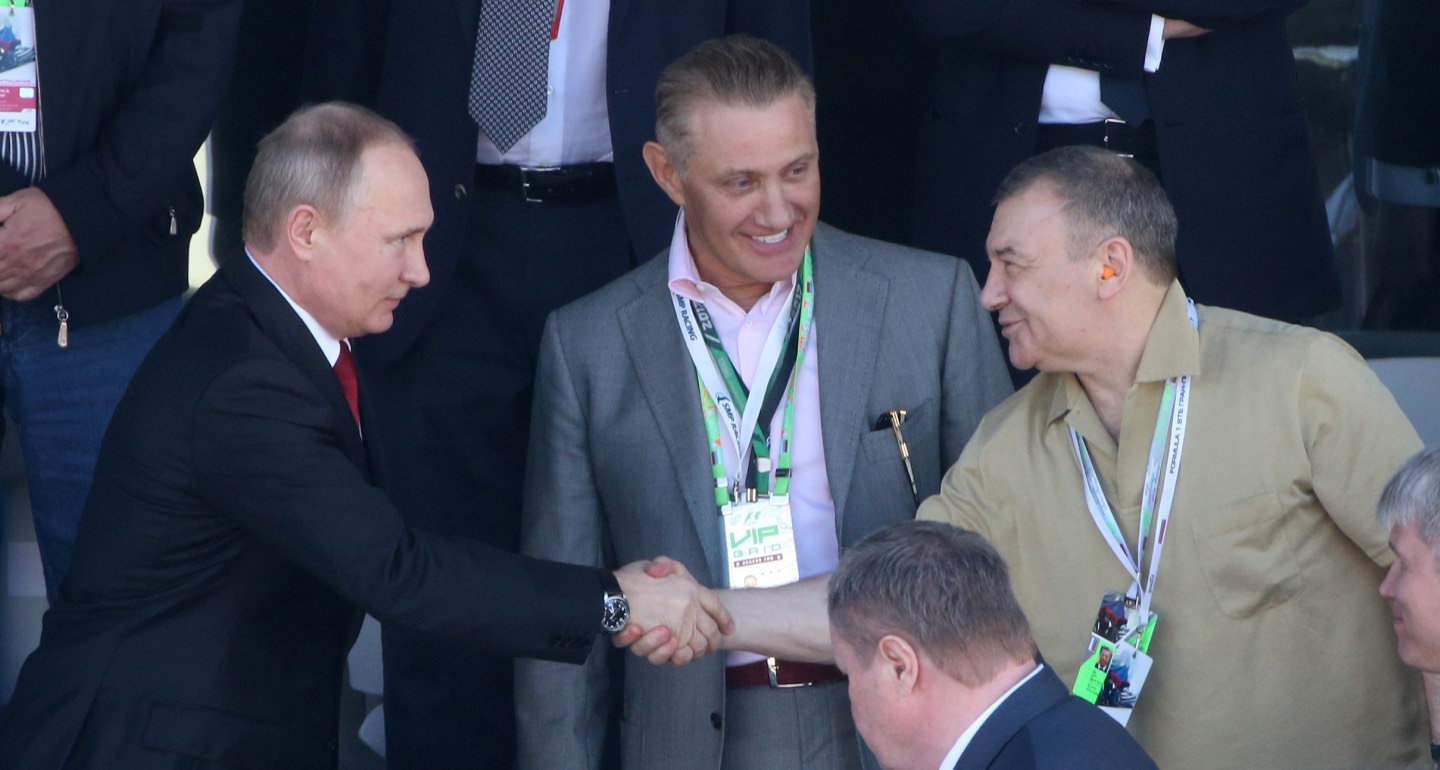
Без мощных военных проектов Ротенбергам остается только апеллировать к совместным детским воспоминаниям во время следующей встречи с президентом.

Михаил Комин
Универсальная амбиция инноваторов — изменить экономический уклад, а значит — перераспределить политический капитал от старых элит в свою пользу. В России это практически невозможно.

Алексей Киселев

Упорство, с которым Кремль стремится проводить выборы в боевых условиях, основывается на избранной им стратегии нормализации войны. Но чем дальше, тем больше этот подход превращается в стратегию самообмана, когда пропагандистская картинка все сильнее отстает от реальности.

Константин Скоркин