

Комментарий
Сергей Вакуленко
{
  "authors": [
    "Сергей Вакуленко"
  ],
  "type": "commentary",
  "blog": "Carnegie Politika",
  "centerAffiliationAll": "",
  "centers": [
    "Carnegie Endowment for International Peace",
    "Берлинский центр Карнеги"
  ],
  "englishNewsletterAll": "",
  "nonEnglishNewsletterAll": "",
  "primaryCenter": "Берлинский центр Карнеги",
  "programAffiliation": "",
  "programs": [],
  "projects": [],
  "regions": [
    "Россия",
    "Украина"
  ],
  "topics": [
    "Энергетика",
    "Оборонная политика США",
    "Внешняя политика США",
    "Энергетическая политика",
    "Безопасность"
  ]
}
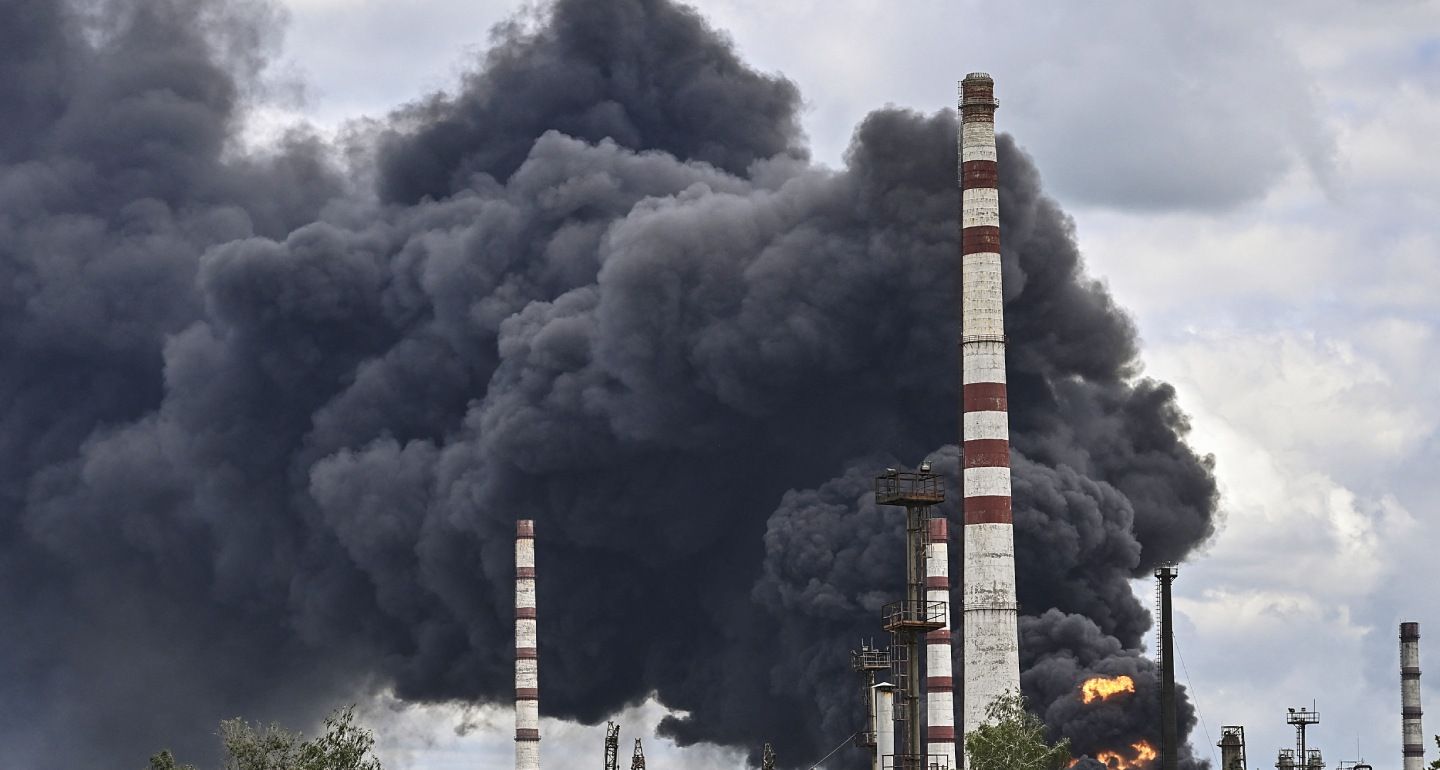
Фото: Getty Images
Проблема все-таки не настолько остра, чтобы утверждать, что «от российской нефтепереработки осталось чуть больше половины». Суммарные мощности российских НПЗ составляют около 327 млн тонн в год, но реально Россия перерабатывает лишь 260–270 млн тонн, а потребляет 110–120 млн тонн.
Вопрос ущерба, который участившиеся атаки украинских дронов наносят российской нефтепереработке, порождает все более смелые ответы. Особенную популярность в последние дни получила оценка, что украинские удары привели к простою 38% всех мощностей российских НПЗ. Цифра эта не только впечатляющая, но и имеет под собой определенные основания. Однако реальность, которая за ней скрывается, намного сложнее.
Чтобы лучше понять, что стоит за показателем 38%, можно попробовать подвергнуть его обратному инжинирингу. Для этого потребуется взять список всех российских НПЗ с их паспортной мощностью (именно паспортной мощностью, а не средним объемом переработки). В сумме там набирается мощностей на 327 млн тонн в год, или 900 тысяч тонн в сутки.
К этому списку надо добавить второй, где перечислены все атаки на НПЗ до 26 сентября. А дальше достаточно просто сложить мощности всех заводов, подвергшихся хотя бы одной атаке с 1 августа 2025 года, и разделить на суммарную паспортную мощностью всей отрасли. В результате получатся те самые 38% мощностей.
Насколько правильно так считать? Разве что для оценки верхней, максимальной планки ущерба. Потому что для получения более реалистичных цифр надо сделать поправку как минимум на два вопроса.
Первый — можно ли считать, что даже одна атака повреждает весь завод целиком так, что он полностью останавливает работу? Второй — точно ли, что за прошедшее время ничего не чинили и атакованные заводы простаивают до сих пор?
У меня нет доказуемых ответов ни на один из них — информации пока слишком мало. Тем не менее опыт прошлых лет показывает, что заводы, как правило, повреждаются лишь частично и ремонтируются. А значит, какая-то доля выбывшей мощности вернулась в строй.
Это не означает, что российская нефтепереработка не испытывает никаких проблем. Наоборот, ситуация сейчас явно острее, чем весной-летом 2024 года. Украинские дроны и летают дальше, и несут более мощные боевые части, и атаки регулярно повторяются.
Например, только за последние два месяца на Волгоградский НПЗ было сразу четыре налета: 13 и 14 августа и 18 и 24 сентября. На Новокуйбышевский — три, примерно раз в три-четыре недели. На Рязань, Саратов и Салават — по два.
Раньше такая частота атак случалась только с заводами Краснодара и Ростова, которые находятся в зоне досягаемости дешевых легких и примитивных беспилотников, запускаемых с украинской территории и непригодных для атак по более удаленным целям.
Тем не менее проблема все-таки не настолько остра, чтобы утверждать, что «от российской нефтепереработки осталось чуть больше половины». Дело в том, что суммарные мощности российских НПЗ действительно составляют около 327 млн тонн в год, но реально Россия перерабатывает лишь 260–270 млн тонн, а потребляет 110–120 млн тонн нефтепродуктов.
То есть 22% из тех самых 38% простаивающих мощностей простаивают просто всегда, а оставшиеся 78% производят куда больше продуктов, чем Россия потребляет.
Дизеля в России производится практически вдвое больше, чем нужно для внутреннего потребления, бензина — на 16% больше. Кроме того, производится нафта (бензиновый полуфабрикат) в объеме 60% от потребления бензина. Сейчас почти вся она идет на экспорт, но если понадобится, из нее можно довольно просто делать бензин, пусть и не самого высшего качества.
Причины у вечного простоя этих 22% мощностей разные. Но чаще всего это старые, в реальности почти выведенные из эксплуатации установки, которые стоят себе на своих планшетах на НПЗ, а хозяевам недосуг их разобрать и вывести из эксплуатации по всем правилам.
Также уменьшение первичных мощностей переработки (вывод из строя одной из колонн атмосферной дистилляции), как правило, не означает пропорционального уменьшения производства товарных топлив. Мощности первичной переработки (то есть количество производимых ими полуфабрикатов для бензина и дизтоплива) почти всегда превосходят пропускную способность последующего каскада установок, на которых и производится моторное топливо, соответствующее стандартам.
Поэтому при остановке, скажем, одной из двух одинаковых колонн производительность по бензину может снизиться процентов на 25–30, а не на 50, как ожидалось бы. Так что даже утверждение, что «в России простаивает 40% мощностей первичной переработки», не означало бы, что выпуск бензина сократился на 40%.
Что же на самом деле? Ситуация в нефтеперерабатывающей отрасли России сейчас действительно непростая, но не настолько катастрофическая, как можно было бы подумать. Что будет дальше, зависит от того, сможет ли Украина поддерживать или расширять масштаб своей кампании против российских НПЗ — охват (количество атакуемых заводов), напор (количество дронов и суммарный вес взрывчатки в каждой волне) и тактовость (регулярность атак по одним и тем же целям).
Атакуемая отрасль здесь подобна человеку, которого регулярно бьют: от одного или даже десяти ударов кулаком ничего смертельного не случится, человек восстановится. Но после каждого удара восстанавливаться все сложнее, и в итоге человек может оказаться забит до смерти множеством ударов, каждый из которых по отдельности был не смертелен.
Отдельный вопрос, что этому может противопоставить российская ПВО. Защитить один завод не так сложно, но атакующий здесь в более выгодном положении — перенаправлять атаку куда проще, чем перекидывать противовоздушные активы с завода на завод. А если размазывать системы ПВО тонким слоем, оборона все равно будет пропускать какое-то количество ударов. Кроме того, есть и другие цели, которые надо оборонять.
С другой стороны — способы защиты тоже могут быть разные. Как мы уже увидели, НПЗ начинают оборачивать сетками и окружать «мангалами», как технику в зоне боевых действий. Может, это повод посмеяться, а может, действительно рабочая мера.
В любом случае исход битвы вокруг российской нефтепереработки пока далеко не очевиден. А оценка в 38% хоть и имеет под собой определенные реальные показатели, но очень далека от того, чтобы точно отражать реальные проблемы отрасли.
Ссылка, которая откроется без VPN, — здесь.

Старший научный сотрудник
Сергей Вакуленко — старший научный сотрудник Берлинского центра Карнеги по изучению России и Евразии.
Недавние работы
Сергей Вакуленко
Сергей Вакуленко
Карнеги не занимает институциональных позиций по вопросам государственной политики; изложенные здесь взгляды принадлежат автору(ам) и не обязательно отражают взгляды Карнеги, его сотрудников или попечителей.
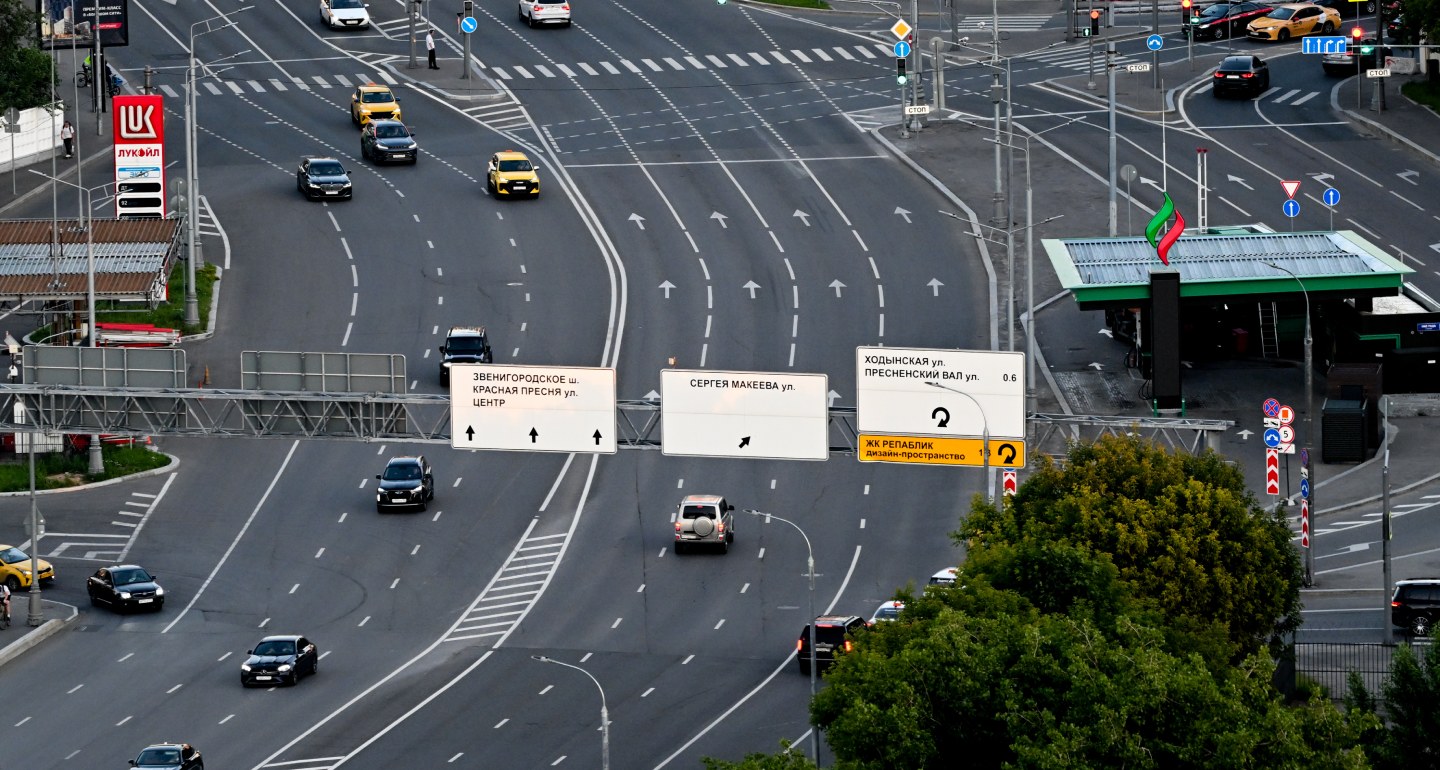
При значительном дефиците предложения бензина единственный механизм, приводящий рынок в равновесие, — это разрушение спроса и уменьшение автомобильного трафика. То есть масштабы снижения российской нефтепереработки можно оценить на основе того, насколько меньше россияне стали ездить на автомобилях.
Сергей Вакуленко

Путин пригодился бы партии власти как ее покровитель, который находится где-то далеко от выборов и не привлекает к агитации излишнего внимания. Но как активный фронтмен, навязывающий обществу свои взгляды, он оказался вреден и для «Единой России», и для правящей системы в целом.

Андрей Перцев

Эмигрантские раздоры и нападки на Горького встречались в высших московских кабинетах улыбками одобрения: все было на правильном пути, Буревестник в меру запачкан, окольцован и отлучен от враждебной кормушки.

Иван Толстой
В ретроспективе 1989 год оказывается не совсем тем поворотным пунктом, каким мы его считали.

Сергей Радченко
Рассказ, задуманный как подтверждение исторической силы и суверенитета России, превращается в историю ее хронической пассивности, слабости и уязвимости.

Алексей Уваров