

In The Media
Minxin Pei
{
  "authors": [
    "Minxin Pei"
  ],
  "type": "other",
  "centerAffiliationAll": "dc",
  "centers": [
    "Carnegie Endowment for International Peace"
  ],
  "collections": [],
  "englishNewsletterAll": "asia",
  "nonEnglishNewsletterAll": "",
  "primaryCenter": "Carnegie Endowment for International Peace",
  "programAffiliation": "AP",
  "programs": [
    "Asia",
    "Democracy, Conflict, and Governance"
  ],
  "projects": [],
  "regions": [
    "China"
  ],
  "topics": [
    "Political Reform",
    "Economy",
    "Trade",
    "Military"
  ]
}
REQUIRED IMAGE
Source: Carnegie
China's impending WTO entry will pose unprecedented economic and political challenges to the Chinese government. Initial adjustments to WTO entry are expected to increase the pains of reform and pressures on the government. U.S.-China relations could deteriorate as bilateral tensions over trade and human rights increase. Despite the long-term promises of WTO entry for China's economic and political reform, the Chinese government's ability to overcome these short-term difficulties is not assured because of the inherent weaknesses of the current Chinese political system and accumulated social and political stress in the Chinese society.
Click on link above for the full text of this Policy Brief.
About the Author
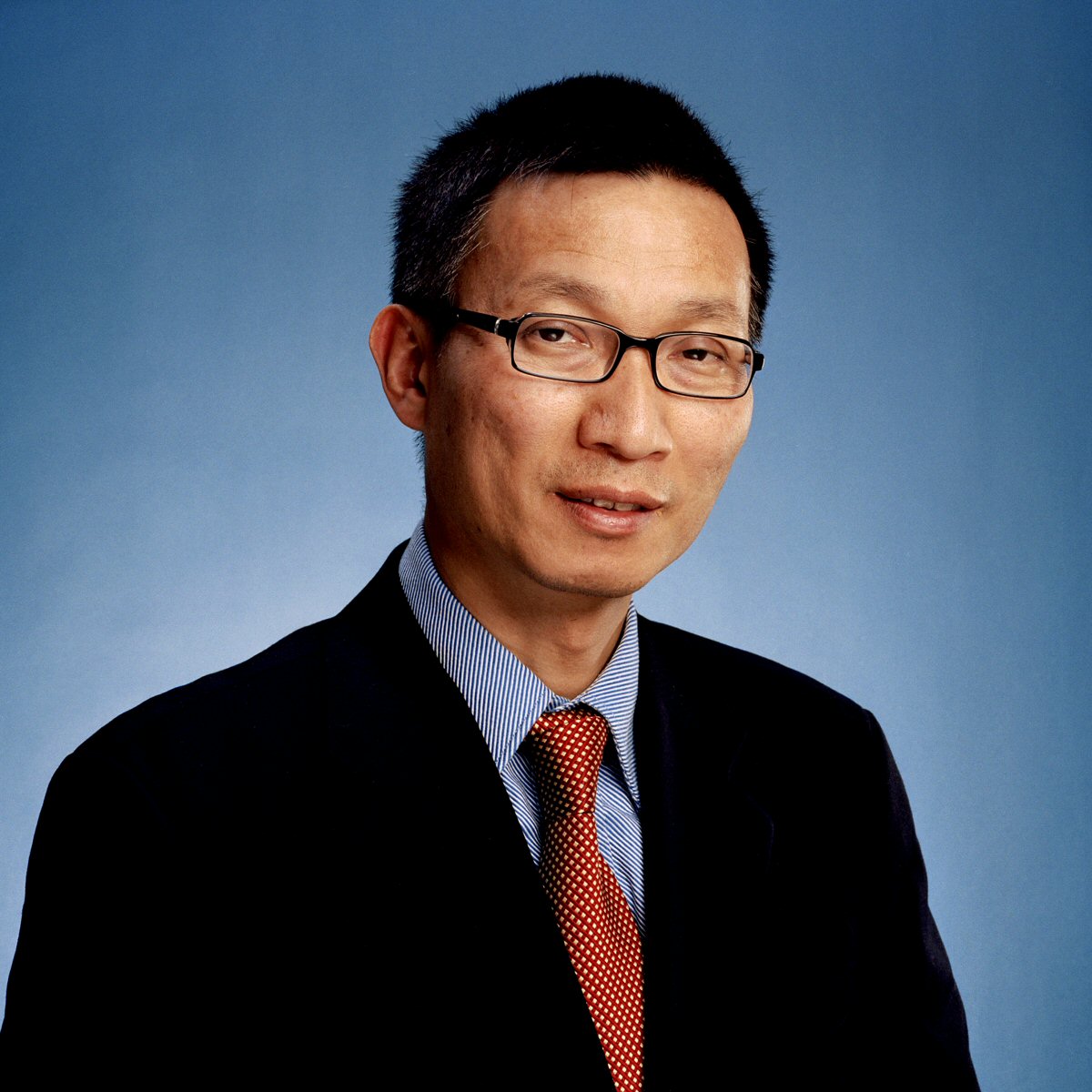
Minxin Pei, senior associate and codirector of the China Program, conducts research in Chinese politics, economic reform, East Asian politics, U.S. relations with East Asian countries, and democratization in developing countries.
Former Adjunct Senior Associate, Asia Program
Pei is Tom and Margot Pritzker ‘72 Professor of Government and the director of the Keck Center for International and Strategic Studies at Claremont McKenna College.
Recent Work
Minxin Pei
Minxin Pei
Carnegie does not take institutional positions on public policy issues; the views represented herein are those of the author(s) and do not necessarily reflect the views of Carnegie, its staff, or its trustees.

The European far right might fail to steer EU policy in the direction Russia wants, but they will create enough chaos inside Europe to benefit the Kremlin.

Dimitar Bechev

If the Russian-speaking community in Latvia cannot articulate their interests without being seen as disloyal, they could end up embracing a pro-Kremlin agenda.

Sergejs Potapkins

Russia’s ruling party would have benefited from Putin appearing as its distant patron, but as an active frontman imposing his views on the public, he has done nothing but harm both the party’s election campaign and the ruling system overall.

Andrey Pertsev

Depleted financial reserves and a shrinking tax base mean it is no longer possible to simultaneously deliver high defense spending, price stability, and economic growth.

Alexandra Prokopenko

In the tenth year of his presidency, President Mirziyoyev’s system is becoming even more personalized than that of his predecessor Karimov.

Galiya Ibragimova