

In The Media
Minxin Pei
{
  "authors": [
    "Minxin Pei"
  ],
  "type": "other",
  "centerAffiliationAll": "dc",
  "centers": [
    "Carnegie Endowment for International Peace"
  ],
  "collections": [],
  "englishNewsletterAll": "asia",
  "nonEnglishNewsletterAll": "",
  "primaryCenter": "Carnegie Endowment for International Peace",
  "programAffiliation": "AP",
  "programs": [
    "Asia"
  ],
  "projects": [],
  "regions": [
    "United States",
    "China"
  ],
  "topics": [
    "Democracy",
    "Military",
    "Foreign Policy"
  ]
}
REQUIRED IMAGE
Source: Carnegie
China's leadership transition occurs at a critical juncture. Beijing's new leaders face an emerging governance crisis that consists of a decaying ruling party, deteriorating state capacity, and brewing regime-society tensions. This crisis originates in the fundamental incompatibility between the Chinese Communist Party's goal of perpetuating one-party rule and the market-oriented reforms it has pursued to achieve this goal. If left unresolved, China's governance crisis could lead to long-term stagnation and social instability. Beijing's new leaders must confront this crisis with long-delayed political reforms. Moreover, China's internal weakness poses a difficult challenge to the Bush administration and calls for a rethinking of the assumptions underlying Washington's China policy.
Click on link above for full text of this Policy Brief.
A limited number of print copies will be available.
Request a copy
About the Author
Minxin Pei is senior associate and codirector of the Endowment's China Program. He is the coauthor of Rebalancing United States—China Relations (Carnegie Endowment Policy Brief No. 13) and author of Future Shock: The WTO and Political Change in China (Carnegie Endowment Policy Brief No. 3).
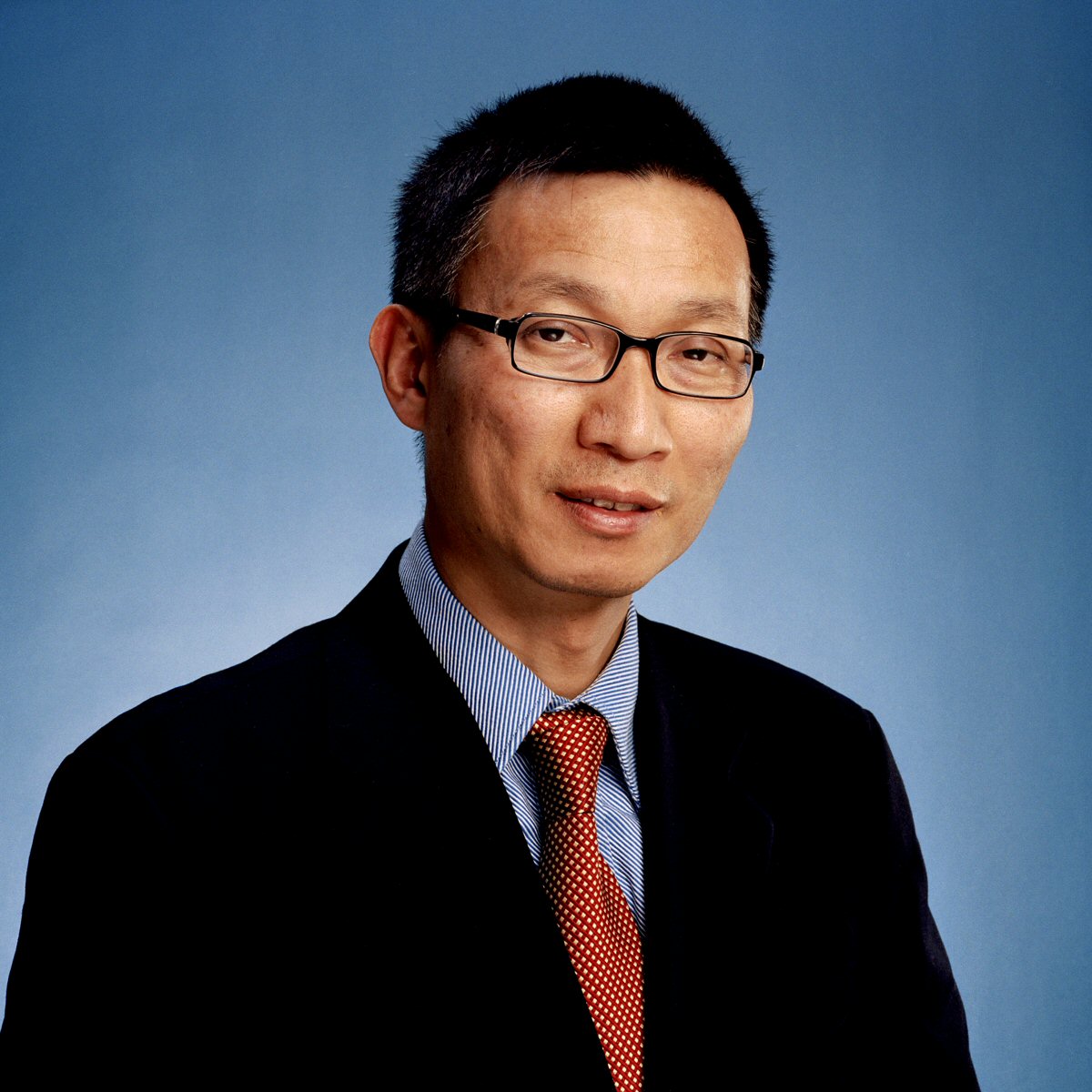
Former Adjunct Senior Associate, Asia Program
Pei is Tom and Margot Pritzker ‘72 Professor of Government and the director of the Keck Center for International and Strategic Studies at Claremont McKenna College.
Recent Work
Minxin Pei
Minxin Pei
Carnegie does not take institutional positions on public policy issues; the views represented herein are those of the author(s) and do not necessarily reflect the views of Carnegie, its staff, or its trustees.

Without a ceasefire with Ukraine on attacking each other’s energy infrastructure—to which the Kremlin is unlikely to agree—the diesel agreement between Putin and Trump is largely for show, rather than representing a genuine increase in the volumes of Russian diesel on the global market.

Sergey Vakulenko

Despite a new textbook, an influx of Russian teachers and managers, and an end to the teaching of Ukrainian, the Kremlin is unlikely to have “reprogrammed” locals.

Konstantin Skorkin
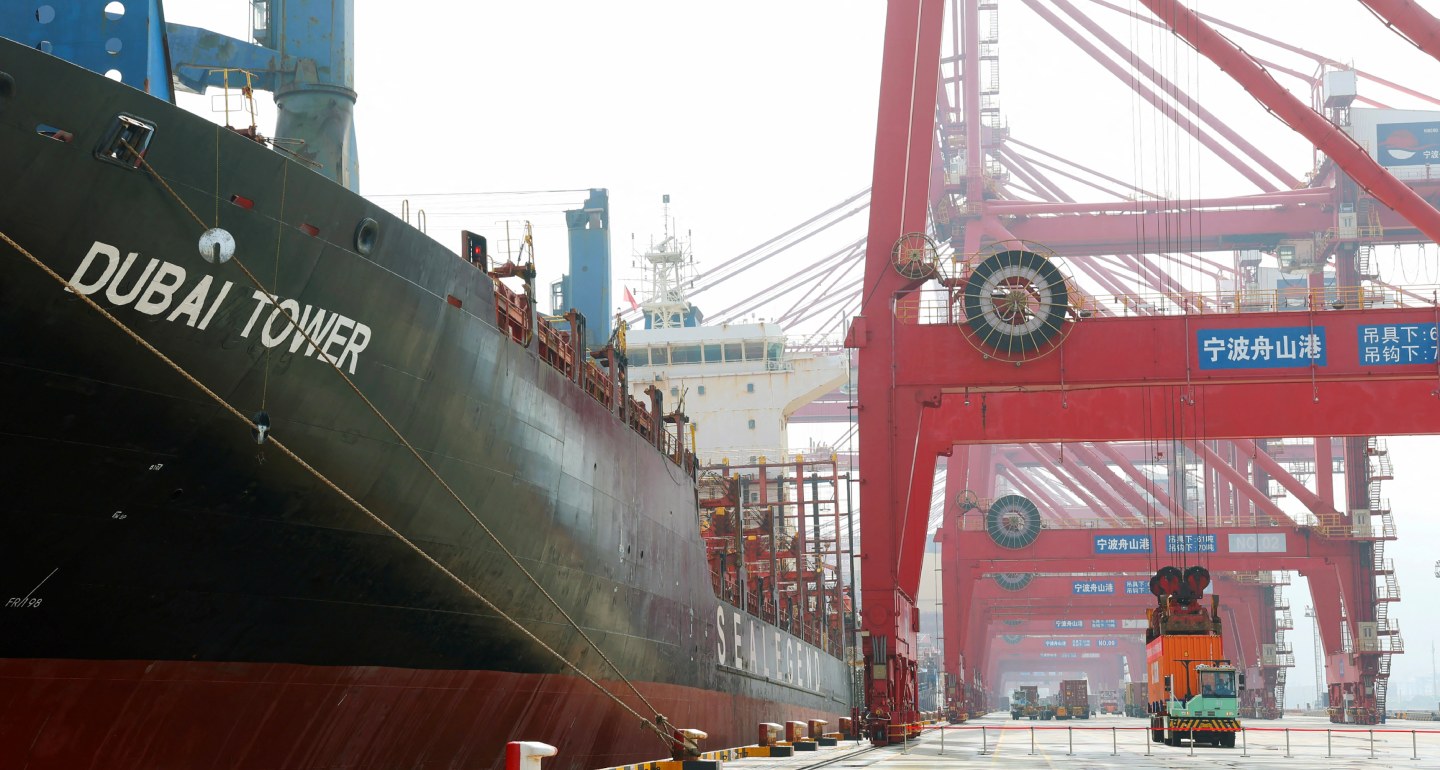
Cargo traffic through Russia’s Northern Sea Route has increased because of the disruption caused by the conflict in the Middle East, the Ukraine war, and U.S.-China tensions.
Mikhail Korostikov
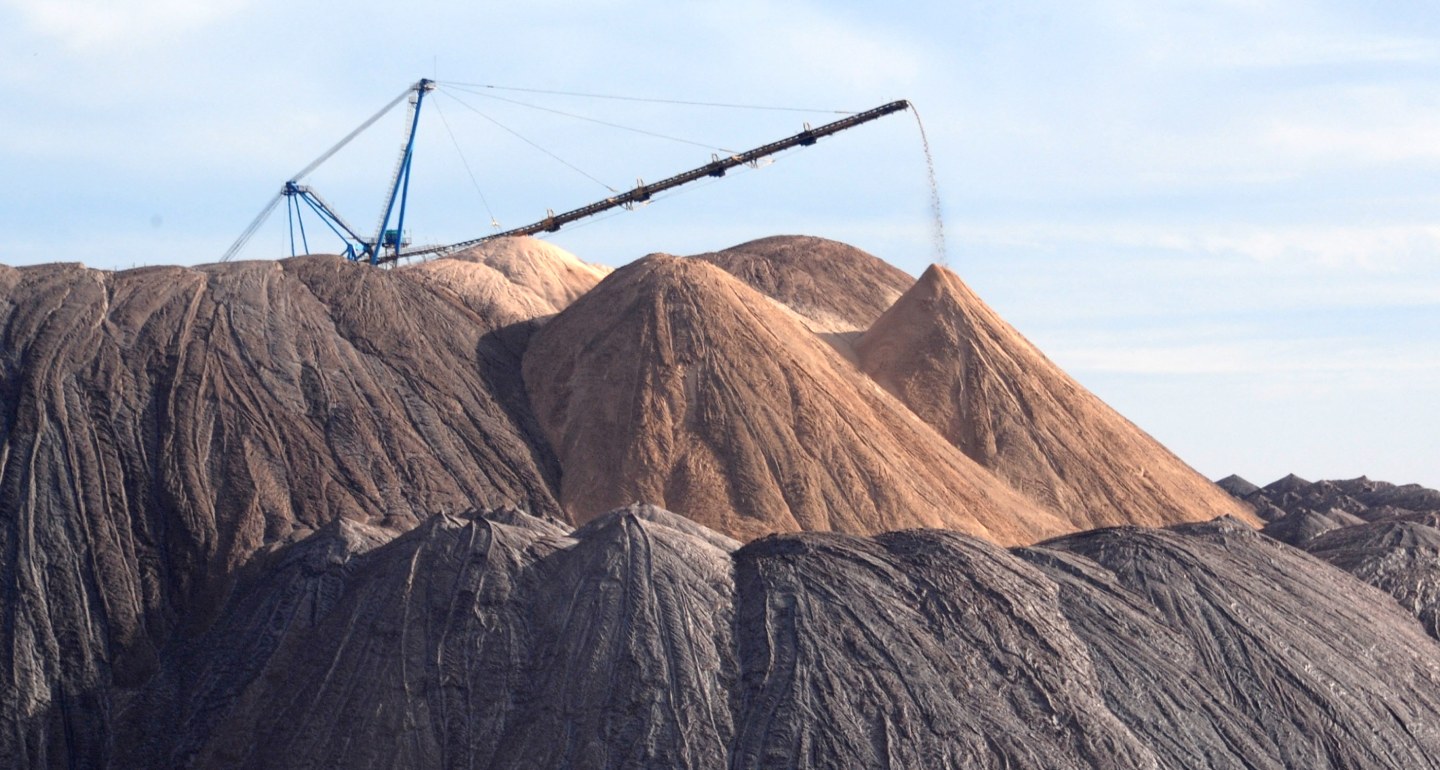
Trump has promised Belarus a massive potash deal. But Minsk is seeking something greater: restored Western transit and greater room for maneuver from Russia.

Balázs Jarábik
Minsk clearly expected the dialogue with Washington to yield more results, in particular the lifting of EU sanctions and permission to export potash.

Artyom Shraibman