

Q&A
- +2
Judy Dempsey, Alexander Gabuev, Rose Gottemoeller, …
{
  "authors": [
    "Rose Gottemoeller"
  ],
  "type": "legacyinthemedia",
  "centerAffiliationAll": "dc",
  "centers": [
    "Carnegie Endowment for International Peace"
  ],
  "collections": [
    "U.S. Nuclear Policy"
  ],
  "englishNewsletterAll": "ctw",
  "nonEnglishNewsletterAll": "",
  "primaryCenter": "Carnegie Endowment for International Peace",
  "programAffiliation": "russia",
  "programs": [
    "Russia and Eurasia",
    "Nuclear Policy"
  ],
  "projects": [],
  "regions": [
    "North America",
    "United States",
    "Caucasus",
    "Russia",
    "Eastern Europe",
    "Ukraine"
  ],
  "topics": [
    "Security",
    "Foreign Policy",
    "Nuclear Policy",
    "Nuclear Energy"
  ]
}
REQUIRED IMAGE
If the U.S. succeeds in getting Ukraine to face up to the proliferation threat that its nuclear capabilities still pose, then we might be on the road to restoring the U.S.-Ukrainian bilateral relationship. And if Russia proves to be a good partner in this effort, then it might open up important possibilities for the future. In particular, if this works, then maybe it will work on North Korea.
Source: Carnegie
Originally appeared in The Moscow Times, December 9, 2002
To a rogue state or terrorist trying to get nuclear weapons, Ukraine must look pretty good right now. According to the U.S. State Department, President Leonid Kuchma personally approved the sale of the Kolchuga early warning radar system to Iraq. If the Ukrainian president could sell a radar system to Saddam Hussein that endangers his putative friends, would he not be capable of selling Iraq nuclear materials? And then there is Yury Orshansky, one of Ukraine's most notorious businessmen, who has been quoted as saying about the Iraqis, "Even if they want to create a nuclear bomb, we will study this."
So it's lucky that the last nuclear weapon left Ukraine in June 1996, the result of a hard-won trilateral deal between Kiev, Moscow and Washington. Launched by U.S. Secretary of State James Baker in the last months of the administration of Bush senior, it came together during the Clinton administration as a pragmatic package deal. The deal included security assurances for Ukraine (the United States would be there if Russia tried to bully it), assistance to destroy the missiles and bombers that were left in Ukraine, and fuel for Ukraine's nuclear power plants. In return for this, Ukraine would let the 1900 nuclear weapons on its territory go back to Russia to be dismantled. And that is what happened.
The point of the story is that the right combination of incentives and demands, advanced with careful diplomacy, can prevent nuclear capabilities from falling into the wrong hands. The stars lined up in this case: Ukraine was eager to make its way into partnership with the United States, Russia was desperate for help in dealing with the nuclear consequences of the Soviet Union's breakup and the U.S. administration was intent on getting the job done. In addition, the problem was easily definable: 1,900 nuclear warheads had to be taken off missiles or out of storage, be loaded onto trains and shipped out of Ukraine.
Today, the problem is not so easy to define. There are little caches of nuclear or radiological material scattered all over Ukraine, such as the 75 kilograms of highly enriched uranium at the Kharkiv Institute of Physics and Technology. Some of the material could be made into nuclear weapons, but most could only go into a "dirty bomb." These devices would sow more contamination and panic than death and destruction, but they could exact a high price in public morale and economic damage.
What is more, the stars are not very well aligned any more. For one thing, Ukraine has turned its quest for partnership away from the United States. The United States has pushed hard for democratization, economic reform and the rule of law in Ukraine, and the Ukrainians, sadly, have responded at best in fits and starts. Mostly, they seem to have turned elsewhere. Russia, for example, is today viewed less as a threat to Ukrainian sovereignty than as a source of foreign investment and industry orders.
On the nuclear front, Russia has had 10 years of living with the Soviet Union's breakup. Thanks to the trilateral deal, and similar deals with Kazakhstan and Belarus, Russia has avoided having any new nuclear weapon states on its periphery. It continues to make progress in its joint work with the United States to protect nuclear weapons and materials and to dispose of them over time. In short, the acute sense of nuclear crisis that drove Moscow in the early 1990s has dissipated.
The Bush administration has not been much at peace with the amount of attention that these problems require. A good deal of heavy lifting, starting with the president and extending to the vice president, the secretary of state, the secretary of defense and a constellation of high-level officials, is what it took to get the nuclear weapons out of Ukraine. Although that amount of attention cannot be sustained for every proliferation problem, keeping nuclear weapons away from terrorists and rogue states won't be accomplished on bureaucratic autopilot.
To push the stars back into alignment and get control of Ukraine's nuclear proliferators, the United States will have to try some new ideas. Most important will be to re-engage Russia in the effort. Russia has the commercial links to knock heads in the Ukrainian business community, and it should be urged to do so. Although the Bush administration has vilified the relationship between Vice President Al Gore and Prime Minister Viktor Chernomydin, Chernomyrdin was influential in the denuclearization deal in the mid-1990s. Now ambassador to Ukraine, Chernomyrdin's influence among Ukrainian businessmen could be useful in stopping nuclear leakage.
Second, while the United States does not want to endorse Kuchma's current leadership style, it should recognize the need to act fast against proliferation threats in Ukraine. In other words, although there are concerns about Kuchma and aid to Ukraine has been cut, we should make sure that there are U.S. funds available to spend quickly on high-priority nuclear projects. If we have to wait for a decision to grind through the annual budget cycle, we'll lose.
Finally, the Bush administration needs a tiger team to work on this problem. It should be made up of highly motivated technical experts from around the government, but they should have daily access to higher-level decisionmakers who can break logjams, particularly about spending money. The tiger team's first order of business should be to set priorities -- i.e. the nuclear materials that are the greatest threat and most at risk. Then they should set the strategy -- what needs to be moved, how quickly and at what cost.
It will be up to a higher level, however, to devise a way to get the job done, to get the Kuchma administration to agree to work out the nuclear problem. Since the U.S.-Ukrainian relationship is currently so troubled, this will not be easy.
However, Kuchma's clear desire, voiced at the recent NATO summit in Prague, to show that Ukraine still desires partnership could be an important catalyst for progress. A special U.S. negotiator, focused on getting specific projects in place, could work wonders.
If the United States succeeds in getting Ukraine to face up to the proliferation threat that its nuclear capabilities still pose, then we might be on the road to restoring the U.S.-Ukrainian bilateral relationship. And if Russia proves to be a good partner in this effort, then it might open up some important possibilities for the future. In particular, if this works, then maybe we could try it next on North Korea.

Nonresident Senior Fellow, Nuclear Policy Program
Rose Gottemoeller is a nonresident senior fellow in Carnegie’s Nuclear Policy Program. She also serves as lecturer at Stanford University’s Freeman Spogli Institute for International Studies and is a research fellow at the Hoover Institution. Ambassador Gottemoeller served as the deputy secretary general of NATO from 2016 to 2019.
Recent Work


Judy Dempsey, Alexander Gabuev, Rose Gottemoeller, …
Carnegie does not take institutional positions on public policy issues; the views represented herein are those of the author(s) and do not necessarily reflect the views of Carnegie, its staff, or its trustees.
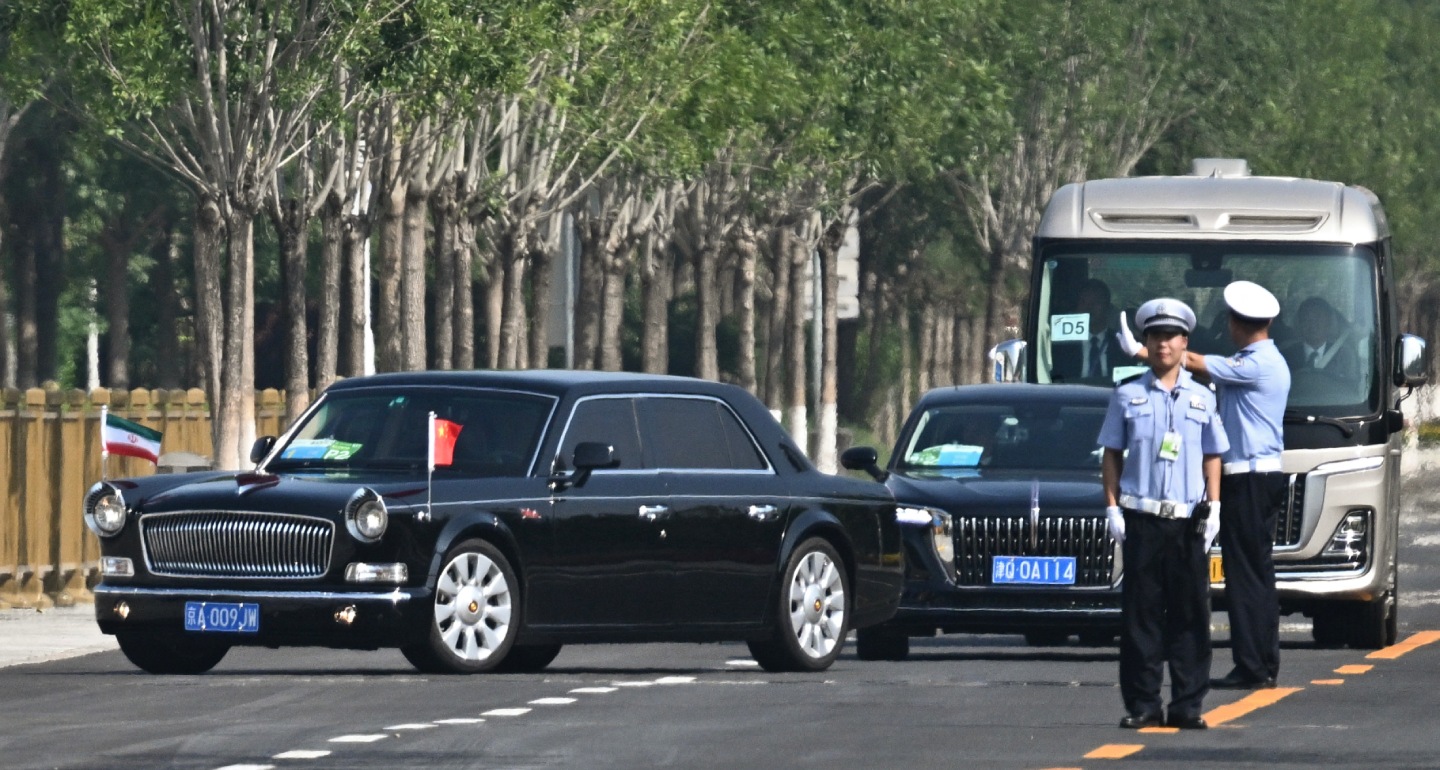
Most of Moscow’s military resources are tied up in Ukraine, while Beijing’s foreign policy prioritizes economic ties and avoids direct conflict.

Alexander Gabuev, Temur Umarov
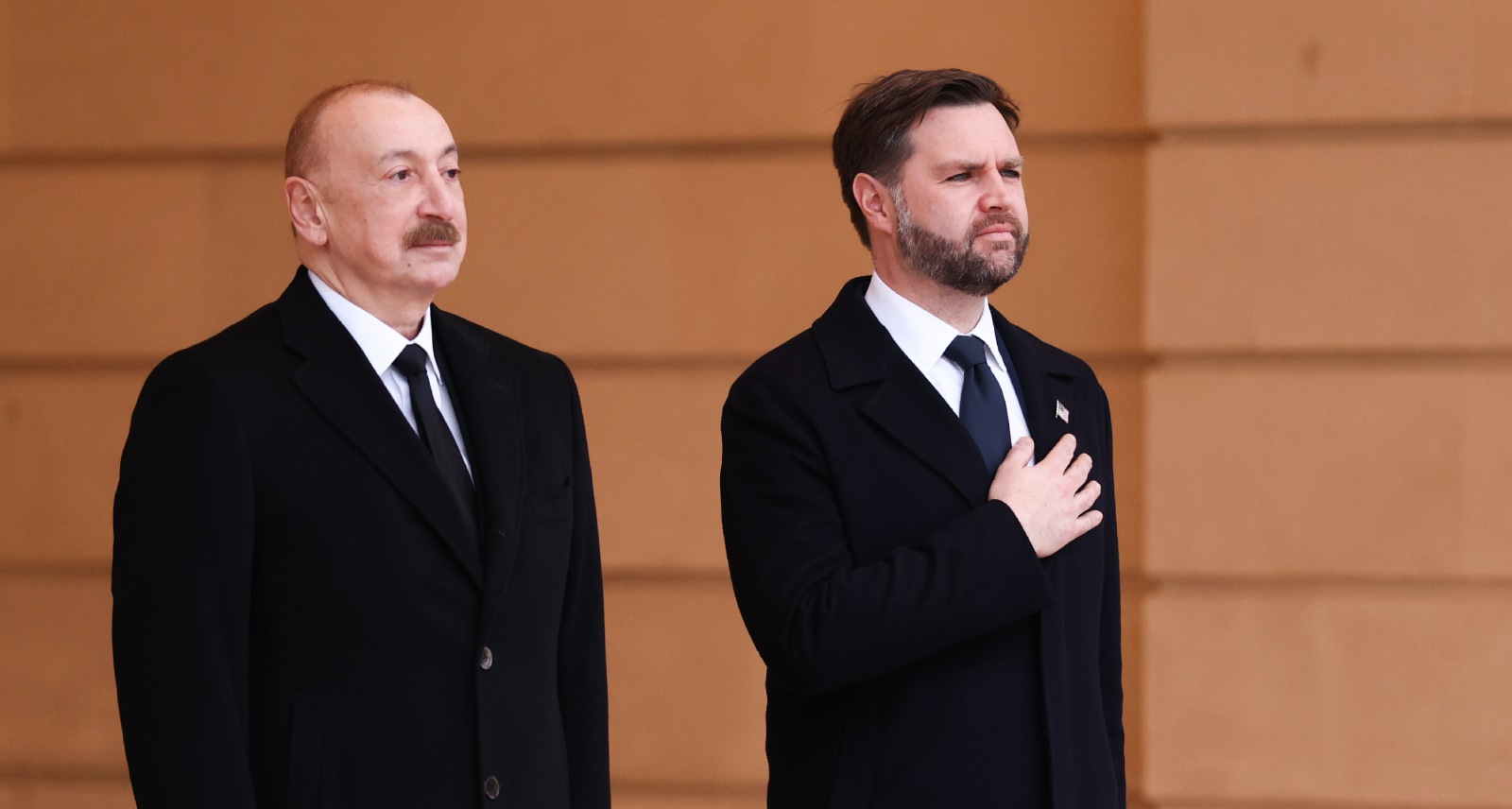
With the White House only interested in economic dealmaking, Georgia finds itself eclipsed by what Armenia and Azerbaijan can offer.

Bashir Kitachaev
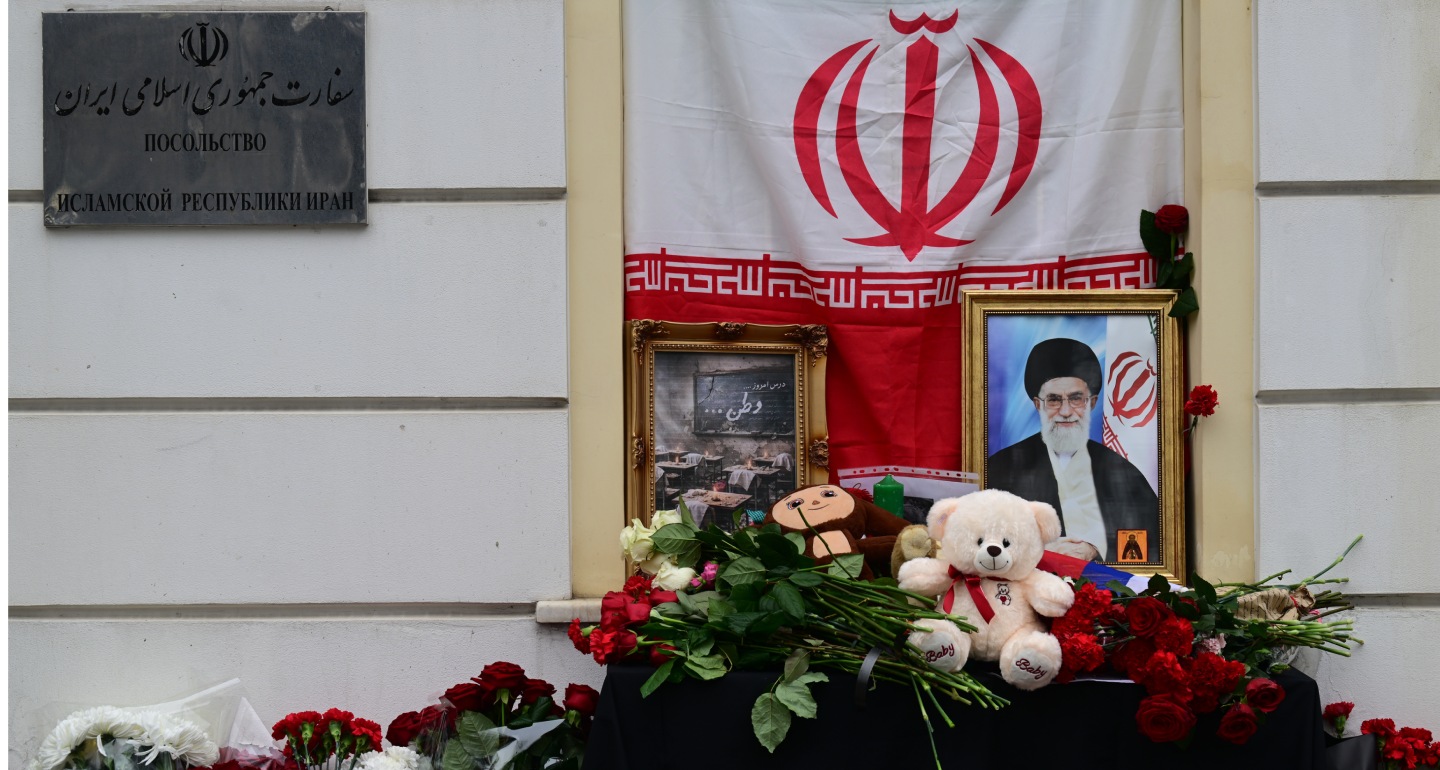
If the regime in Tehran survives, it could be obliged to hand Moscow significant political influence in exchange for supplies of weapons and humanitarian aid.

Nikita Smagin

The interventions in Iran and Venezuela are in keeping with Trump’s strategy of containing China, but also strengthen Russia’s position.

Mikhail Korostikov
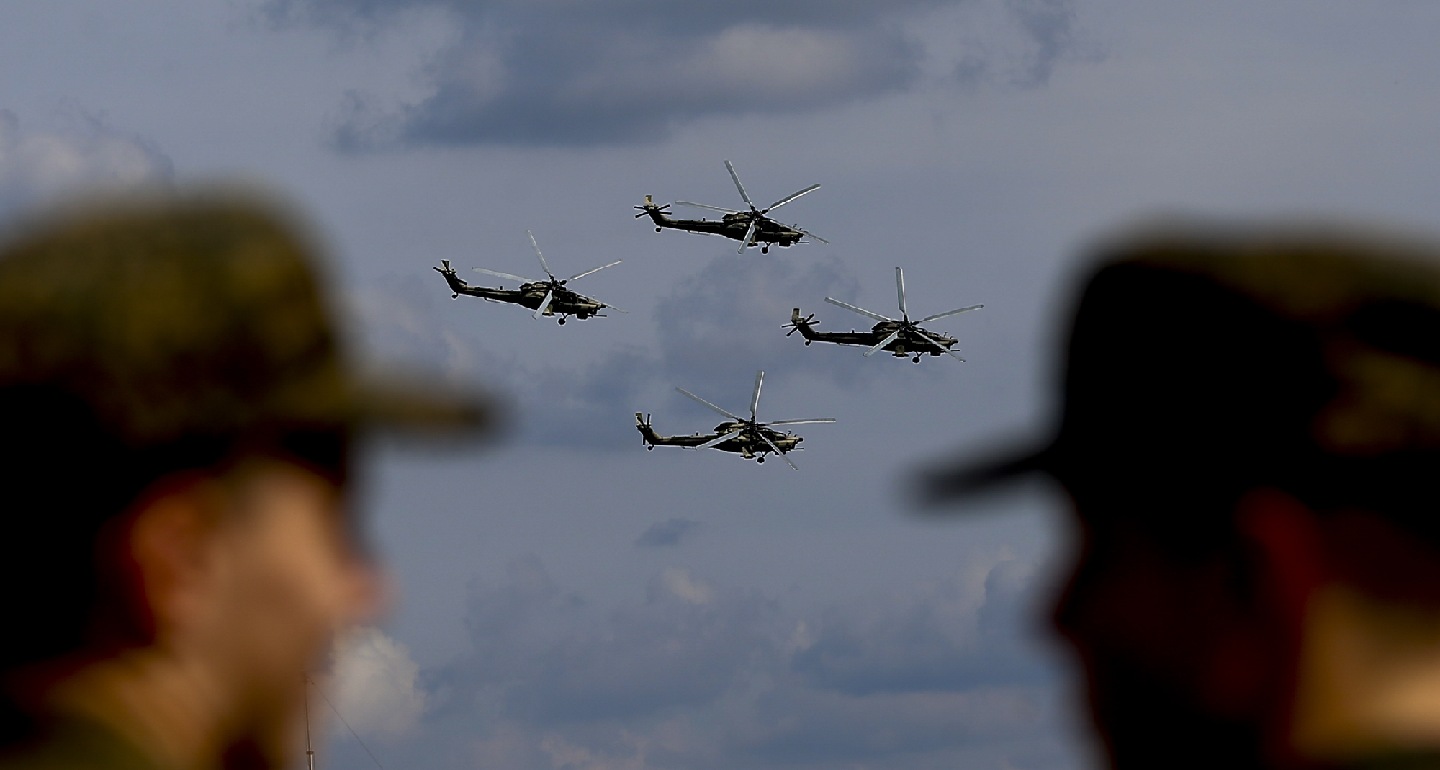
Arms supplies from Russia to Iran will not only continue, but could grow significantly if Russia gets the opportunity.
Nikita Smagin