

Research
- +10
Rosa Balfour, Frances Z. Brown, Yasmine Farouk, …
{
  "authors": [
    "Moisés Naím"
  ],
  "type": "legacyinthemedia",
  "centerAffiliationAll": "",
  "centers": [
    "Carnegie Endowment for International Peace"
  ],
  "collections": [],
  "englishNewsletterAll": "",
  "nonEnglishNewsletterAll": "",
  "primaryCenter": "Carnegie Endowment for International Peace",
  "programAffiliation": "",
  "programs": [],
  "projects": [],
  "regions": [
    "United States",
    "Iraq"
  ],
  "topics": [
    "Political Reform",
    "Security",
    "Military",
    "Foreign Policy",
    "Nuclear Policy"
  ]
}
REQUIRED IMAGE
Source: Carnegie
Originally published in the
Financial Times, on February
24th, 2003
There is murderous anti-Americanism and there is anti-Americanism "light".
The first is the anti-Americanism of fanatical terrorists who hate the US
- its power, its values and its policies - and are willing to kill and to
die in order to hurt it. The second is the anti-Americanism of those who take
to the streets and the media to rant against it but do not seek its destruction.
Both light anti-Americans and Americans in government share the illusion that anti-Americanism that falls short of terrorism is costless. Light anti-Americans will tell you that they love the country but despise its policies, and that criticising its government is healthy.
They are correct that the global pushback against US initiatives helps to limit the unilateral excesses, mistakes, and double standards of a superpower often driven by overly narrow calculations rooted in domestic politics. But they are wrong when they assume that there is no cost to their broad denunciations, especially when vocal attacks against US policy help stoke far deeper and more pervasive animosities and suspicions against the US, its government, and its people.
Those who partake and spread light anti-Americanism even while sharing the principles and values that the US stands for undermine its ability to defend such principles abroad. After all, international influence requires power but it also depends on legitimacy. Such legitimacy flows from the acceptance of others that not only consent to but even welcome the use of that influence.
US legitimacy abroad was undermined by George W. Bush's propensity to talk tough and threaten to act alone and impose the will of his administration on others. But such actions were interpreted by much of the world through the lens of deep suspicions about the US that existed well before the Bush presidency. Ultimately, the automatic rejection of US international actions rooted in light anti- Americanism may be as bad for the world as granting the US a blank cheque to exert its power without the constraints imposed by the inter- national community.
For example, the instinctive reactions stoked by light anti-Americanism surely had some role in undermining and perhaps permanently altering the Nato alliance. The relevance and effectiveness of many UN agencies are also eroded by their subtle and sometimes not so subtle anti-Americanism. Moreover, the stridency of this global anti-American chorus also undermines the support of the US public for their country's international engagement.
While active US engagement may not always be the best recipe for international problems, it is often the only one available. Average Americans already have a hard time understanding why they should bear the burden of being the world's sheriff and receive no respect in return. Indeed, the light anti-Americanism that prevails in many countries helped by the US may eventually boost the fortunes of American isolationists by making such understanding impossible.
But such perilous carelessness is not only the province of light anti-Americans. US politicians and government leaders have long been disdainful and careless about the ill effects of light anti-Americanism. Among Washington's heavies, the common wisdom is that murderous, fanatical, anti-Americans cannot be swayed and must be dealt with by security and law enforcement agencies while the faddish actions of light anti-Americans are largely inconsequential.
Several months ago a bi-partisan group of highly respected US foreign policy experts outside the government held several discreet meetings to discuss their concern about the growing tide of anti-Americanism worldwide. The group eventually drafted a private letter to Mr Bush calling his attention to the urgent need to do something about it. The cabinet member they asked to deliver the letter responded that it would not have much impact unless it spelled out the concrete costs of anti-Americanism.
Today, Tony Blair, José Mara Aznar, Silvio Berlusconi and Vicente Fox among others can clearly spell out the costs of the light anti-Americanism that pervades their societies. It has made it increasingly costly for them at home to support Mr Bush, who in turn has learned that acting alone entails huge costs and risks. Many of the problems the US faces will only get worse if it tries to solve them unilaterally.
Yes, it can attack Iraq without the blessing of the UN. But its military needs bases in other countries, its terrorist fighters need the help of other intelligence services (even those of France), its financial regulators need to work closely with regulators abroad, and its nation builders in Afghanistan and soon in Iraq need the help and the money of other countries.
The US has discovered that it depends as much on the good will of other governments as it does on the lethal efficacy of its military to achieve its international goals. In turn that good will is dependent on the mood and attitudes of domestic constituencies. That is why the ascendancy of light anti-Americanism is a dangerous trend - and not only for Americans.
The writer is editor of Foreign Policy magazine

Distinguished Fellow
Moisés Naím is a distinguished fellow at the Carnegie Endowment for International Peace, a best-selling author, and an internationally syndicated columnist.
Recent Work



Rosa Balfour, Frances Z. Brown, Yasmine Farouk, …
Moisés Naím
Carnegie does not take institutional positions on public policy issues; the views represented herein are those of the author(s) and do not necessarily reflect the views of Carnegie, its staff, or its trustees.

In the tenth year of his presidency, President Mirziyoyev’s system is becoming even more personalized than that of his predecessor Karimov.

Galiya Ibragimova

With the growth in points of friction between the great powers, organizations like the SCO will continue to play a role in the strategic adaptation of the smaller powers caught between them.

Temur Umarov
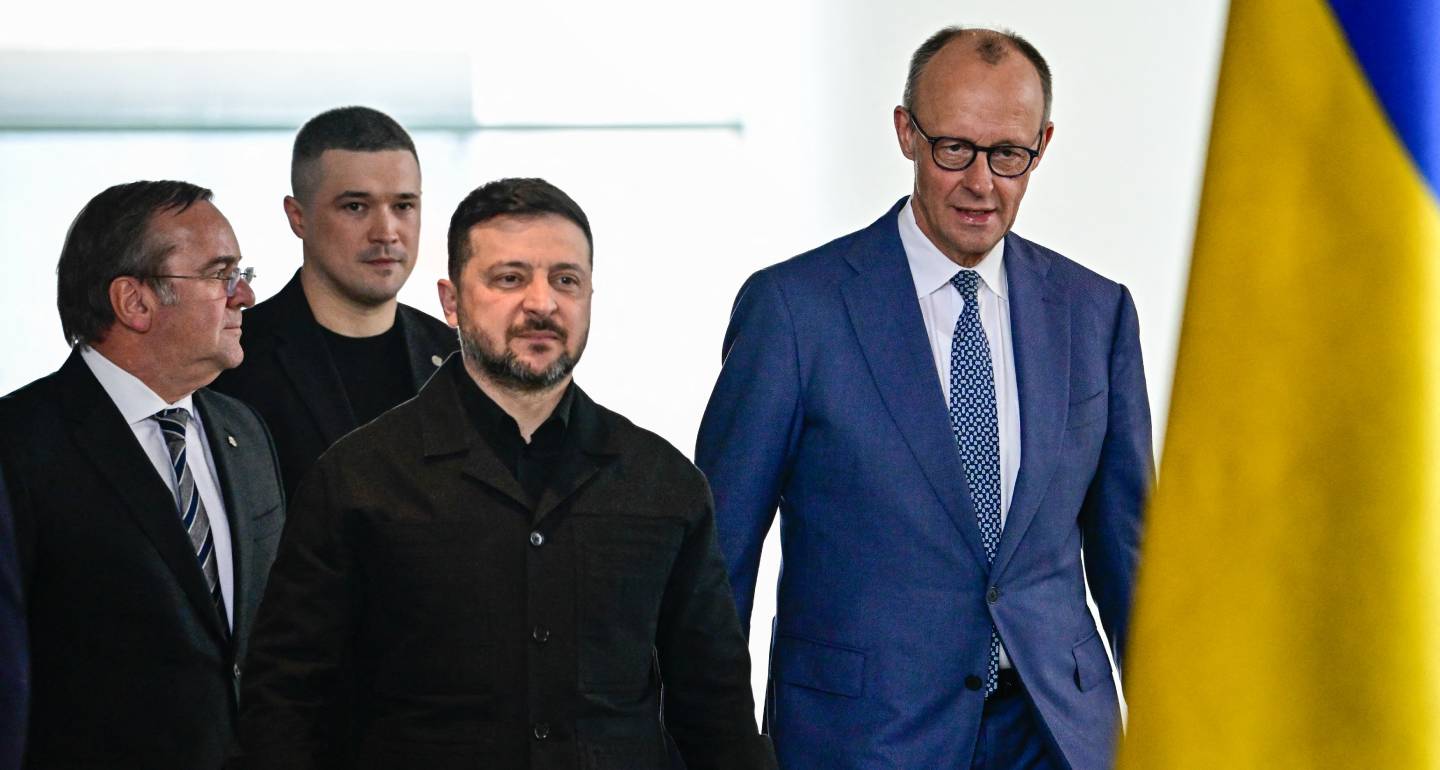
The greater threat to Zelensky comes not from Fedorov alone, but from the convergence between the former defense minister’s political campaign and the anti-corruption investigations moving ever closer to the presidential administration.

Balázs Jarábik
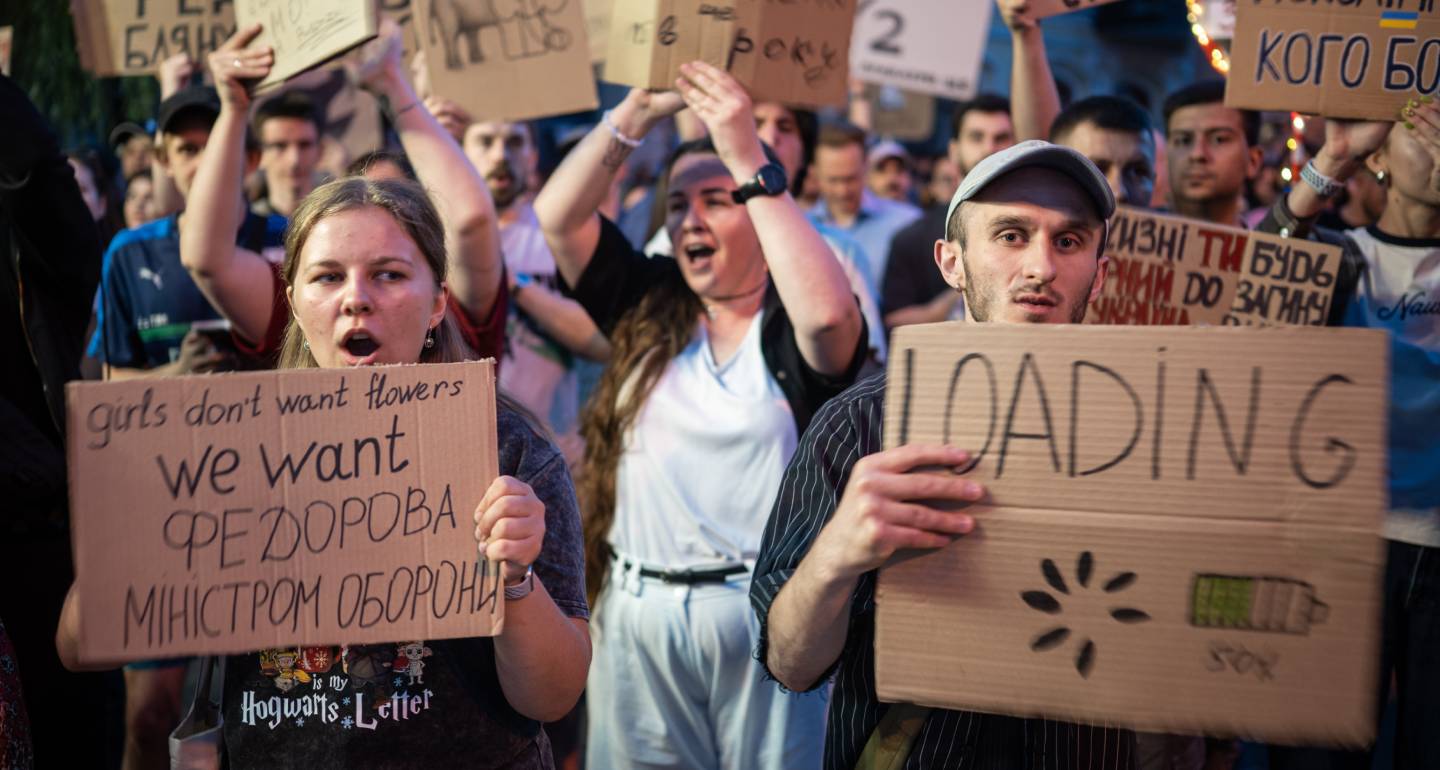
With his public call for new elections in Ukraine, ex-defense minister Mykhailo Fedorov has opened Pandora’s box.

Konstantin Skorkin
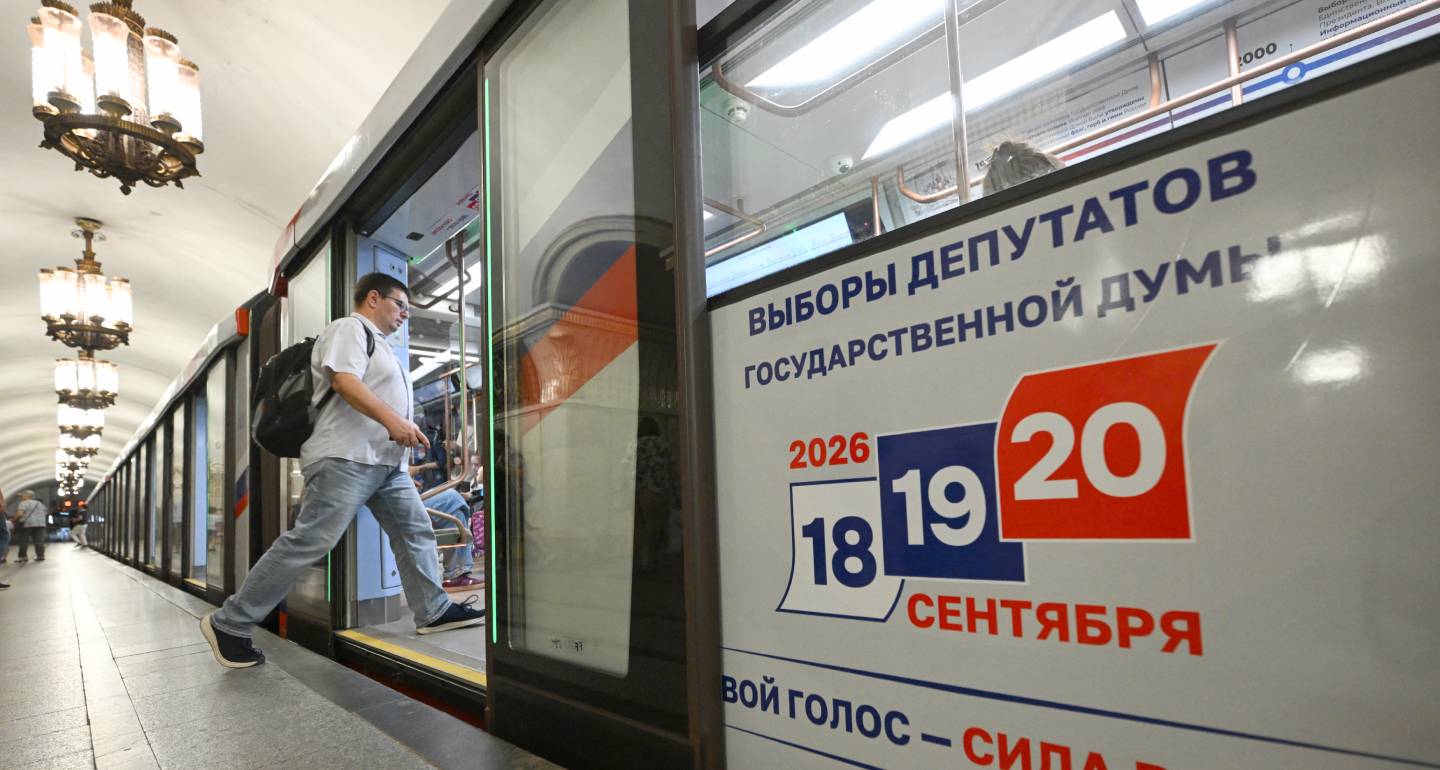
In the discussions made possible by the State Duma election campaign, one question is being asked more and more loudly. “What next?”

Andrey Pertsev