

In The Media
Minxin Pei
{
  "authors": [
    "Minxin Pei"
  ],
  "type": "legacyinthemedia",
  "centerAffiliationAll": "dc",
  "centers": [
    "Carnegie Endowment for International Peace"
  ],
  "collections": [],
  "englishNewsletterAll": "asia",
  "nonEnglishNewsletterAll": "",
  "primaryCenter": "Carnegie Endowment for International Peace",
  "programAffiliation": "AP",
  "programs": [
    "Asia"
  ],
  "projects": [],
  "regions": [
    "East Asia",
    "China"
  ],
  "topics": [
    "Political Reform"
  ]
}
REQUIRED IMAGE
Given the deteriorating situation in Hong Kong, it would be wise for President Hu Jintao and Premier Wen Jiabao to dump Mr Tung and give Hong Kong a fresh start.
Source: Carnegie
Originally published in the Financial Times, July 25, 2003.
The support China's new leaders have lavished on Tung Chee-hwa, Hong Kong's embattled chief executive, must have disappointed those in the former British colony who were hoping that Beijing would cut its losses by replacing him.
But, for those familiar with the thinking of China's ruling elite, Beijing's response was all too predictable. The crisis triggered by Mr Tung's heavy-handed attempt to pass a subversion law that could threaten the civil liberties of the Hong Kong people caught China's leaders in a quandary.
Given the deteriorating situation in Hong Kong, it would be wise for President Hu Jintao and Premier Wen Jiabao to dump Mr Tung and give Hong Kong a fresh start. However, in spite of their populist rhetoric, Messrs Hu and Wen did not want to appear to have buckled under public pressure. In a crisis, the first imperative for the Communist party is always to preserve its image of infallibility.
In addition, these two leaders, both experienced party insiders, understand only too well the iron law of Chinese politics: whenever the party faces a challenge to its authority, open-minded leaders advocating a soft approach always lose. This happened in January 1987 when Hu Yaobang, then the party's general secretary, refused to crack down on students who were demonstrating for democratic reforms. In 1989, Zhao Ziyang was dismissed as the party's general secretary after he resisted the hardliners' pressure to deal "decisively" with the pro-democracy demonstrators in Tiananmen Square.
Even though Messrs Hu and Wen have gained status by their effective handling of the recent crisis of severe acute respiratory syndrome, it is doubtful that they have consolidated enough power to break with old thinking. Few inside the Chinese leadership, however fed up with Mr Tung's stumbles, want to risk the fate that befell their liberal predecessors. Moreover, it is well known that Mr Tung was chosen by Jiang Zemin, the nominally retired former party chief, who has retained great power as the country's commander-in-chief. To cast the hapless Mr Tung aside would inevitably undercut Mr Jiang's political standing.
By giving Mr Tung another lease of political life, China's leaders may be courting new risks. So far the ire of Hong Kong's people has been focused on Mr Tung. But Beijing's unstinting support for him could lead many in Hong Kong to conclude that the real problem lies with a central government determined to prop up an ineffectual leader at all costs. When public anger explodes again over another blunder by Mr Tung - an all-too-likely scenario - Chinese leaders themselves may become the target. That could create a real crisis, challenging both Beijing's authority and the viability of the "one country, two systems" model.
What is even more troubling is that China's leaders have apparently failed to appreciate the real cause of Hong Kong's crisis. Most in Beijing believe that Hong Kong's economic difficulties - deflation, high unemployment, fiscal deficits and plummeting property values - are to blame. Fix the economy, and the political ship will right itself. Some in Beijing are even floating the idea of using the "Qualified Domestic Institutional Investor" scheme, which permits Chinese financial concerns to invest in non-mainland securities, to drive up the Hong Kong stock market.
This kind of thinking, derived from the Communist party's belief that political legitimacy rests on economic growth, misses the real malaise in Hong Kong. Obviously, Hong Kong's economic downturn does not help; but the root cause of Hong Kong's crisis is the lack of political accountability and the contravention of the spirit of "one country, two systems". Because Mr Tung was appointed by Beijing, he has no indigenous legitimacy and depends on Beijing's favour for his political survival. His incentive is thus always to please Beijing first, even at Hong Kong's expense, as his attempt to pass the subversion law showed. In other words, Hong Kong is not ruled by or for the people of Hong Kong, as promised by "one country, two systems".
Fortunately, Mr Tung's decision to shelve the reviled law has given Hong Kong a respite and Beijing a chance to rethink its policy. China's new leaders, once their own power is secure, must salvage the "one country, two systems" model by allowing Hong Kong real democratic reforms - and giving Mr Tung an early retirement, which will best serve China's own interest.
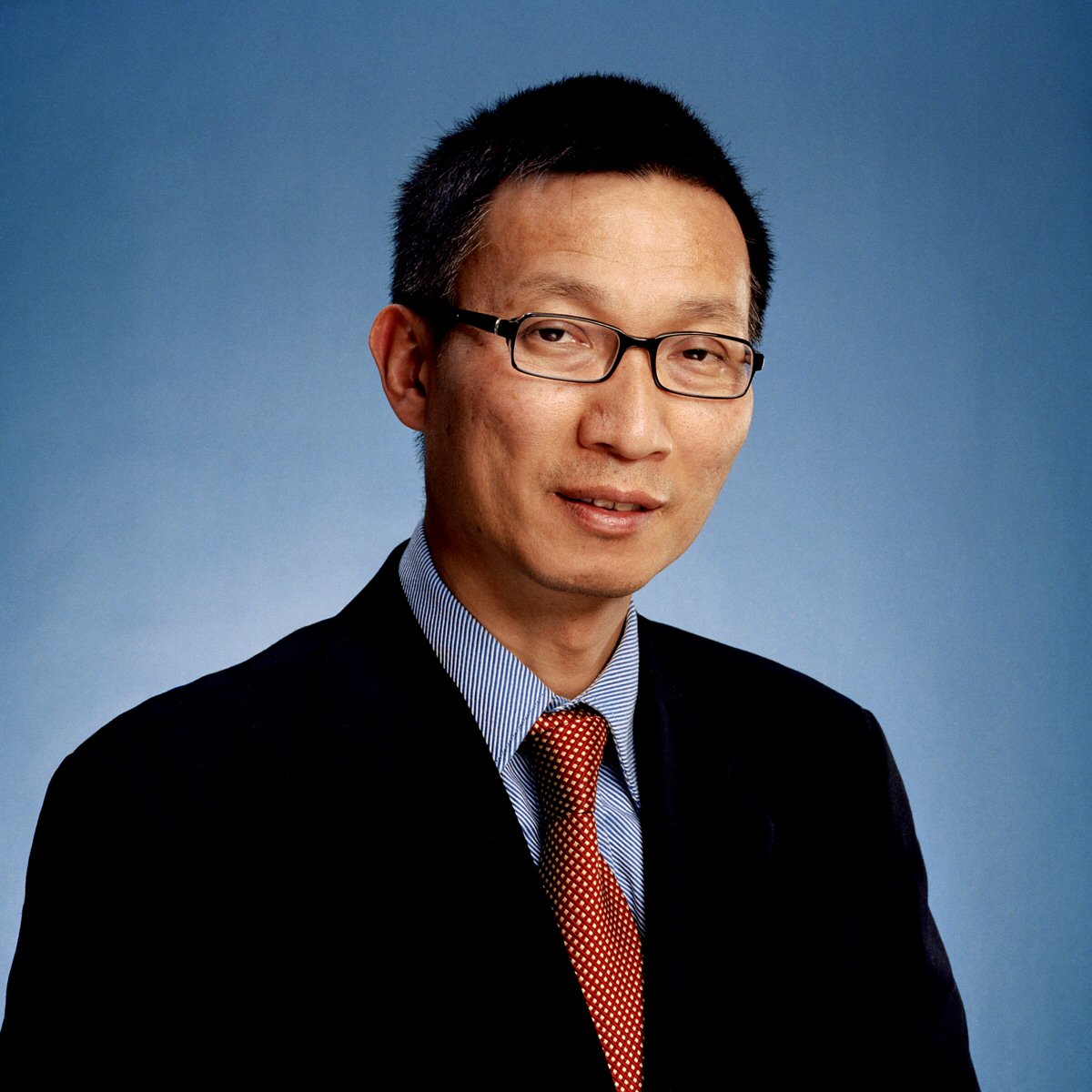
Former Adjunct Senior Associate, Asia Program
Pei is Tom and Margot Pritzker ‘72 Professor of Government and the director of the Keck Center for International and Strategic Studies at Claremont McKenna College.
Recent Work
Minxin Pei
Minxin Pei
Carnegie does not take institutional positions on public policy issues; the views represented herein are those of the author(s) and do not necessarily reflect the views of Carnegie, its staff, or its trustees.
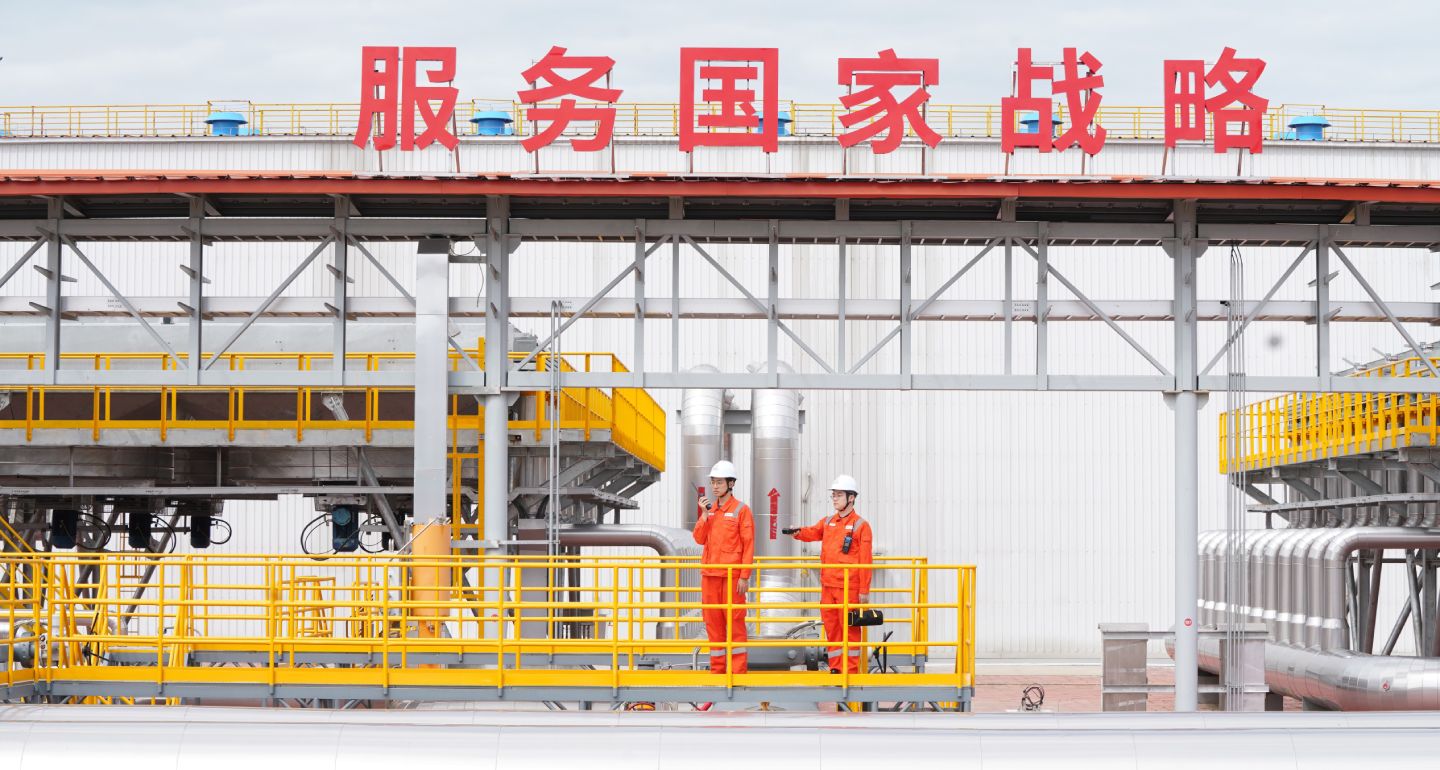
A leak of Russian gas price data helps establish that China is paying Russia far less than Central Asian countries and Gazprom’s former European customers.
Sergey Vakulenko
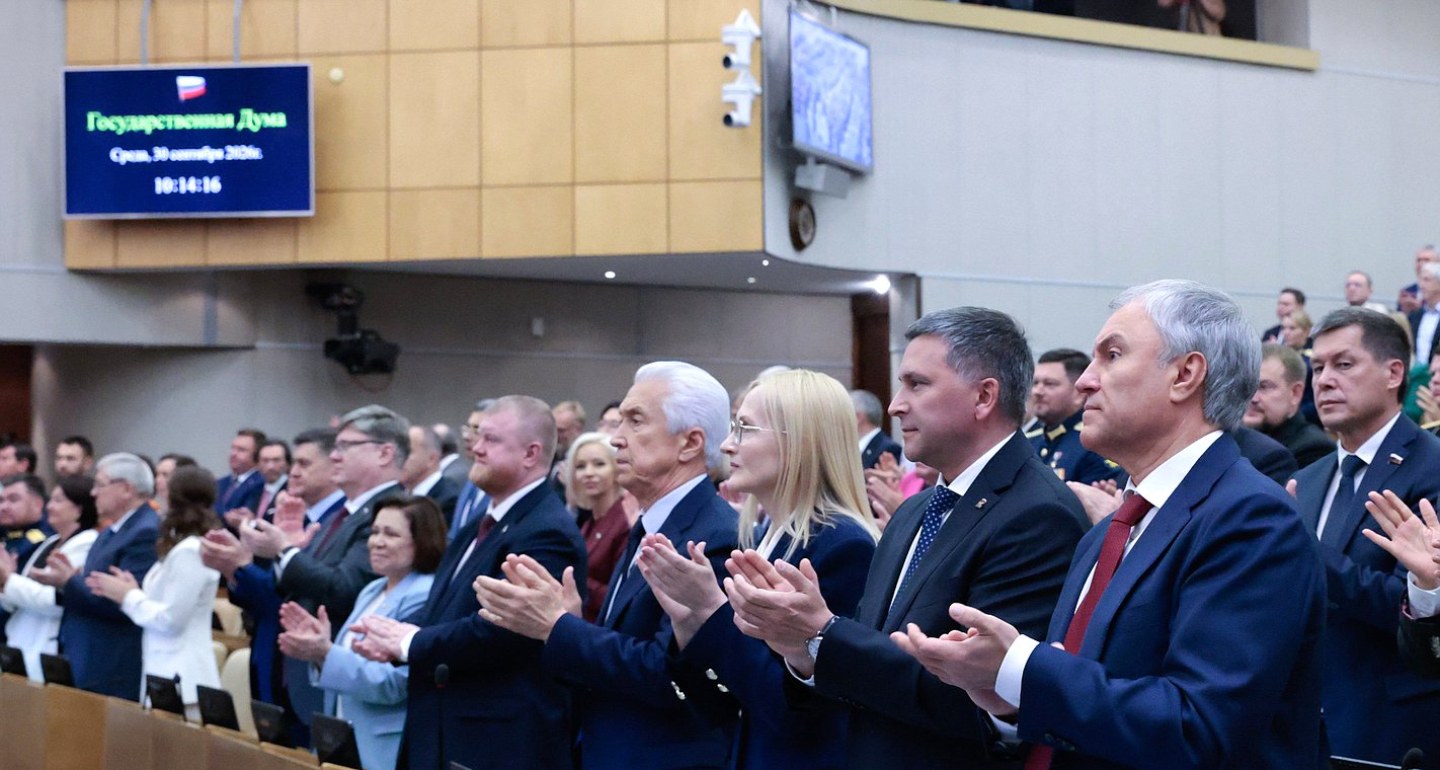
Putin’s conservative staffing policies and search for ever greater control have cemented parliament’s transformation into a bureaucratic appendage of the executive branch.
Andrey Pertsev
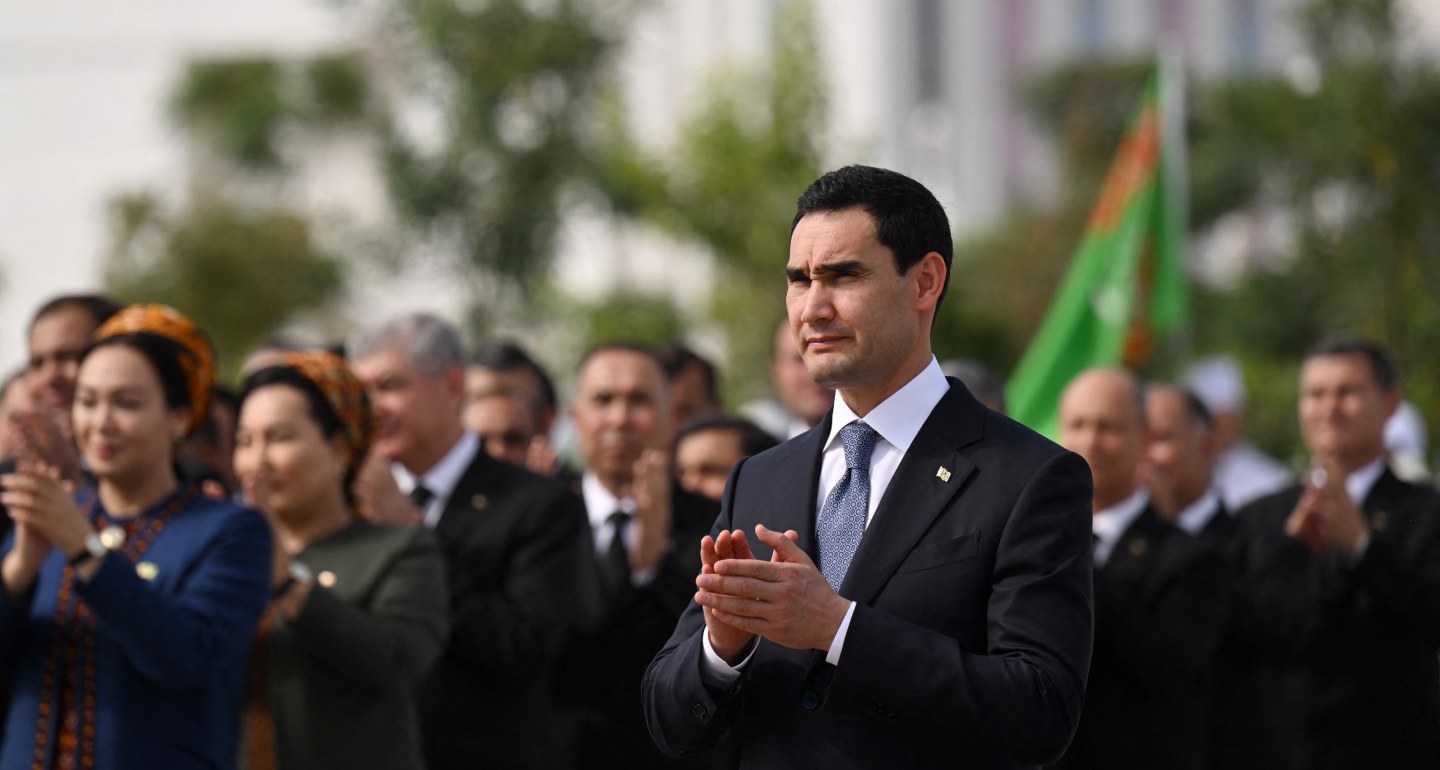
Ex-president Gurbanguly Berdimuhamedov remains interested in politics, but his son Serdar, Turkmenistan’s current president, is becoming increasingly independent and willing to break with his father’s legacy. If their covert rivalry goes too far, both risk losing power.
Galiya Ibragimova
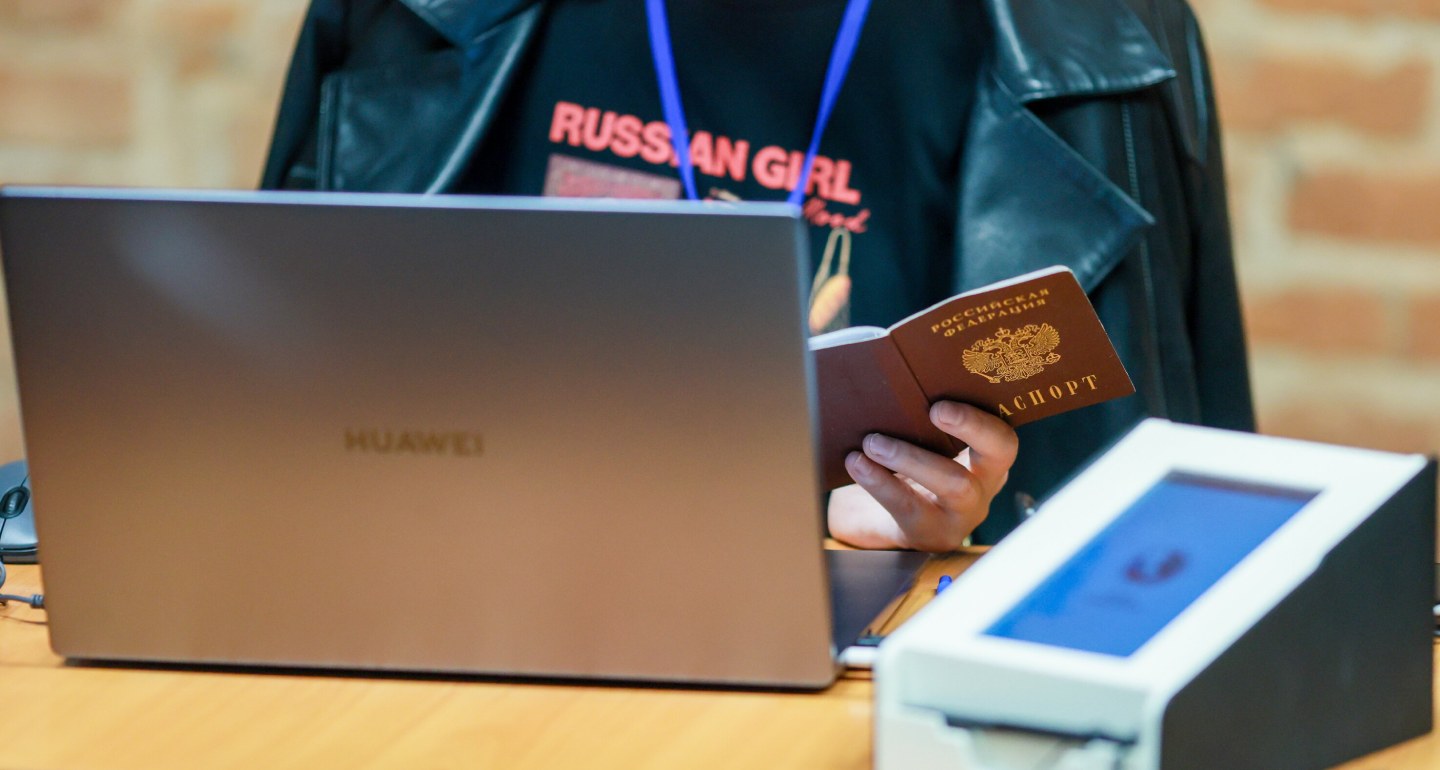
Sergei Kiriyenko used Russia’s parliamentary vote to further hone his strategy of corporate mobilization that is designed to maximize votes for United Russia.
Andrey Pertsev
The European far right might fail to steer EU policy in the direction Russia wants, but they will create enough chaos inside Europe to benefit the Kremlin.

Dimitar Bechev