

Report
- +1
Dr. Demetrios Papademetriou, Mr. John Audley, Ms. Sandra Polaski, …
{
  "authors": [
    "John Audley"
  ],
  "type": "legacyinthemedia",
  "centerAffiliationAll": "",
  "centers": [
    "Carnegie Endowment for International Peace"
  ],
  "collections": [],
  "englishNewsletterAll": "",
  "nonEnglishNewsletterAll": "",
  "primaryCenter": "Carnegie Endowment for International Peace",
  "programAffiliation": "",
  "programs": [],
  "projects": [],
  "regions": [
    "North America",
    "United States",
    "South America"
  ],
  "topics": [
    "Economy",
    "Trade"
  ]
}
REQUIRED IMAGE
Source: Carnegie
Originally published in the San Diego Union-Tribune, November 25, 2003
Trade ministers must not be too popular with their presidents these days. At their last two meetings – the September World Trade Organization ministerial held in Cancún, and last week's Free Trade Area of the Americas ministerial in Miami – they failed to overcome deep differences of opinion over the role trade liberalization plays in strengthening domestic economies.
Before negotiating deeper trade ties, it would be wise for policy-makers to step back and learn the lessons taught by other trade deals. The North American Free Trade Agreement, perhaps the most controversial trade agreement involving the United States and a developing country, is approaching its 10th anniversary. Has NAFTA helped Mexico create good jobs for its workers? Did it stem the flow of unauthorized migrants into the United States, or enhance the level of environmental protection in one of the most important and ecologically diverse regions in the world?
Despite growing to become the United States' second largest trading partner during the economic boom of the 1990s, Mexico's economy barely kept pace with the growing demand for jobs. In the last 10 years under NAFTA, the number of new manufacturing jobs peaked at about 2 million, the number of jobs in agriculture fell by 1.3 million and the Mexican work force grew by nearly a million people each year. There are more unemployed Mexican workers now than when NAFTA went into effect in 1994.
Average real wages in Mexico are down nearly 30 percent, despite a steady increase in worker productivity. If you are able to find a manufacturing job, your wages are less now than they were in 1994.
Unauthorized migration to the United States continues to grow, despite a 10-fold increase in border control measures. There were approximately 4.8 million unauthorized Mexicans living in the United States in 2000, double the number 10 years earlier.
Finally, Mexico's farming sector has continued its trend toward large-scale, commercial farming of fruits and vegetable for export to the United States, worsening environmental pollution caused by increases in the use of pesticides and fertilizer. The usual environmental benefits from commercial farming – reduction in land use due to increases in productivity – have not occurred because falling commodity prices and lack of access to credit have forced Mexico's poor farmers to increase land used for farming.
In short, life in rural Mexico is harder now than it was 10 years ago. But how many of these changes can be blamed or credited to NAFTA? Not as many as its critics would like to believe. Bad fiscal policy is to blame for the reduction in wages paid Mexican workers. Historical migration patterns and the pull of a strong U.S. economy and dollar are the two biggest reasons that Mexicans continued to cross illegally into the United States.
Put simply, NAFTA has been neither the disaster its opponents predicted nor the savior hailed by its supporters. Instead, NAFTA accelerated Mexico's entry into the global economy without creating the necessary conditions for the public and private sectors to respond to the economic, social and environmental shocks of trading with two of the biggest economies in the world.
If Mexico's experience with freer trade has failed to live up to expectations, then what can we expect from the growing number of developing countries lining up to negotiate their own bilateral deals?
NAFTA's lessons for developing countries are clear. Developing countries interested should negotiate a longer and more gradual exposure to trade. Trade agreements should allow smaller economies to adopt policies that maximize employment, and avoid risking agriculture jobs on a promise that manufacturing jobs will take their place.
Poor countries should bargain for meaningful financial support for transitional trade adjustment assistance to include training for workers and subsistence farmers. Transitional measures must be taken to ensure that farmers have access to credit that allows them to develop economically and environmentally sound farming practices. Assistance to the rural poor should be aimed at allowing people to transition to livelihoods that are sustainable in the modern global market and should acknowledge that the process of urbanization will continue.
Free trade agreements should not be thought of as an end in and of themselves; nor should they be loaded with unrealistic expectations. Instead, they should be viewed as part of a larger effort toward substantive bilateral and regional cooperation toward common goals. When trade negotiators figure this out, they will begin to win back public support for further liberalization.
Former Senior Associate
Recent Work

Dr. Demetrios Papademetriou, Mr. John Audley, Ms. Sandra Polaski, …

Mr. John Audley, George Perkovich, Ms. Sandra Polaski, …
Carnegie does not take institutional positions on public policy issues; the views represented herein are those of the author(s) and do not necessarily reflect the views of Carnegie, its staff, or its trustees.
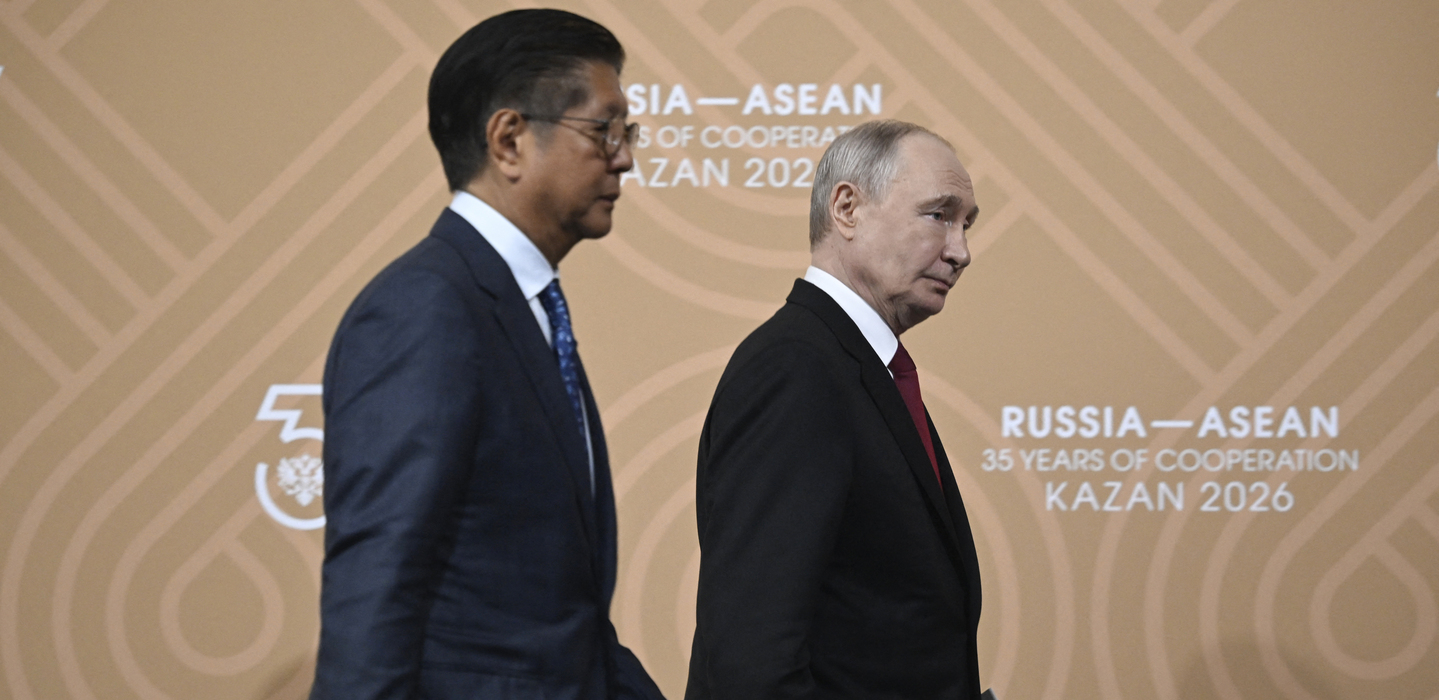
Russia looks set to reap economic benefits from closer ties with Southeast Asian countries that are keen to find reliable energy suppliers and diversify trade ties.

Alexander Gabuev
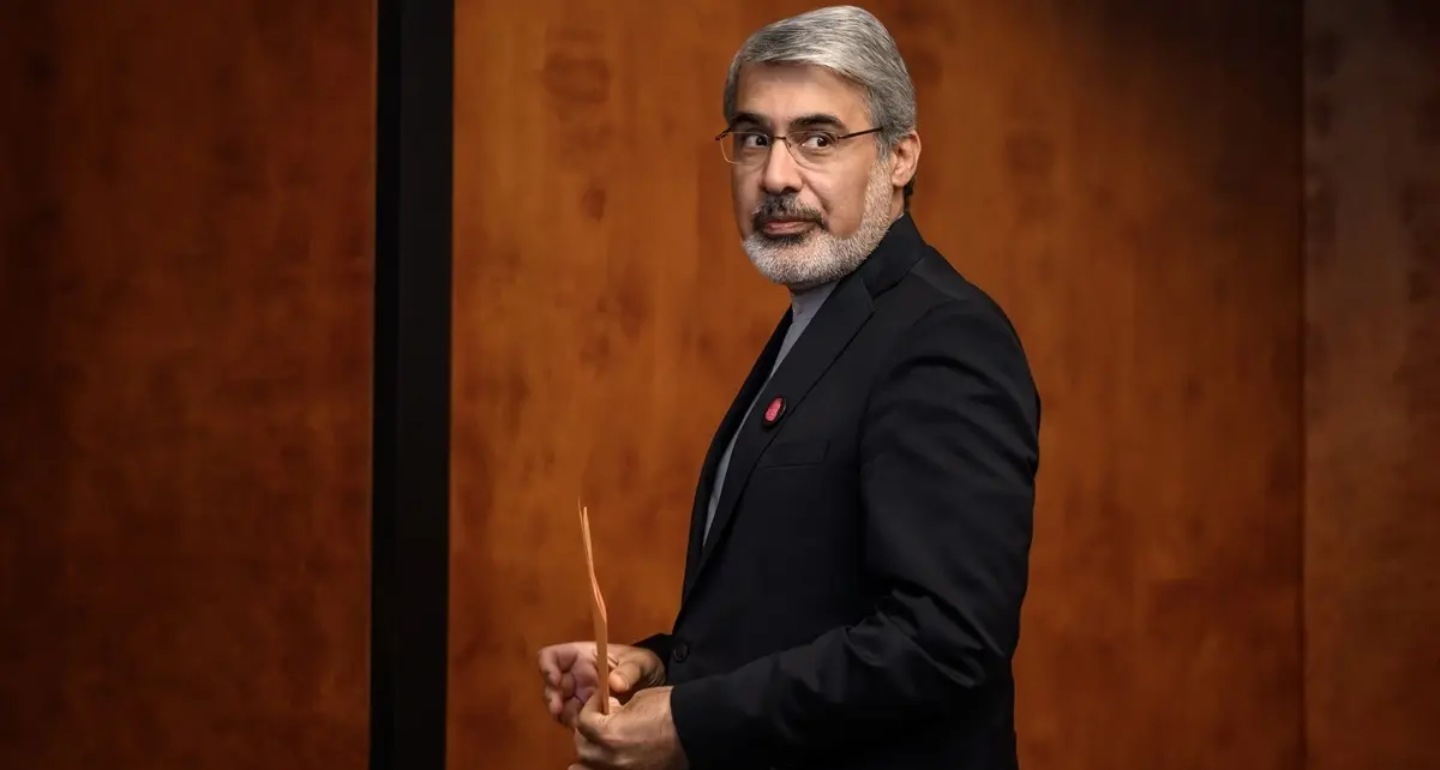
Ongoing uncertainty in the Middle East allows Moscow to both increase its influence in Tehran and continue to enjoy the financial windfall of higher oil prices.

Nikita Smagin
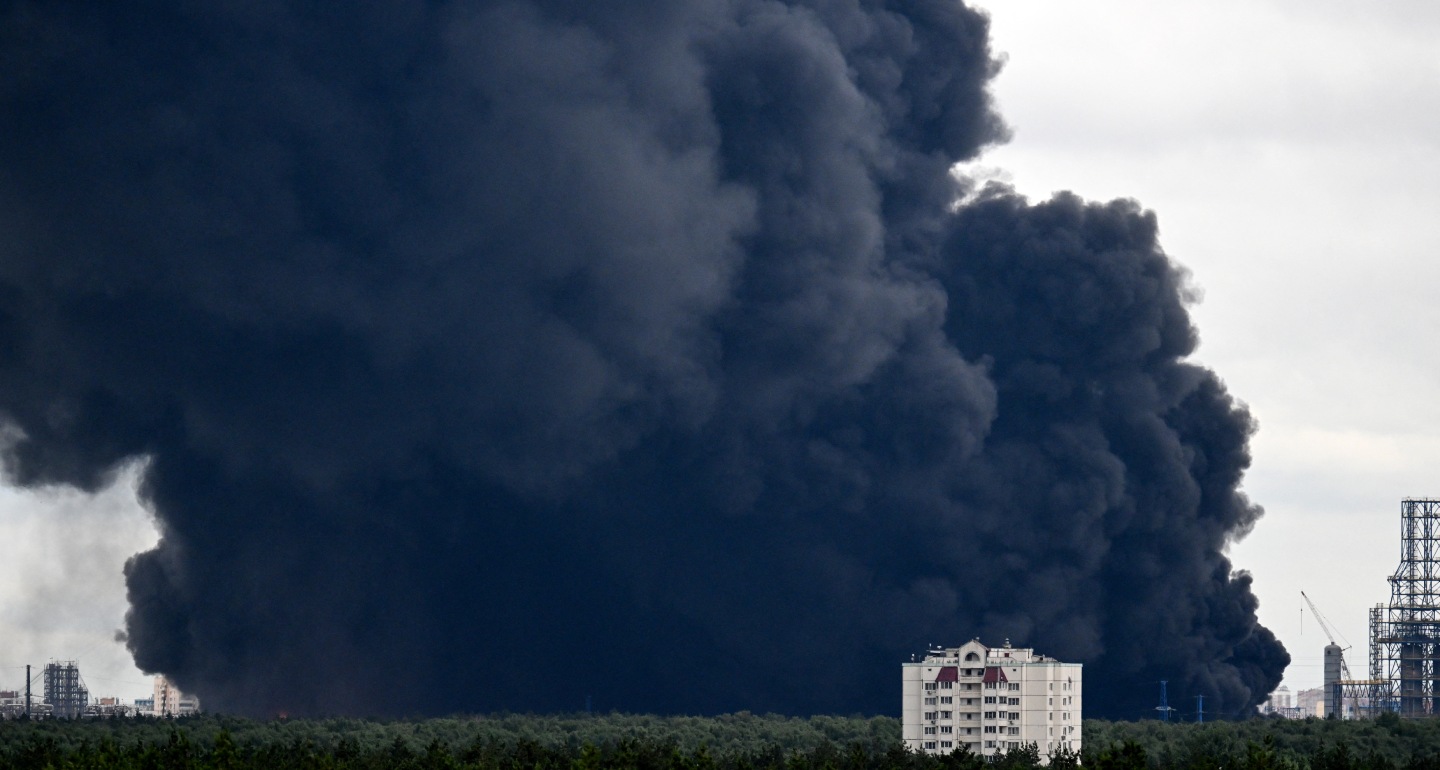
If it proves impossible for the Russian authorities to avoid a gasoline deficit, the question then becomes how they will organize the distribution of a scarce resource.

Sergey Vakulenko
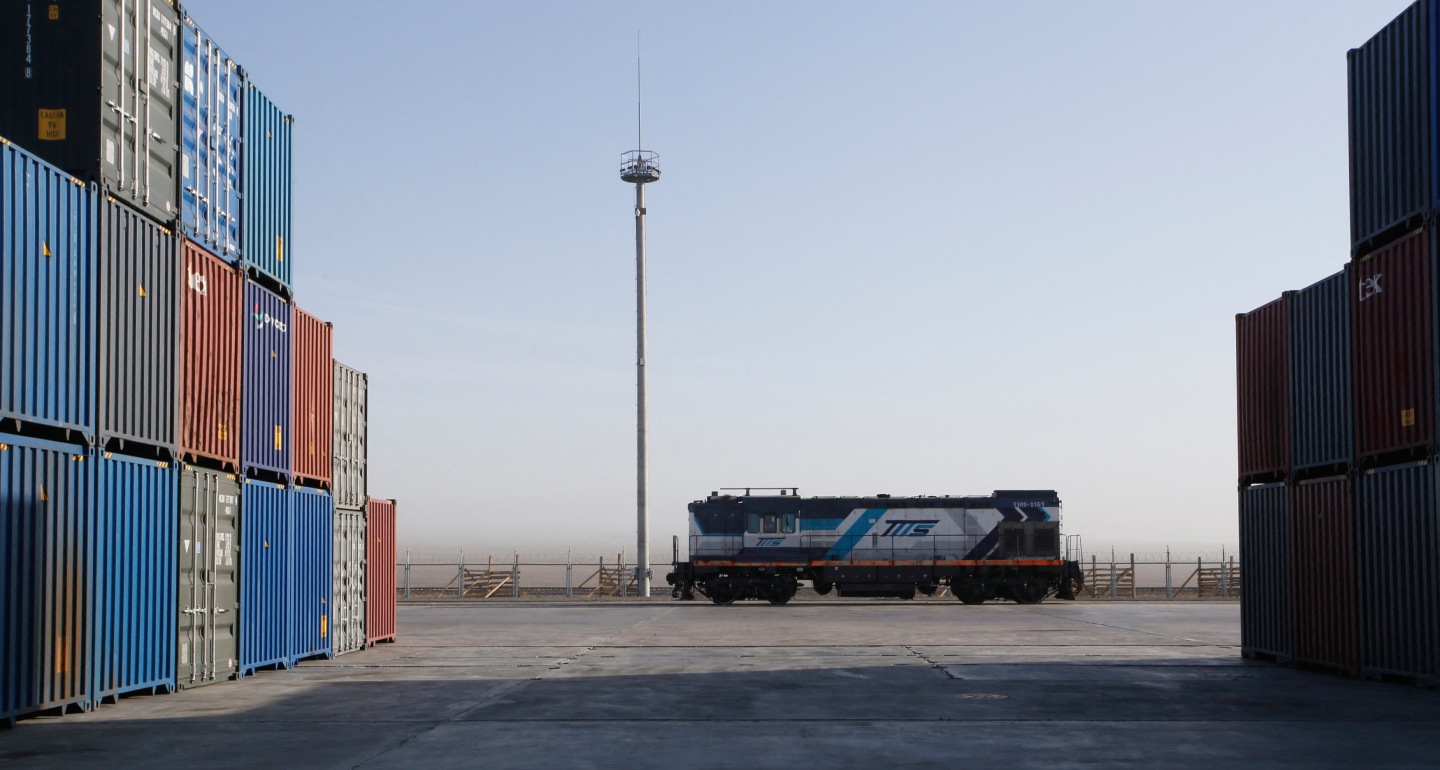
This year’s wars have made alternative routes to transit through Russia no less risky for Central Asian countries.

Galiya Ibragimova

A much-discussed disagreement over internet restrictions in Russia was never an existential threat for Putin: It was about elite groups protecting their interests.

Alexandra Prokopenko