

Article
Dr. Albert Keidel
{
  "authors": [
    "Albert Keidel"
  ],
  "type": "legacyinthemedia",
  "centerAffiliationAll": "dc",
  "centers": [
    "Carnegie Endowment for International Peace"
  ],
  "collections": [],
  "englishNewsletterAll": "asia",
  "nonEnglishNewsletterAll": "",
  "primaryCenter": "Carnegie Endowment for International Peace",
  "programAffiliation": "AP",
  "programs": [
    "Asia"
  ],
  "projects": [],
  "regions": [
    "East Asia",
    "China",
    "Japan"
  ],
  "topics": [
    "Economy",
    "Trade"
  ]
}
Source: Getty
In most emerging-market economies in East Asia, domestic economic, political, and social pressures push governments in the direction of a relatively inflexible exchange rate and freer capital inflows. This is a bad combination. Exchange rate stability and predictability would be a boon to commerce and finance. But achieving it is easier said than done.
In most emerging-market economies in East Asia, it seems that domestic economic, political, and social pressures push governments in the direction of a relatively inflexible exchange rate and freer short-term capital inflows. This is a bad combination. It potentially leads to a long cycle of exchange-rate and capital-account difficulties, crisis, and consolidation. Even though a country may be at the benign phase in this cycle, underlying conditions are unlikely to have changed, and the difficulty, disorderly, phases of the cycle are likely to return.
The general combination of inflexible exchange rates and freer capital flows leaves emerging market economies exposed to large transactions with maturity and currency mismatches. A better domestic regulatory system might help, but these are difficult to achieve in an emerging market economy. Regulating capital inflows may be seen as a substitute for better domestic regulation, and a number of background conditions, like large FDI flows and global markets that make it easier for emerging markets to run surpluses, could make it easier for governments to navigate their difficult policy course.
In general, however, each emerging market has to look at its own circumstances to find ways to reduce the risks from exchange rate inflexibility with freer capital flows. Market-based flexibility backed up by adequate hedging activities may be the ideal tool, and when this is not possible because of opposition by domestic interest groups, the choices are much more difficult.
What is more, the significant gap between China's circumstances and Japan's means that any harmonization of currencies in the region, to achieve better exchange-rate predictability, is many decades away.
Exchange-rate predictability for any given transaction is one important objective. To my mind, the overarching goal of economic policy, including exchange-rate regime determination, is orderly and sustained economic growth and poverty reduction. To this end, exchange rate stability and predictability would obviously be a boon to commerce and finance. Achieving it, however - even imperfectly - generally requires consideration and management of the impact of capital flows as well as domestic and international pressures.
For the full text of the paper, click on the link to the right.

Former Senior Associate, China Program
Keidel served as acting director and deputy director for the Office of East Asian Nations at the U.S. Department of the Treasury. Before joining Treasury in 2001, he covered economic trends, system reforms, poverty, and country risk as a senior economist in the World Bank office in Beijing.
Recent Work
Dr. Albert Keidel
Dr. Albert Keidel

Russia looks set to reap economic benefits from closer ties with Southeast Asian countries that are keen to find reliable energy suppliers and diversify trade ties.

Alexander Gabuev

If it proves impossible for the Russian authorities to avoid a gasoline deficit, the question then becomes how they will organize the distribution of a scarce resource.

Sergey Vakulenko
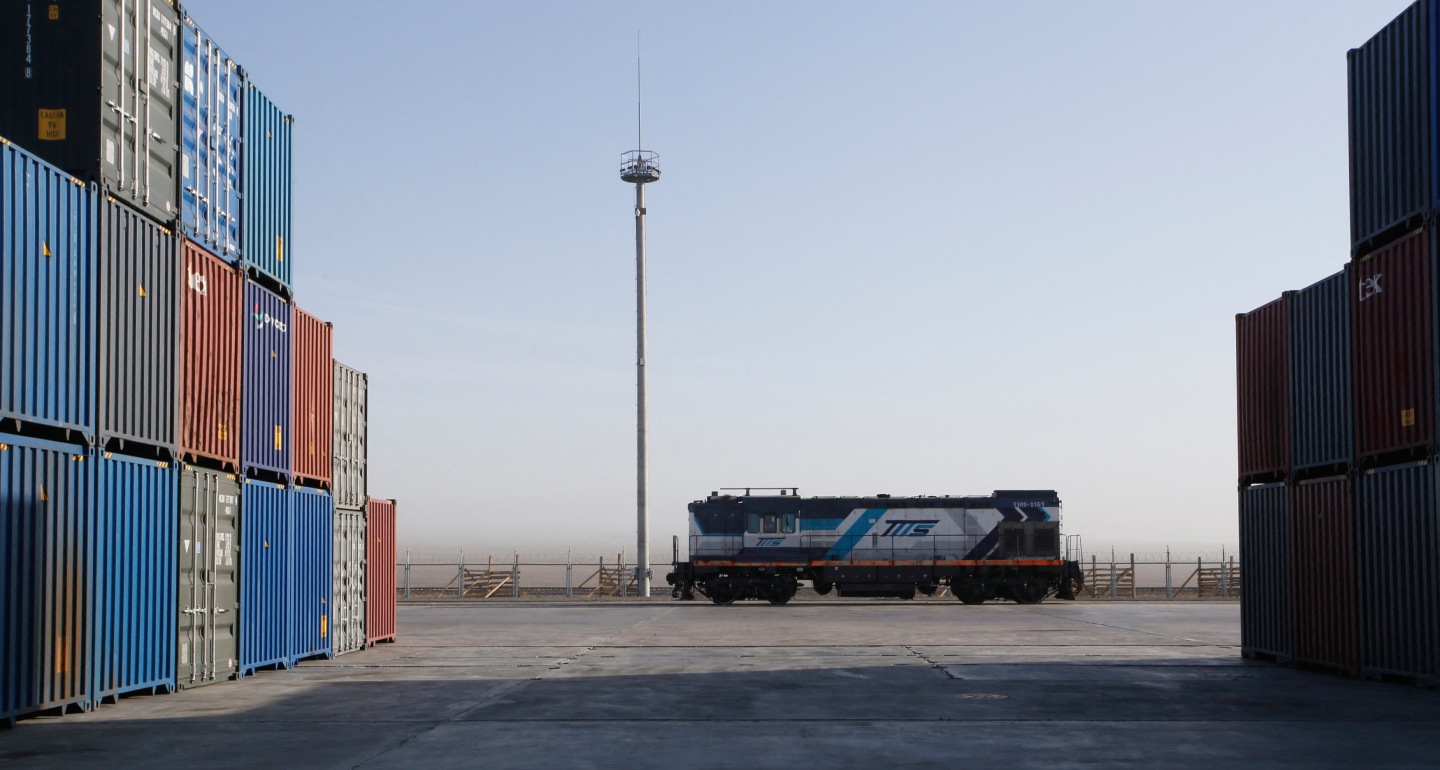
This year’s wars have made alternative routes to transit through Russia no less risky for Central Asian countries.

Galiya Ibragimova

A much-discussed disagreement over internet restrictions in Russia was never an existential threat for Putin: It was about elite groups protecting their interests.

Alexandra Prokopenko

The demands of the Kremlin’s war in Ukraine, demographic problems, and public hostility toward Central Asians mean Russia does not have enough workers.

Salavat Abylkalikov