

Article
Dr. Albert Keidel
{
  "authors": [
    "Albert Keidel"
  ],
  "type": "legacyinthemedia",
  "centerAffiliationAll": "dc",
  "centers": [
    "Carnegie Endowment for International Peace"
  ],
  "collections": [],
  "englishNewsletterAll": "asia",
  "nonEnglishNewsletterAll": "",
  "primaryCenter": "Carnegie Endowment for International Peace",
  "programAffiliation": "AP",
  "programs": [
    "Asia"
  ],
  "projects": [],
  "regions": [
    "China"
  ],
  "topics": [
    "Economy",
    "Trade"
  ]
}
REQUIRED IMAGE
Source: Paper presented at the International Symposium
There is little question that China's global economic emergence will have significant effect on developed countries like the G8. But, in a recent paper, Albert Keidel, senior associate at the Carnegie Endowment, notes that questions of just how great an impact and just how soon the G8 will feel its full force can only be answered with the phrase, "it depends." In particular, China's G8 impact depends most critically on how effectively G8 countries respond to the opportunities and challenges that China represents, especially in terms of labor force restructuring, corporate deregulation, attention to G8 domestic demand, openness to foreign visitors, and moderation of politically motivated efforts to demonize China's influence. G8 countries could lose potential benefits if their responses in these and other areas are inadequate.
To view full text of the paper, click on the link to the right.
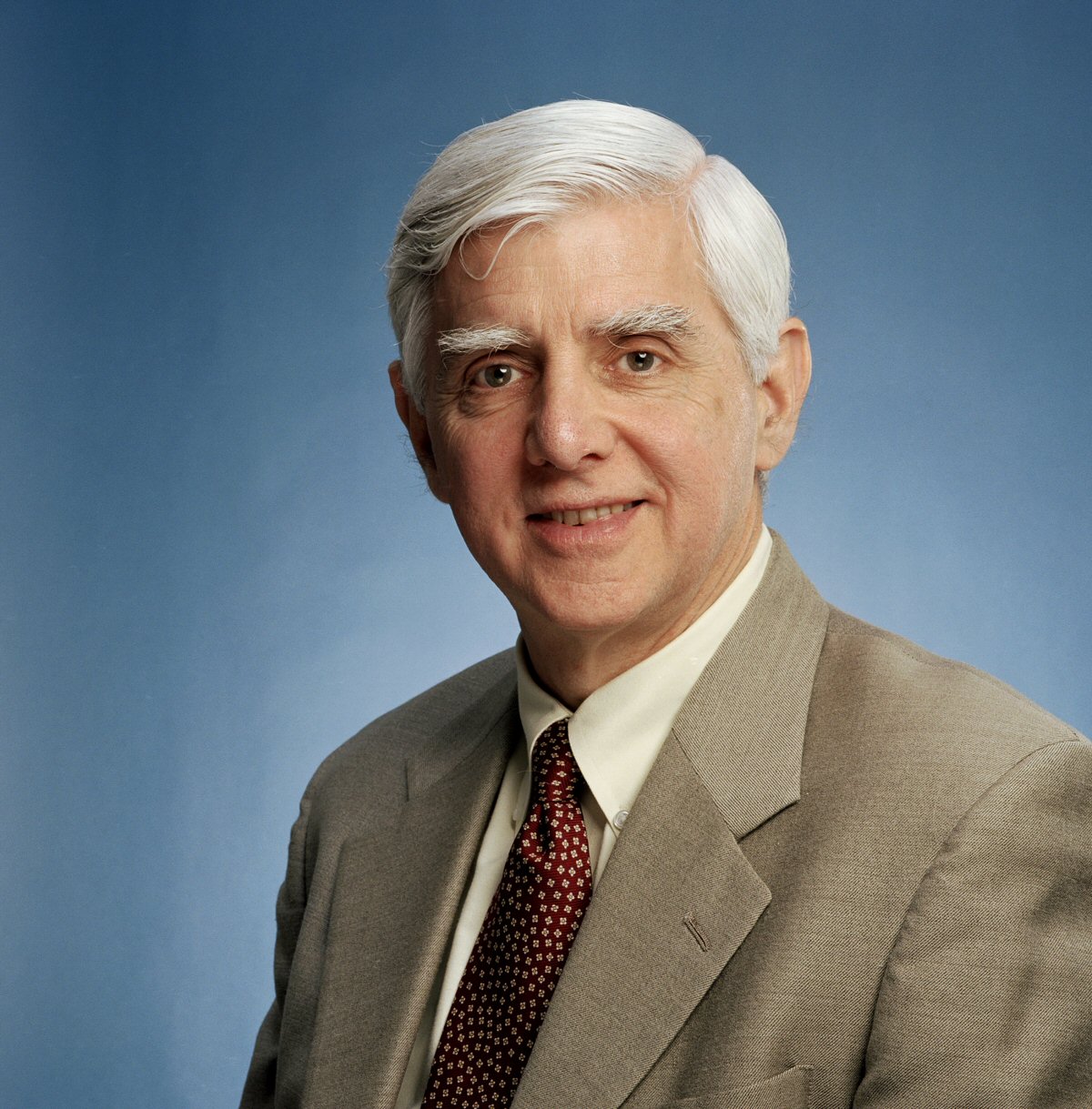
Former Senior Associate, China Program
Keidel served as acting director and deputy director for the Office of East Asian Nations at the U.S. Department of the Treasury. Before joining Treasury in 2001, he covered economic trends, system reforms, poverty, and country risk as a senior economist in the World Bank office in Beijing.
Recent Work
Dr. Albert Keidel
Dr. Albert Keidel
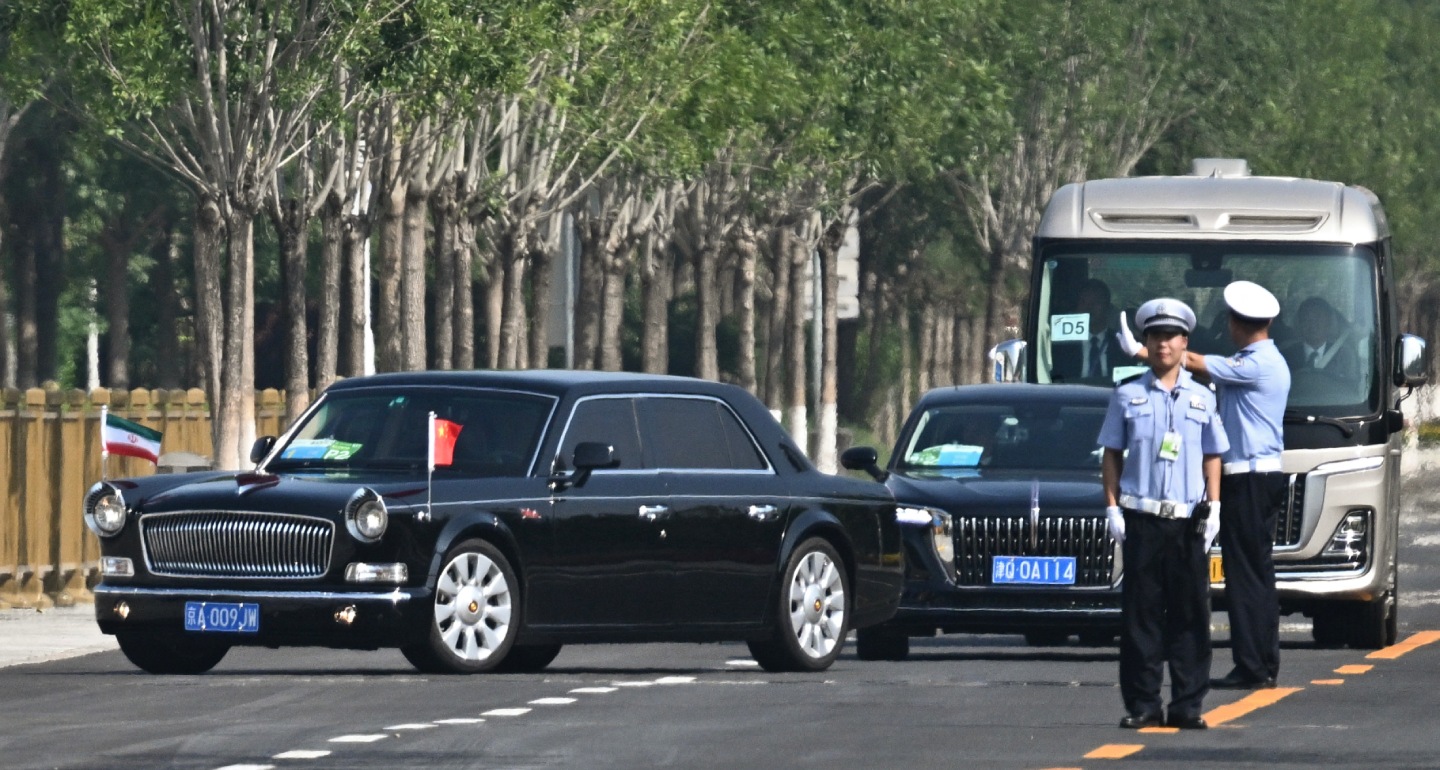
Most of Moscow’s military resources are tied up in Ukraine, while Beijing’s foreign policy prioritizes economic ties and avoids direct conflict.


Alexander Gabuev, Temur Umarov
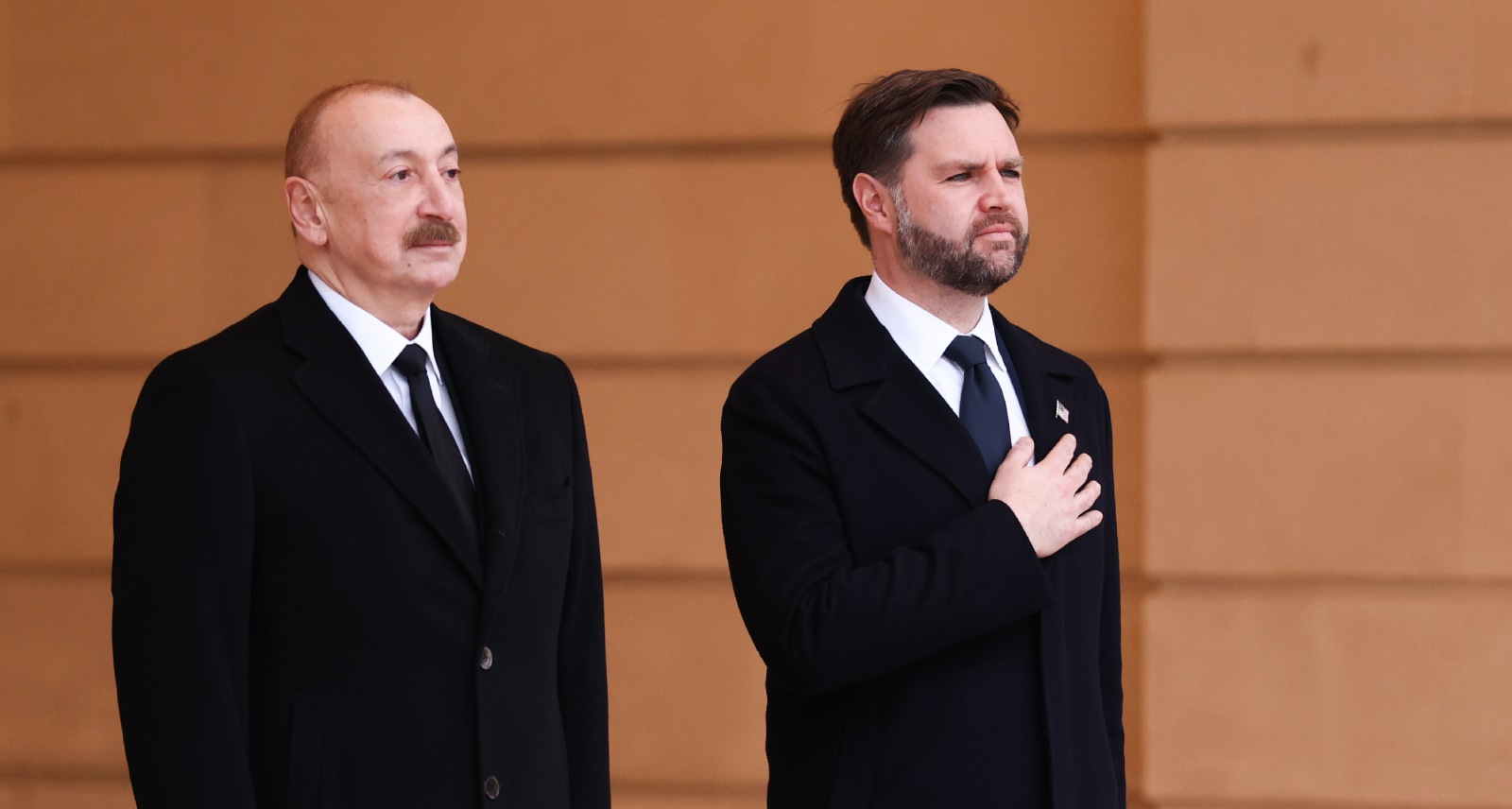
With the White House only interested in economic dealmaking, Georgia finds itself eclipsed by what Armenia and Azerbaijan can offer.

Bashir Kitachaev

The interventions in Iran and Venezuela are in keeping with Trump’s strategy of containing China, but also strengthen Russia’s position.

Mikhail Korostikov
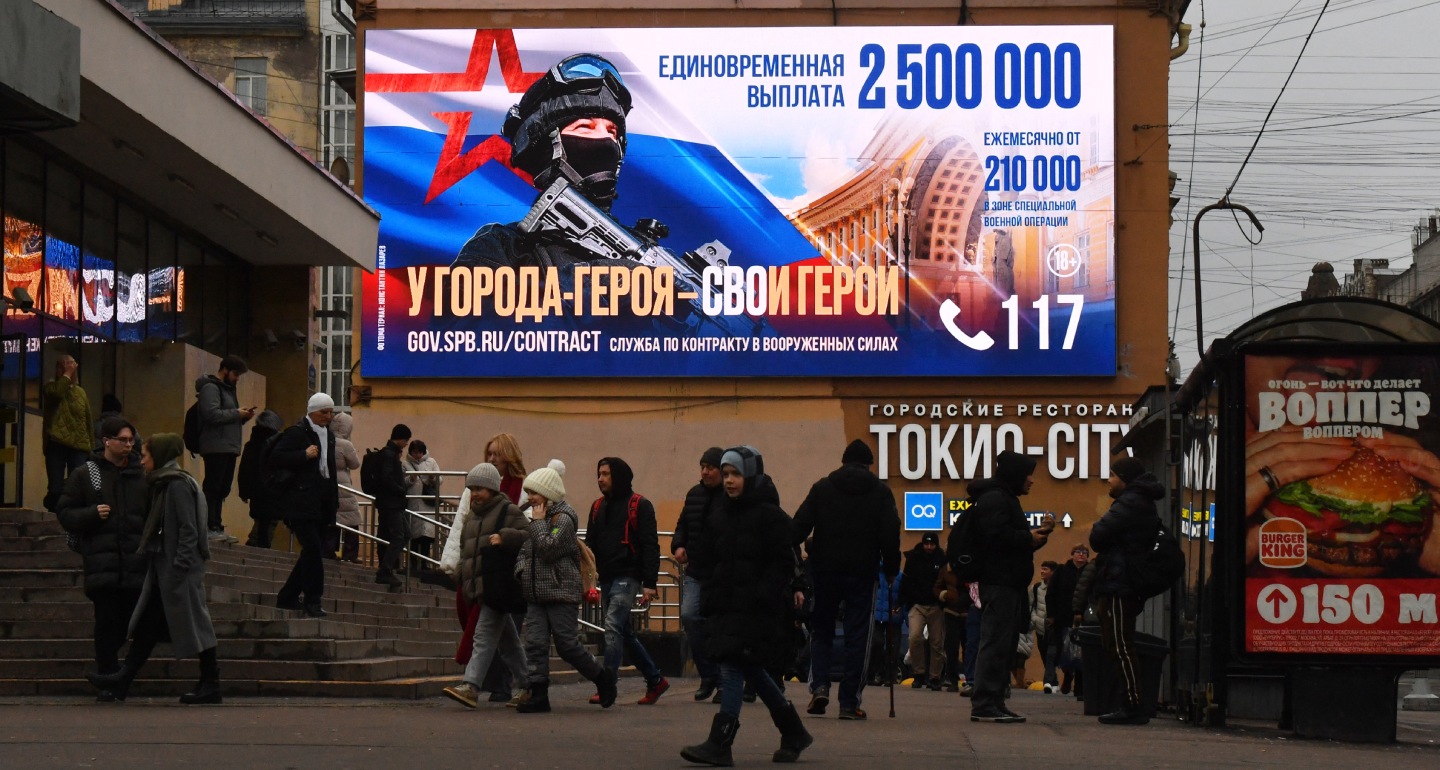
The Russian army is not currently struggling to recruit new contract soldiers, though the number of people willing to go to war for money is dwindling.

Dmitry Kuznets
For a real example of political forces engaged in the militarization of society, the Russian leadership might consider looking closer to home.

James D.J. Brown