

In The Media
Minxin Pei
{
  "authors": [
    "Minxin Pei"
  ],
  "type": "legacyinthemedia",
  "centerAffiliationAll": "dc",
  "centers": [
    "Carnegie Endowment for International Peace"
  ],
  "collections": [],
  "englishNewsletterAll": "asia",
  "nonEnglishNewsletterAll": "",
  "primaryCenter": "Carnegie Endowment for International Peace",
  "programAffiliation": "AP",
  "programs": [
    "Asia"
  ],
  "projects": [],
  "regions": [
    "China"
  ],
  "topics": [
    "Political Reform",
    "Democracy",
    "Foreign Policy"
  ]
}
REQUIRED IMAGE
Source: Senate Foreign Relations Committee
Dr. Minxin Pei testified before the Senate Foreign Relations Committee at a hearing titled, "The Emergence of China Throughout Asia: Security and Economic Consequences for the U.S." Click on the right for full text of Dr. Pei's written testimony.
The emergence of China as a major global power is one of the most important developments facing the United States. In designing its policy toward China one of the most critical factors that should inform American policy makers is China's internal political evolution. As we all know, China has been transforming its economy since the late 1970s. And this process has brought China into the international community and improved lives of Chinese people.
During this process of economic modernization China's political system has also begun to evolve. One of the most important aspects of this political evolution is the reform of China's legal system. Generally speaking China has made mixed progress in building a modern legal system that can effectively protect property rights and human rights. On the positive side China has over the last 25 years passed nearly 400 laws that have laid the foundations for a modern legal system. Especially on the positive side is the progress made in the passage -- in the implementation of commercial laws designed to facilitate trade and protect investment.
Considerable progress has also been made in modernizing administrative laws. Some progress has been made in improving the criminal code. The Chinese Government has also amended the constitution in ensuring the protection of human rights and private property rights in the constitution. Also on the positive side legal reform has begun to have a healthy impact on China's social and economic activities. Chinese citizens and private entrepreneurs are increasingly using the legal system to protect their personal and property rights. The number of law suits filed in civil courts has been rising steadily. The Chinese courts handle about 500 million civil suits today. This indicates some rise of confidence in the court system. Chinese citizens have also begun to sue local governments for abuse of power.
However, despite such progress China has not established a genuine modern legal system. Or a rule of law. The momentum of legal reform has slowed since the 1990s. Many important legal reform measures that ought to have been taken have been delayed, some indefinitely. There is no sign to indicate that the Chinese Communist Party is genuinely committed to building a modern legal system.
The following are the most glaring weaknesses of the Chinese legal system today. First, lack of judicial independence. The court system is controlled by the Chinese Communist Party and local governments. Judges are appointed by the party and local governments, judges lack job security and power to adjudicate court cases. The courts are dependent on local governments for funding. Party and government officials routinely interfere in court decisions. Second, weak judicial authority. Because Chinese courts are really part of the state bureaucracy they typically lack the political authority to enforce their decisions. As a result court judgments cannot be enforced if they are resisted by local authorities.
Third, judicial corruption, the political control over the court system has led to widespread corruption in the legal system. Unethical judges routinely take bribes in exchange for judgments favoring those who offer the bribes. Chinese press often carries reports of senior judges being prosecuted for corruption. Finally, no respect for the law. This is largely because laws on the books in China are not enforced or are ignored by the government itself in reality. This has created a huge discrepancy. While a large number of Chinese laws have strong provisions for individual and property rights, in reality such provisions have little meaning because the government, especially local authorities, can ignore them with impunity.
It is clear that the Chinese government is aware of these problems and reformists within the Chinese government have been trying to address them for a long time, but so far, judging by the facts on the ground, it appears that China remains far away from its own declared goal of ruling the country according to law. Thank you.
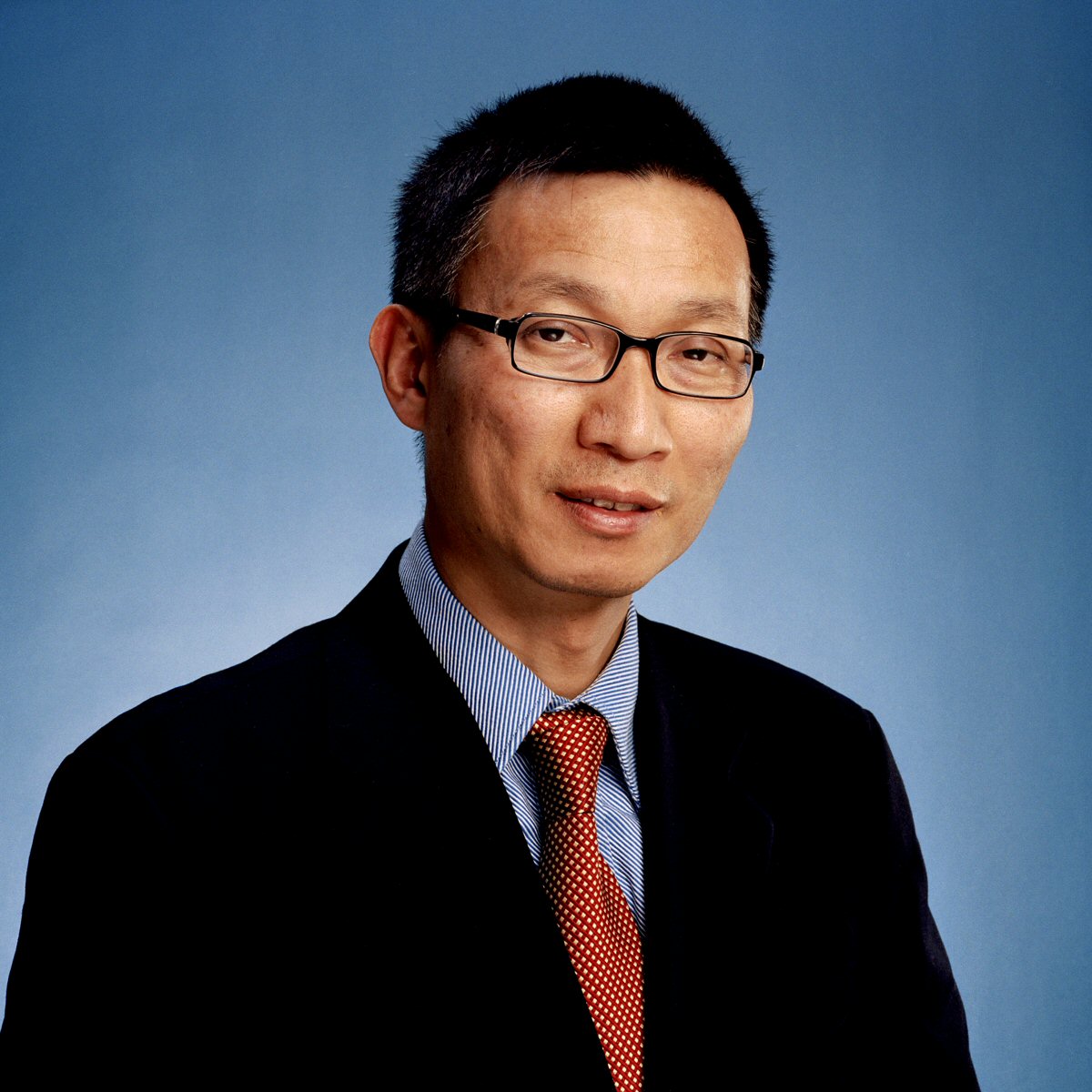
Former Adjunct Senior Associate, Asia Program
Pei is Tom and Margot Pritzker ‘72 Professor of Government and the director of the Keck Center for International and Strategic Studies at Claremont McKenna College.
Recent Work
Minxin Pei
Minxin Pei
Carnegie does not take institutional positions on public policy issues; the views represented herein are those of the author(s) and do not necessarily reflect the views of Carnegie, its staff, or its trustees.

In the tenth year of his presidency, President Mirziyoyev’s system is becoming even more personalized than that of his predecessor Karimov.

Galiya Ibragimova

With the growth in points of friction between the great powers, organizations like the SCO will continue to play a role in the strategic adaptation of the smaller powers caught between them.

Temur Umarov
The greater threat to Zelensky comes not from Fedorov alone, but from the convergence between the former defense minister’s political campaign and the anti-corruption investigations moving ever closer to the presidential administration.

Balázs Jarábik

With his public call for new elections in Ukraine, ex-defense minister Mykhailo Fedorov has opened Pandora’s box.

Konstantin Skorkin

In the discussions made possible by the State Duma election campaign, one question is being asked more and more loudly. “What next?”

Andrey Pertsev