

Commentary
Amr Hamzawy
{
  "authors": [
    "Amr Hamzawy"
  ],
  "type": "other",
  "centerAffiliationAll": "dc",
  "centers": [
    "Carnegie Endowment for International Peace"
  ],
  "collections": [],
  "englishNewsletterAll": "democracy",
  "nonEnglishNewsletterAll": "",
  "primaryCenter": "Carnegie Endowment for International Peace",
  "programAffiliation": "DCG",
  "programs": [
    "Democracy, Conflict, and Governance",
    "Middle East"
  ],
  "projects": [],
  "regions": [
    "North America",
    "United States",
    "Middle East",
    "North Africa",
    "Egypt",
    "Algeria",
    "Morocco",
    "Jordan",
    "Kuwait",
    "Yemen"
  ],
  "topics": [
    "Political Reform",
    "Democracy",
    "Foreign Policy"
  ]
}
REQUIRED IMAGE
For decades, Arab regimes have used scare tactics to encourage the United States and Europe to support their repressive measures toward Islamist movements by invoking the image of anti-Western fanatics taking power through the ballot box. However, today’s moderate Islamists no longer match this nightmare.
Source: Carnegie Endowment
For decades, Arab regimes have used scare tactics to encourage the United States and Europe to support their repressive measures toward Islamist movements by invoking the image of anti-Western fanatics taking power through the ballot box. However, today’s moderate Islamists no longer match this nightmare. Political actors or observers who still insist that there is no such thing as a “moderate Islamist” miss the reality that activist organizations in Morocco, Algeria, Egypt, Jordan, Kuwait, and Yemen have evolved after decades of failed opposition to repressive regimes. Instead of clinging to fantasies of theocratic states, many Islamist movements now see the wisdom of competing peacefully for shares of political power and working within existing institutions to promote gradual democratic openings.
To advance significant political reform in the Arab world, the United States and Europe need to engage moderate Islamists, argues Carnegie Endowment senior associate Amr Hamzawy in this new Policy Brief. This is less thorny than it might seem, as many Islamists groups and parties have embraced democratic procedures and shown a strong commitment to the rule of law.
A limited number of print copies are available.
Request a copy
About the Author
Amr Hamzawy is a senior associate at the Carnegie Endowment. He is also an Egyptian political scientist who previously taught at Cairo University and the Free University of Berlin.

Director, Middle East Program
Amr Hamzawy is a senior fellow and the director of the Carnegie Middle East Program. His research and writings focus on Egypt’s and other middle powers’ involvement in regional security in the Middle East, particularly through collective diplomacy and multilateral conflict resolution
Recent Work
Amr Hamzawy
Amr Hamzawy
Carnegie does not take institutional positions on public policy issues; the views represented herein are those of the author(s) and do not necessarily reflect the views of Carnegie, its staff, or its trustees.

In the tenth year of his presidency, President Mirziyoyev’s system is becoming even more personalized than that of his predecessor Karimov.

Galiya Ibragimova

With the growth in points of friction between the great powers, organizations like the SCO will continue to play a role in the strategic adaptation of the smaller powers caught between them.

Temur Umarov

The greater threat to Zelensky comes not from Fedorov alone, but from the convergence between the former defense minister’s political campaign and the anti-corruption investigations moving ever closer to the presidential administration.

Balázs Jarábik
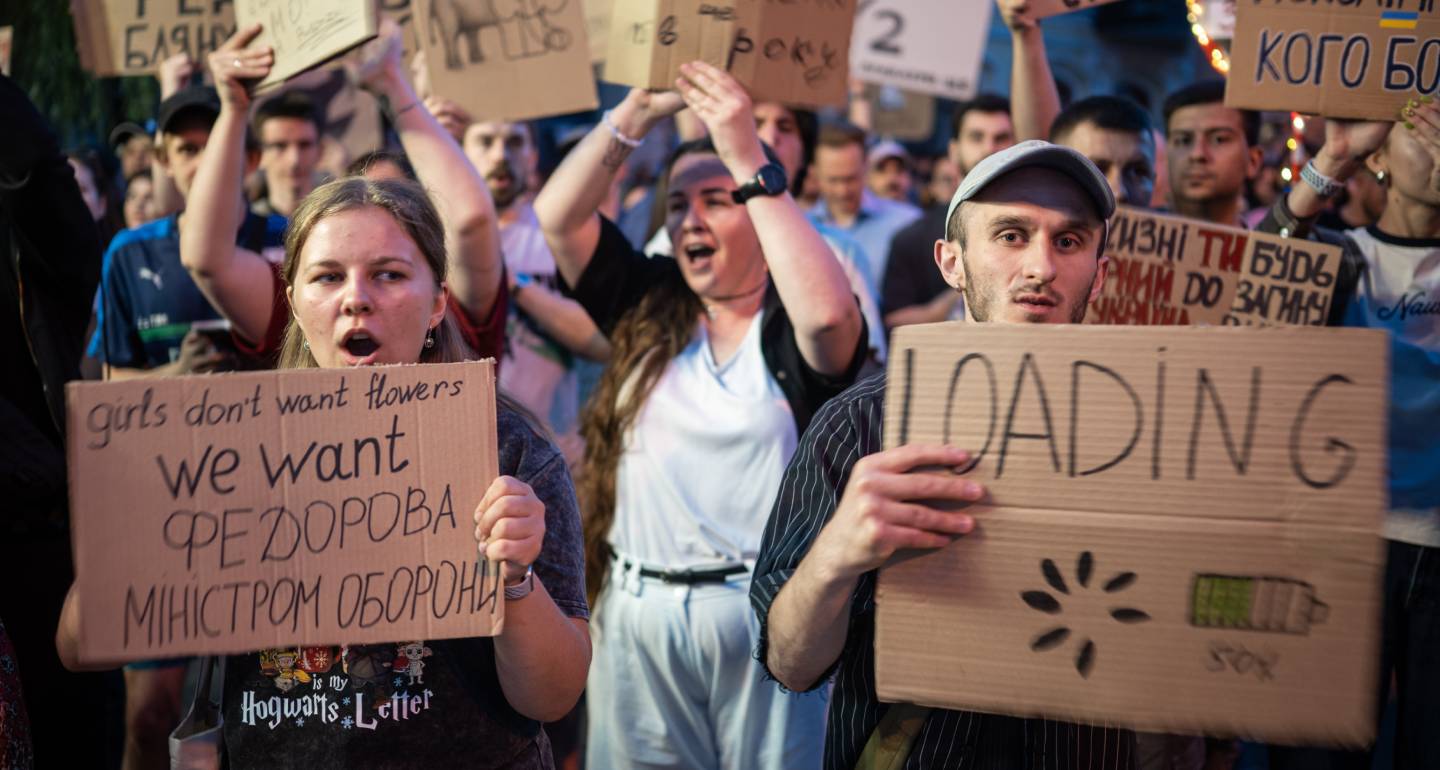
With his public call for new elections in Ukraine, ex-defense minister Mykhailo Fedorov has opened Pandora’s box.

Konstantin Skorkin

In the discussions made possible by the State Duma election campaign, one question is being asked more and more loudly. “What next?”

Andrey Pertsev