

Paper
George Perkovich
{
  "authors": [
    "George Perkovich"
  ],
  "type": "other",
  "centerAffiliationAll": "dc",
  "centers": [
    "Carnegie Endowment for International Peace"
  ],
  "collections": [
    "U.S. Nuclear Policy"
  ],
  "englishNewsletterAll": "ctw",
  "nonEnglishNewsletterAll": "",
  "primaryCenter": "Carnegie Endowment for International Peace",
  "programAffiliation": "NPP",
  "programs": [
    "Nuclear Policy",
    "South Asia"
  ],
  "projects": [],
  "regions": [
    "North America",
    "United States",
    "India"
  ],
  "topics": [
    "Foreign Policy",
    "Nuclear Policy"
  ]
}
REQUIRED IMAGE
At their July summit meeting in Washington, D.C., U.S. President George W. Bush and Indian Prime Minister Manmohan Singh announced potentially major departures in U.S. and Indian nuclear policies. President Bush promised to win congressional approval to change U.S. nonproliferation and export control laws and policies that heretofore have blocked full nuclear cooperation with India. In seeking to end restrictions on such cooperation, the United States wants India to be accepted globally as a responsible possessor of nuclear weapons even though India will not join the Nuclear Non-Proliferation Treaty (NPT). For its part, India committed to “assume the same responsibilities and practices” as the acknowledged nuclear weapons states. This includes distinguishing India’s military nuclear facilities from civilian ones and putting all civilian facilities under International Atomic Energy Agency (IAEA) safeguards. India also agreed to extend its moratorium on nuclear testing.
The nuclear deal was hatched by a handful of top officials from both governments. The key U.S. officials involved—Secretary of State Condoleezza Rice, Undersecretary Nicholas Burns, and counselor Philip Zelikow—minimized interagency review, congressional briefings and international consultations. Rice, Burns, Zelikow, and, ultimately, President Bush had made up their minds to lead a bold departure from long-standing policies toward India and toward U.S. and international rules governing nuclear technology commerce. They knew that extended vetting would suck the boldness out of their strategy. They wanted to move quickly to herald their new initiative during Singh’s state visit to Washington and to enable implementation to begin in time for President Bush’s expected visit to India in early 2006.
Click on the link above for the full text of this Carnegie publication.

Japan Chair for a World Without Nuclear Weapons, Senior Fellow
George Perkovich is the Japan Chair for a World Without Nuclear Weapons and a senior fellow in the Carnegie Endowment for International Peace’s Nuclear Policy Program. He works primarily on nuclear deterrence, nonproliferation, and disarmament issues, and is leading a study on nuclear signaling in the 21st century.
Recent Work
George Perkovich
George Perkovich
Carnegie does not take institutional positions on public policy issues; the views represented herein are those of the author(s) and do not necessarily reflect the views of Carnegie, its staff, or its trustees.
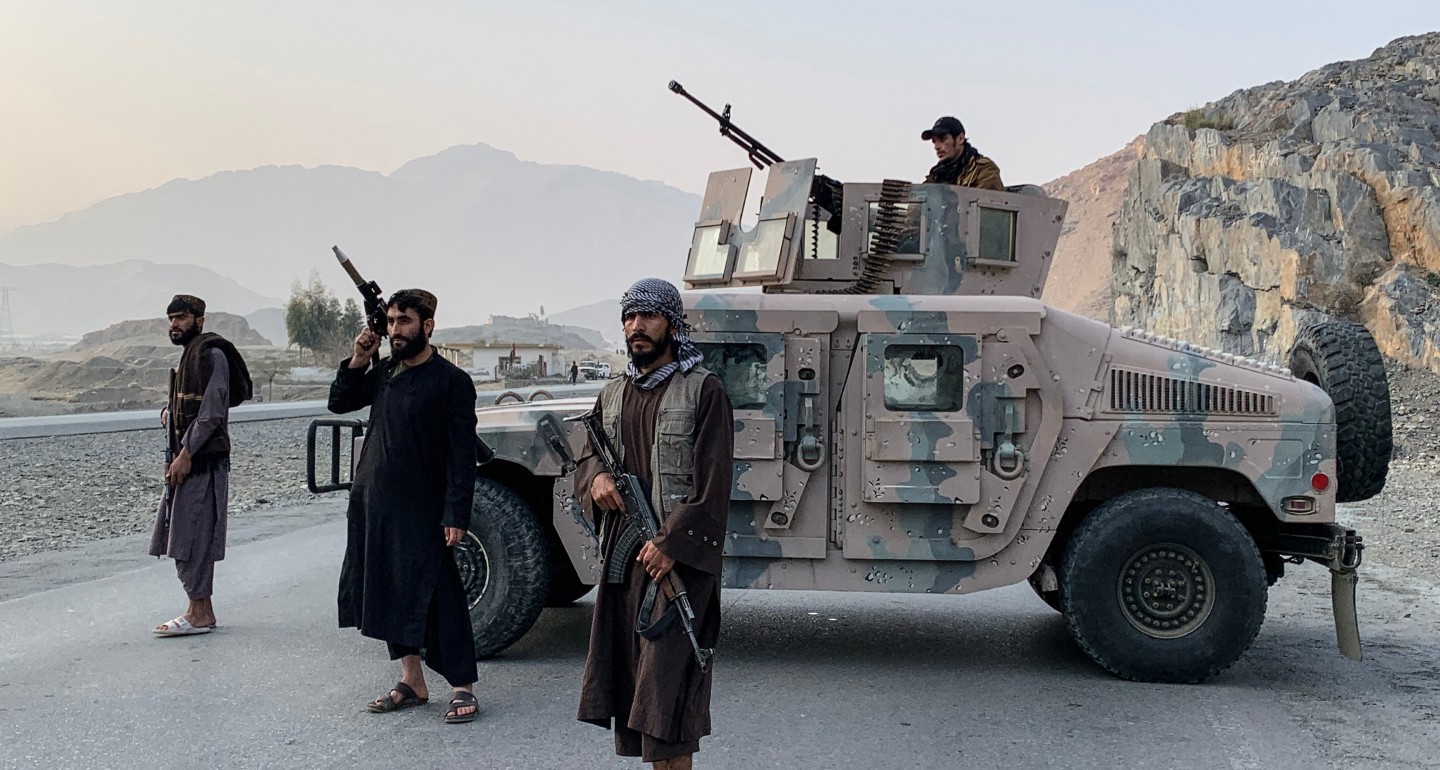
Not only does the fighting jeopardize regional security, it undermines Russian attempts to promote alternatives to the Western-dominated world order.
Ruslan Suleymanov
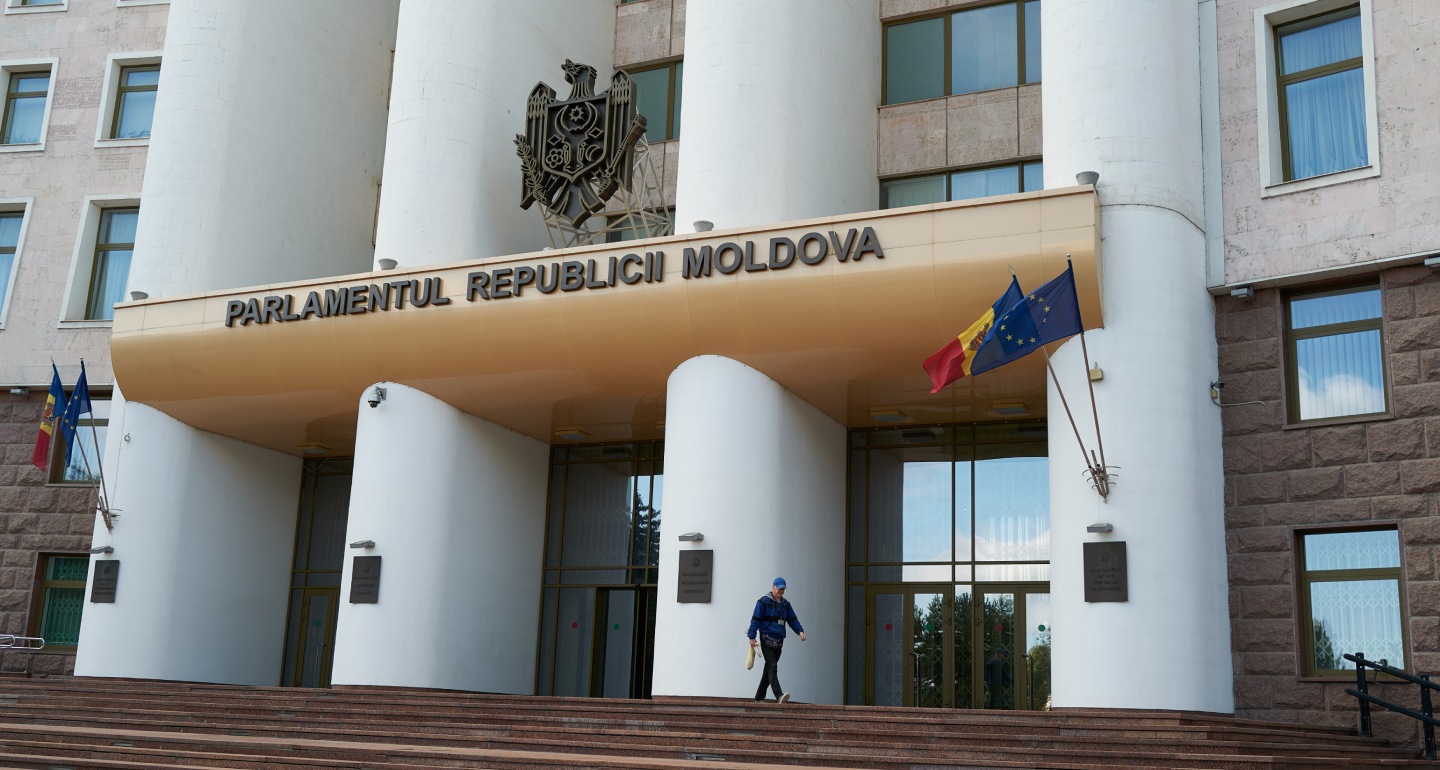
Moldova’s reintegration plan was drawn up to demonstrate to Brussels that Chișinău is serious about the Transnistria issue—and to get the West to react.
Vladimir Solovyov
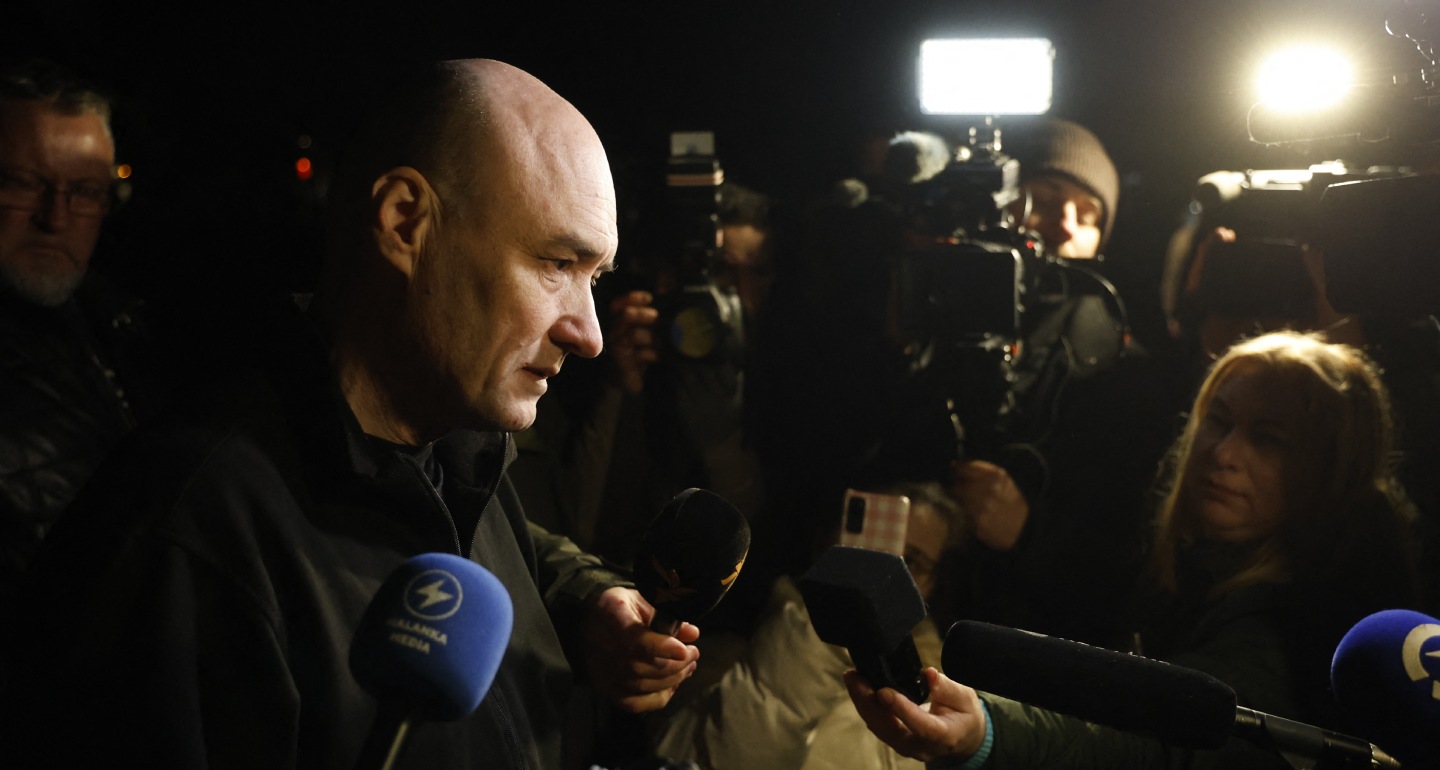
Lukashenko is willing to make big sacrifices for an invitation to Mar-a-Lago or the White House. He also knows that the clock is ticking: he must squeeze as much out of the Trump administration as he can before congressional elections in November leave Trump hamstrung or distracted.

Artyom Shraibman
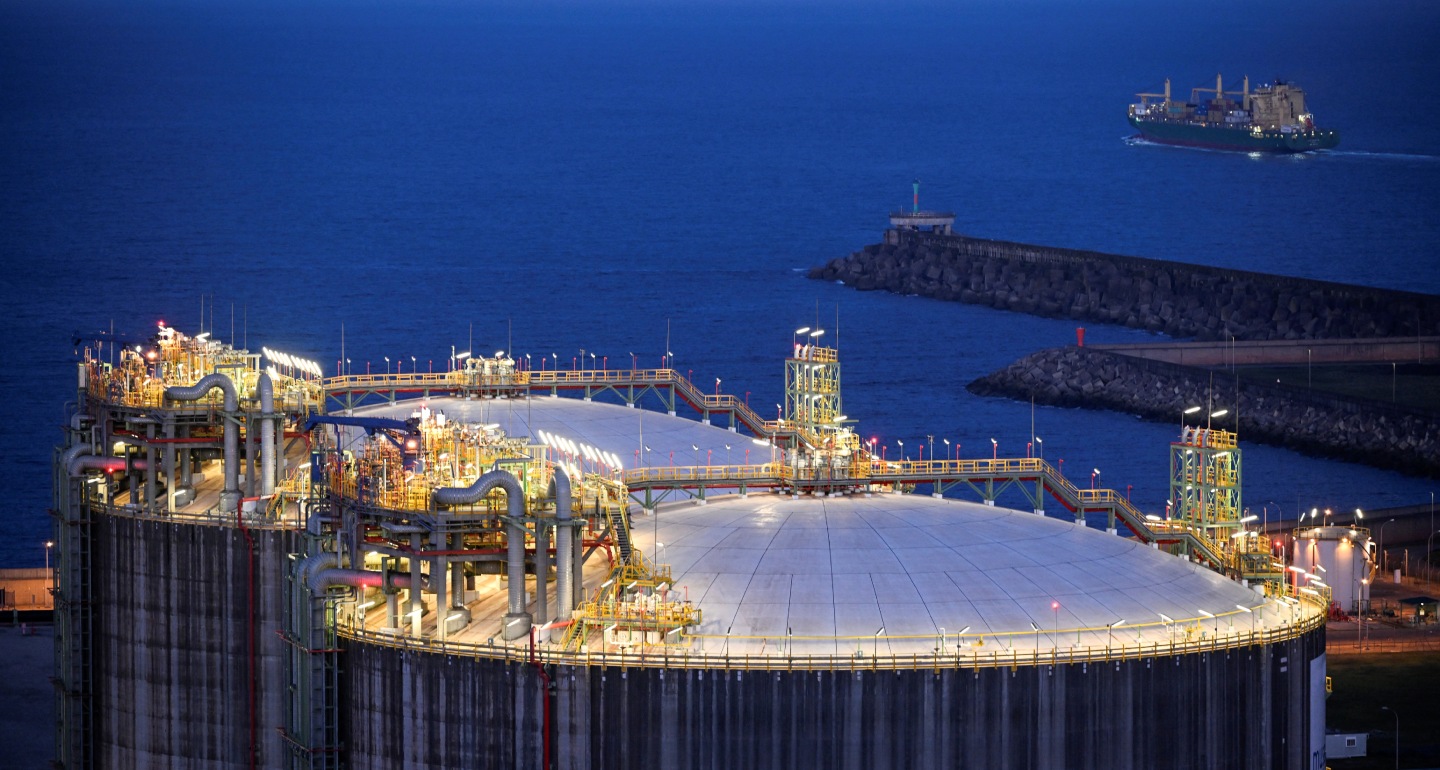
The future trajectory of the U.S.-Iran war remains uncertain, but its impact on global energy trade flows and ties will be far-reaching. Moscow is likely to become a key beneficiary of these changes; the crisis in the Gulf also strengthens Russia’s hand in its relationships with China and India, where advantages might prove more durable.

Sergey Vakulenko
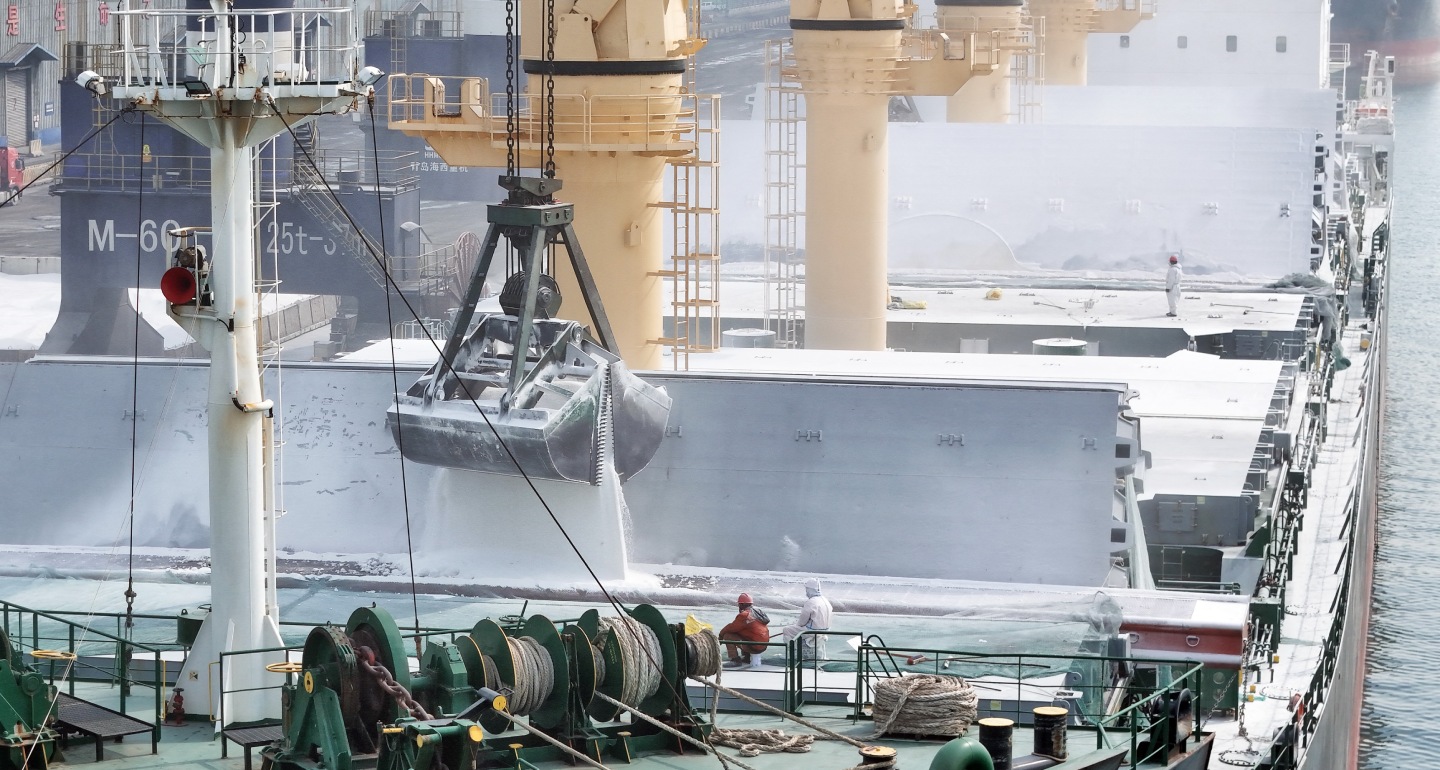
The Kremlin expects to not only profit from rising fertilizer prices but also exact revenge for the collapse of the 2023 grain deal.
Alexandra Prokopenko