

In The Media
Josh Kurlantzick
{
  "authors": [
    "Josh Kurlantzick"
  ],
  "type": "legacyinthemedia",
  "centerAffiliationAll": "dc",
  "centers": [
    "Carnegie Endowment for International Peace"
  ],
  "collections": [],
  "englishNewsletterAll": "asia",
  "nonEnglishNewsletterAll": "",
  "primaryCenter": "Carnegie Endowment for International Peace",
  "programAffiliation": "AP",
  "programs": [
    "Asia"
  ],
  "projects": [],
  "regions": [
    "North America",
    "United States"
  ],
  "topics": [
    "Foreign Policy"
  ]
}
REQUIRED IMAGE
Source: Current History
In a recent Current History article, Joshua Kurlantzick argues that failures in America’s public diplomacy have resulted in the decline of America’s soft power. He explains although that the decline began under the Clinton administration, which cut the State Department’s public diplomacy budget and severely weakened the United States Information Agency; the actions following September 11th further compounded these mistakes. As a result, America’s soft power has diminished significantly and the United States must increasingly resort to the use of force and coercive measures to achieve the ends it desires.
Kurlantzick provides insightful advice on what it will take to repair America’s international image in this article that orginally appeared in Current History, December 2005.
Joshua Kurlantzick is a visiting scholar in the Carnegie Endowment’s China Program. Also a special correspondent for The New Republic, Kurlantzick is assessing China’s relationship with Southeast Asia, particularly in the context of China’s relationship with other parts of the developing world and the United States.
Former Visiting Scholar, China Program
A special correspondent for The New Republic, a columnist for Time, and a senior correspondent for The American Prospect, Kurlantzick assesses China’s relationship with the developing world, including Southeast Asia, Africa, and Latin America.
Recent Work
Josh Kurlantzick
Carnegie does not take institutional positions on public policy issues; the views represented herein are those of the author(s) and do not necessarily reflect the views of Carnegie, its staff, or its trustees.
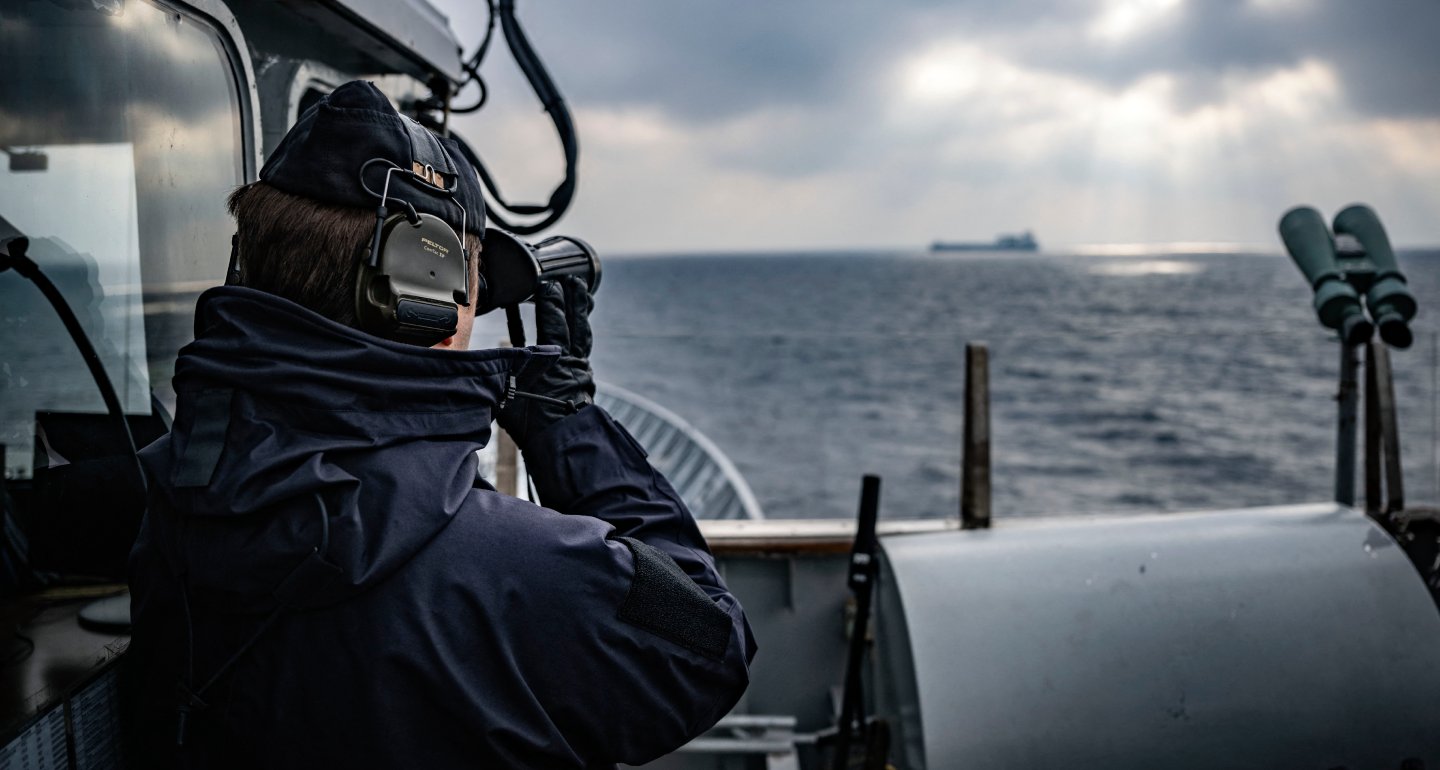
Governments in Estonia, Latvia, and Lithuania want to ensure that a U.S. military withdrawal would not leave them dangerously exposed to a Russian attack.

Sergejs Potapkins

Baku’s backing for Ukraine is less about confronting Russia than about quietly broadening the mix of partners it relies on.

Zaur Shiriyev

Tokyo would have to surmount a lot of obstacles—not least Western sanctions—if it wanted to return Russian oil imports to even modest pre-2022 volumes.

Vladislav Pashchenko
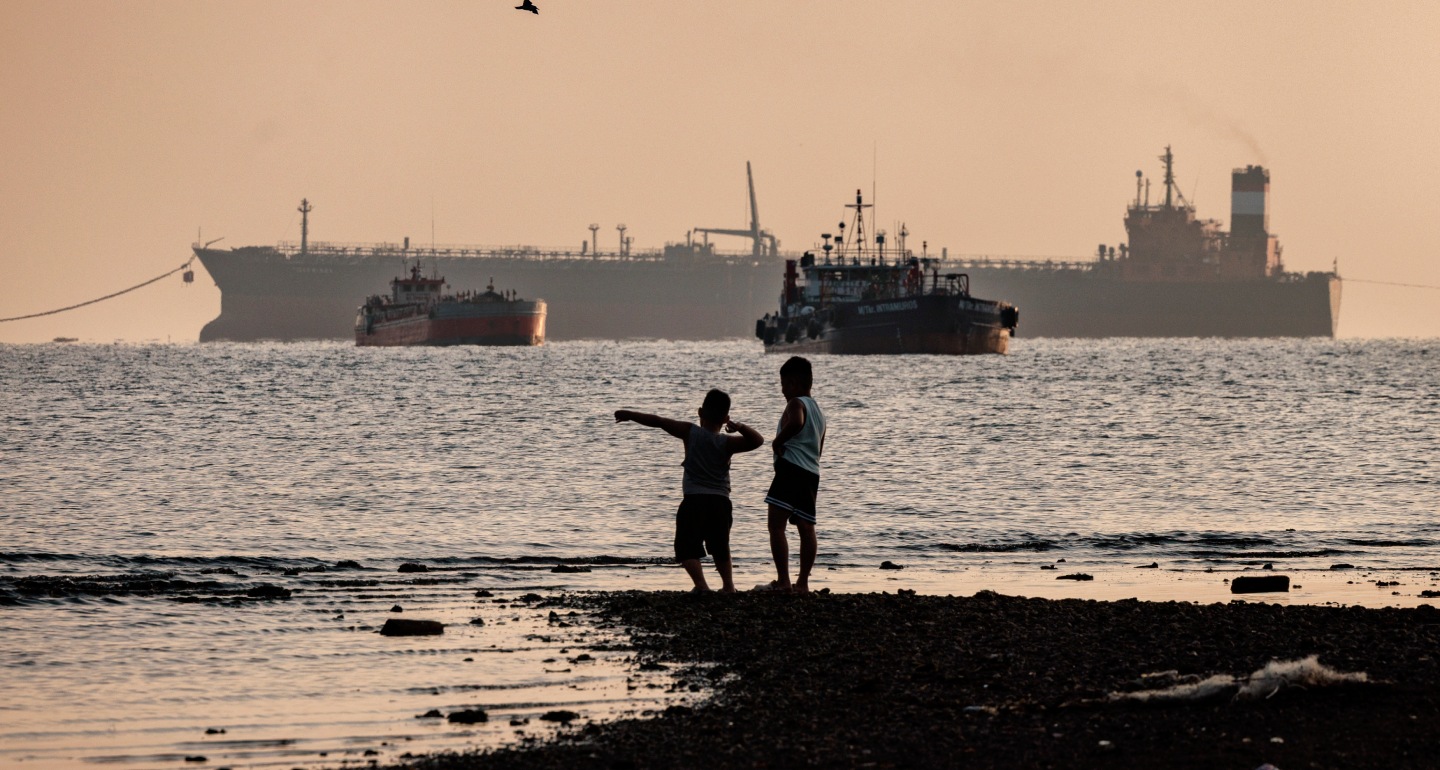
Although Ukrainian strikes have led to a noticeable decline in the physical volume of Russian oil exports, the rise in prices has more than made up for it.

Sergey Vakulenko
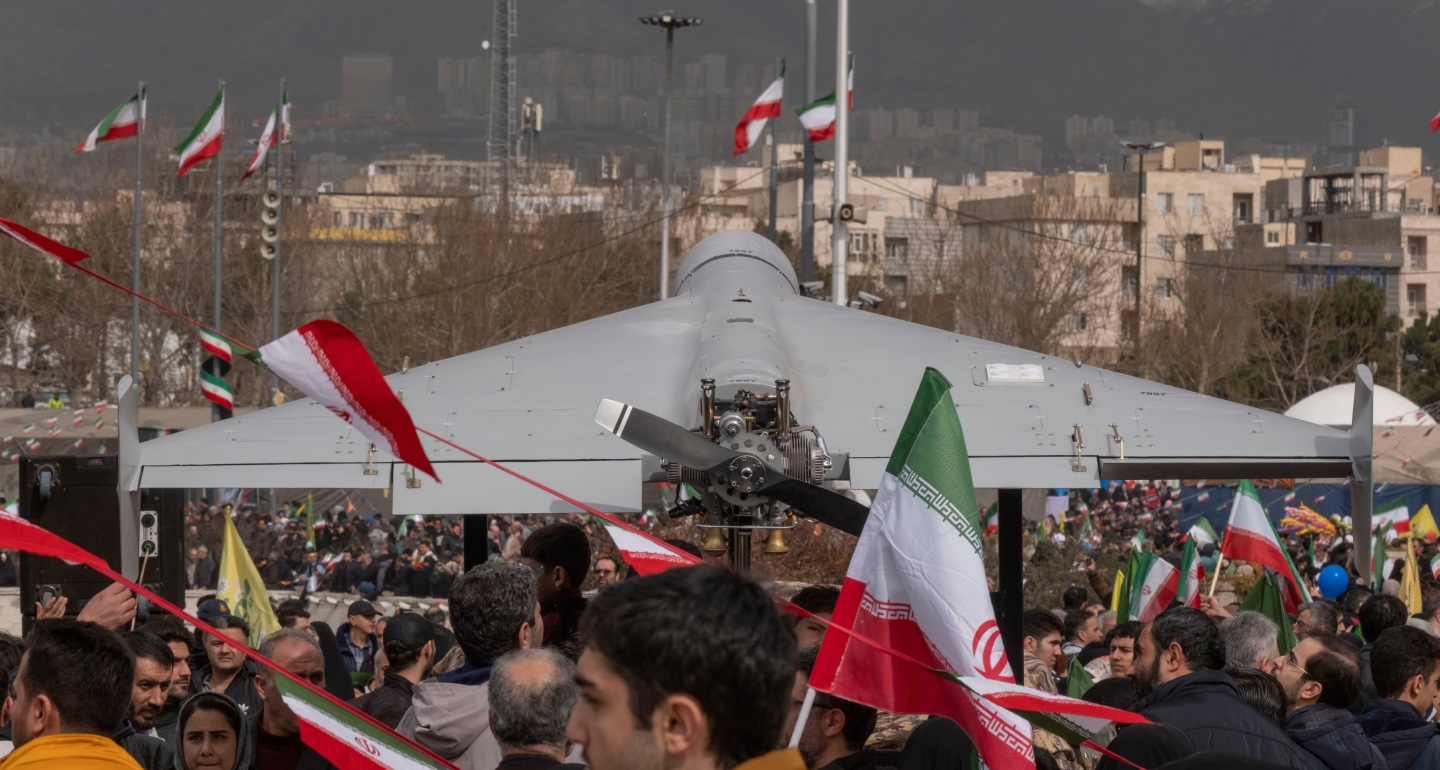
The Russian leadership wants to avoid a dangerous precedent in which it is squeezed out of Iran by the United States and Israel—and left powerless to respond in any meaningful way.

Nikita Smagin