

Commentary
Trump has promised Belarus a massive potash deal. But Minsk is seeking something greater: restored Western transit and greater room for maneuver from Russia.
Balázs Jarábik
{
  "authors": [],
  "type": "pressRelease",
  "centerAffiliationAll": "dc",
  "centers": [
    "Carnegie Endowment for International Peace"
  ],
  "collections": [
    "U.S. Nuclear Policy"
  ],
  "englishNewsletterAll": "ctw",
  "nonEnglishNewsletterAll": "",
  "primaryCenter": "Carnegie Endowment for International Peace",
  "programAffiliation": "NPP",
  "programs": [
    "Nuclear Policy"
  ],
  "projects": [],
  "regions": [
    "North America",
    "United States",
    "Middle East",
    "Iran",
    "United Kingdom"
  ],
  "topics": [
    "Nuclear Policy",
    "Nuclear Energy"
  ]
}
REQUIRED IMAGE
FOR IMMEDIATE RELEASE: May 31, 2006
CONTACT: Jennifer Linker, +1 202/939-2372, jlinker@CarnegieEndowment.org
Welcoming this morning’s statement on Iran by Secretary Rice, Carnegie President Jessica Tuchman Mathews said:
“This is an important step, which should be welcomed by the entire world, including Iran. The new policy advances both U.S. and global security interests by responding in a calm and sensible way to Iran's invitation to dialogue. A negotiated solution is the way forward and the Iranians must stop their enrichment and reprocessing activities for talks to proceed. It makes no sense to talk while they build. Now the onus is on the Iranian regime to respond in a similarly constructive manner.”
For related analysis and commentary from the Carnegie Endowment go to www.CarnegieEndowment.org
• “Speaking to Tehran, With One Voice,” Jessica Mathews
• “Russia and the Iranian Nuclear Crisis,” Alexei Arbatov
• “The Russia Card,” Rose Gottemoeller
• “Israel Urges U.S. Diplomacy on Iran,” Ze'ev Schiff
• “Bush Should Engage Iranian President in Dialogue, Not Back Away,” George Perkovich
• “Is the Nuclear Non-proliferation Regime in Crisis?,” Pierre Goldschmidt
• “Options Available to the United States to Counter a Nuclear Iran,” George Perkovich
For commentary on the Iranian nuclear crisis from Carnegie experts based in Washington, DC, or Moscow please contact:
Peter Reid
Vice President for Communications (Washington)
Tel: +1 202 939 2319
preid@CarnegieEndowment.org
Jennifer Linker
Communications Manager (Washington)
Tel: +1 202 939 2372
jlinker@CarnegieEndowment.org
Natalia Bubnova
Deputy Director of Communications (Moscow)
Tel: + 7 495 935-8904 (ext. 230)
Natalia.Bubnova@carnegie.ru
###
Carnegie does not take institutional positions on public policy issues; the views represented herein are those of the author(s) and do not necessarily reflect the views of Carnegie, its staff, or its trustees.

Trump has promised Belarus a massive potash deal. But Minsk is seeking something greater: restored Western transit and greater room for maneuver from Russia.

Balázs Jarábik

Minsk clearly expected the dialogue with Washington to yield more results, in particular the lifting of EU sanctions and permission to export potash.

Artyom Shraibman
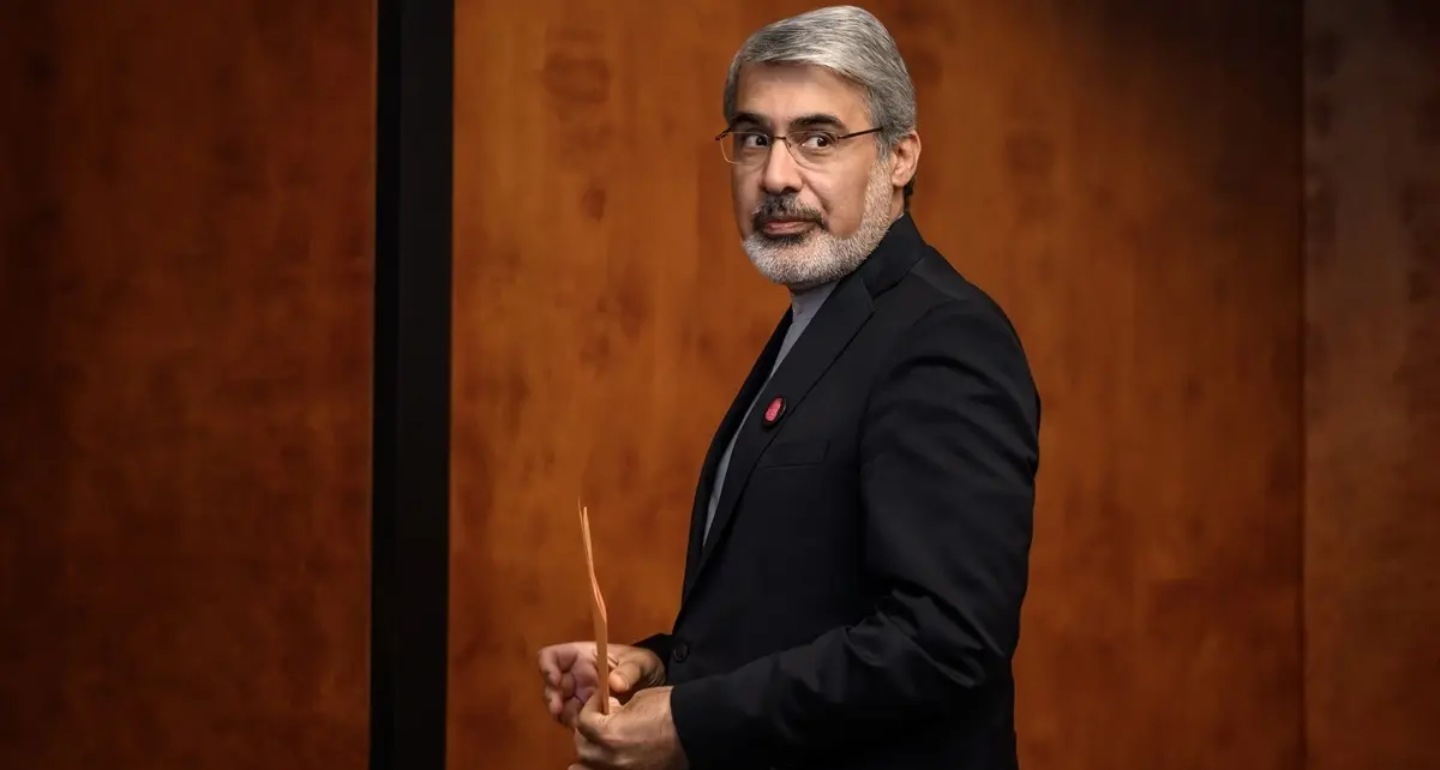
Ongoing uncertainty in the Middle East allows Moscow to both increase its influence in Tehran and continue to enjoy the financial windfall of higher oil prices.

Nikita Smagin
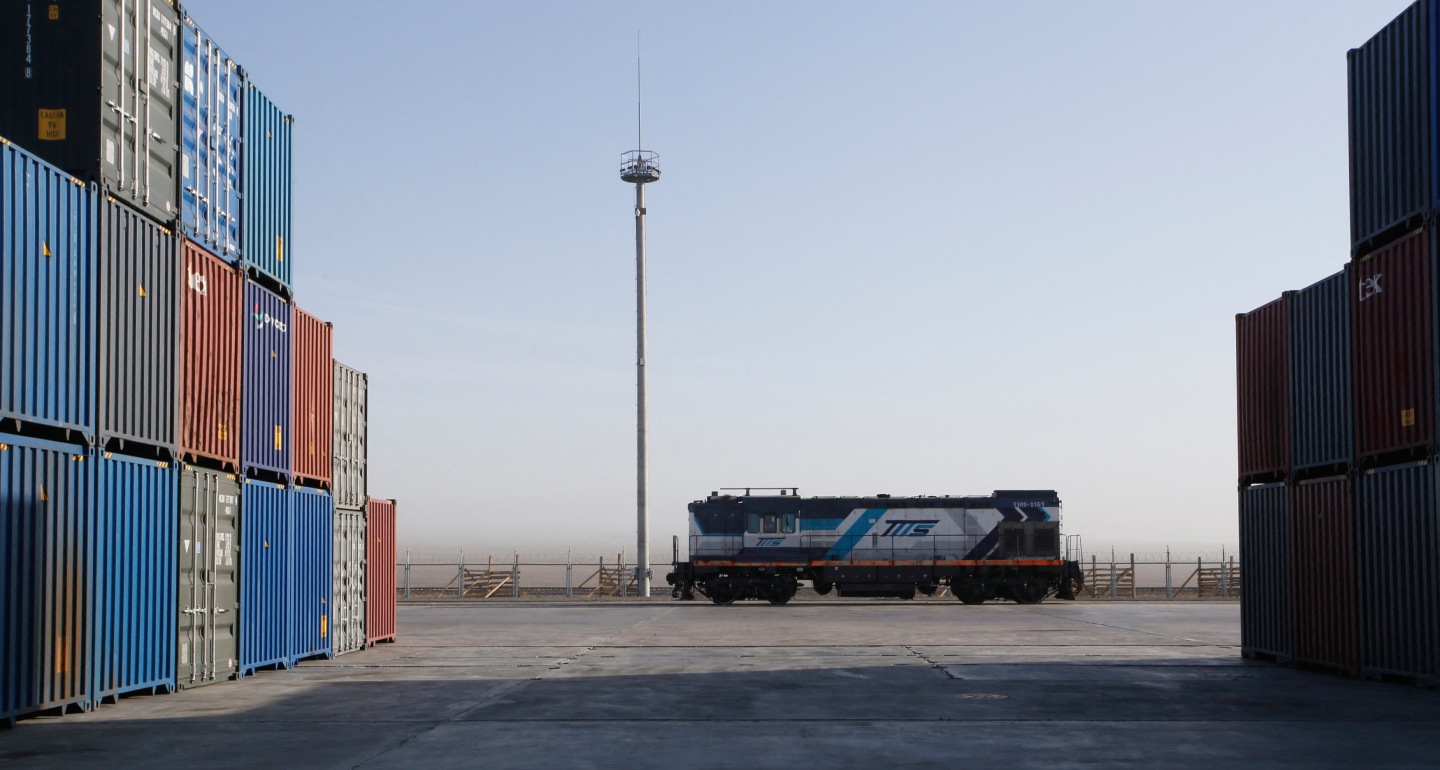
This year’s wars have made alternative routes to transit through Russia no less risky for Central Asian countries.

Galiya Ibragimova
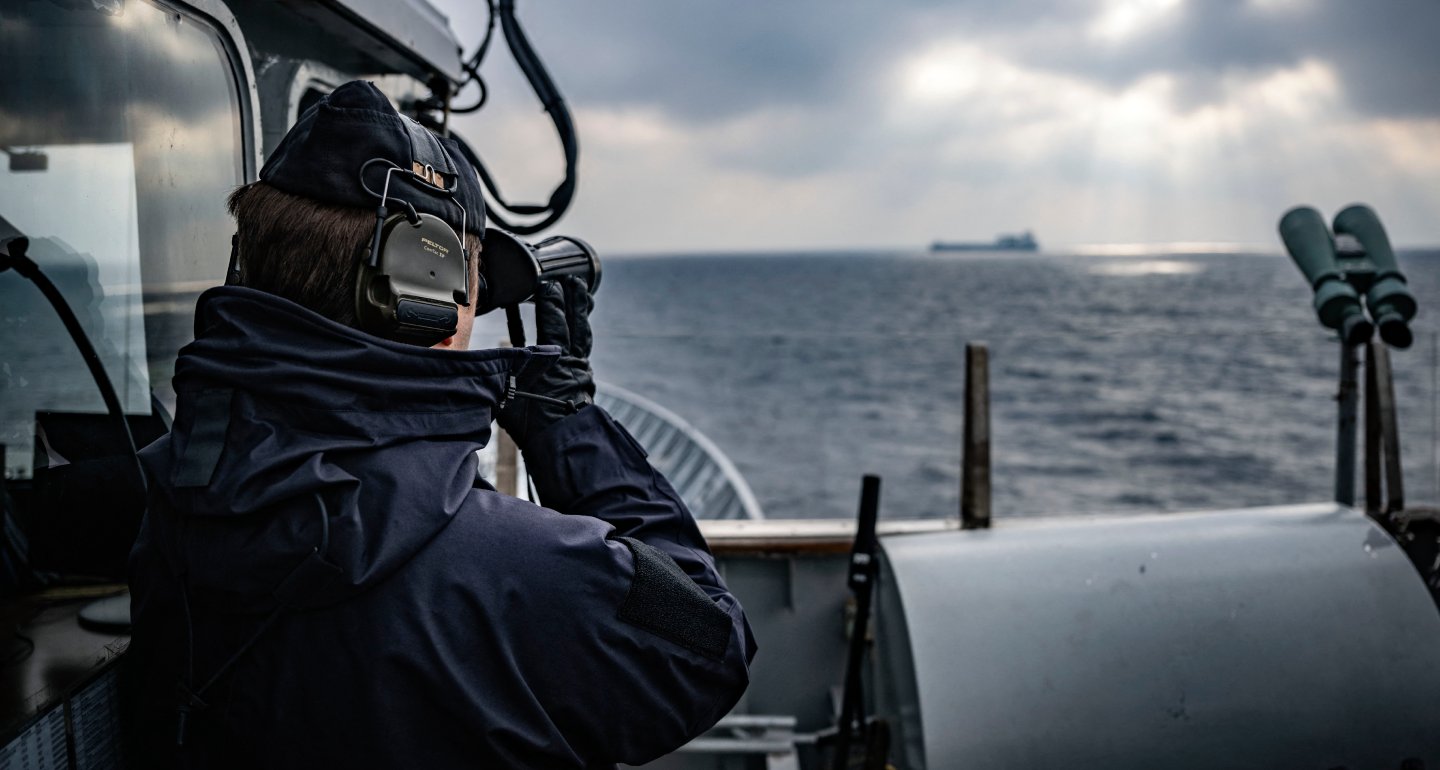
Governments in Estonia, Latvia, and Lithuania want to ensure that a U.S. military withdrawal would not leave them dangerously exposed to a Russian attack.

Sergejs Potapkins