

Commentary
Depleted financial reserves and a shrinking tax base mean it is no longer possible to simultaneously deliver high defense spending, price stability, and economic growth.
Alexandra Prokopenko
{
  "authors": [
    "Aleksandr Zaslavsky"
  ],
  "type": "legacyinthemedia",
  "centerAffiliationAll": "dc",
  "centers": [
    "Carnegie Endowment for International Peace"
  ],
  "collections": [],
  "englishNewsletterAll": "ctw",
  "nonEnglishNewsletterAll": "",
  "primaryCenter": "Carnegie Endowment for International Peace",
  "programAffiliation": "russia",
  "programs": [
    "Russia and Eurasia"
  ],
  "projects": [],
  "regions": [
    "Middle East",
    "North Africa",
    "Caucasus"
  ],
  "topics": [
    "Economy",
    "Climate Change"
  ]
}
REQUIRED IMAGE
Among the Russian oil majors, Lukoil is the most ambitious when it comes to plans outside the country. The Middle East is central to its strategy of concentrating 23 percent of its total production outside of Russia by 2015, and these plans in large part focus on Iraq.
Source: Pro et Contra
This article orginally appeared in Russian in "The Power of Oil and Gas" edition of the Pro et Contra journal (Volume 10, Nos. 2-3, 2006), published by the Carnegie Moscow Center.
Among the Russian oil majors, Lukoil is the most ambitious when it comes to plans outside the country. The Middle East is central to its strategy of concentrating 23 percent of its total production outside of Russia by 2015, and these plans in large part focus on Iraq. Unlike Lukoil, with its gigantic resources, Tatneft is developing one of Russia 's oldest fields. With each passing year, the problem of renewing its resources becomes pressing for the company. This drives its aggressive attempts to gain access to fields both in Russia and abroad. Tatneft is the only Russian company that managed to win recent auctions for exploring and drilling Libyan resources.
For the full text, please click on the link above.
Aleksandr Zaslavsky
Carnegie does not take institutional positions on public policy issues; the views represented herein are those of the author(s) and do not necessarily reflect the views of Carnegie, its staff, or its trustees.

Depleted financial reserves and a shrinking tax base mean it is no longer possible to simultaneously deliver high defense spending, price stability, and economic growth.

Alexandra Prokopenko

When faced with fuel shortages in the past, Central Asian governments could always count on additional supplies from Moscow. That safety net no longer exists.

Galiya Ibragimova
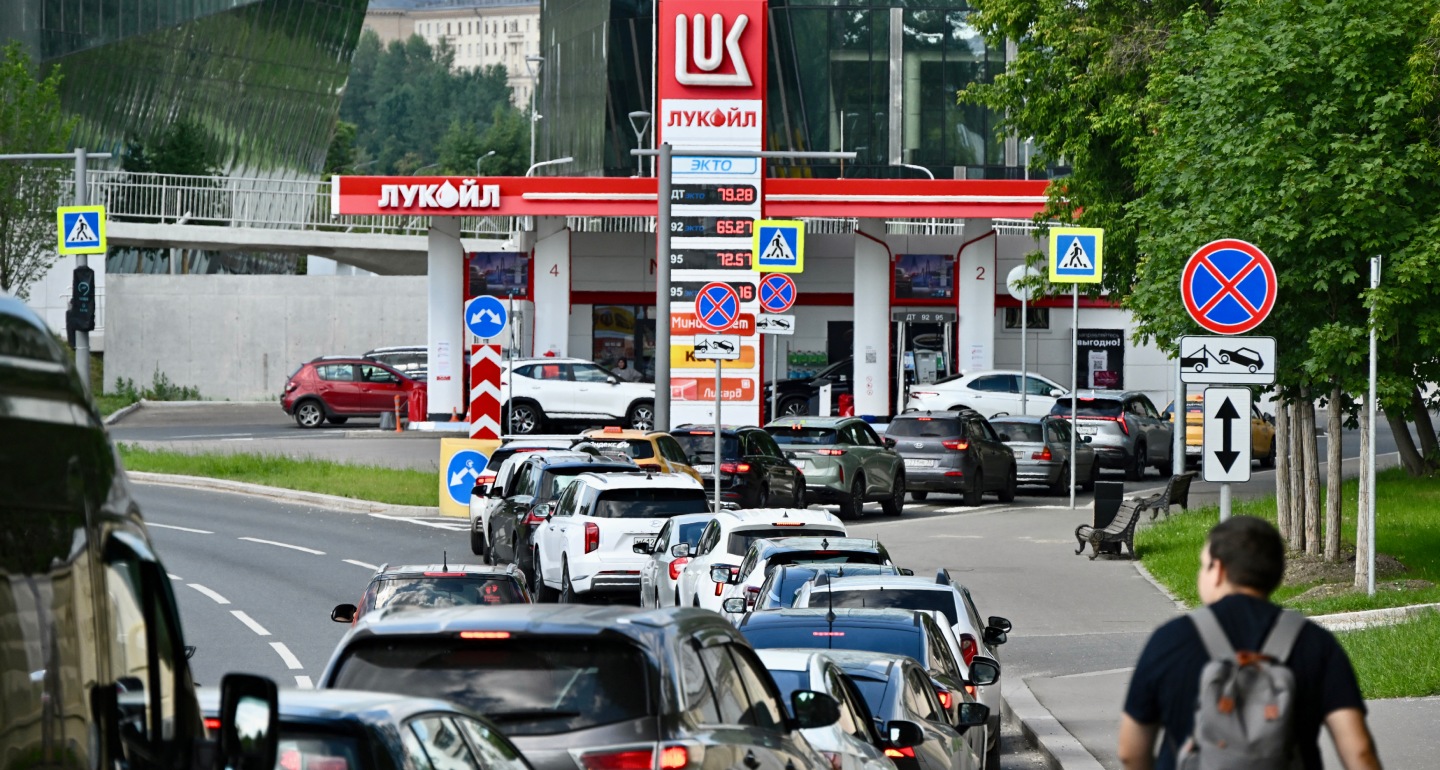
Official discussions about mini oil refineries are unlikely to come to anything—but the mere fact they’re happening reveals the regime is failing to deliver a functioning economy.

Sergey Vakulenko
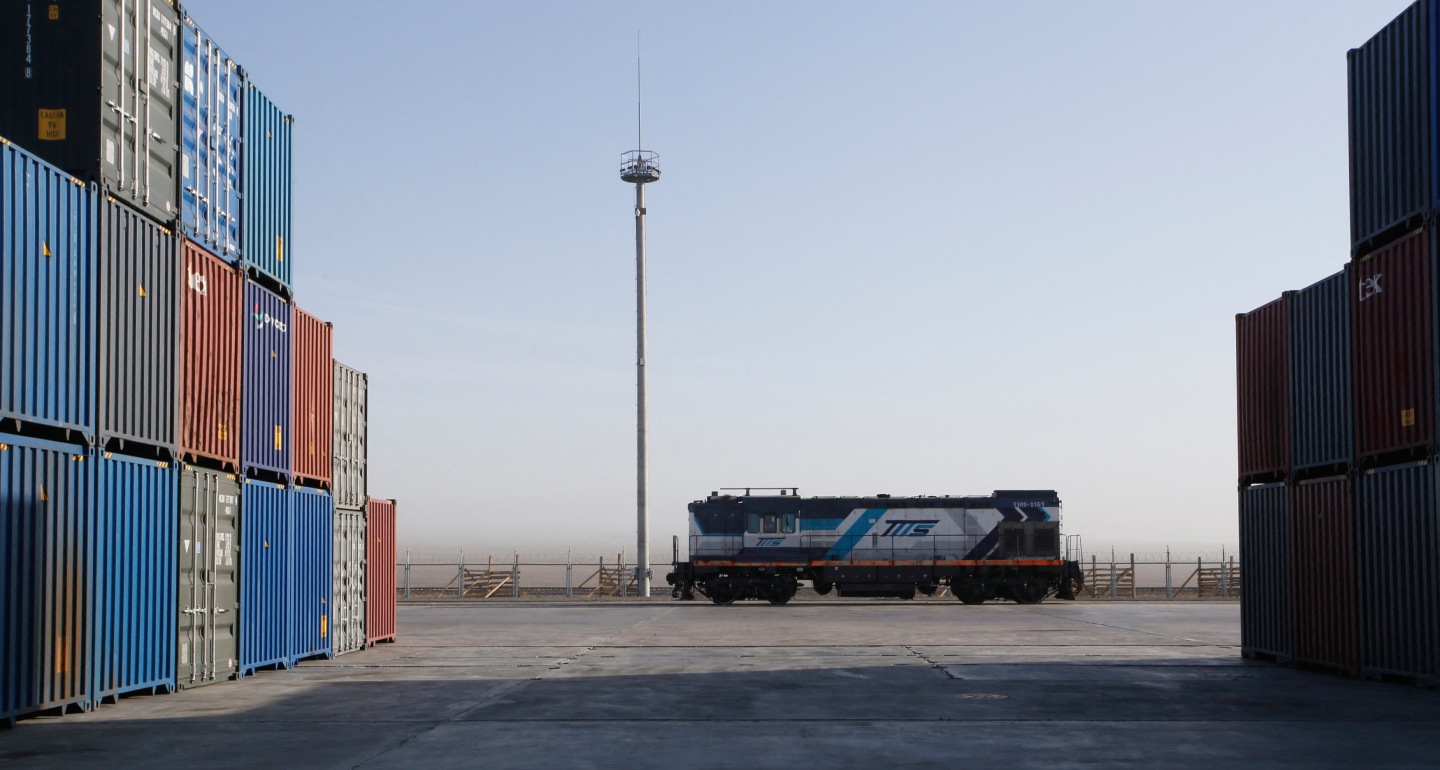
This year’s wars have made alternative routes to transit through Russia no less risky for Central Asian countries.
Galiya Ibragimova

Pashinyan’s pro-European party has been re-elected with a decisive victory. But the pro-Russian opposition could still slow Armenia’s progress toward peace with Azerbaijan and rapprochement with Europe.
Mikayel Zolyan