

Commentary
The return of parliamentary politics reflects a broader shift from earlier expectations of a settlement and elections toward the reality of a prolonged war.
Balázs Jarábik
{
  "authors": [
    "Liam Stack"
  ],
  "type": "legacyinthemedia",
  "centerAffiliationAll": "dc",
  "centers": [
    "Carnegie Endowment for International Peace"
  ],
  "collections": [],
  "englishNewsletterAll": "democracy",
  "nonEnglishNewsletterAll": "",
  "primaryCenter": "Carnegie Endowment for International Peace",
  "programAffiliation": "DCG",
  "programs": [
    "Democracy, Conflict, and Governance",
    "Middle East"
  ],
  "projects": [],
  "regions": [
    "Middle East",
    "Egypt"
  ],
  "topics": [
    "Political Reform",
    "Democracy"
  ]
}
REQUIRED IMAGE
Source: The Daily Star Egypt
Middle East expert says region lost golden chance for democratic reforms
CAIRO: Democratic reforms, recently the center of political debate in Egypt, have been rolled back, said Middle East analyst Amr Hamzawy, of the Washington-based Carnegie Endowment, on Wednesday.
“We might have missed a chance in our region,” Hamzawy told a standing room only audience at the American University in Cairo.
Between 2003 and 2006, a vibrant new political dynamism emerged in the Arab world that focused on the potential for democratic reform, but met little success. “Egyptian public space is vibrant, dynamic and pressing for transition, but outcomes so far have been minimal.”
During the lecture, entitled “Social Activism in Transforming Polities: Egypt 2004–2006,” Hamzawy outlined the key steps that Egyptian activists took to center the country’s political debate on reform and told the audience how he thinks the movement has faltered.
In the 2005 election season, for example, “democracy was the only game in town.” In that game, creativity was a key to focusing the debate on democratic reform.
To reach out to the public at large, Egypt’s most prominent political players, such as Kefaya, used technologies like text messaging and the Internet to draw crowds to their energetic rallies, as well as the “extremely creative, repackaged electoral platform” that drew Muslim Brotherhood voters to the polls.
The presidential elections in September 2005 resulted in an overwhelming victory for the incumbent, President Hosni Mubarak, who has held power since the 1981 assassination of President Anwar El-Sadat. The parliamentary elections, held in three rounds over the next several weeks, produced an historic victory for the Brotherhood. The banned organization fielded candidates as independents and won 20 percent of the seats in the lower house of parliament.
The parliamentary elections, however, were marred by widespread accusations of vote tampering and fraud, as well as state violence at the polls in rural areas.
But the push for political reforms continued to thrive - crossing red lines and talking openly about taboo political subjects was another key to opening up debate.
In Egypt, “Debate focused on the presidency, the corruption of the ruling family and elite, the president’s relationship to other branches of government and the role of the president’s sons,” says Hamzawy. “People also began talking more about the role of the security apparatus that has regulated, in an authoritarian sense, political space here since 1952.”
The third important development in the public arena between 2003 and 2006 was that “Egyptians became aware of the existence of tensions and cracks within the ruling camp, especially between reformers like Gamal Mubarak and hard-liners like Safwat Sherif. As active citizens, these cracks are vital for demanding democratic concessions in moments of instability, which Egypt is approaching.”
Another important sign of the political dynamism of the last few years, he says, is that public debates that now take place on the pages of newspapers would have happened behind closed doors only a few years ago. In particular, the very public debate over presidential succession “promises that we are in a transition period. There has been a clear radicalization of the debate.”
“We have all become more critical of Gamal Mubarak’s role,” he said, looking around the packed room. “What has changed is how cautious everyone once was, and how daring they all became.”
But in the year since the election, Hamzawy says, the debate shifted from a focus on democracy, to repetitive slogans condemning Israel — largely because of this summer’s war in Lebanon.
“The democratic narrative is no longer dominant in Arab public debates. It has lost credibility, and is being replaced by a return to the old resistance narrative that we saw in the 1980s and 1990s.”
“This is an undemocratic narrative, based on dehumanizing images of the ‘Other’, whether that means Jews, or Israel, or the West, or whoever. It is racist and immoral to see Israeli society as a military machine that must be terrorized in the name of Arab or Islamic resistance. For Arabs and Arab intellectuals it is a waste of time, it is populist and it is dangerous.”
“We are going to have a hard time repositioning the democratic narrative to where it was before, he says, because one year after the elections Egypt’s political landscape is badly polarized between three main groups. The first is “an alliance between Gamal Mubarak and the private sector,” the second is state security and the military, and the third is the Muslim Brotherhood.
“I am afraid that as long as we have this bipolar setting of the NDP and the Muslim Brotherhood, we are going nowhere,” says Hamzawy. “I have doubts about each one’s commitment to democracy.”
Liam Stack
The Daily Star, Egypt
Carnegie does not take institutional positions on public policy issues; the views represented herein are those of the author(s) and do not necessarily reflect the views of Carnegie, its staff, or its trustees.
The return of parliamentary politics reflects a broader shift from earlier expectations of a settlement and elections toward the reality of a prolonged war.
Balázs Jarábik
The Russian state has opted for complete ideological control of the internet and is prepared to bear the associated costs.

Maria Kolomychenko
After four years of war, there is no one who can stand up to the security establishment, and President Vladimir Putin is increasingly passive.

Tatiana Stanovaya
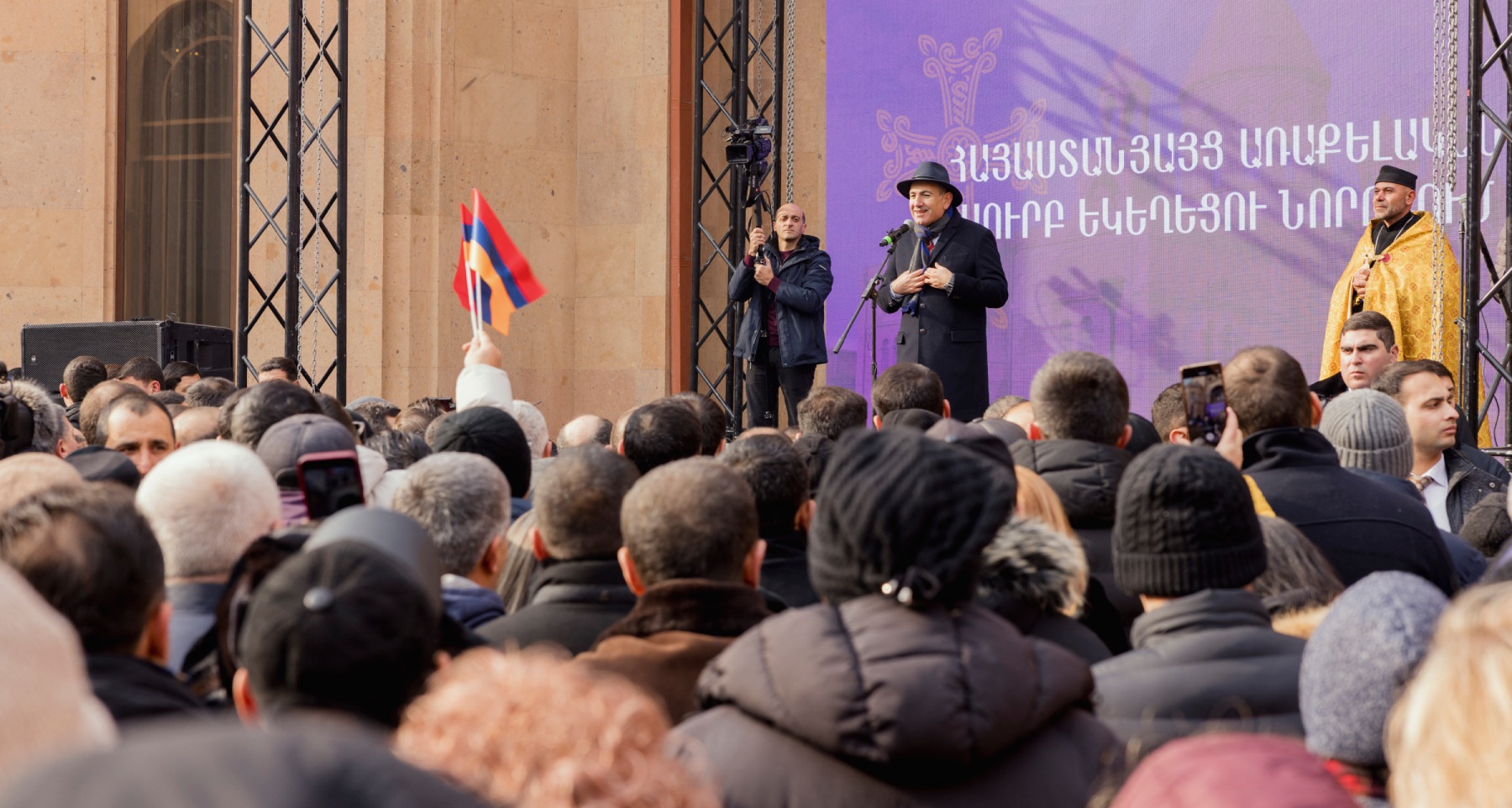
It’s true that many Armenians would vote for anyone just to be rid of Pashinyan, whom they blame for the loss of Nagorno-Karabakh, but the pro-Russia opposition is unlikely to be able to channel that frustration into an electoral victory.
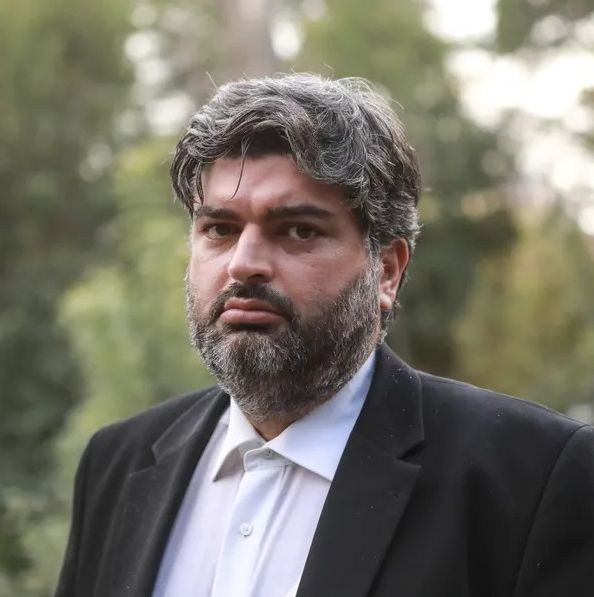
Mikayel Zolyan
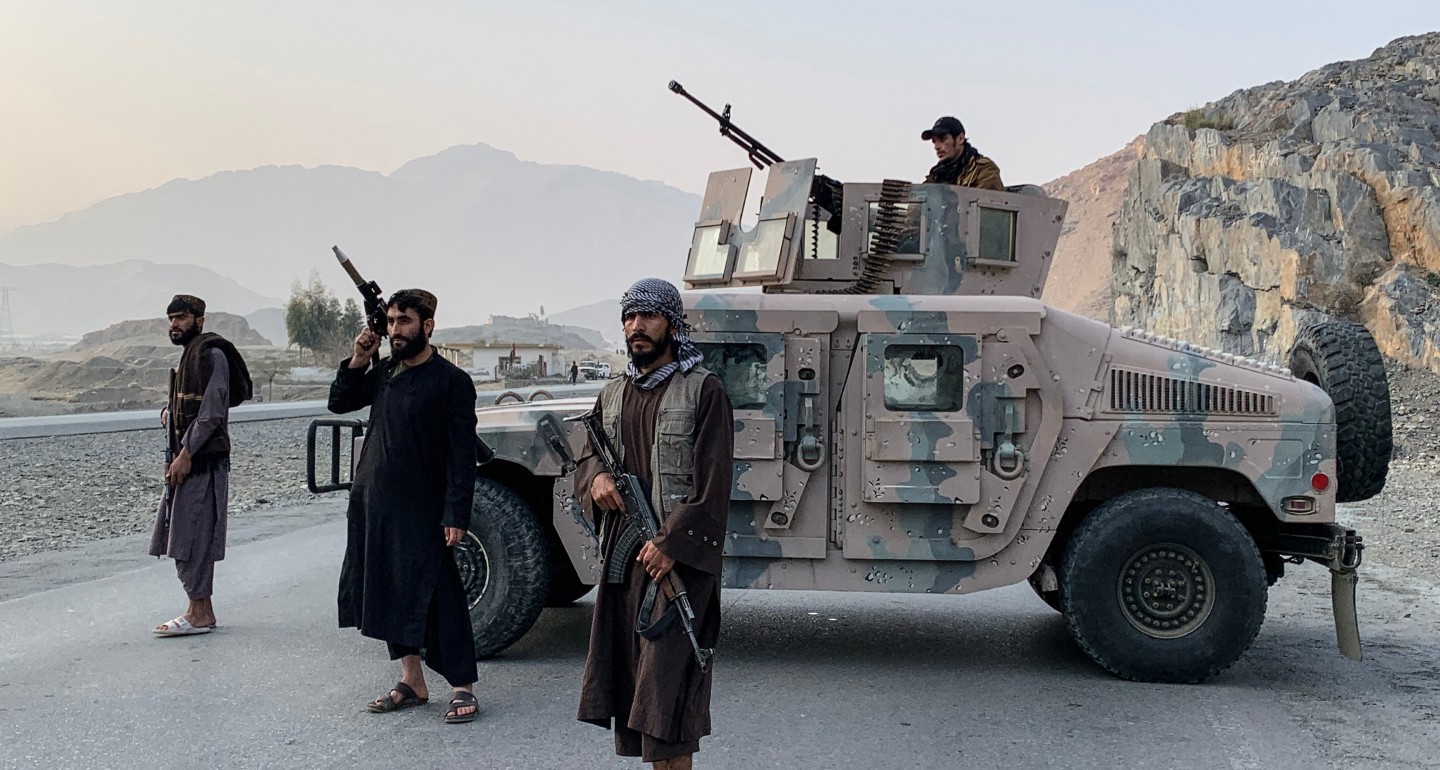
Not only does the fighting jeopardize regional security, it undermines Russian attempts to promote alternatives to the Western-dominated world order.
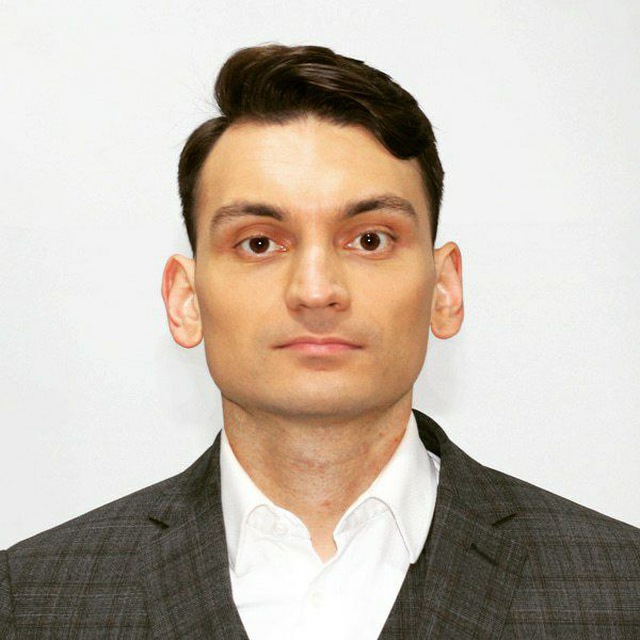
Ruslan Suleymanov