

Report
- +4
Ms. Sandra Polaski, Joaquim Bento de Souza Ferreir, Janine Berg, …
{
  "authors": [
    "Sandra Polaski"
  ],
  "type": "other",
  "centerAffiliationAll": "",
  "centers": [
    "Carnegie Endowment for International Peace"
  ],
  "collections": [],
  "englishNewsletterAll": "",
  "nonEnglishNewsletterAll": "",
  "primaryCenter": "Carnegie Endowment for International Peace",
  "programAffiliation": "",
  "programs": [],
  "projects": [],
  "regions": [
    "North America",
    "United States"
  ],
  "topics": [
    "Economy",
    "Trade"
  ]
}
Source: Getty
The new U.S. Congress needs to reexamine America's position in the WTO negotiations. A lopsided U.S. proposal on agriculture has deadlocked the trade talks, preventing gains in services and manufacturing trade that are much more important to the U.S. economy.
The Doha Round of negotiations at the World Trade Organization has reached a stalemate, with most countries blaming the deadlock on a U.S. agricultural trade proposal they see as offering little or no actual policy change by the U.S. while requiring maximum concessions by farmers elsewhere. U.S. negotiators have thus far refused to modify that proposal and the outgoing Congress supported their position.
In a new Carnegie Policy Outlook, Sandra Polaski argues that the new Congress should reexamine the skewed U.S. proposal. She demonstrates that the claim that developing country agricultural markets are closed to U.S. exports and must be prized open during the Doha Round is not supported by the facts. Polaski maintains that a favorable deal is available if the U.S. can find its way out of the corner it has backed in to. Congress can and should help, in order to achieve benefits for the U.S. economy as a whole and the wider U.S. interests of global growth, stability and poverty alleviation.
About the Author
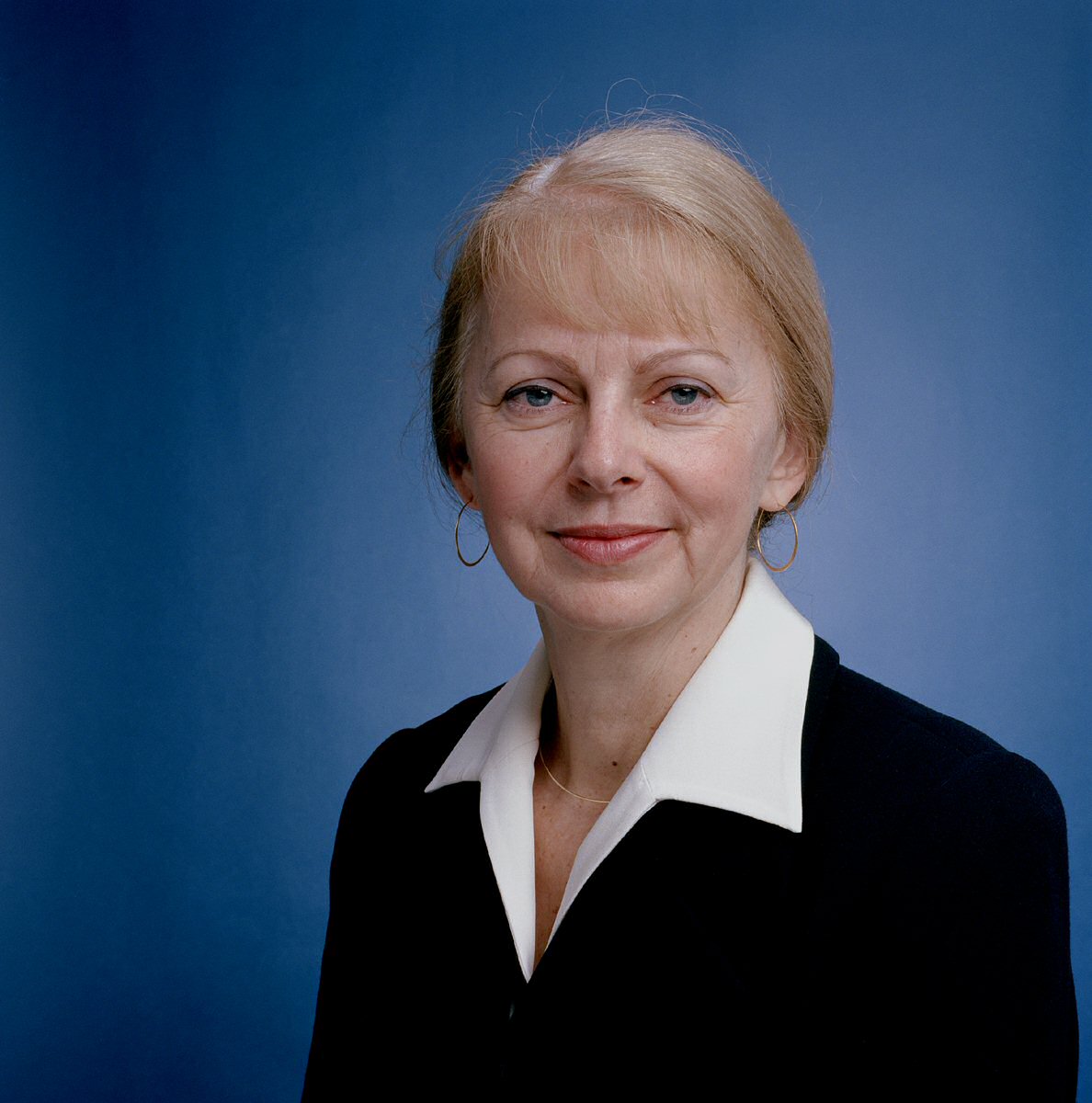
Sandra Polaski is director of the Trade, Equity, and Development Project at the Carnegie Endowment for International Peace. Her work focuses on trade, development, and employment policies in the context of globalization. Until April 2002, Ms. Polaski served as the U.S. Secretary of State’s Special Representative for International Labor Affairs. Her most recent publication is: Winners and Losers: Impact of the Doha Round on Developing Countries, March 2006.
Former Senior Associate, Director, Trade, Equity and Development Program
Until April 2002, Polaski served as the U.S. Secretary of State’s Special Representative for International Labor Affairs, the senior State Department official dealing with such matters.
Recent Work
Ms. Sandra Polaski, Joaquim Bento de Souza Ferreir, Janine Berg, …
Ms. Sandra Polaski
Carnegie does not take institutional positions on public policy issues; the views represented herein are those of the author(s) and do not necessarily reflect the views of Carnegie, its staff, or its trustees.

Russian strikes are weakening the economy sustaining Ukraine’s war effort. Closing the growing funding gap will require more European support and politically contentious reforms in Kyiv.

Balázs Jarábik

For every ruble allocated to social policy, health, and education in 2027, double that amount is earmarked for the army, the police, and the security services.

Alexandra Prokopenko

Cargo traffic through Russia’s Northern Sea Route has increased because of the disruption caused by the conflict in the Middle East, the Ukraine war, and U.S.-China tensions.

Mikhail Korostikov

Trump has promised Belarus a massive potash deal. But Minsk is seeking something greater: restored Western transit and greater room for maneuver from Russia.
Balázs Jarábik

Minsk clearly expected the dialogue with Washington to yield more results, in particular the lifting of EU sanctions and permission to export potash.

Artyom Shraibman