• Research
  • Politika
  • About
Carnegie Russia Eurasia center logoCarnegie lettermark logo
  • Donate
{
  "authors": [
    "Albert Keidel"
  ],
  "type": "testimony",
  "centerAffiliationAll": "dc",
  "centers": [
    "Carnegie Endowment for International Peace"
  ],
  "collections": [],
  "englishNewsletterAll": "asia",
  "nonEnglishNewsletterAll": "",
  "primaryCenter": "Carnegie Endowment for International Peace",
  "programAffiliation": "AP",
  "programs": [
    "Asia"
  ],
  "projects": [],
  "regions": [
    "China",
    "East Asia"
  ],
  "topics": [
    "Economy"
  ]
}

Source: Getty

Testimony

The Treasury Department's Currency Report, Dialogue with China and Related Topics

Link Copied
By Dr. Albert Keidel
Published on Jan 31, 2007

Source: Senate Banking

Dr. Albert Keidel presented testimony at a hearing on "The Treasury Department's Report to Congress on International Economic and Exchange Rate Policy (IEERP) and the U.S.-China Strategic Economic Dialogue" for the U.S. Senate Banking, Housing and Urban Affairs Committee on Wednesday, January 31, 2007. Dr. Keidel argues in his remarks that the U.S.-China strategic economic dialogue (SED) can be a very effective means for both sides to address trade issues and the U.S. should use SED wisely.   Keidel also commented that China’s currency rate should not be blamed for the large U.S. current account deficit; he emphasized that the U.S. has a large deficit with the global supply chain as a whole.  Dr. Keidel suggests that instead of focusing on China’s currency exchange rate, the U.S. should focus on issues at home such as education, pension mobility and heath care in order to strengthen its own global competitiveness.

Please click on the links above to read Dr. Keidel's oral and written remarks.
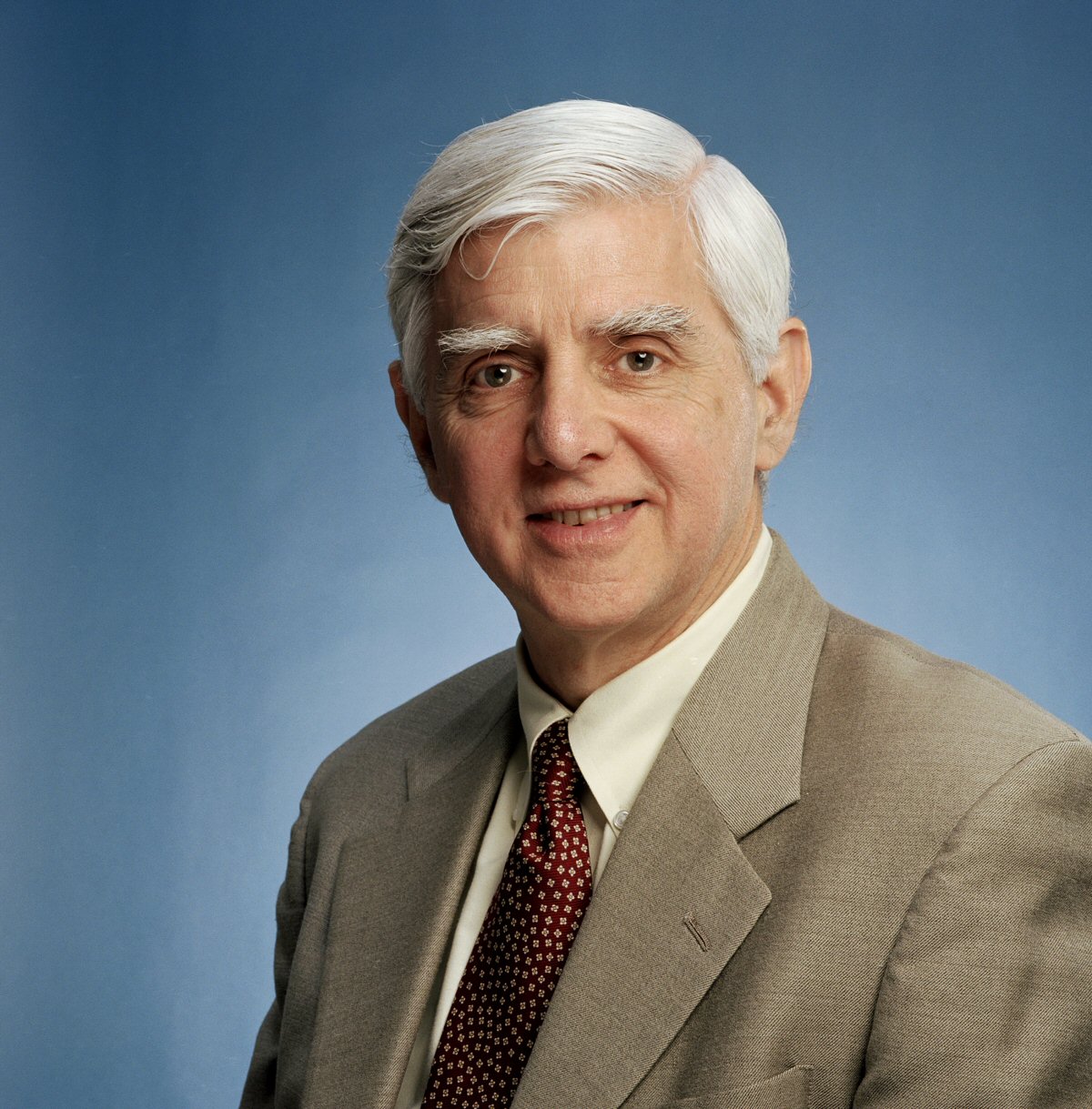
About the Author

Dr. Albert Keidel

Former Senior Associate, China Program

Keidel served as acting director and deputy director for the Office of East Asian Nations at the U.S. Department of the Treasury. Before joining Treasury in 2001, he covered economic trends, system reforms, poverty, and country risk as a senior economist in the World Bank office in Beijing.

    Recent Work

  • Article
    As China's Exports Drop, Can Domestic Demand Drive Growth?

      Dr. Albert Keidel

  • Article
    China’s Fourth Quarter 2008 Statistical Record

      Dr. Albert Keidel

Dr. Albert Keidel
Former Senior Associate, China Program
Albert Keidel
EconomyChinaEast Asia

Carnegie does not take institutional positions on public policy issues; the views represented herein are those of the author(s) and do not necessarily reflect the views of Carnegie, its staff, or its trustees.

More Work from Carnegie Russia Eurasia Center

  • Commentary
    Carnegie Politika
    Does Russia Have Enough Soldiers to Keep Waging War Against Ukraine?

    The Russian army is not currently struggling to recruit new contract soldiers, though the number of people willing to go to war for money is dwindling.

      Dmitry Kuznets

  • Commentary
    Carnegie Politika
    Japan’s “Militarist Turn” and What It Means for Russia

    For a real example of political forces engaged in the militarization of society, the Russian leadership might consider looking closer to home.

      James D.J. Brown

  • Commentary
    Carnegie Politika
    A New World Police: How Chinese Security Became a Global Export

    China has found a unique niche for itself within the global security ecosystem, eschewing military alliances to instead bolster countries’ internal stability using law enforcement. Authoritarian regimes from the Central African Republic to Uzbekistan are signing up.

      Temur Umarov

  • Commentary
    Carnegie Politika
    Is There Really a Threat From China and Russia in Greenland?

    The supposed threats from China and Russia pose far less of a danger to both Greenland and the Arctic than the prospect of an unscrupulous takeover of the island.

      Andrei Dagaev

  • Commentary
    Carnegie Politika
    Including Russia on the EU Financial Blacklist Will Hurt Ordinary People, Not the Kremlin

    The paradox of the European Commission’s decision is that the main victims will not be those it formally targets. Major Russian businesses associated with the Putin regime have long adapted to sanctions with the help of complex schemes involving third countries, offshore companies, and nonpublic entities.

      Alexandra Prokopenko

Get more news and analysis from
Carnegie Russia Eurasia Center
Carnegie Russia Eurasia logo, white
  • Research
  • Politika
  • About
  • Experts
  • Events
  • Contact
  • Privacy
Get more news and analysis from
Carnegie Russia Eurasia Center
© 2026 Carnegie Endowment for International Peace. All rights reserved.